Technology Experiments
for kids
Explore 18 trusted technology experiments resources selected for curious kids, with clear ages, access details, and parent context.
Two useful ways to narrow the directory
This page brings together technology resources that also match experiments. Each listing keeps its own age range, platform details, languages, links, and parent notes, so you can compare options without losing context.
Explore all technology resources →
Museum of Science Boston Learning
Museum educator resources with STEM activities, family engineering, science games, and classroom-ready learning ideas. It is listed under Science, Technology, and Parent & educator for ages 3–13. Children and families can use it through a website and downloadable resources.
Read the full resource review →More technology picks
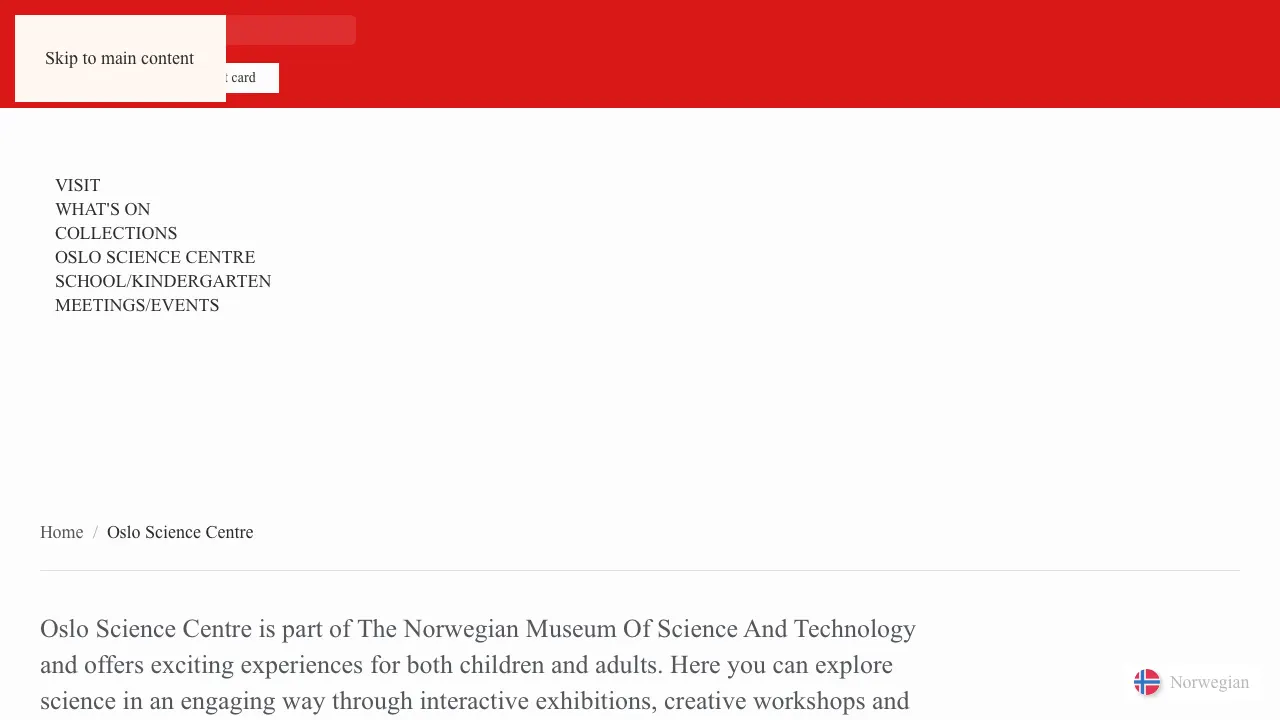
Oslo Science Centre
Interactive science and technology exhibits, creative workshops, and family learning at Norway's Museum of Science and Technology. It is listed under Science and Technology for ages 4-18. Children and families can use it through a website and a physical place.
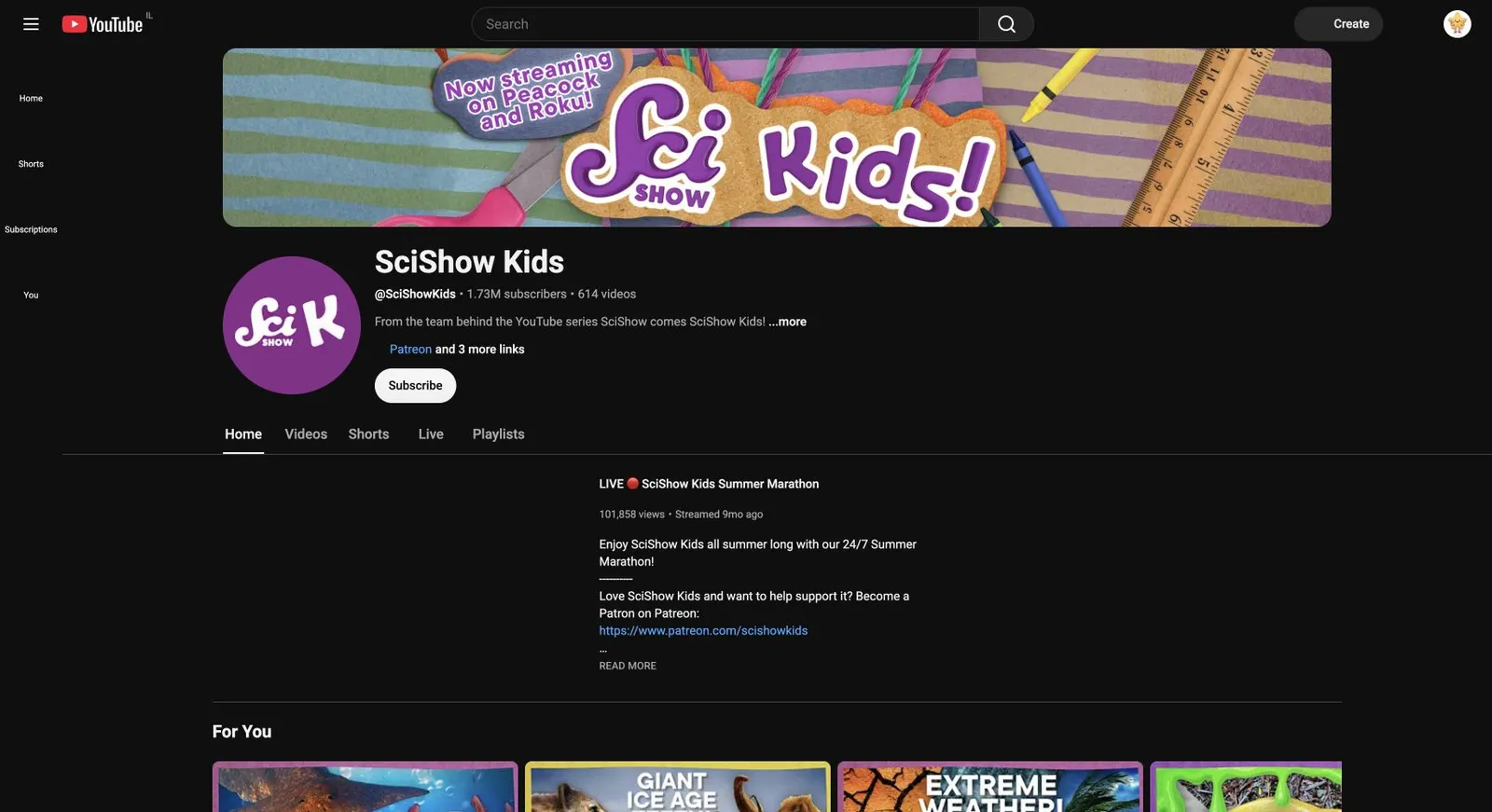
SciShow Kids YouTube
SciShow Kids answers children’s questions about animals, nature, science, technology, and the world with friendly explanations. It is listed under Science, Nature & environment, and Technology for ages 6–12. Children and families can use it through a YouTube channel.
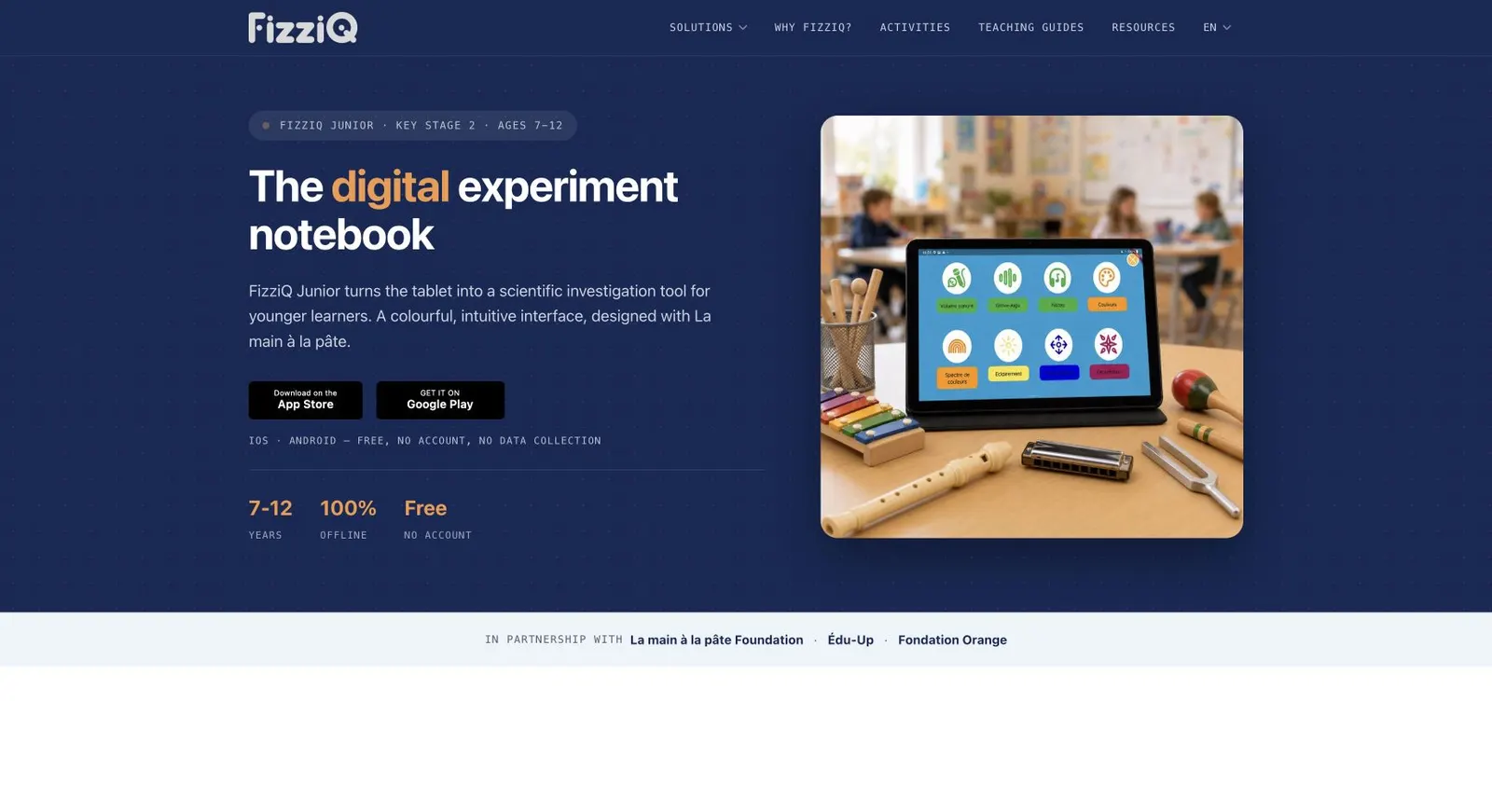
FizziQ Junior
A free offline digital experiment notebook for ages 7–12 that turns tablet and phone sensors into tools for measuring colour, sound, light, motion, dimensions, and environment. It is listed under Science and Maker & DIY for ages 7–12.
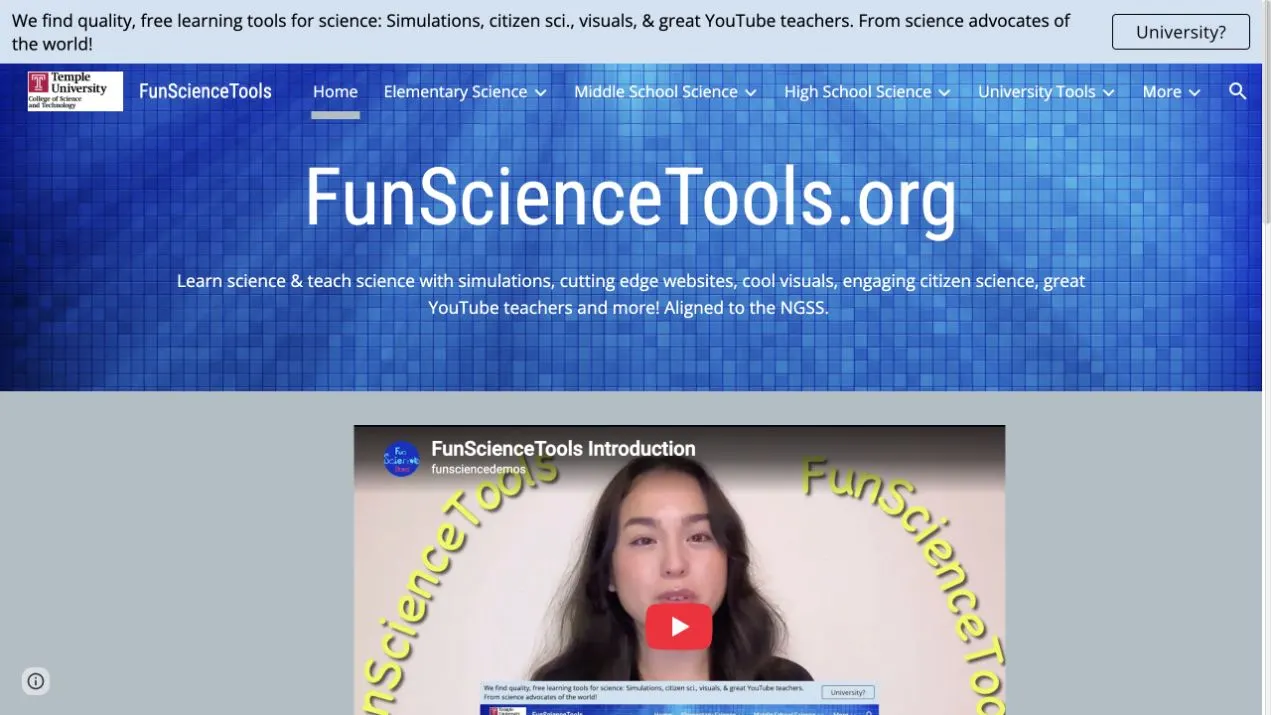
FunScienceTools
Free science simulations, visuals, citizen-science tools, and teacher-recommended resources organized by school level and topic. It is listed under Science, Technology, and Math for ages 6–18. Children and families can use it through a website and a YouTube channel.
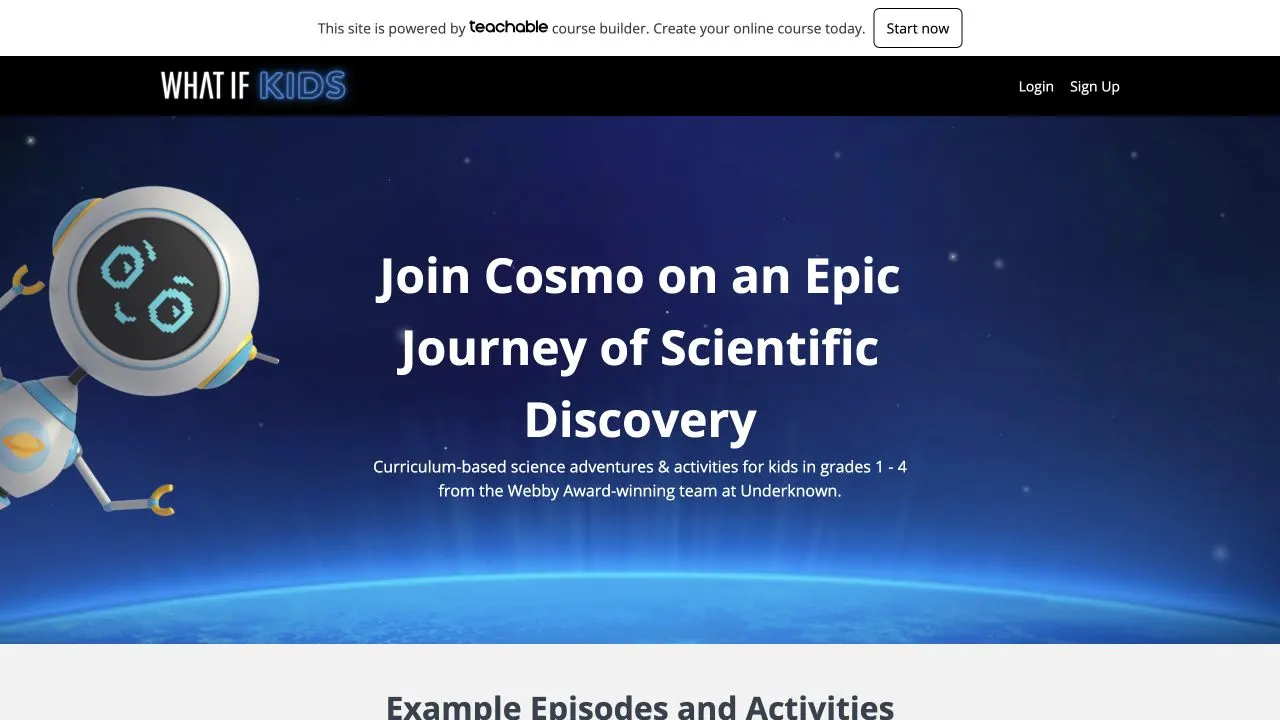
What If Kids
What If Kids is a curriculum-based science program for grades 1–4, using animated episodes, real-world science questions, and simple activities children can try at home. It is listed under Science and Technology for ages 6–10.
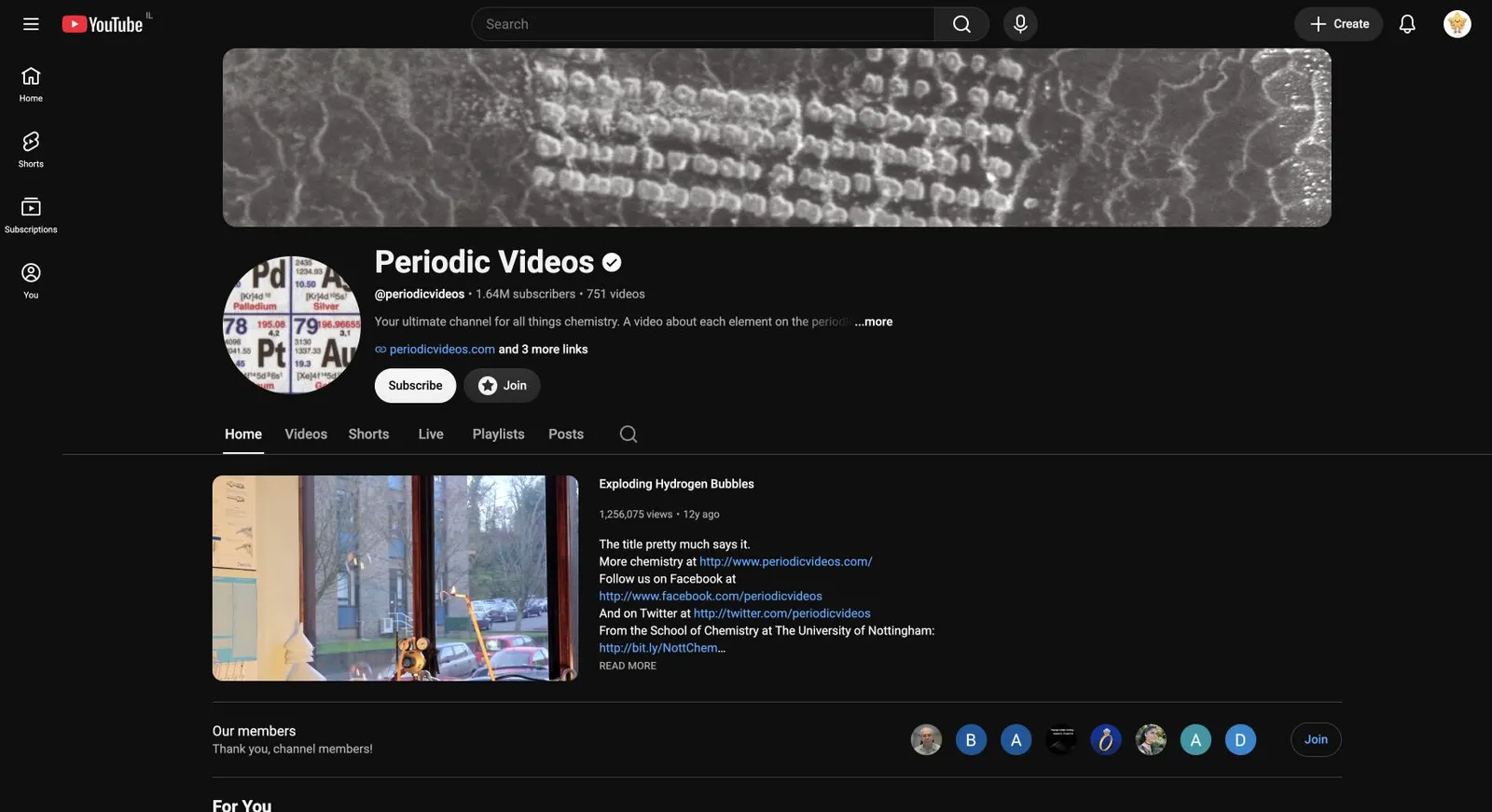
Periodic Videos
Chemistry demonstrations and element-by-element explorations from the University of Nottingham’s official chemistry channel. It is listed under Science, Maker & DIY, and Technology for ages 11–18. Children and families can use it through a YouTube channel.
Science Buddies
Hands-on science and engineering project ideas, experiment guides, and teacher resources for home and school. It is listed under Science, Technology, and Maker & DIY for ages 8–18. Children and families can use it through a website and downloadable resources.
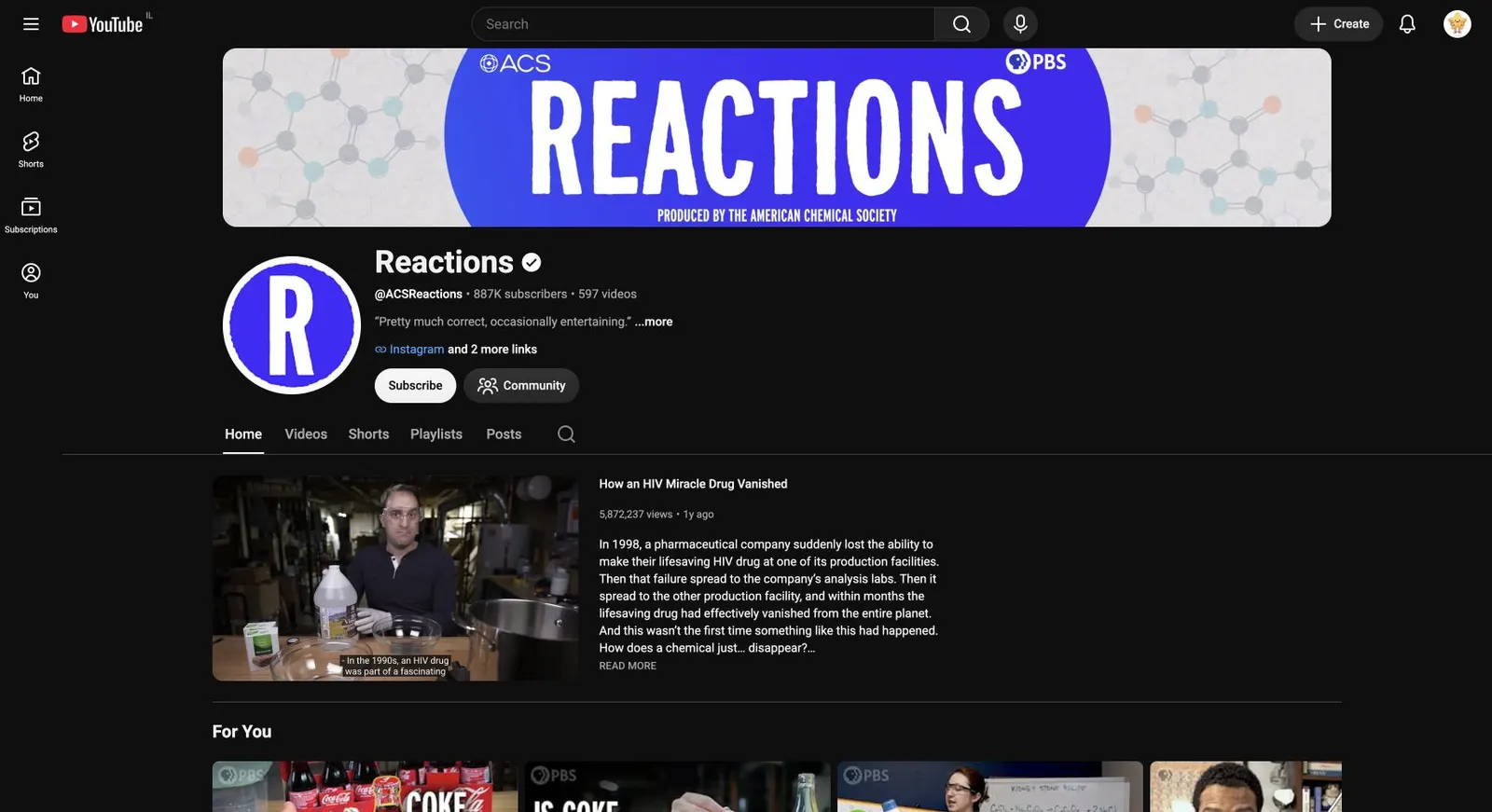
Reactions
American Chemical Society and PBS science videos connecting chemistry to food, materials, medicine, technology, and everyday life. It is listed under Science, Maker & DIY, and Technology for ages 12–18. Children and families can use it through a YouTube channel.
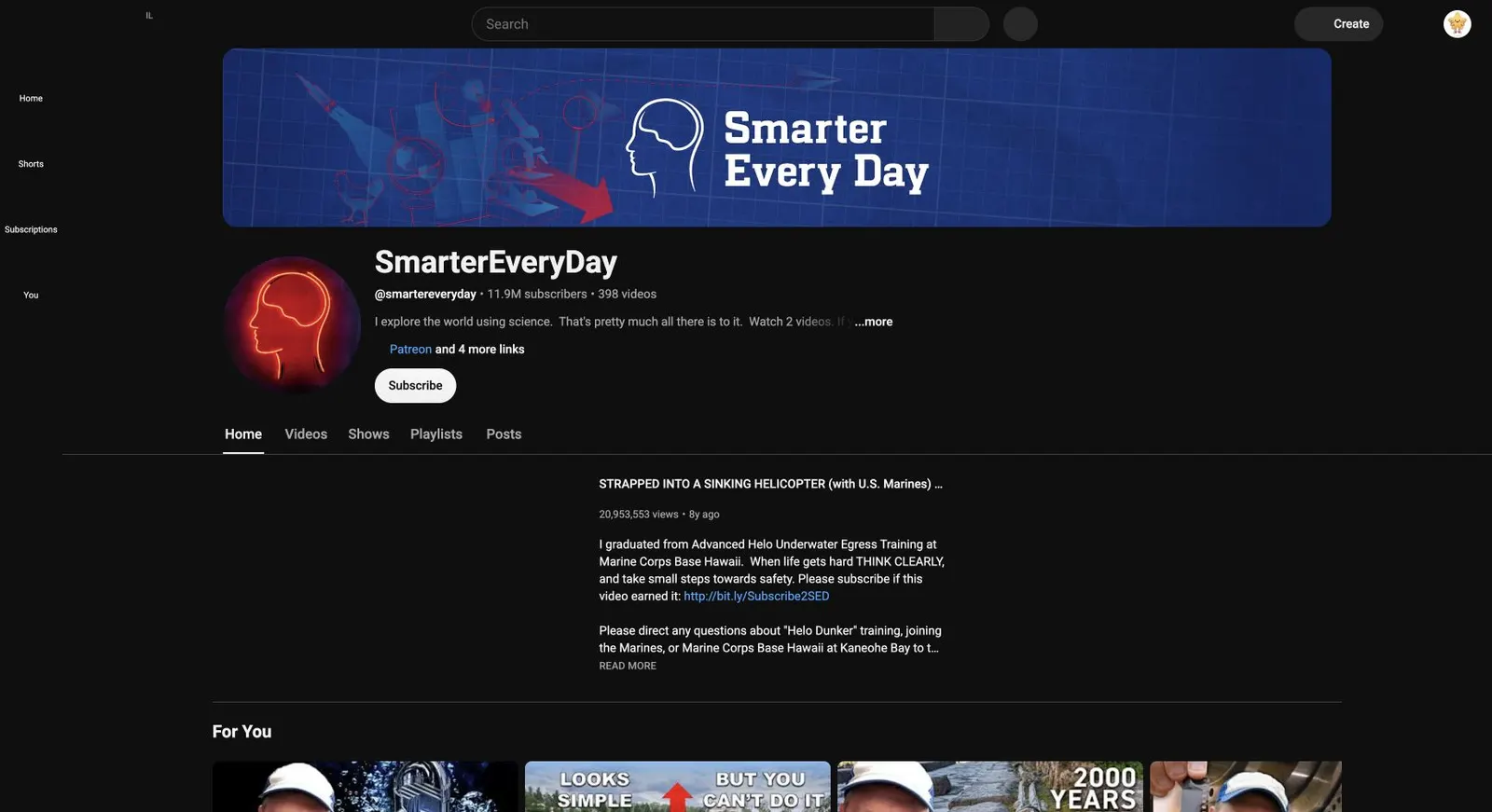
SmarterEveryDay
Curiosity-driven science and engineering videos that investigate how the world works through experiments and observation. It is listed under Science, Engineering, and Nature & environment for ages 10–18. Children and families can use it through a YouTube channel.
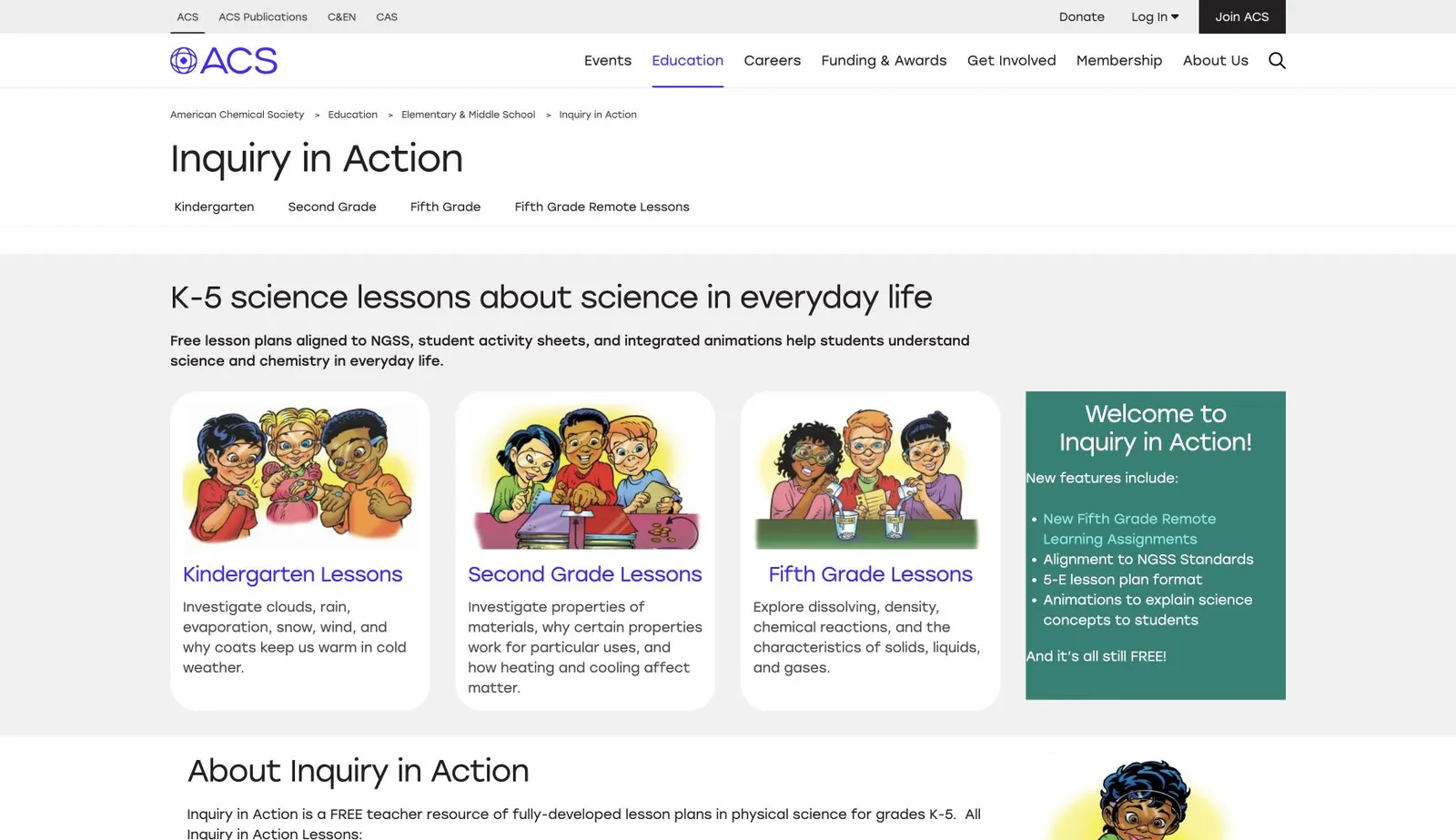
Inquiry in Action
Free K-5 physical science lesson plans, student activity sheets, animations, and hands-on investigations from the American Chemical Society. It is listed under Science, Parent & educator, and Technology for ages 5–11. Children and families can use it through a website and downloadable resources.
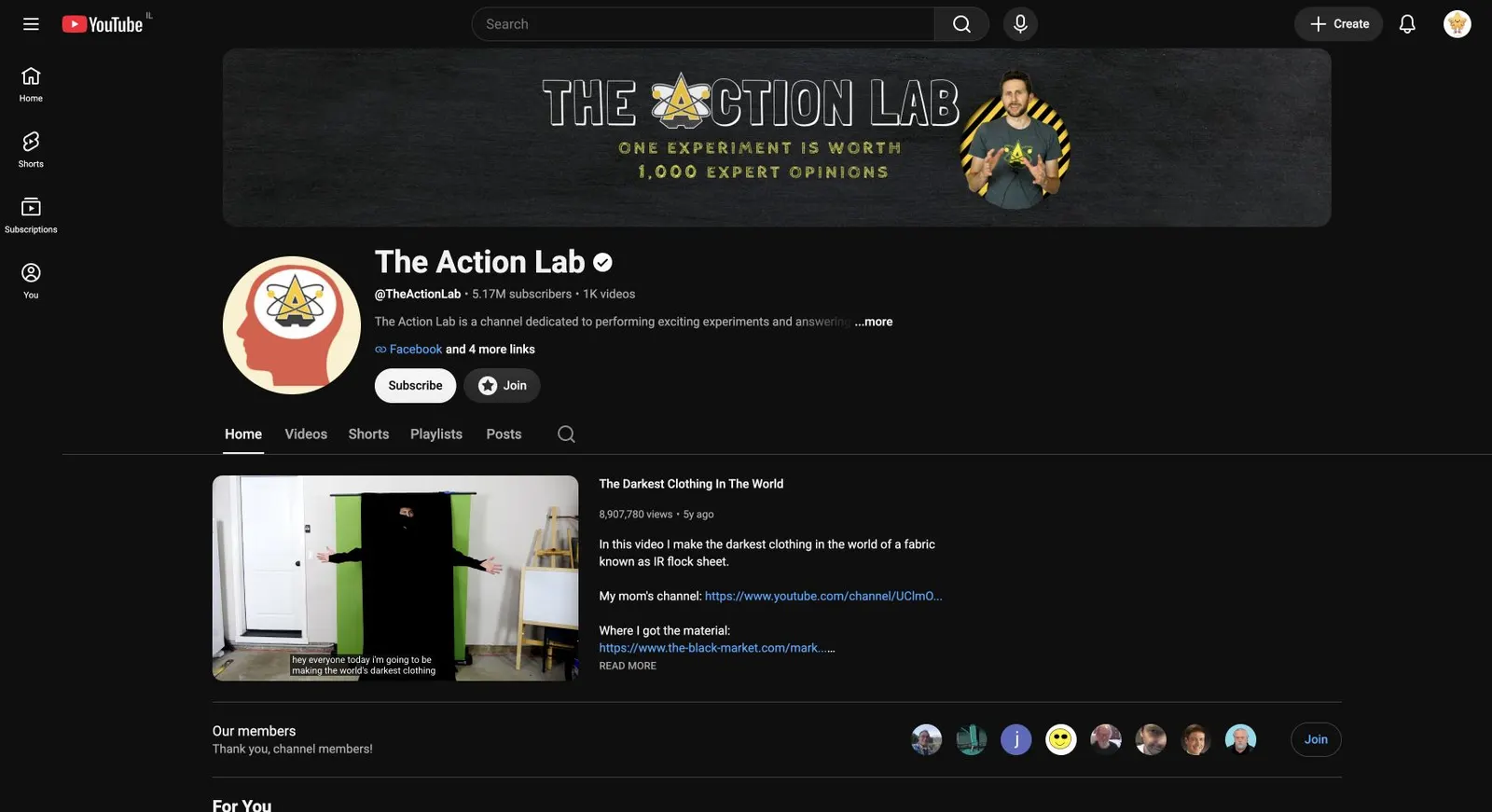
The Action Lab
Hands-on demonstrations and experiments exploring materials, physics, chemistry, light, motion, and surprising everyday science. It is listed under Science, Maker & DIY, and Engineering for ages 9–16. Children and families can use it through a YouTube channel.
Franklin Institute Science and Education
Science activities, engineering ideas, youth programs, videos, and classroom resources from The Franklin Institute. It is listed under Science, Technology, and History & culture for ages 6–18. Children and families can use it through a website and downloadable resources.
Compare with context
Use this collection to find a direction, then open each resource page before sharing it with a child. The individual review shows languages, access formats, tags, age guidance, source links, and notes for grown-ups.
Search the full directory →