Social-emotional learning websites
for kids
Explore 20 trusted social-emotional learning websites selected for curious kids, with clear ages, access details, and parent context.
Two useful ways to narrow the directory
This page brings together social-emotional learning resources that also match websites. Each listing keeps its own age range, platform details, languages, links, and parent notes, so you can compare options without losing context.
Explore all social-emotional learning resources →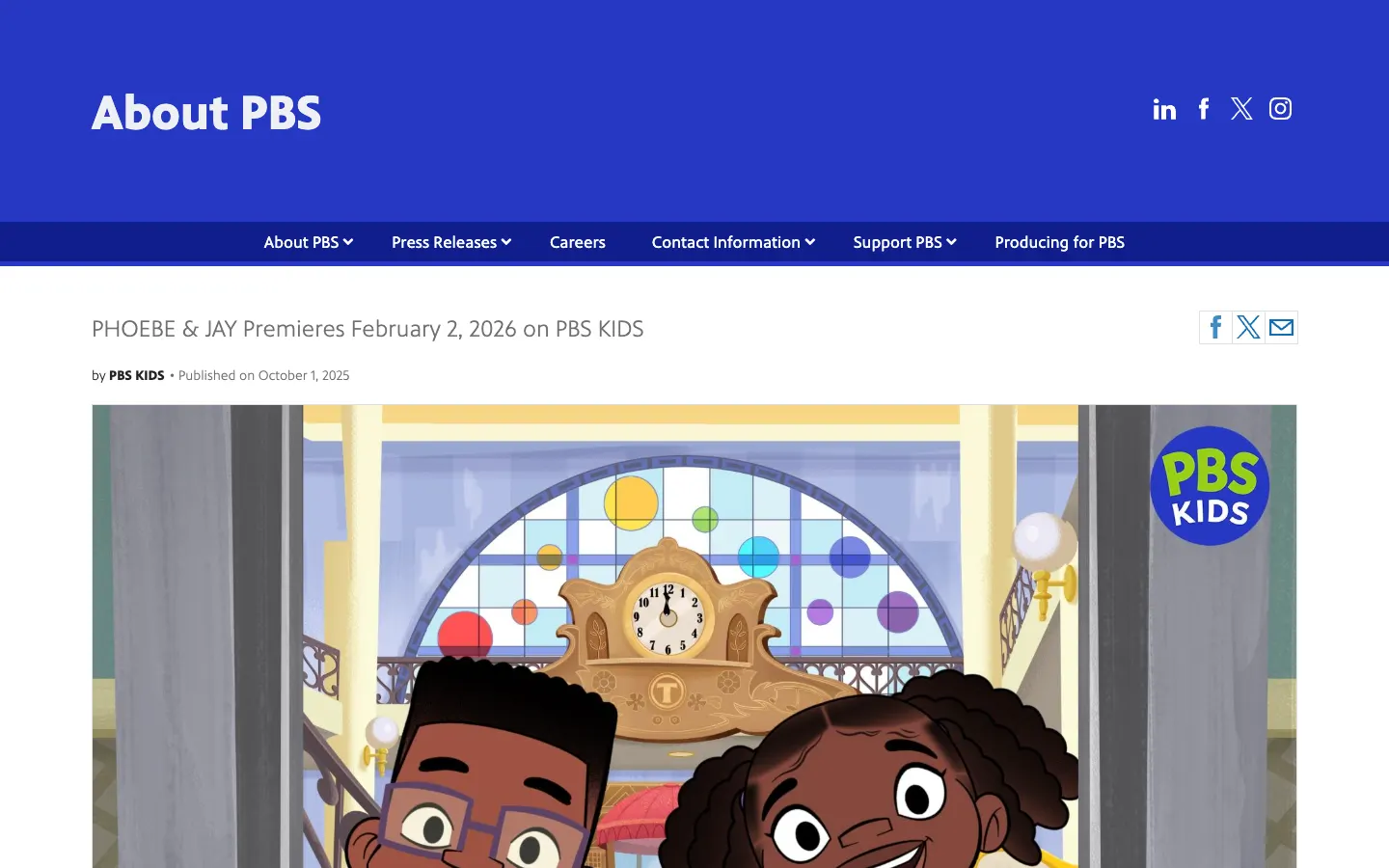
Phoebe & Jay
Phoebe & Jay is a PBS KIDS literacy-focused animated series for ages 3–5 that helps preschoolers use everyday texts such as labels, signs, posters, and charts. It is listed under Reading and Early learning for ages 3–5.
Read the full resource review →More social-emotional learning picks
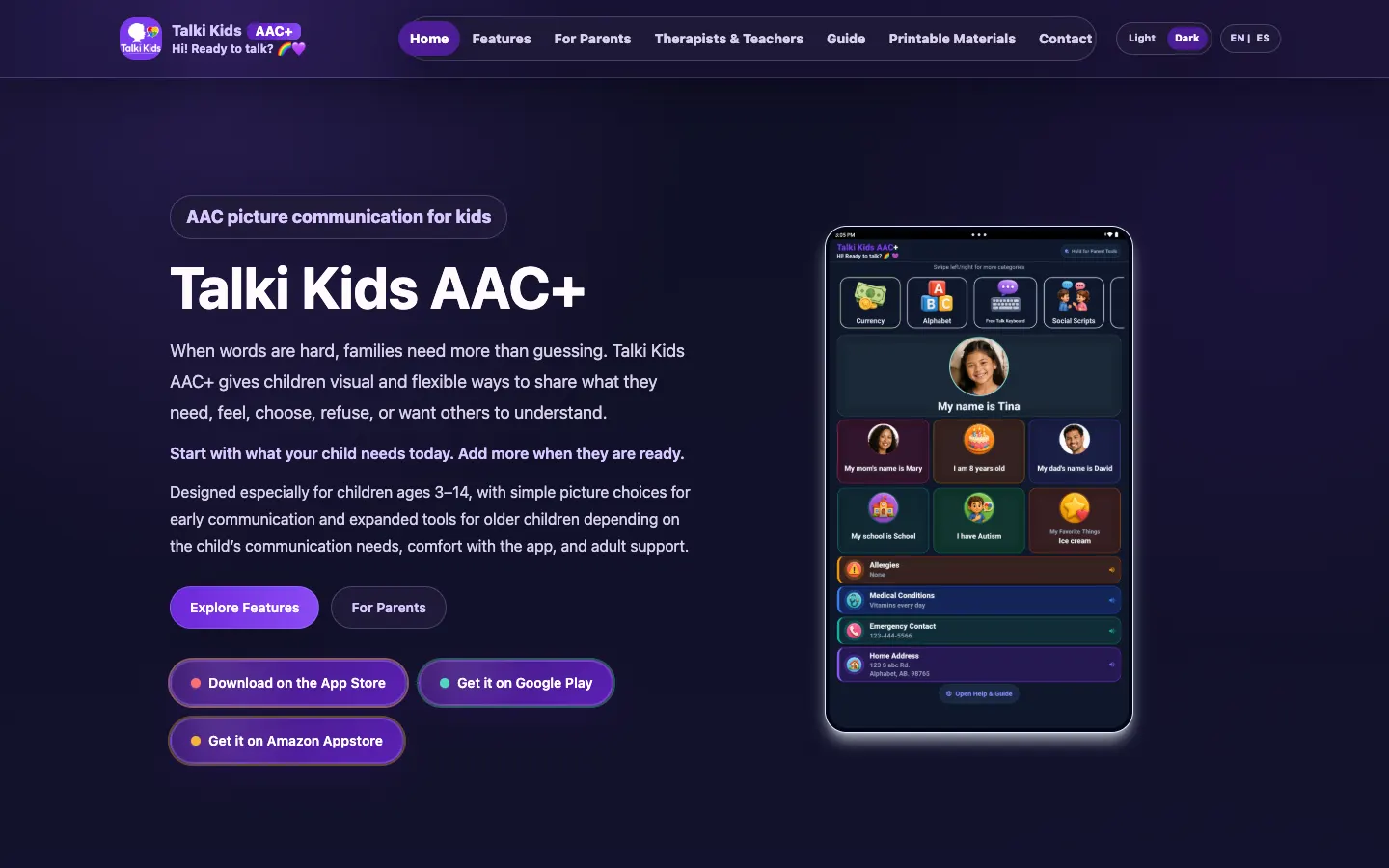
Talki Kids AAC+
Talki Kids AAC+ is an augmentative and alternative communication app for children ages 3–14, offering visual choices, speech output, social scripts, printable materials, and parent and therapist guidance. It is listed under Language and Social-emotional learning for ages 3–14.
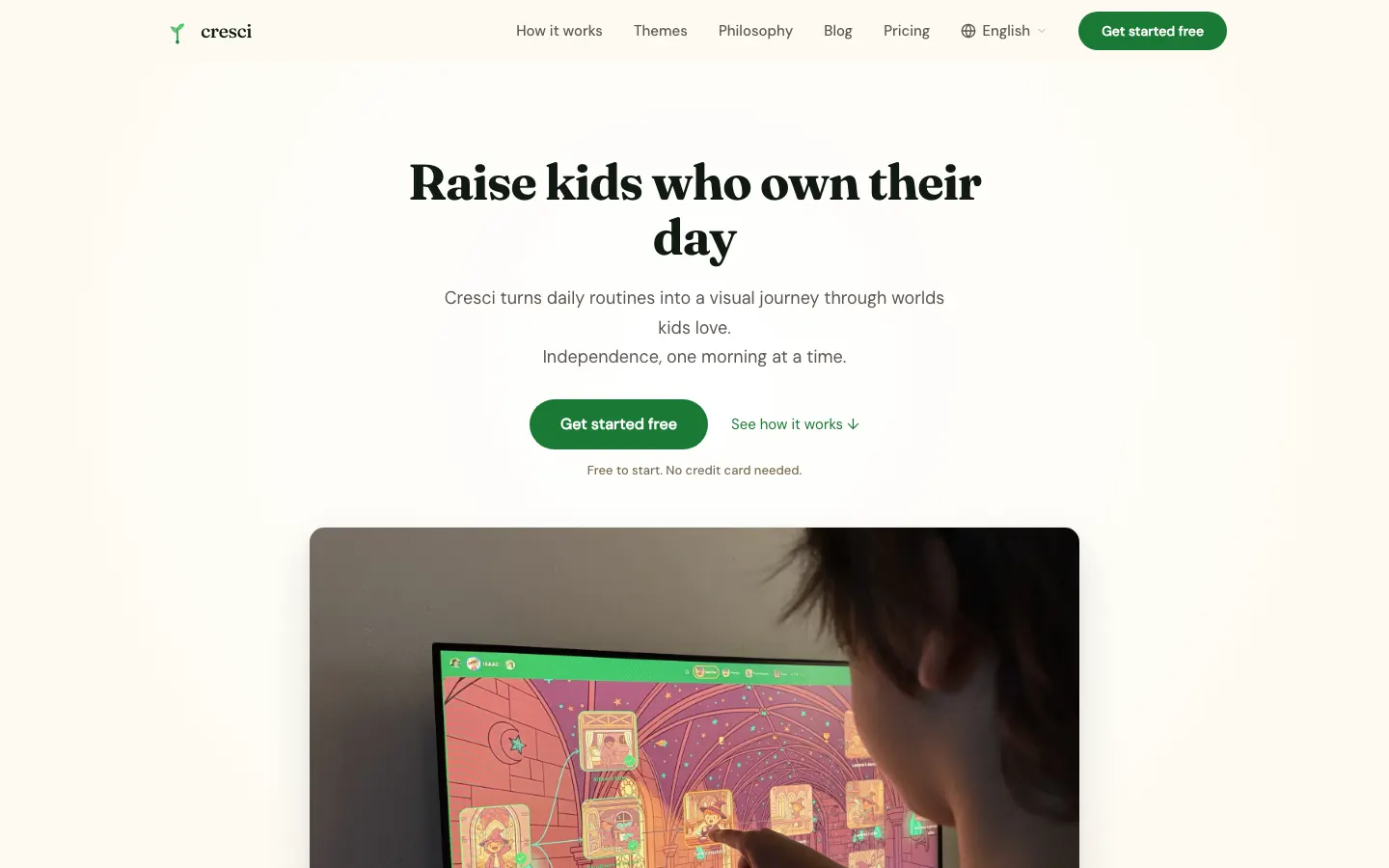
Cresci
Cresci is a visual routine app for children that turns everyday tasks into an illustrated journey, helping children practise independence while caregivers set and review routines. It is listed under Early learning and Social-emotional learning for ages 4–12.
God’s Kids
God’s Kids is a named children’s curriculum from RightNow Kids for churches and families, with age-banded Bible teaching, videos, activities, and leader resources. It is listed under Faith & values and Social-emotional learning for ages 3–12; curriculum-specific.
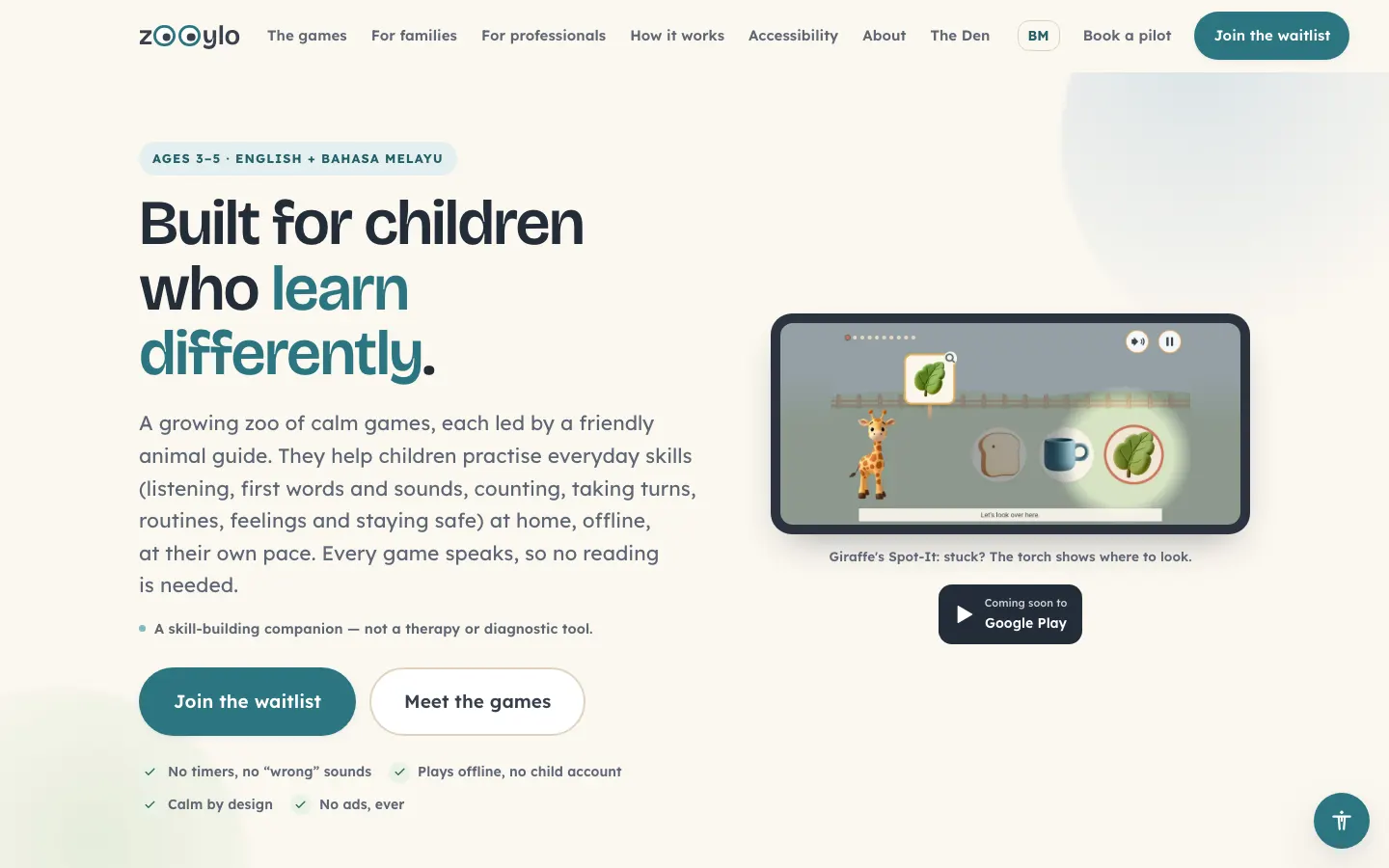
Zooylo
Zooylo is a calm skill-building app for children who learn differently, with spoken games for listening, first words, counting, routines, feelings, and everyday safety. It is listed under Early learning and Social-emotional learning for ages 3–5.
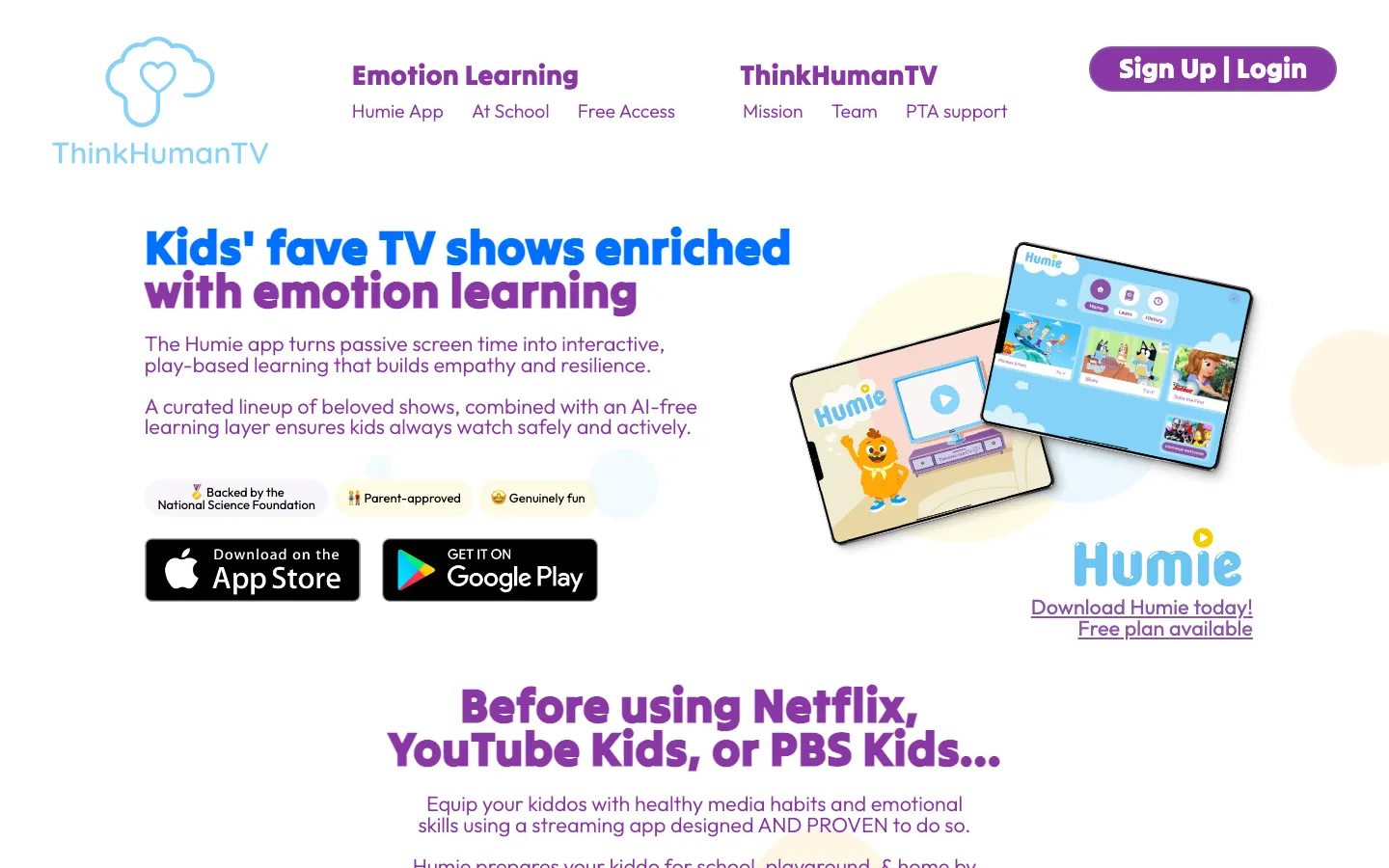
Humie
Humie is an interactive emotion-learning media app from ThinkHumanTV that uses stories and activities to help children notice and talk about feelings. It is listed under Social-emotional learning and Media for ages Children and families.
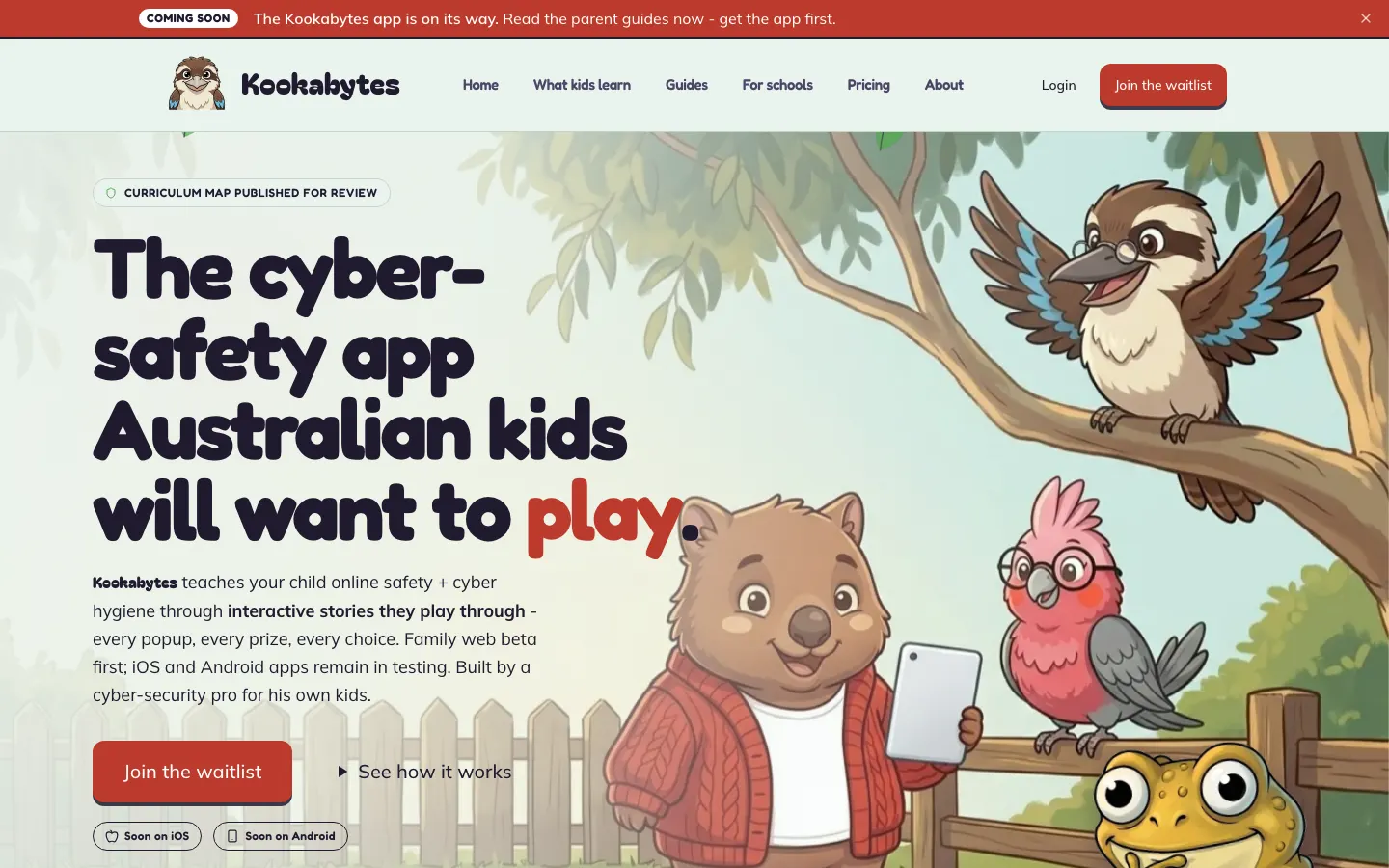
Kookabytes
Kookabytes is an Australian cyber-safety learning app for ages 5–12 that teaches online safety and cyber hygiene through short interactive stories, choices, and games. It is listed under Digital citizenship and Social-emotional learning for ages 5–12.
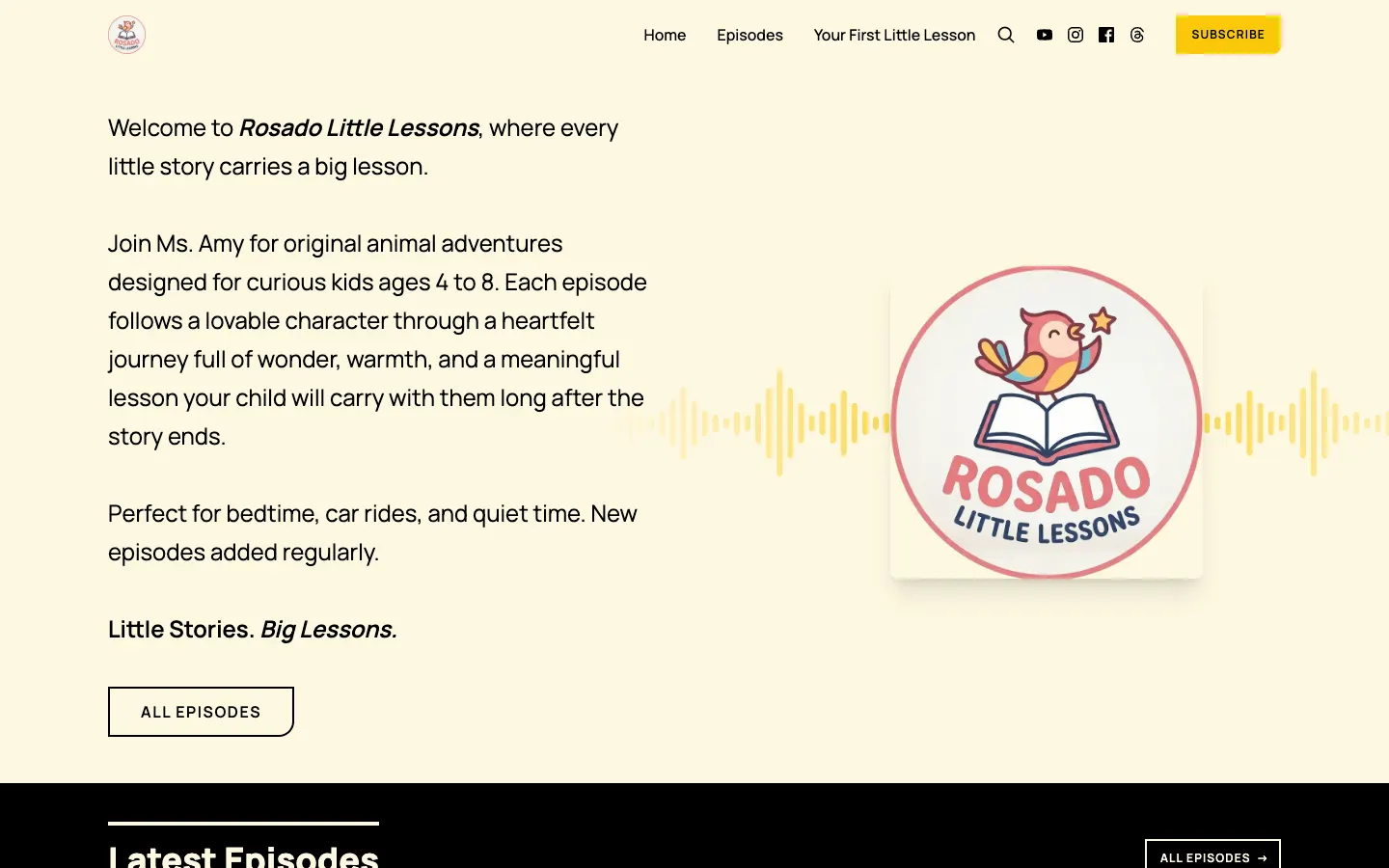
Rosado Little Lessons
Rosado Little Lessons is a free story podcast for ages 4–8, with short original animal adventures designed to prompt conversations about kindness, courage, honesty, and friendship. It is listed under Reading and Social-emotional learning for ages 4–8.
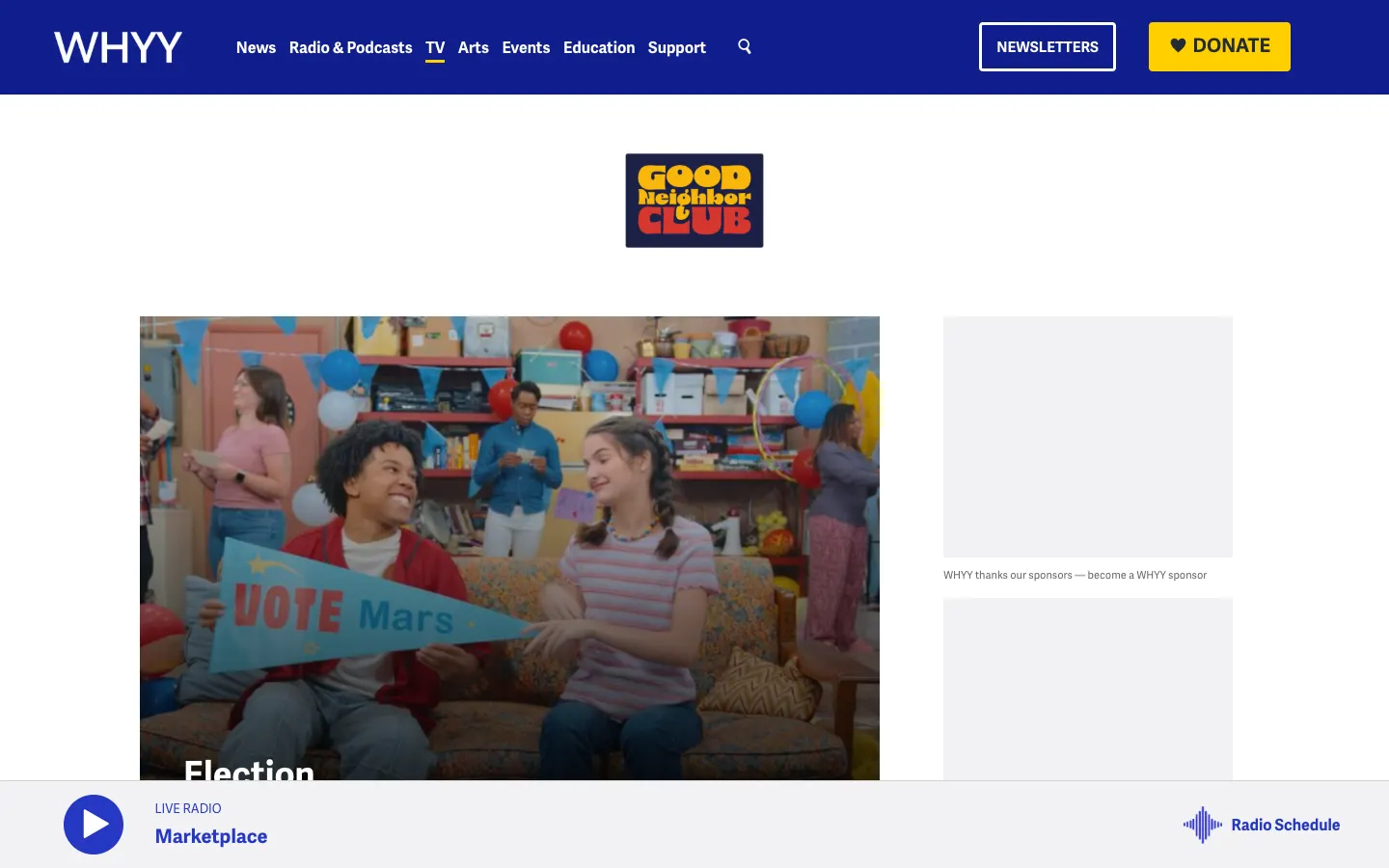
Good Neighbor Club
Good Neighbor Club is a WHYY Kids public-media series that helps children notice community needs, think through everyday problems, and take positive action in their neighborhoods. It is listed under Social-emotional learning and Parent & educator for ages Children; episode suitability varies.
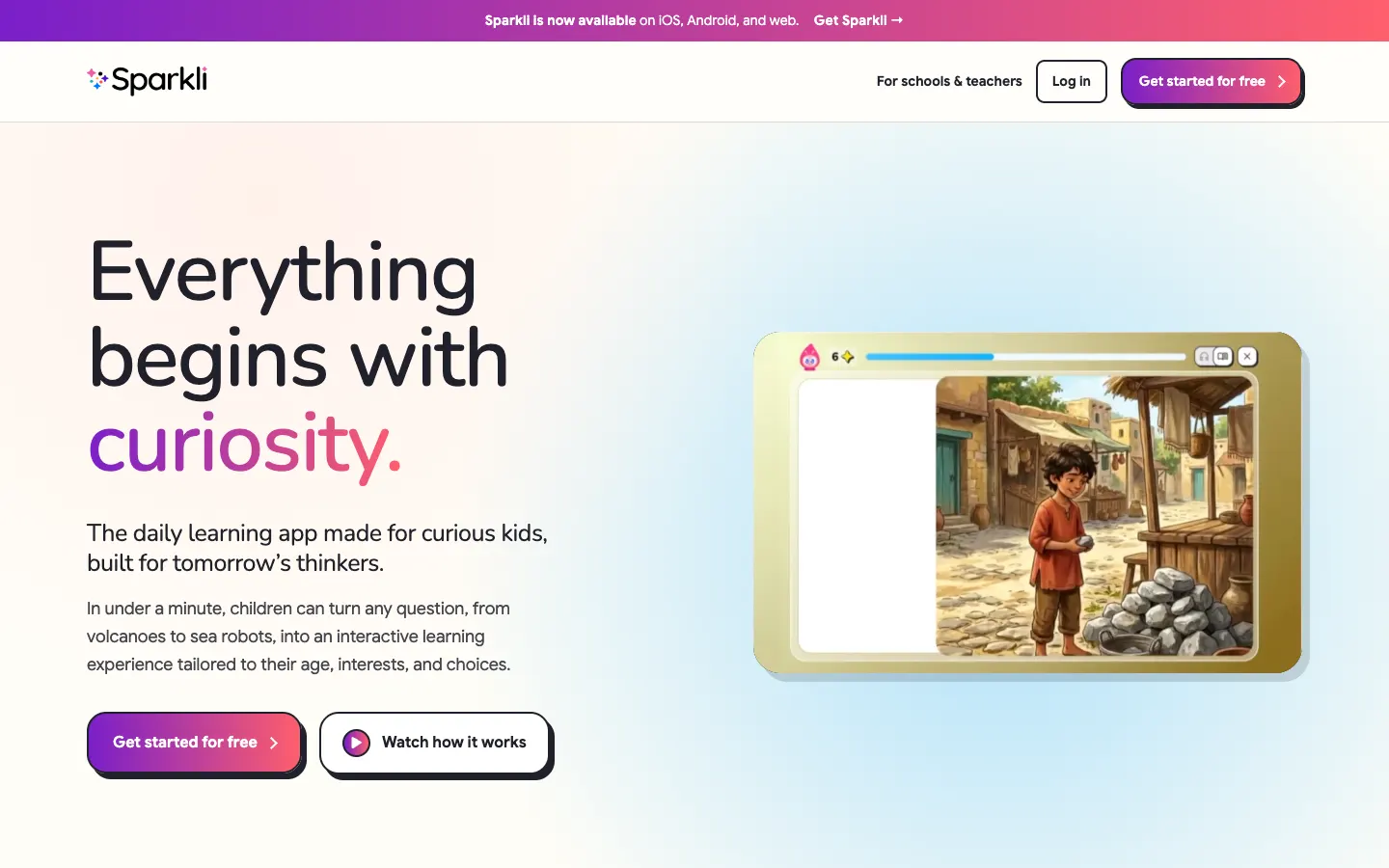
Sparkli: Learning Adventures
Sparkli is a daily curiosity app for children that turns questions about the world into short interactive learning expeditions tailored to a child’s age, interests, and choices. It is listed under Science and Social-emotional learning for ages 5–12.
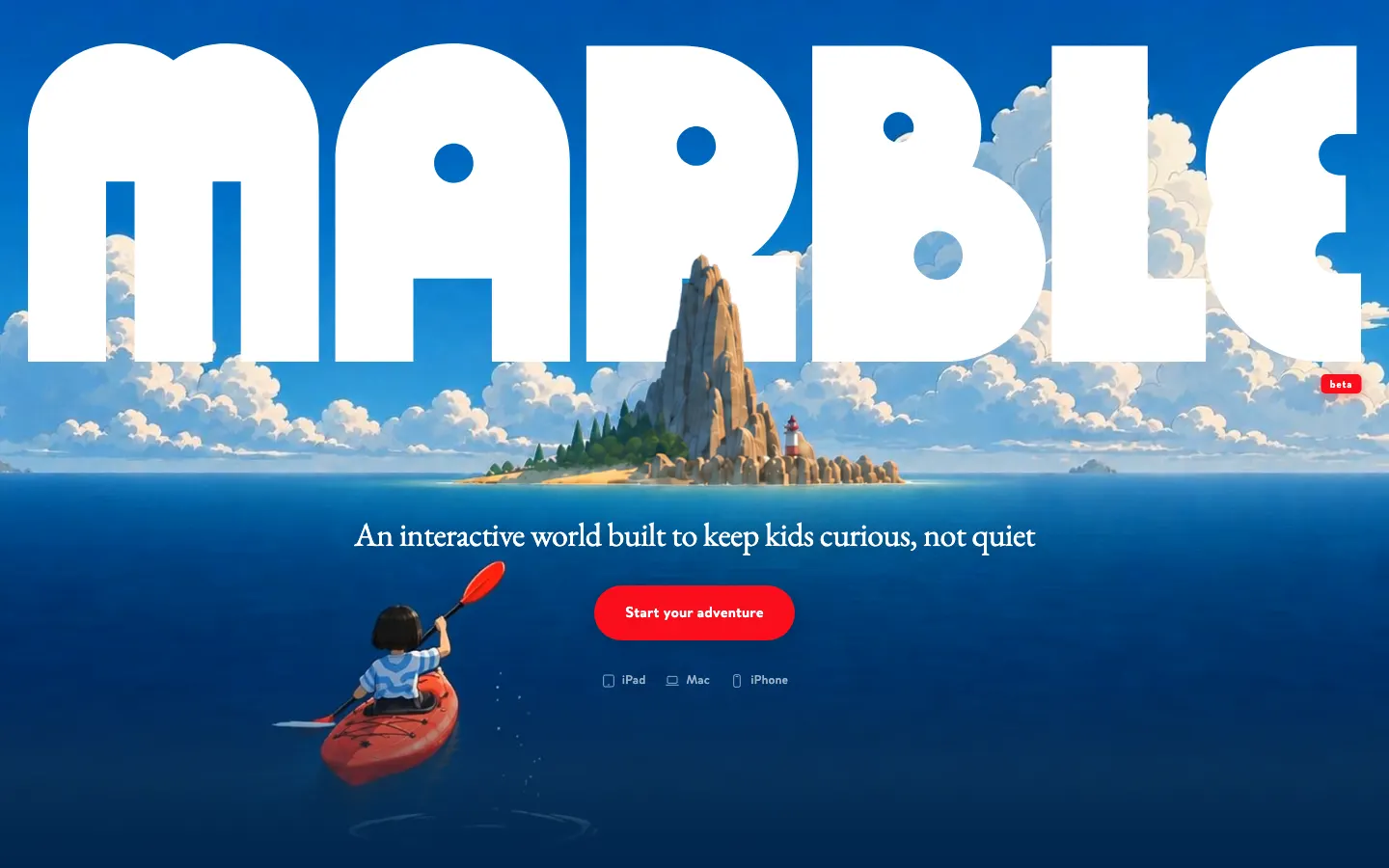
Marble
Marble is an interactive learning world for curious children ages 6–12, designed around making, asking, guessing, and exploring science and social-skills ideas through play. It is listed under Science and Games for ages 6–12.
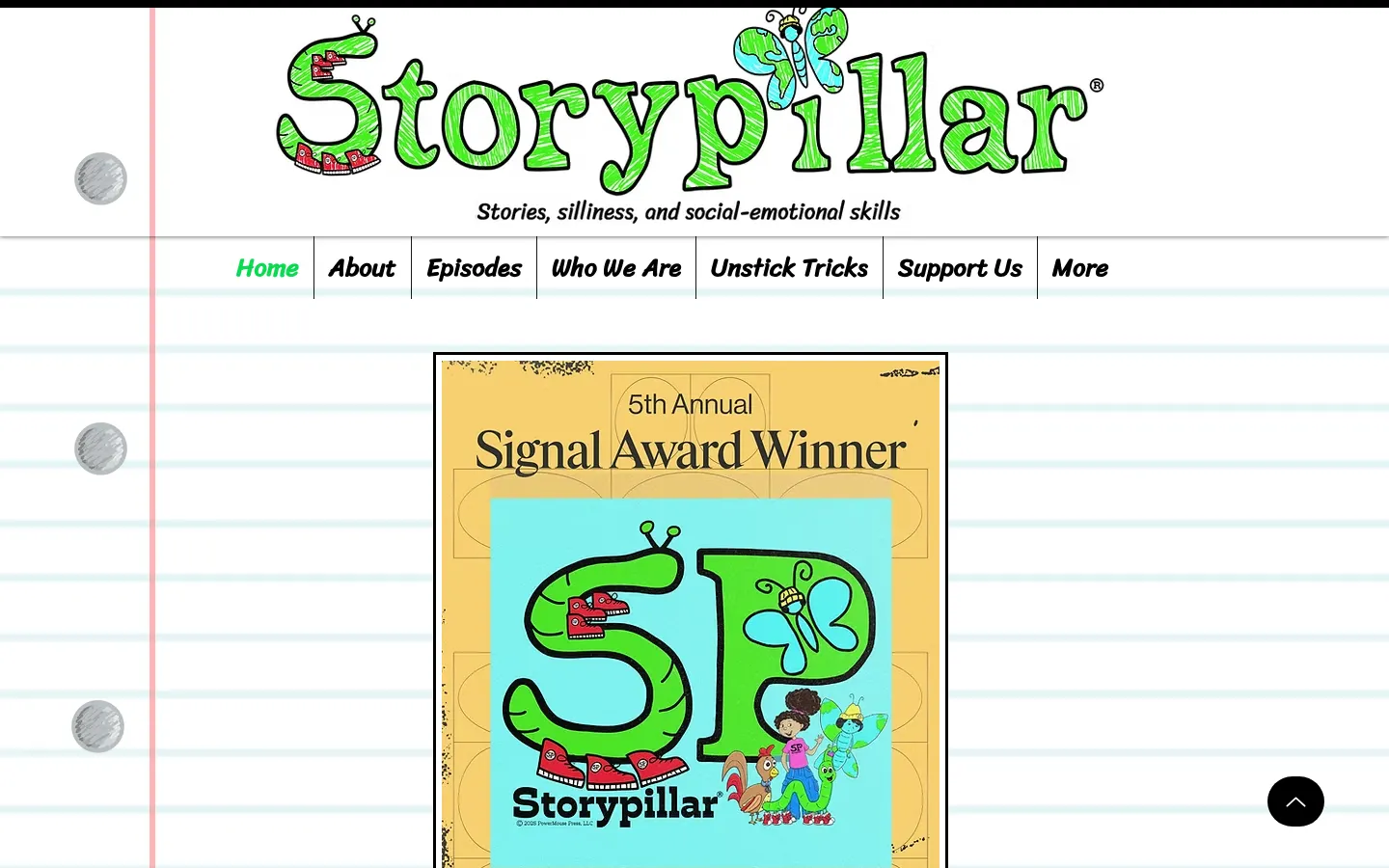
Storypillar
A kids podcast that uses funny stories, cultural exploration, and social-emotional situations to help children talk about feelings, choices, and relationships. It is listed under Language, Social-emotional learning, and Podcasts for ages 5–8. Children and families can use it through a website and a podcast.
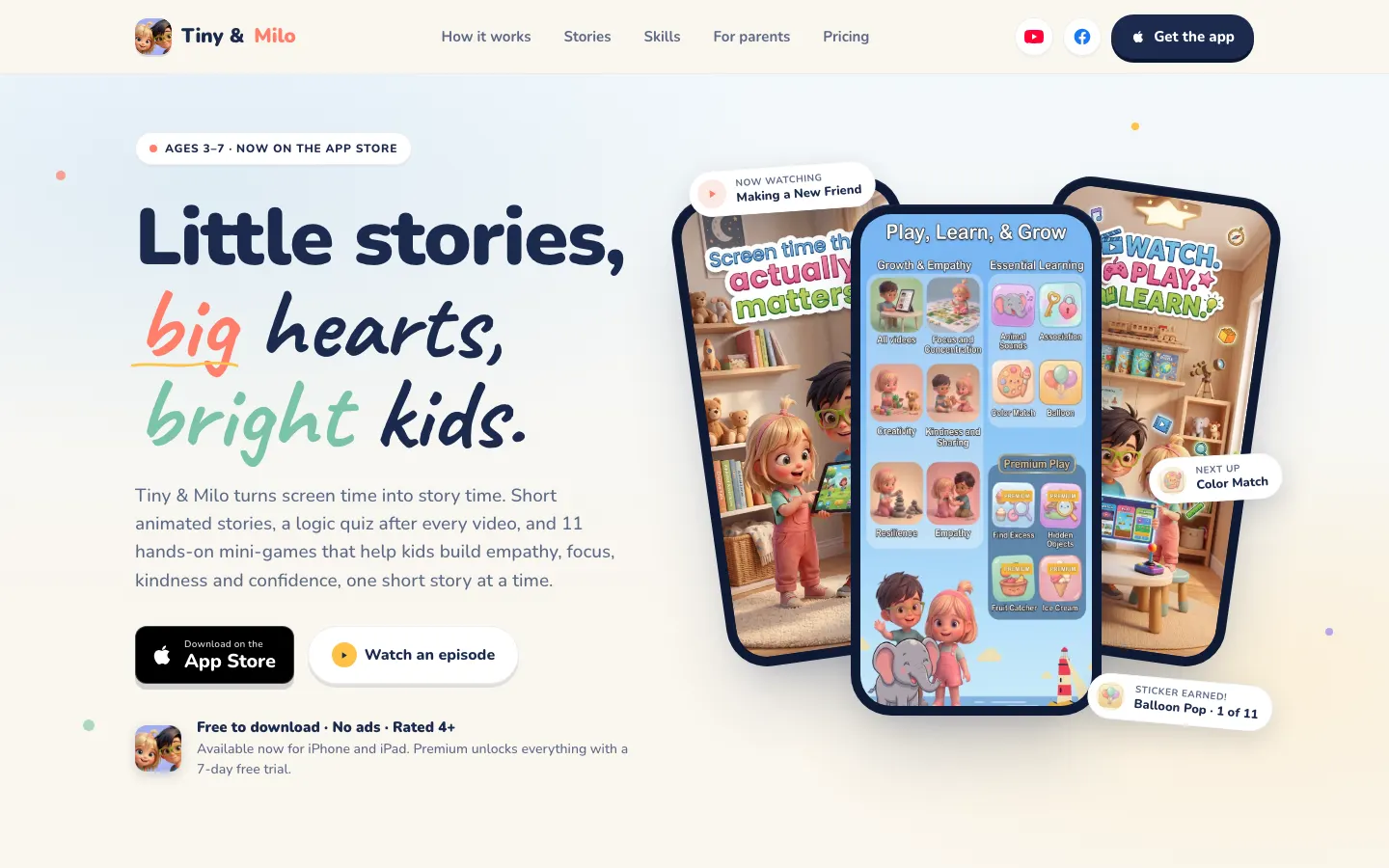
Tiny & Milo
Tiny & Milo is a story-led app for ages 3–7 pairing short narrated animated stories with picture quizzes and mini-games about empathy, curiosity, emotional skills, teamwork, and confidence. It is listed under Social-emotional learning and Early learning for ages 3–7.
Compare with context
Use this collection to find a direction, then open each resource page before sharing it with a child. The individual review shows languages, access formats, tags, age guidance, source links, and notes for grown-ups.
Search the full directory →