Reading Language
for kids
Explore 14 trusted reading language resources selected for curious kids, with clear ages, access details, and parent context.
Two useful ways to narrow the directory
This page brings together reading resources that also match language. Each listing keeps its own age range, platform details, languages, links, and parent notes, so you can compare options without losing context.
Explore all reading resources →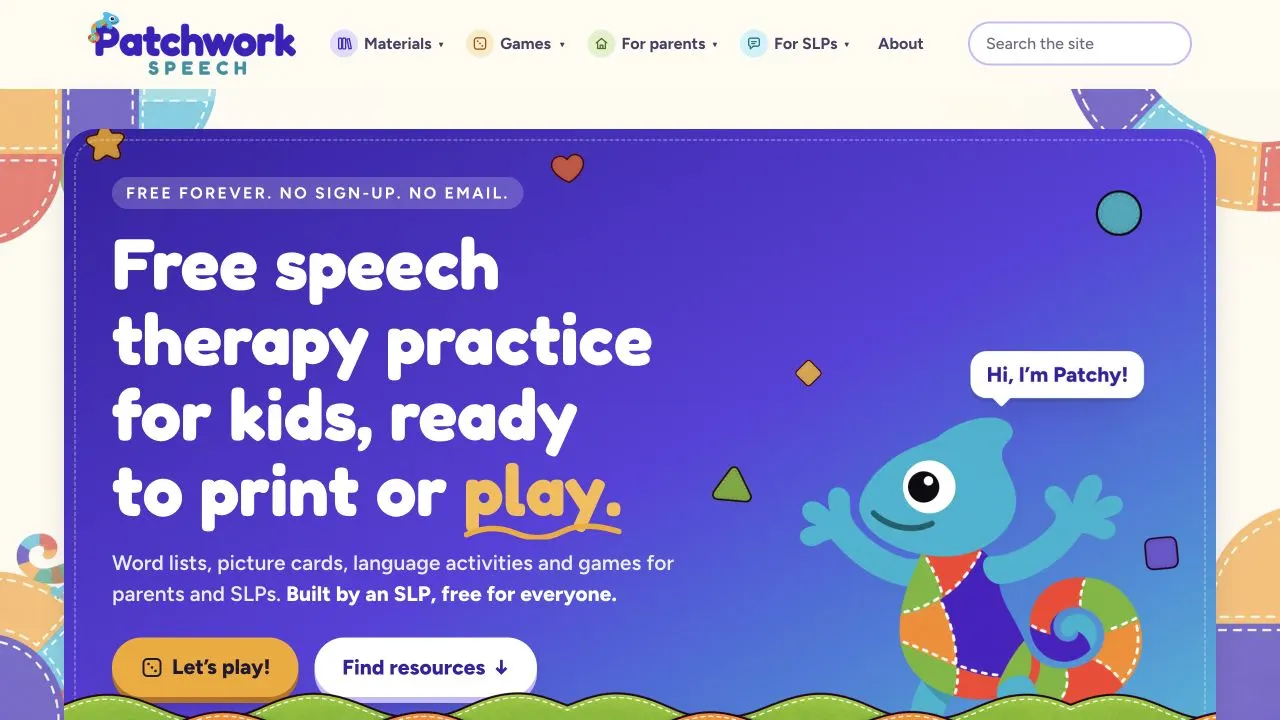
Patchwork Speech
Patchwork Speech is a free speech and language practice library created by an SLP, with word lists, picture cards, printable materials, early-reading activities, and browser games for families and speech-language professionals.
Read the full resource review →More reading picks
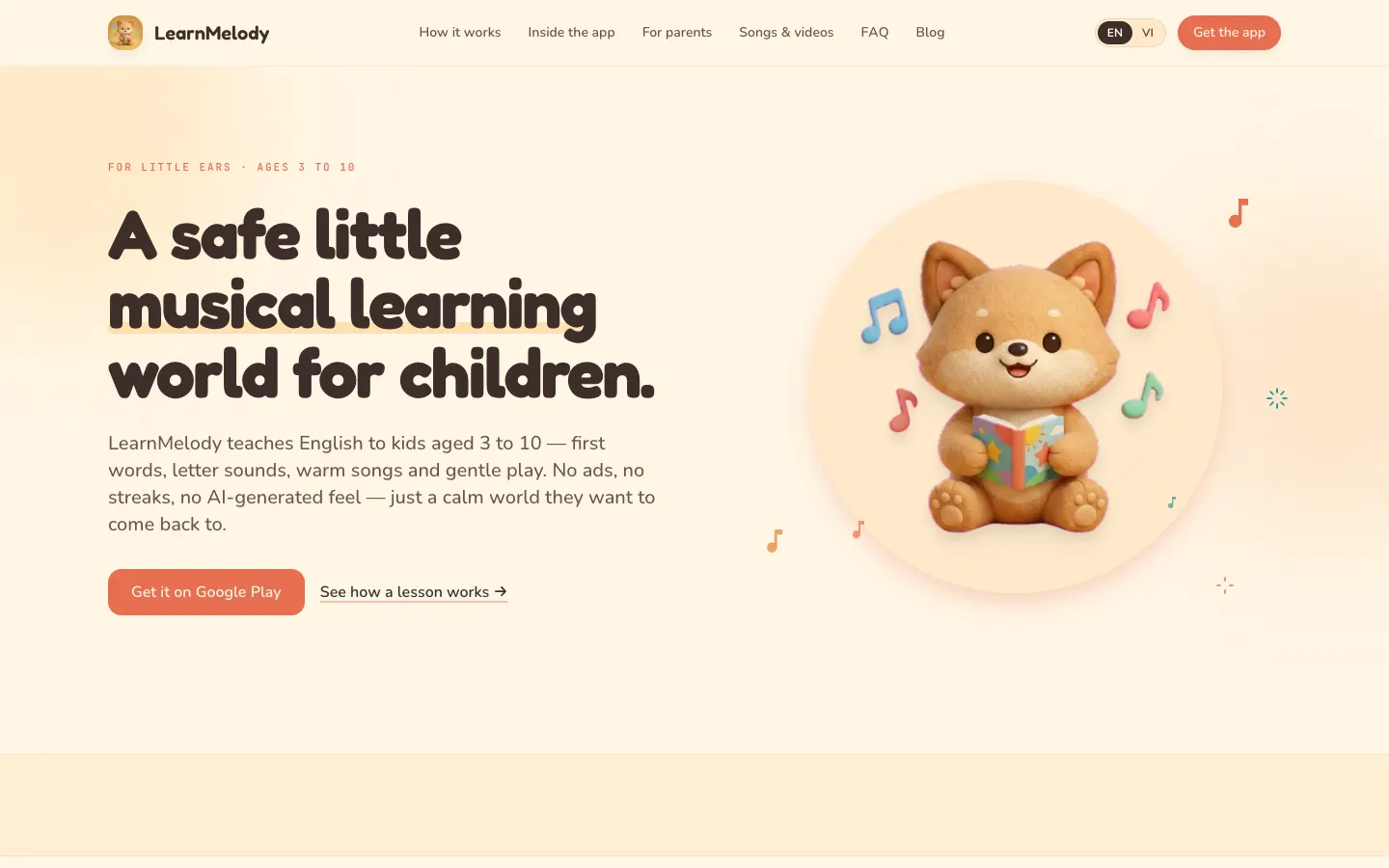
LearnMelody
LearnMelody is a gentle English-learning app for young children with first words, letter sounds, songs, nursery rhymes, and short stories. It is listed under Language and Reading for ages 2–8. Children and families can use it through a website.
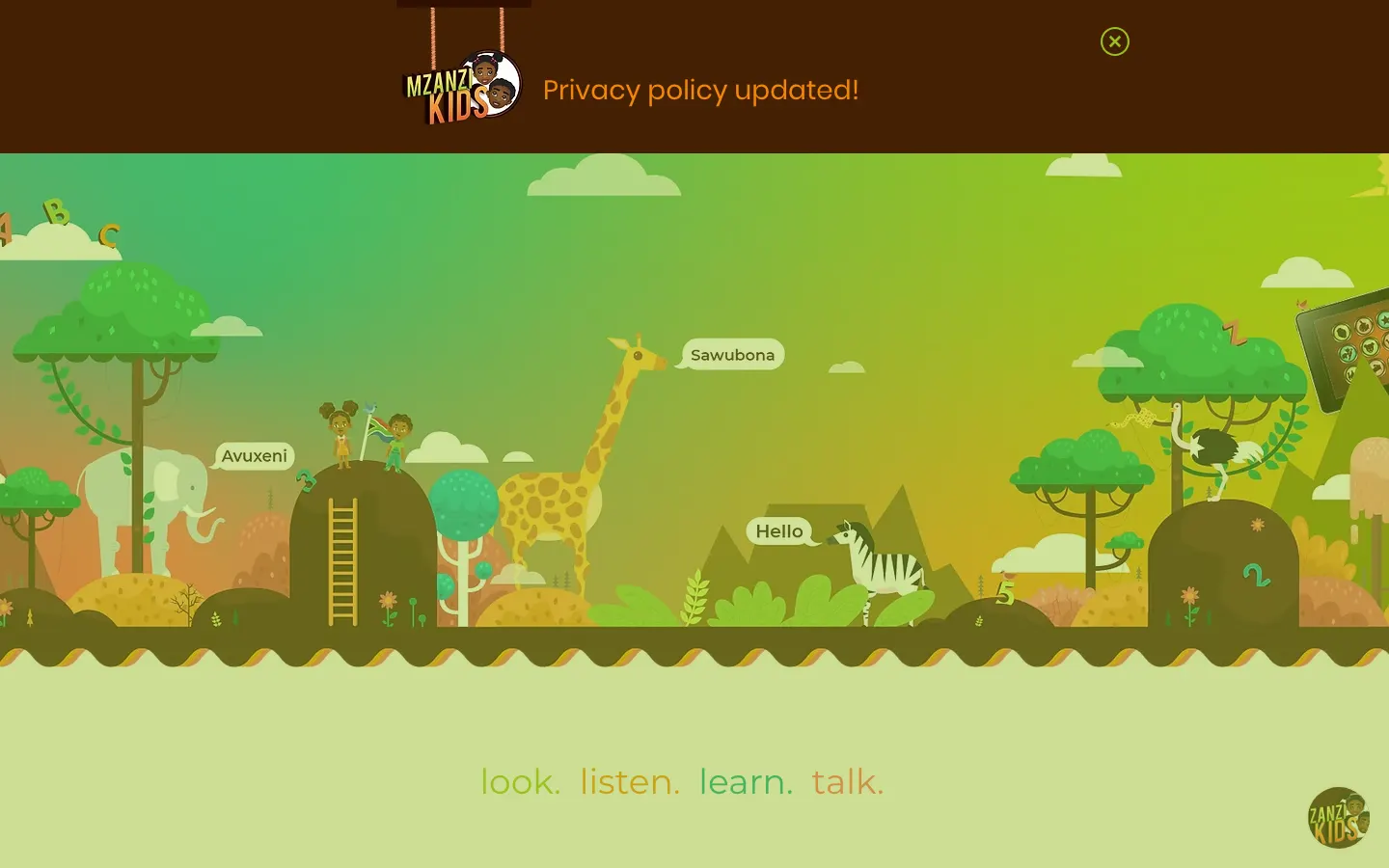
Mzanzi Kids
Mzanzi Kids is a multilingual early-learning app for South African children, using visual, speech, and pre-literacy activities across everyday themes. It is listed under Reading and Language for ages 2–6. Children and families can use it through a website and an iOS app.
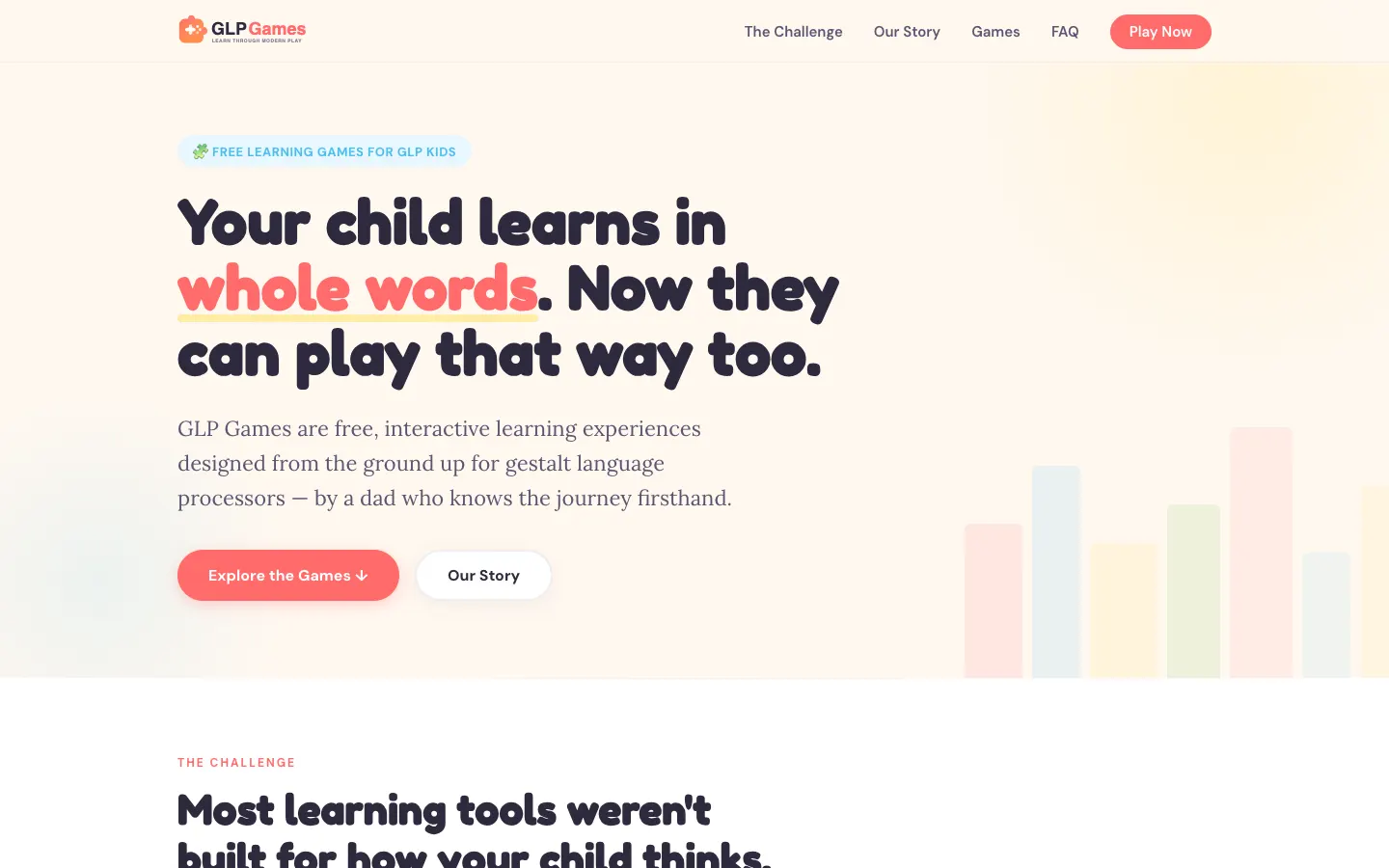
GLP Games
GLP Games offers touch-friendly browser activities for whole-word recognition and gestalt language processors, with short interactive experiences for early learners. It is listed under Reading and Language for ages 3–8. Children and families can use it through a website.
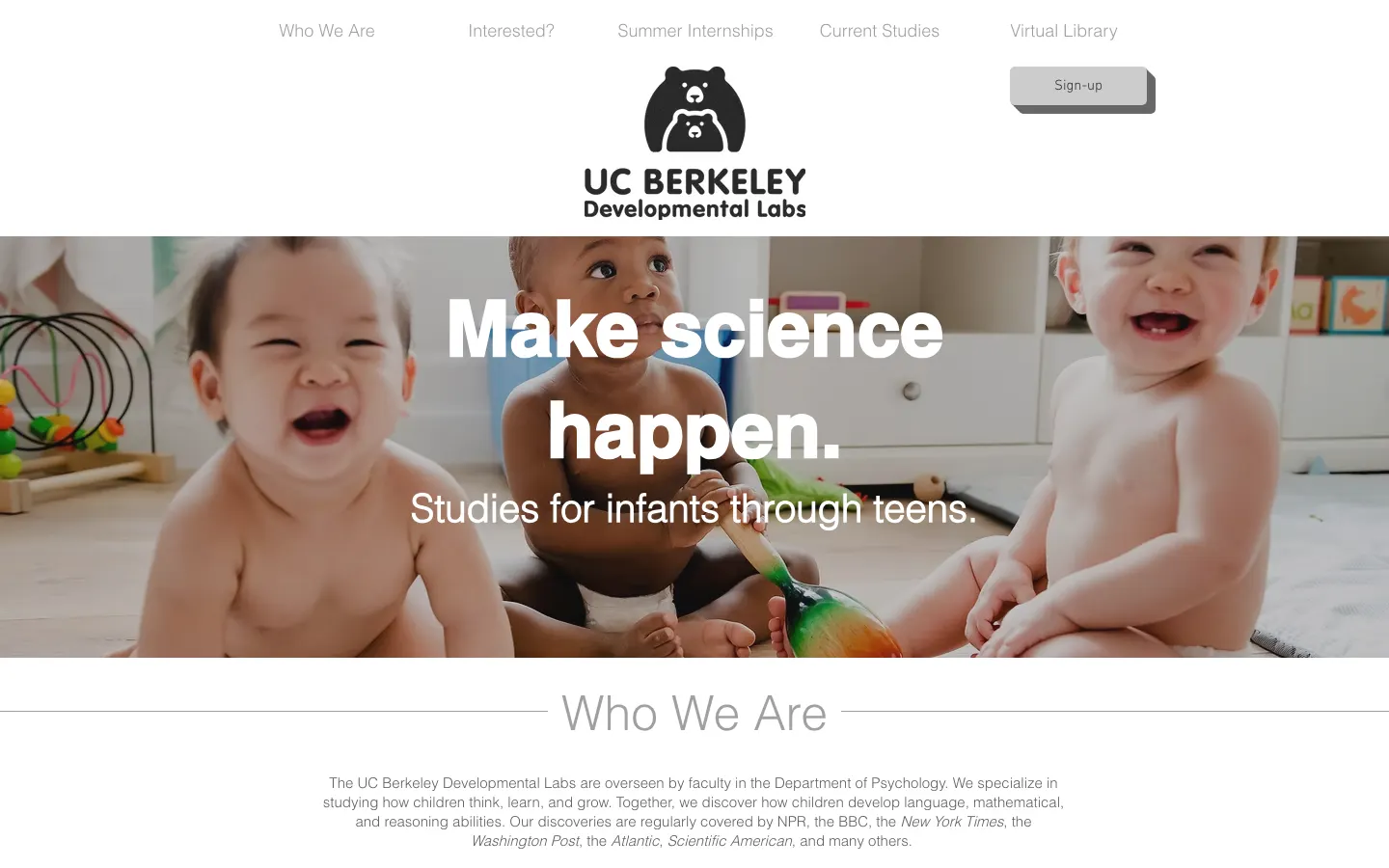
UC Berkeley Developmental Labs
UC Berkeley Developmental Labs invite families to participate in short studies and games about language, math, reasoning, memory, and child development from infancy through the teen years. It is listed under Science and Mathematics for ages Infants through teens.
Child’s Play Learning & Development Lab
The University of Delaware Child’s Play Learning & Development Lab studies how children learn and grow through play, language, memory, reasoning, and spatial development, with family participation opportunities. It is listed under Science and Reading for ages Infants through young children.
UW Language, Cognition, and Development Lab
The University of Washington Language, Cognition, and Development Lab studies children’s language, memory, and reasoning through interactive games and family participation. It is listed under Reading and Science for ages Children. Children and families can use it through a website.
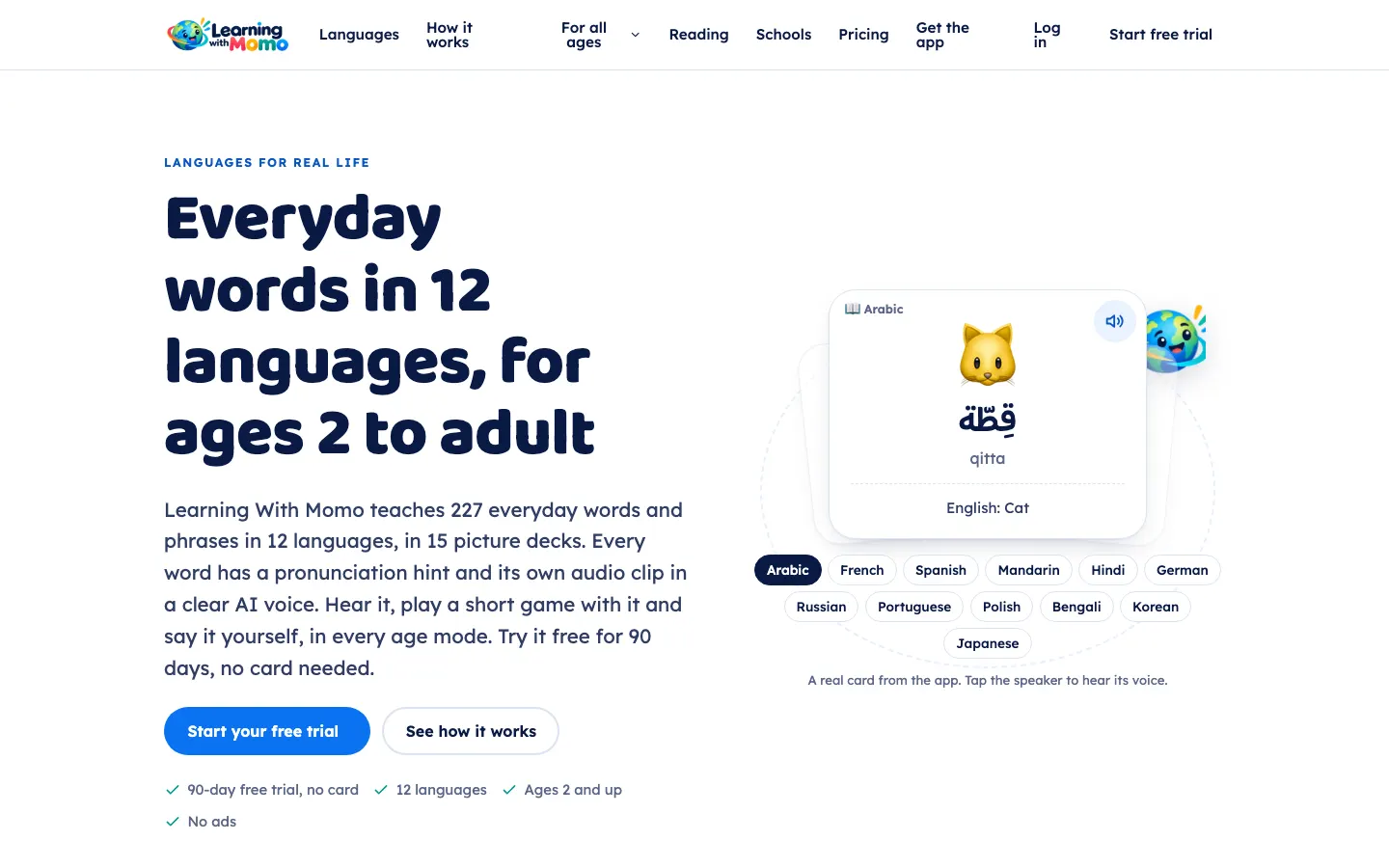
Learning With Momo
Learning With Momo is a multilingual web app with picture decks, pronunciation audio, games, and age modes from Little Explorer through Big Kid. It is listed under Language and Reading for ages 2–12+. Children and families can use it through a website.
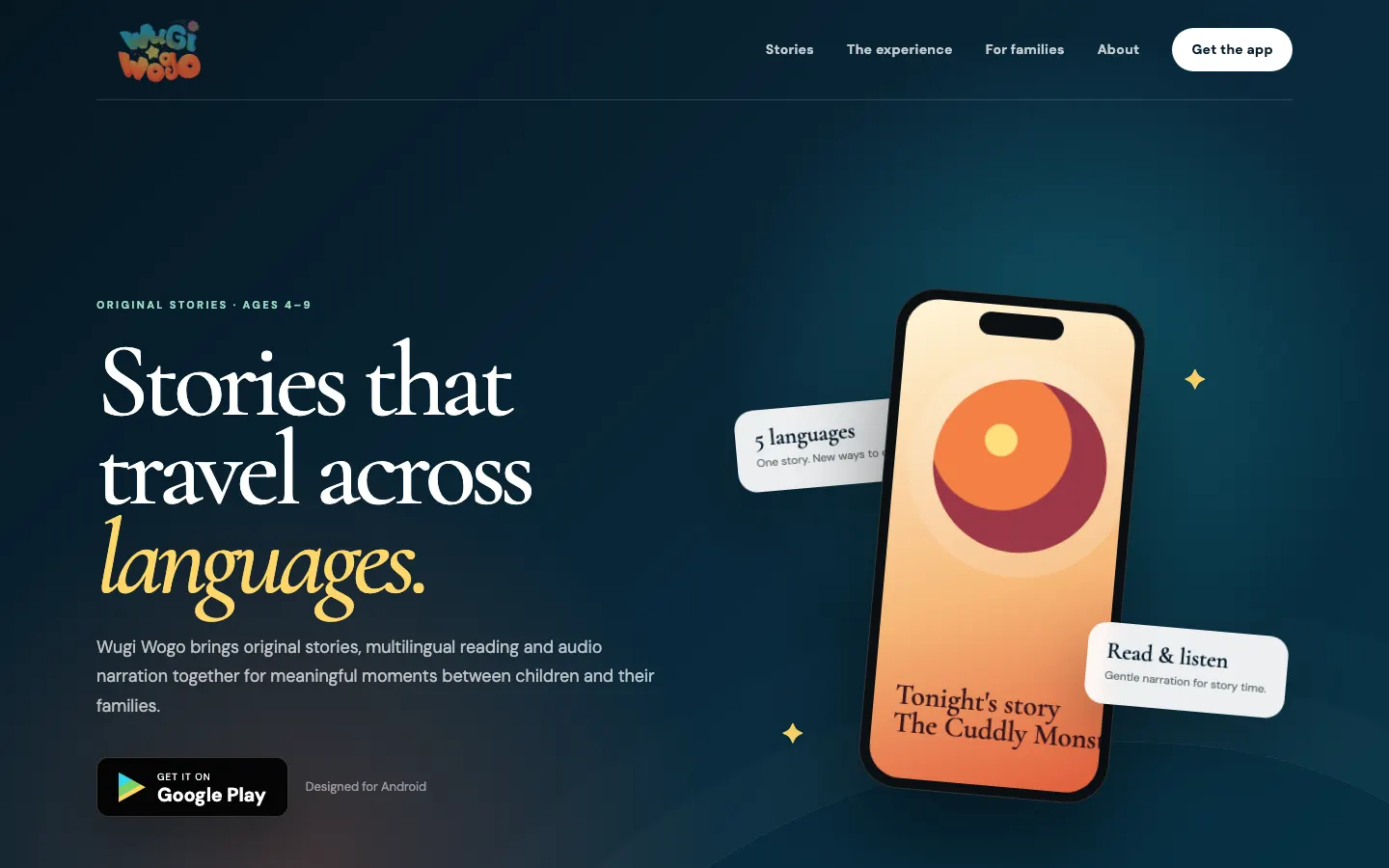
Wugi Wogo
Wugi Wogo is a multilingual story platform for children with narrated stories, listening activities, and language exposure across several languages. It is listed under Reading and Language for ages 4–9. Children and families can use it through a website.
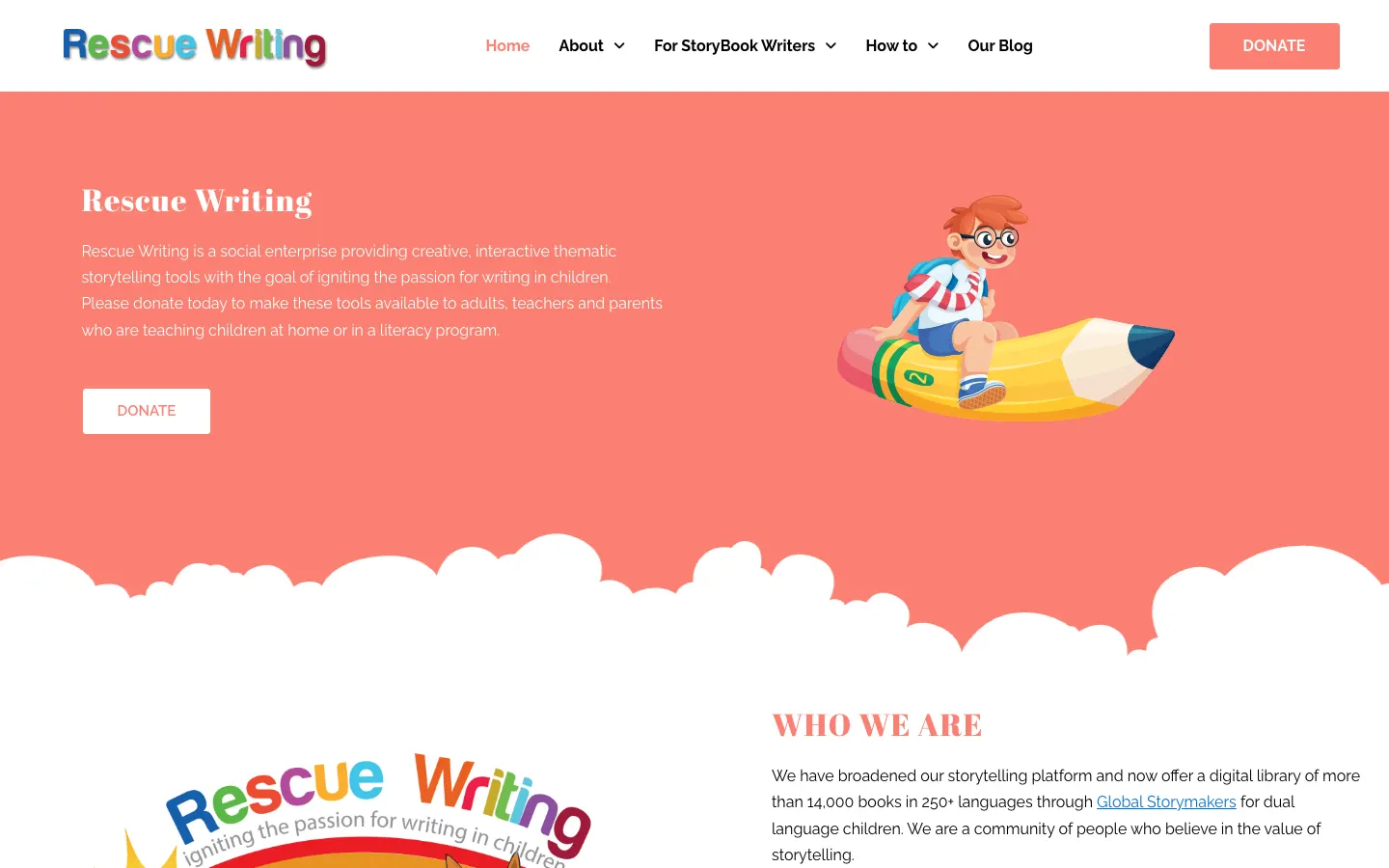
Rescue Writing
A creative writing and storytelling toolkit with free videos, templates, writing pages, and storybook-making tools for children, families, and educators. It is listed under Reading and Language for ages School-age; activity-specific. Children and families can use it through a website.
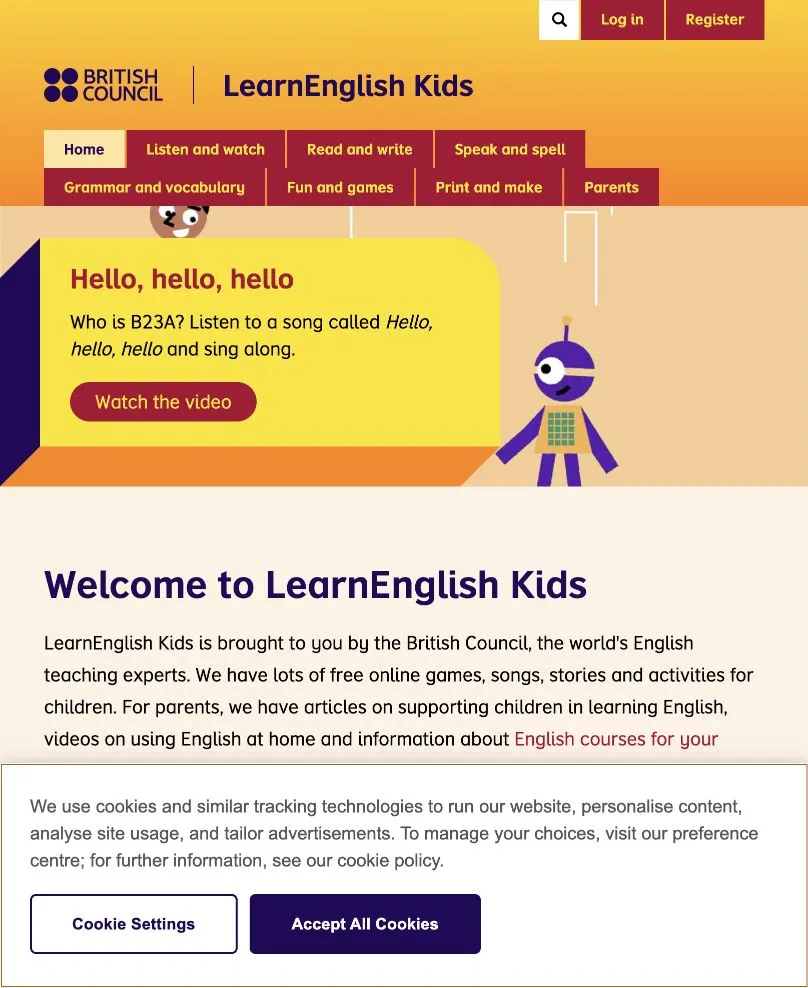
LearnEnglish Kids
Free songs, stories, games, videos, grammar activities, and printable ideas from the British Council for children learning English. It is listed under Language, Reading, and Games for ages 5–12. Children and families can use it through a website and downloadable resources.
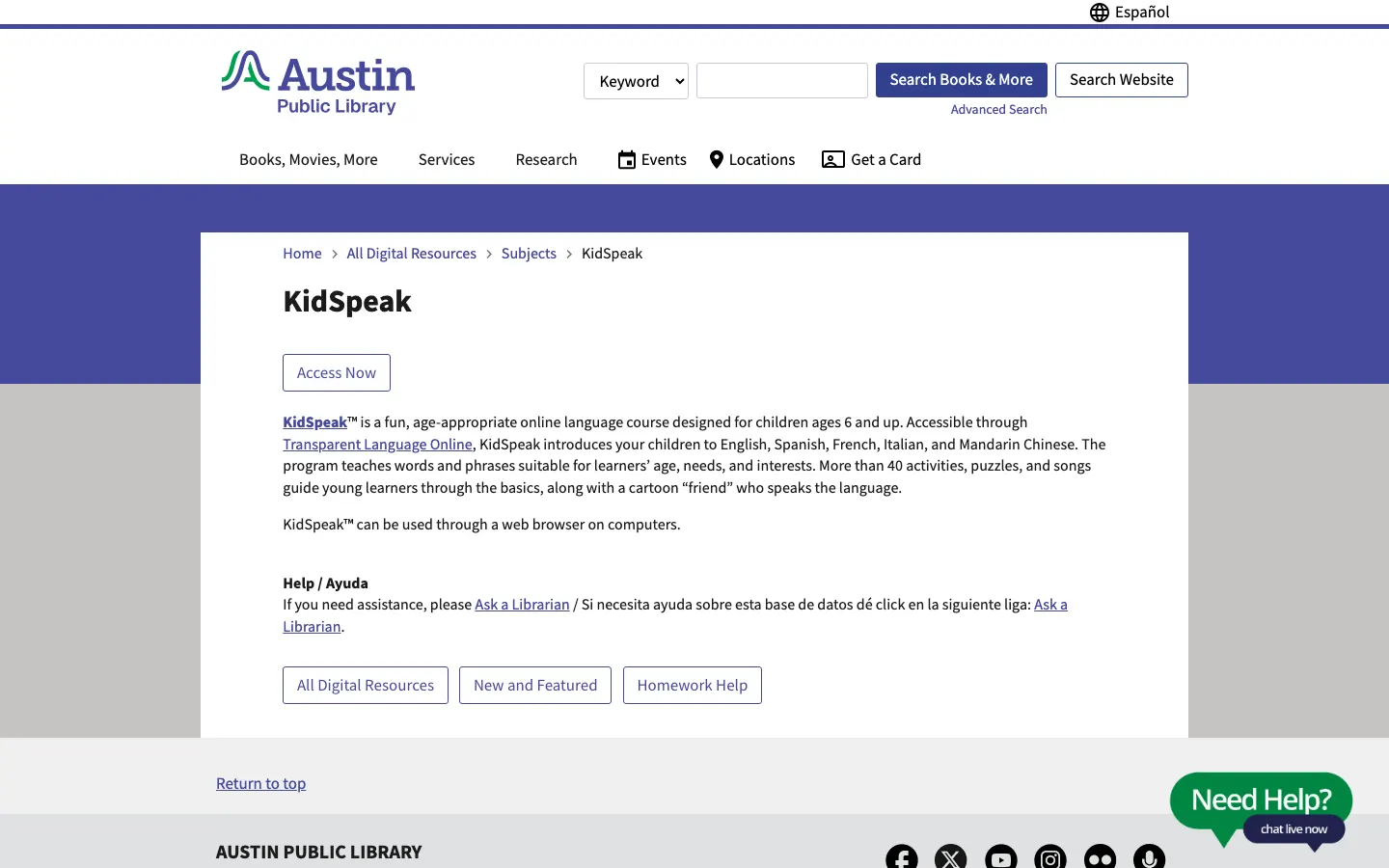
Austin Public Library KidSpeak
KidSpeak is an Austin Public Library digital language-learning resource with more than 40 activities, puzzles, songs, and practice experiences for children learning languages. It is listed under Language and Reading for ages 6+. Children and families can use it through a website.
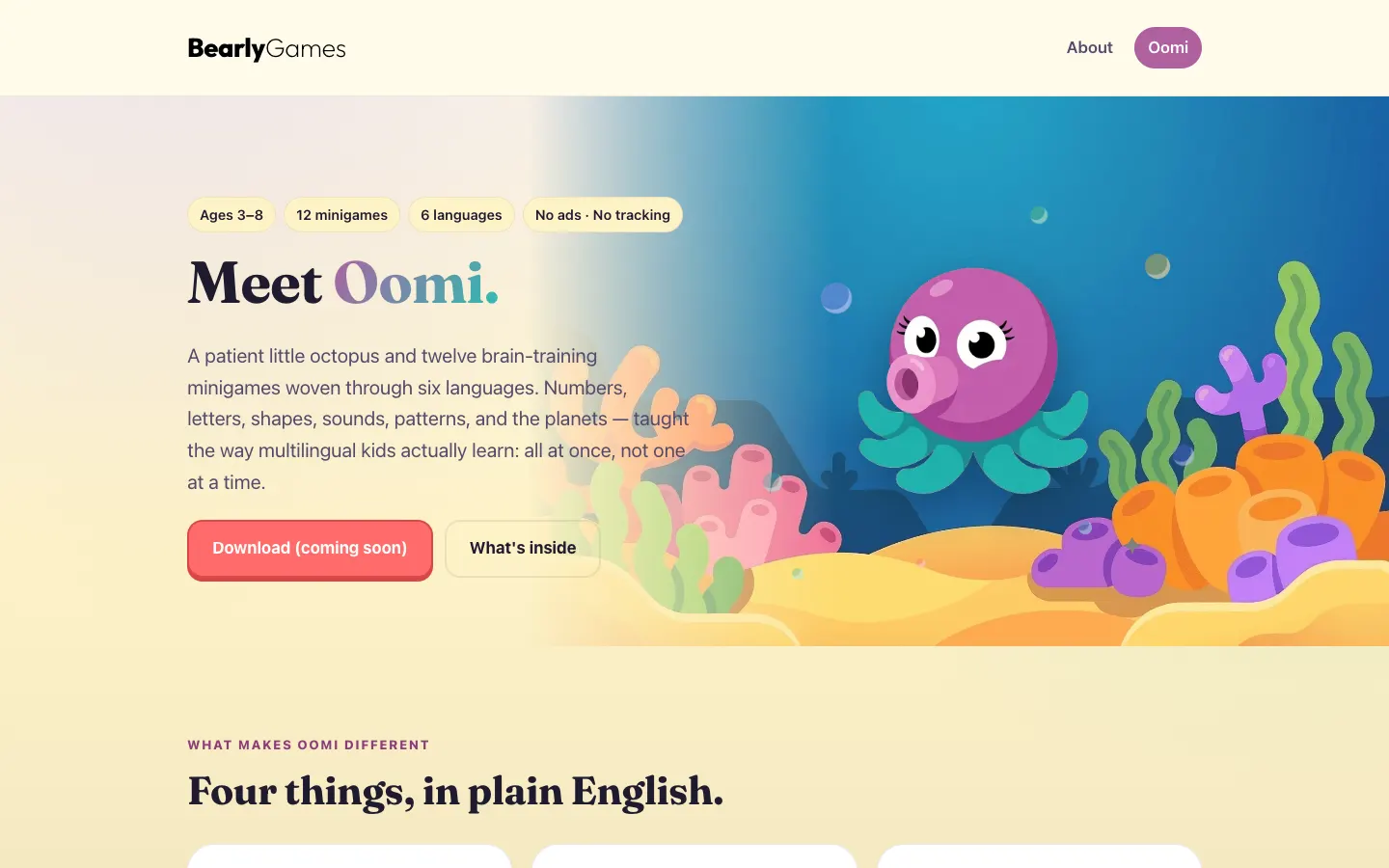
Oomi
Oomi is a multilingual adaptive learning game with twelve minigames for language, numbers, patterns, and early reasoning, with voice guidance for young players. It is listed under Early learning, Mathematics, and Reading for ages 3–8.
Compare with context
Use this collection to find a direction, then open each resource page before sharing it with a child. The individual review shows languages, access formats, tags, age guidance, source links, and notes for grown-ups.
Search the full directory →