Reading History
for kids
Explore 20 trusted reading history resources selected for curious kids, with clear ages, access details, and parent context.
Two useful ways to narrow the directory
This page brings together reading resources that also match history. Each listing keeps its own age range, platform details, languages, links, and parent notes, so you can compare options without losing context.
Explore all reading resources →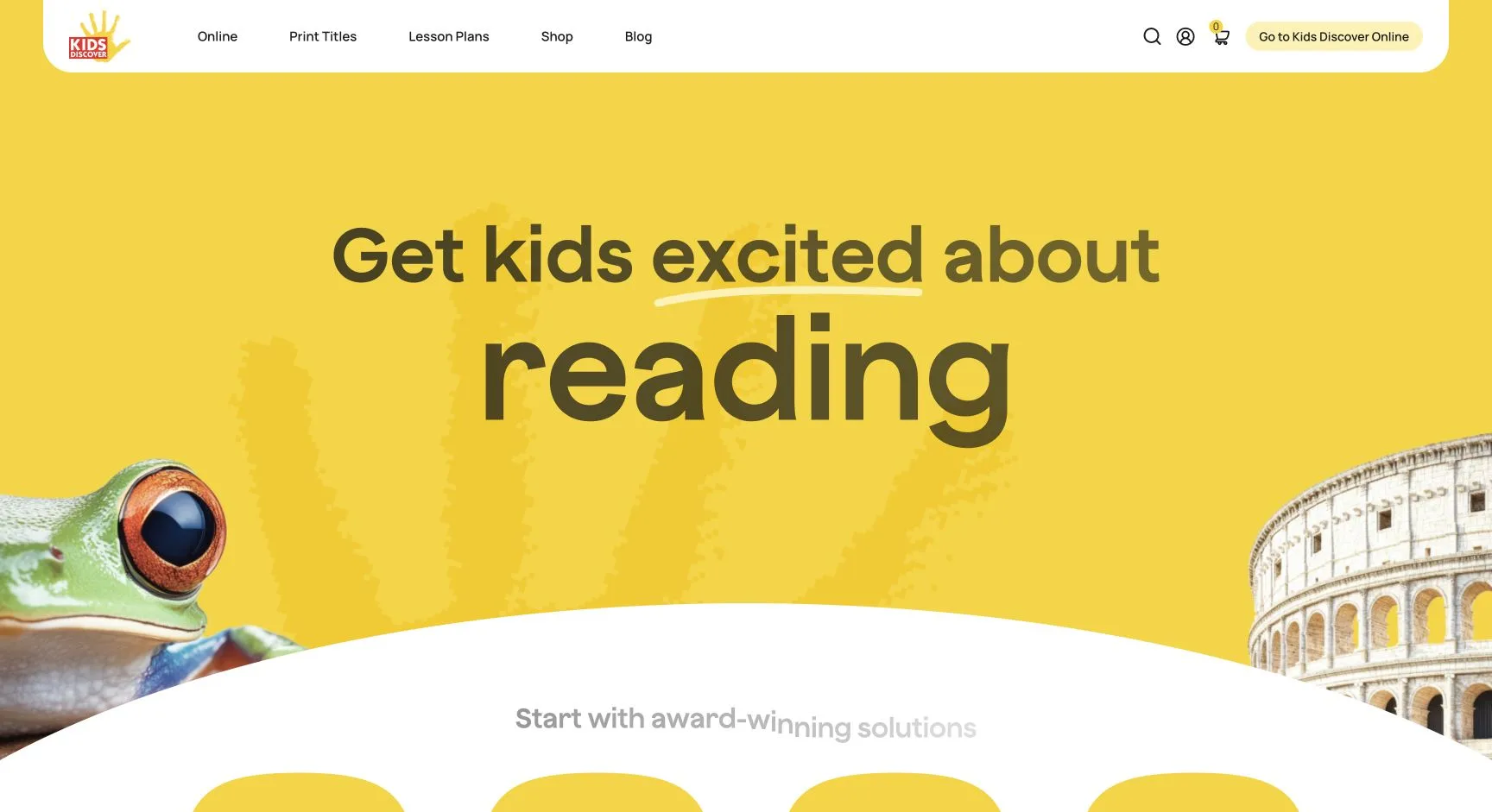
Kids Discover
Multimedia social studies and science learning materials with articles, visuals, and printable resources for children. It is listed under Science and History for ages 6–14. Children and families can use it through a website.
Read the full resource review →More reading picks
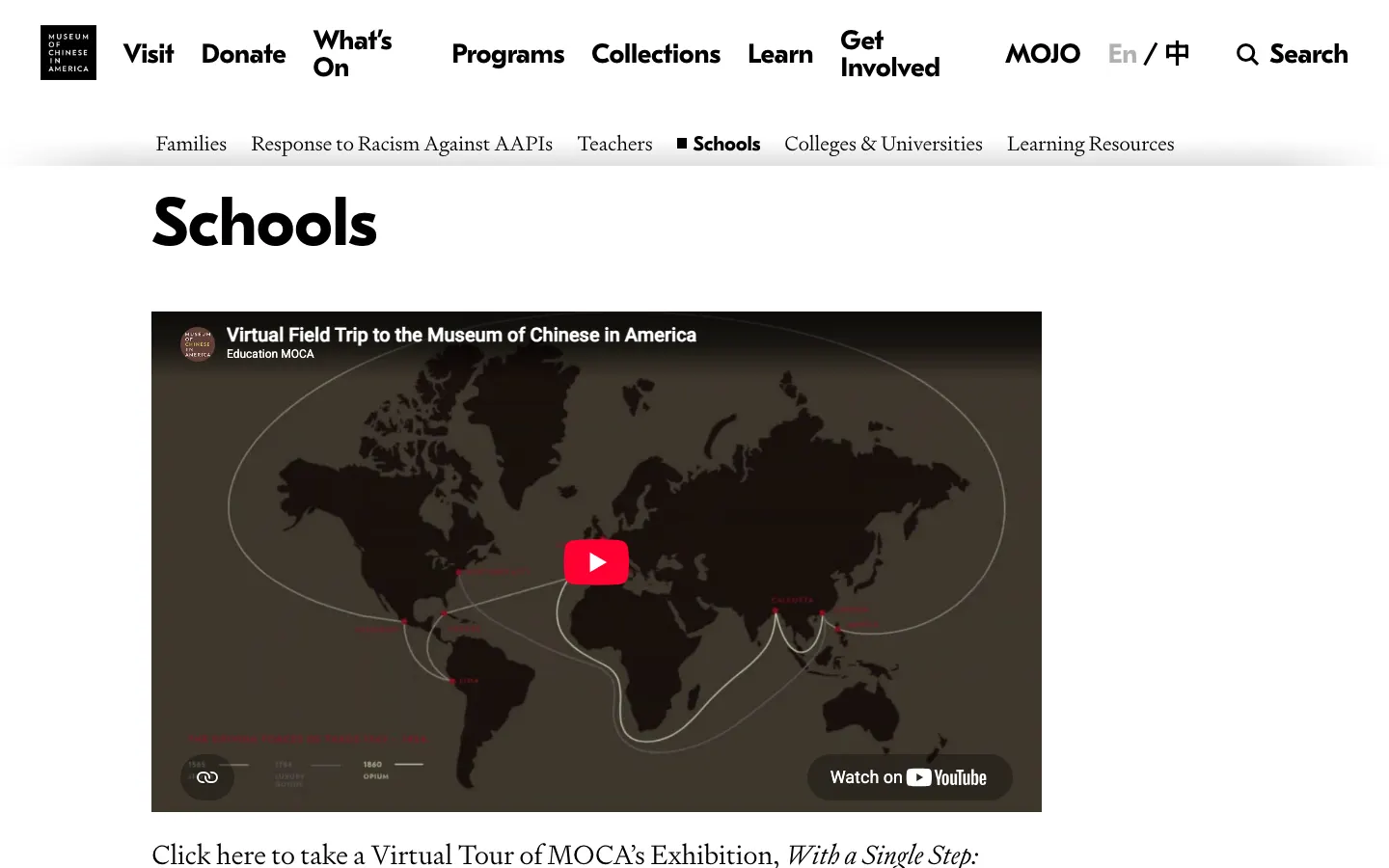
Museum of Chinese in America Virtual Tour for Schools
The Museum of Chinese in America offers an anytime virtual tour of its With a Single Step exhibition for students exploring stories in the making of America. It is listed under History & culture and Reading for ages 11–14.
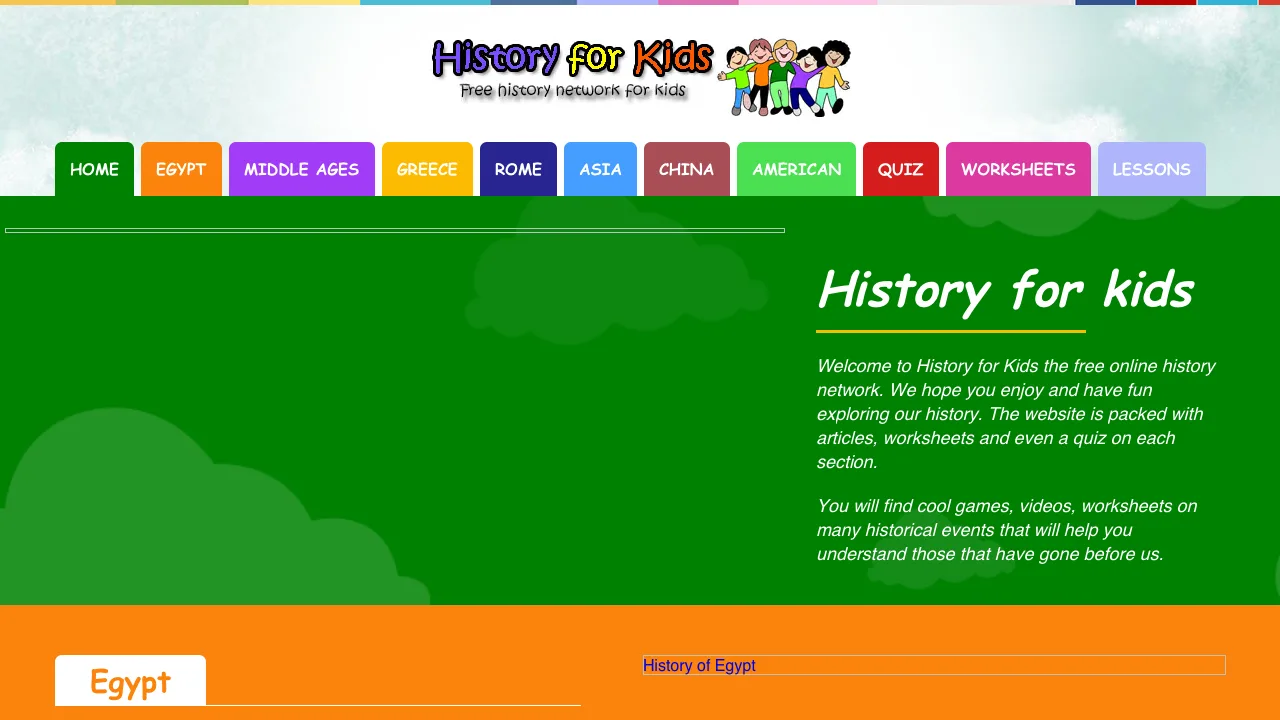
History for Kids
Short history articles and topic pages introducing children to civilizations, people, and events. It is listed under History & culture, Reading, and Geography for ages 7–14. Children and families can use it through a website.
Peekaboo Kids
Animated explainers and educational videos covering science, history, geography, and general knowledge. It is listed under Science and Reading for ages 5–12. Children and families can use it through a YouTube channel. The directory records access as free and language coverage as English.
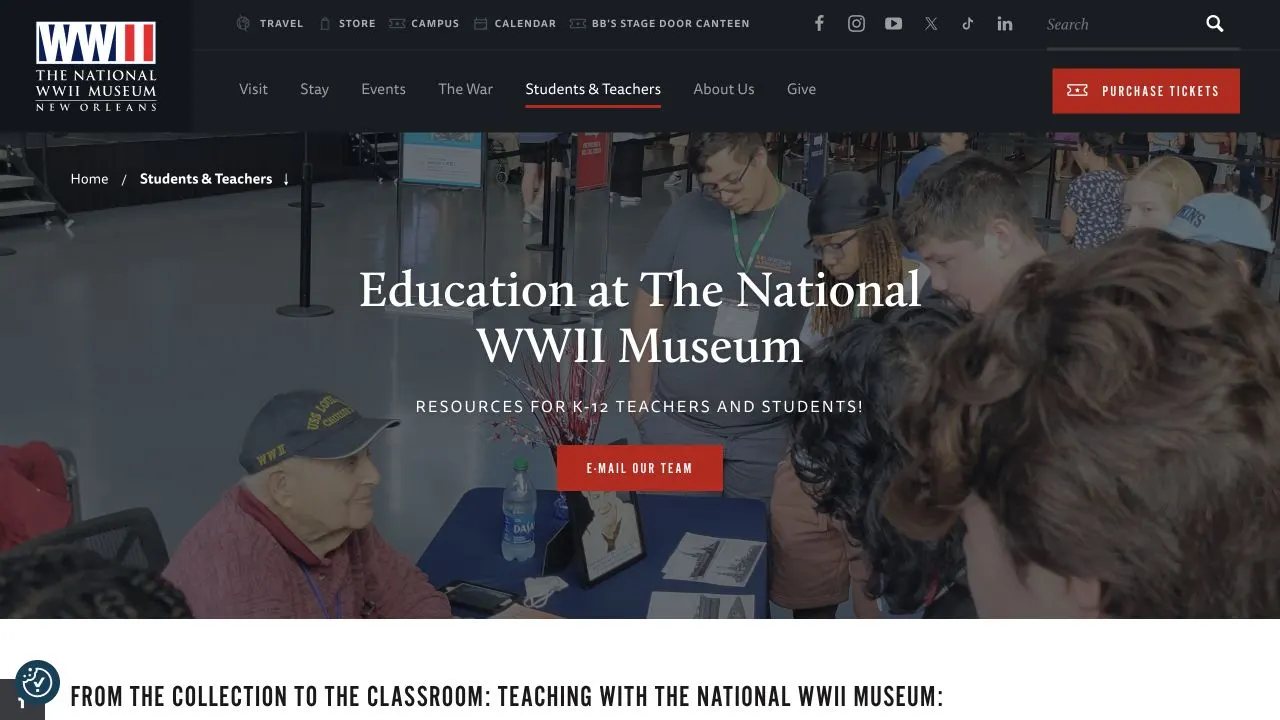
National WWII Museum Education
K–12 history, STEM, lesson plans, classroom guides, virtual field trips, and student experiences from the National WWII Museum. It is listed under History & culture, Science, and Parent & educator for ages 8–18. Children and families can use it through a website and downloadable resources.
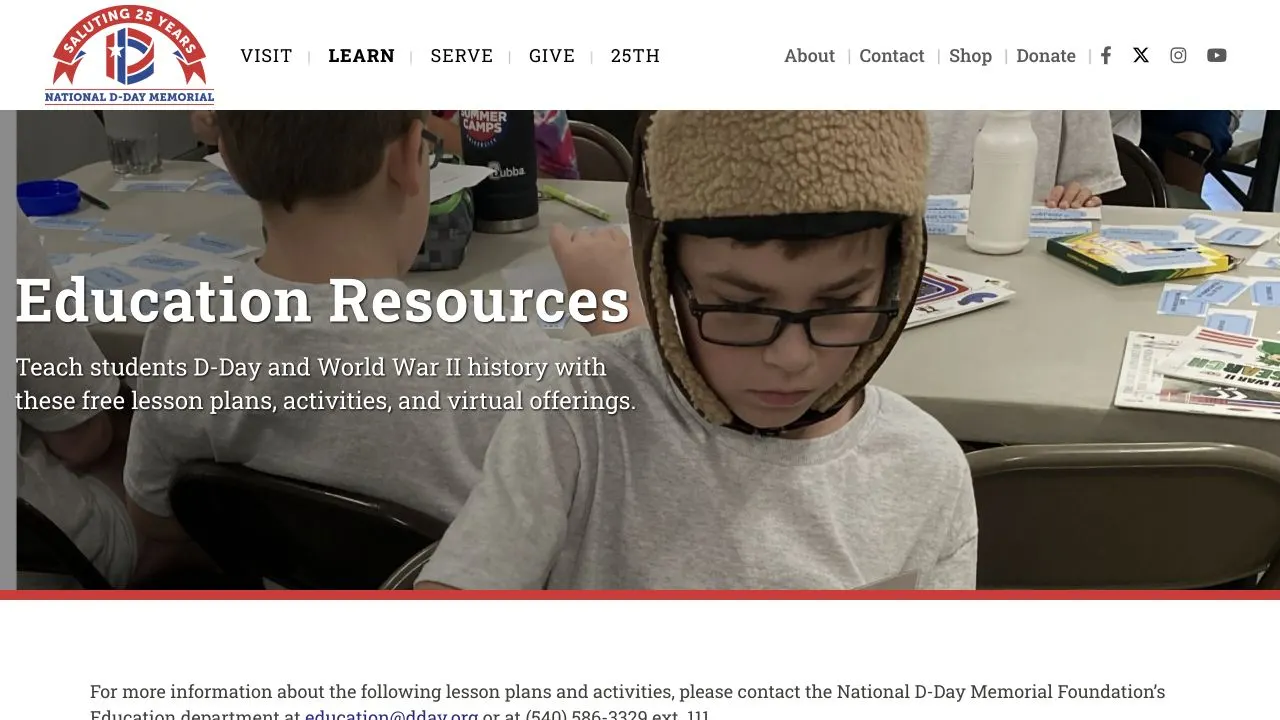
National D-Day Memorial Education Resources
Free lesson plans, activities, and virtual offerings that help students learn about D-Day and World War II history. It is listed under History & culture, Parent & educator, and Games for ages 8–18. Children and families can use it through a website and downloadable resources.
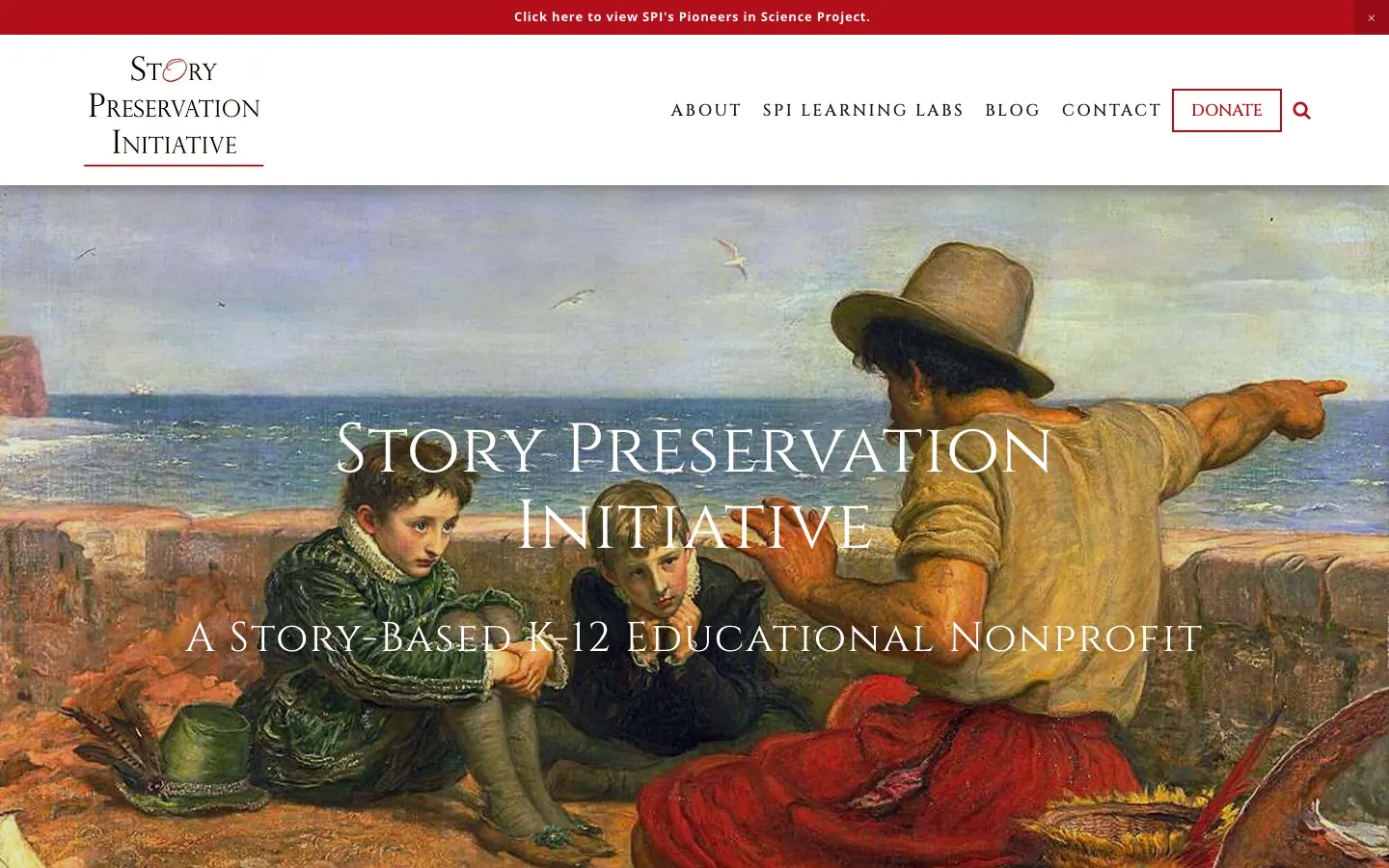
Story Preservation Initiative
A nonprofit story-based K–12 education resource that uses preserved stories, historical narratives, and guided learning materials to connect children with culture and memory. It is listed under History & culture and Reading for ages 6–18.
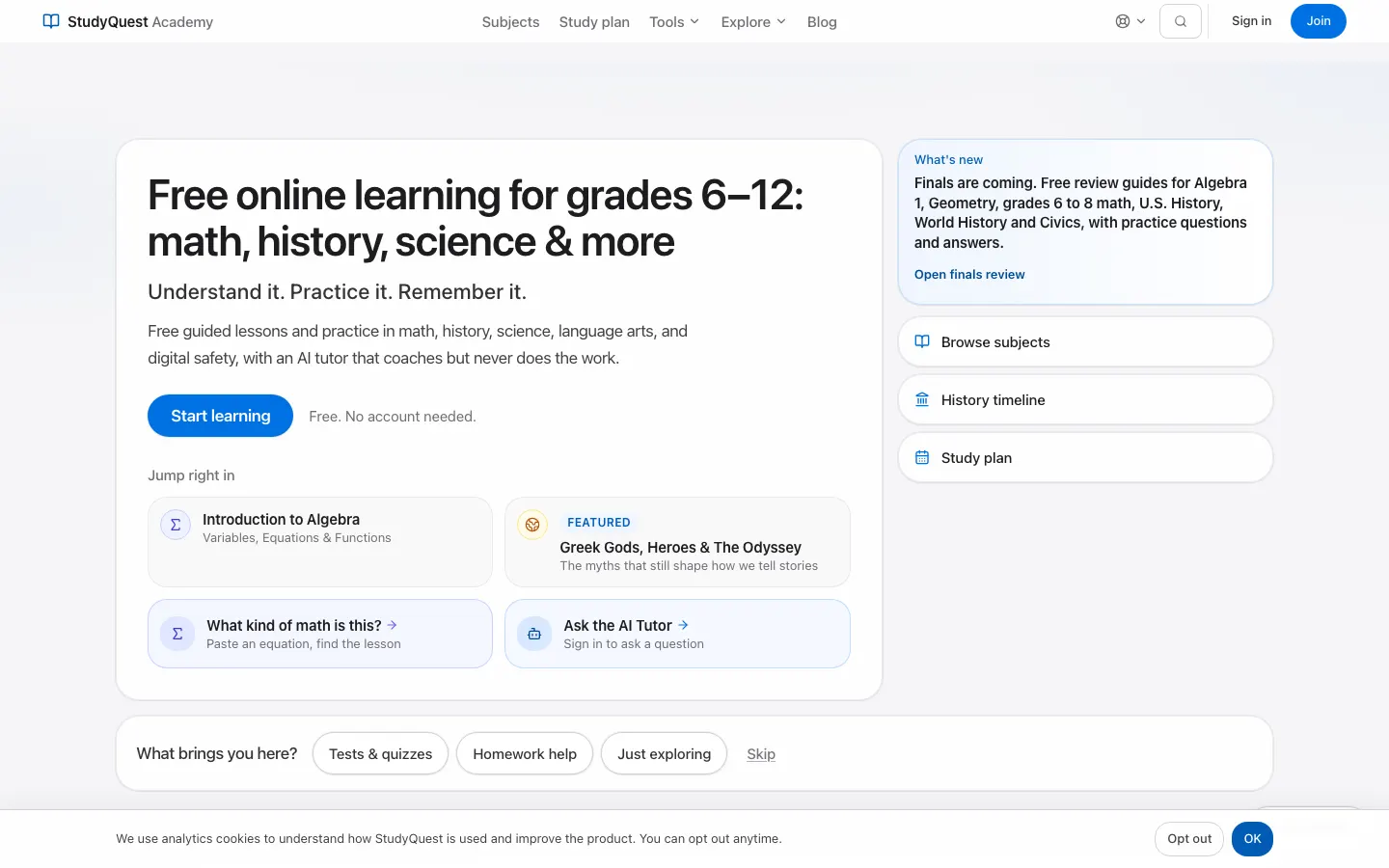
StudyQuest Academy
StudyQuest Academy offers free guided lessons, practice, quizzes, and games for grades 6–12 across math, history, science, language arts, digital safety, and AI literacy. It is listed under Parent & educator, Mathematics, and Science for ages 11–18.
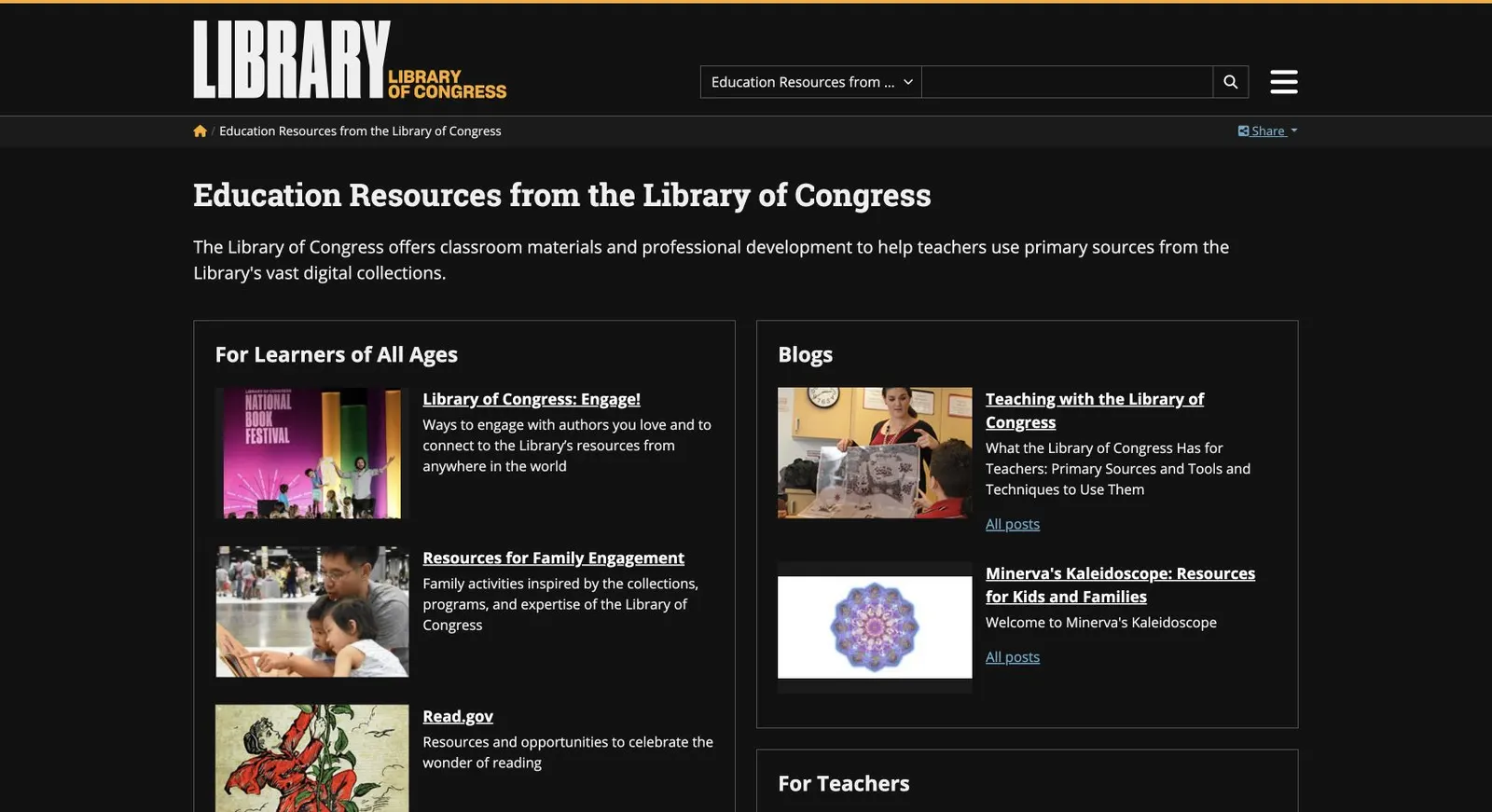
Library of Congress Education
Primary sources, family learning, classroom materials, and reading resources from the Library of Congress. It is listed under History & culture, Reading, and Parent & educator for ages 5-18. Children and families can use it through a website and downloadable resources.
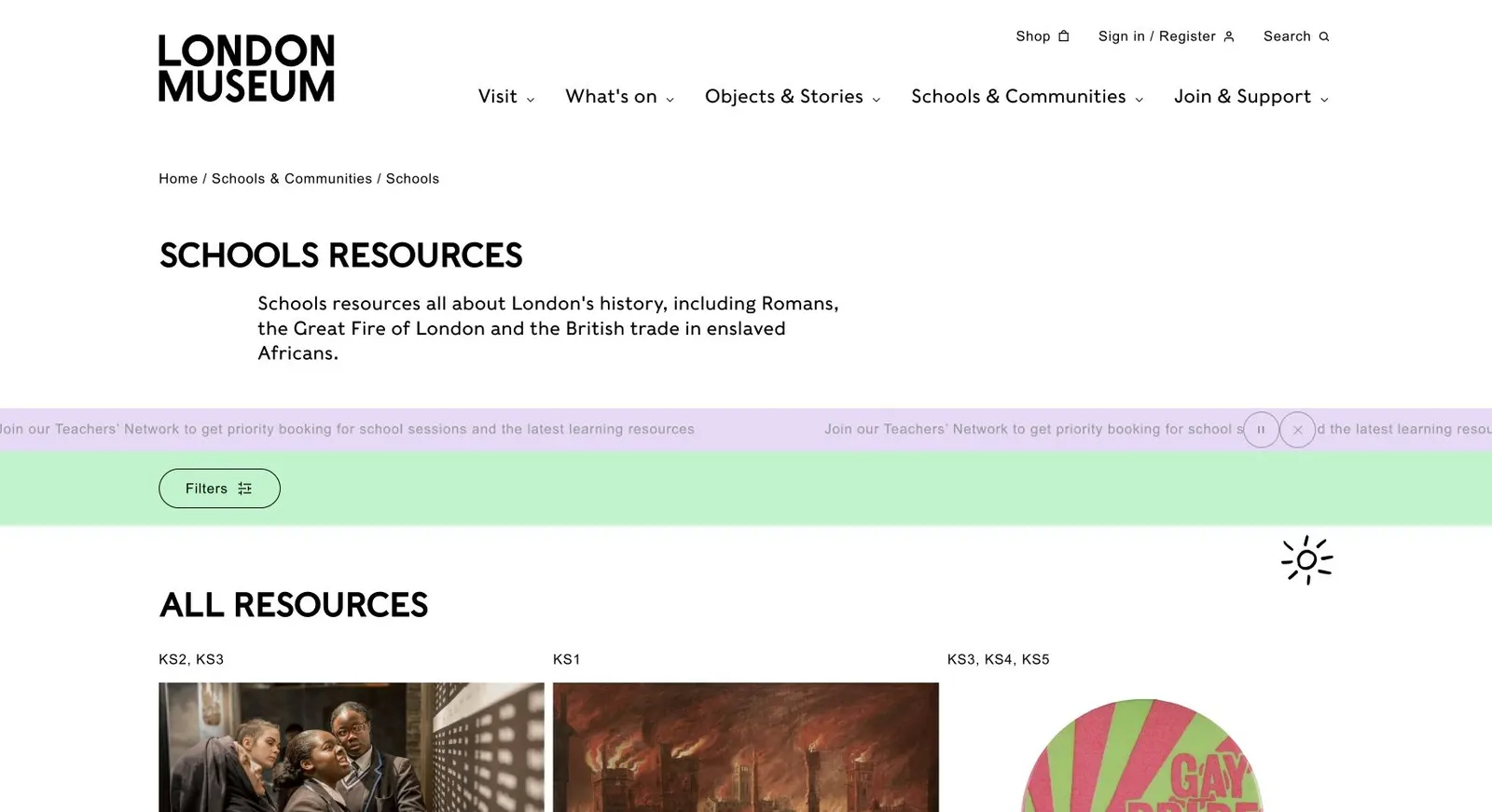
London Museum Schools Resources
History activities, downloadable classroom resources, and museum learning ideas for early years through secondary students. It is listed under History & culture, Geography, and Reading for ages 5-18. Children and families can use it through a website.
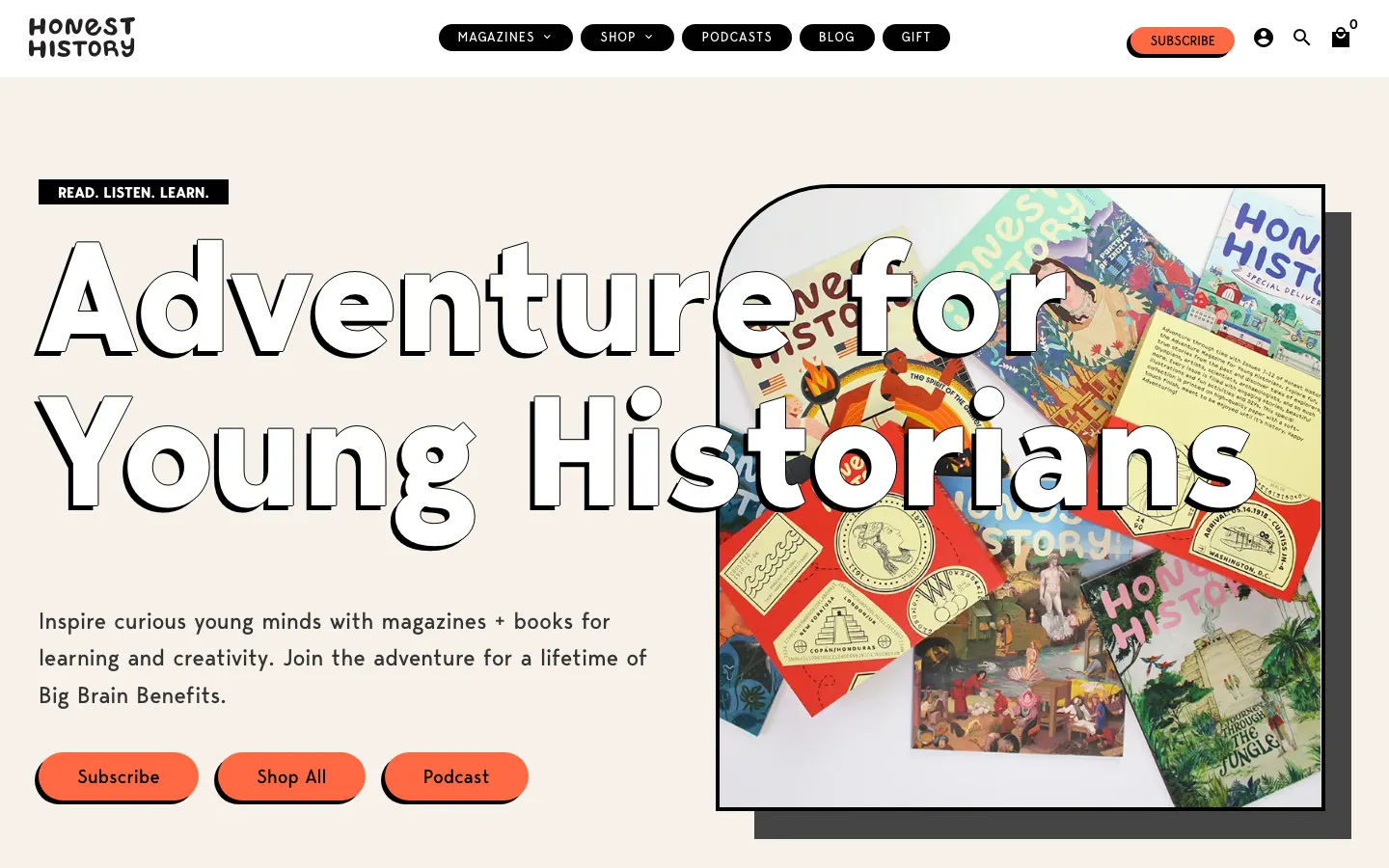
Honest History
Honest History is an Australian children’s history resource combining a podcast, mailed learning materials, and adventure-style activities for young historians. It is listed under History and Podcasts & audio for ages 7–13. Children and families can use it through a website and a podcast.
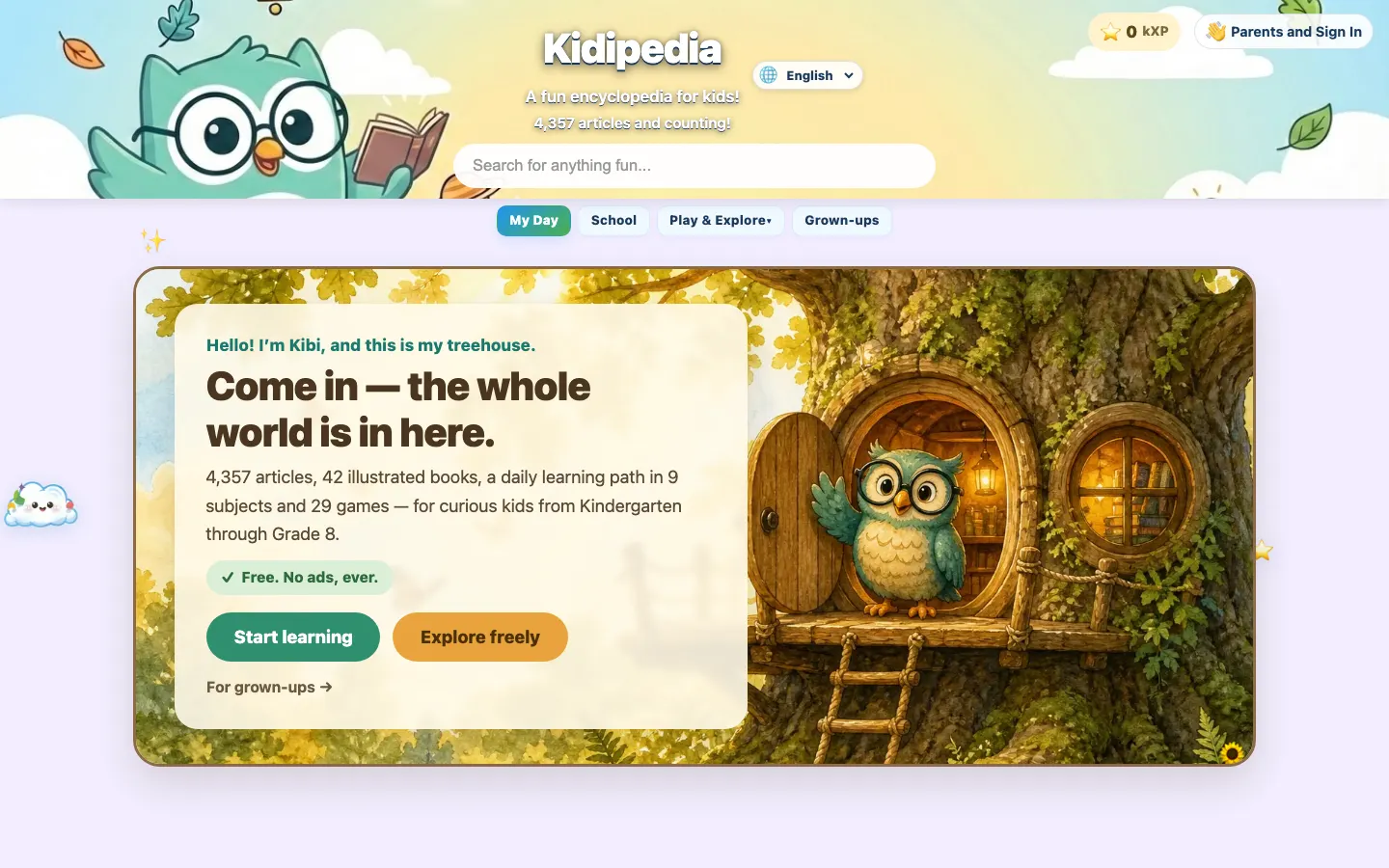
Kidipedia
Kidipedia is a free, ad-free encyclopedia and learning world for children, with illustrated articles, books, daily learning paths, and games across school subjects. It is listed under Science and Mathematics for ages 5–14. Children and families can use it through a website.
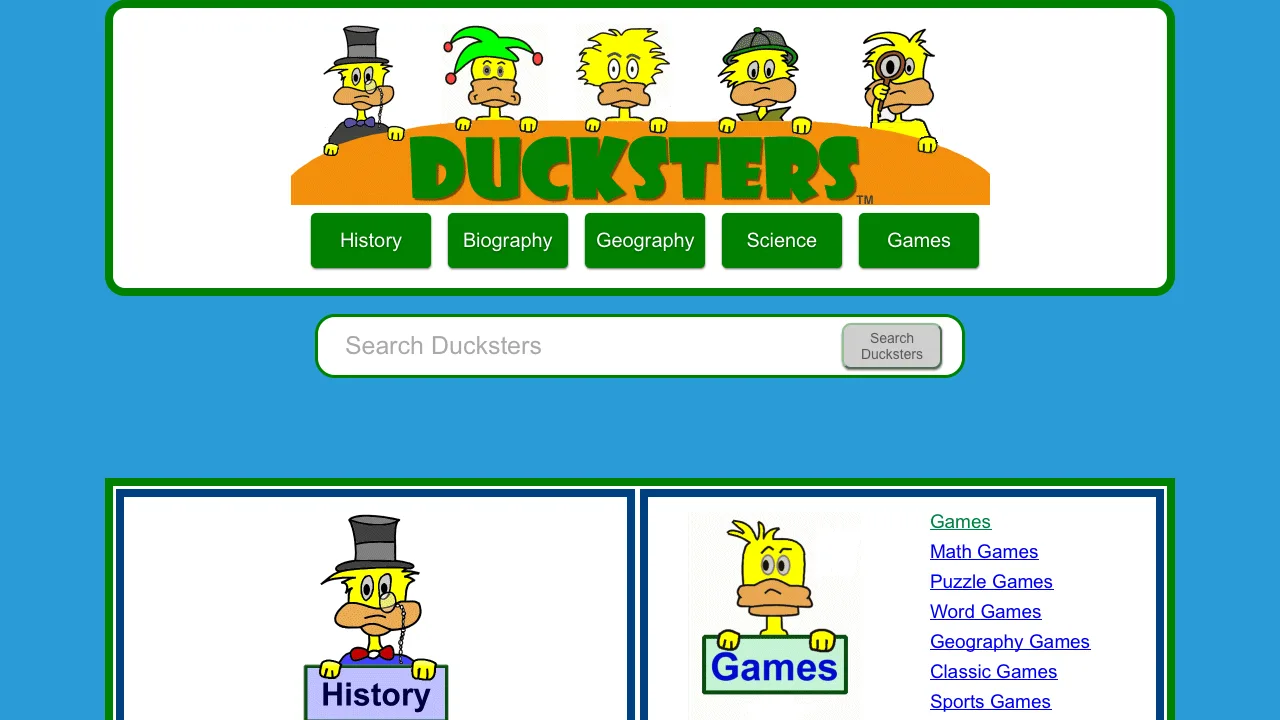
Ducksters
Readable reference pages for children covering history, geography, science, biographies, animals, and educational games. It is listed under Reading, Science, and History & culture for ages 7–14. Children and families can use it through a website.
Compare with context
Use this collection to find a direction, then open each resource page before sharing it with a child. The individual review shows languages, access formats, tags, age guidance, source links, and notes for grown-ups.
Search the full directory →