Problem solving websites
for kids
Explore 13 trusted problem solving websites selected for curious kids, with clear ages, access details, and parent context.
Two useful ways to narrow the directory
This page brings together problem solving resources that also match websites. Each listing keeps its own age range, platform details, languages, links, and parent notes, so you can compare options without losing context.
Explore all problem solving resources →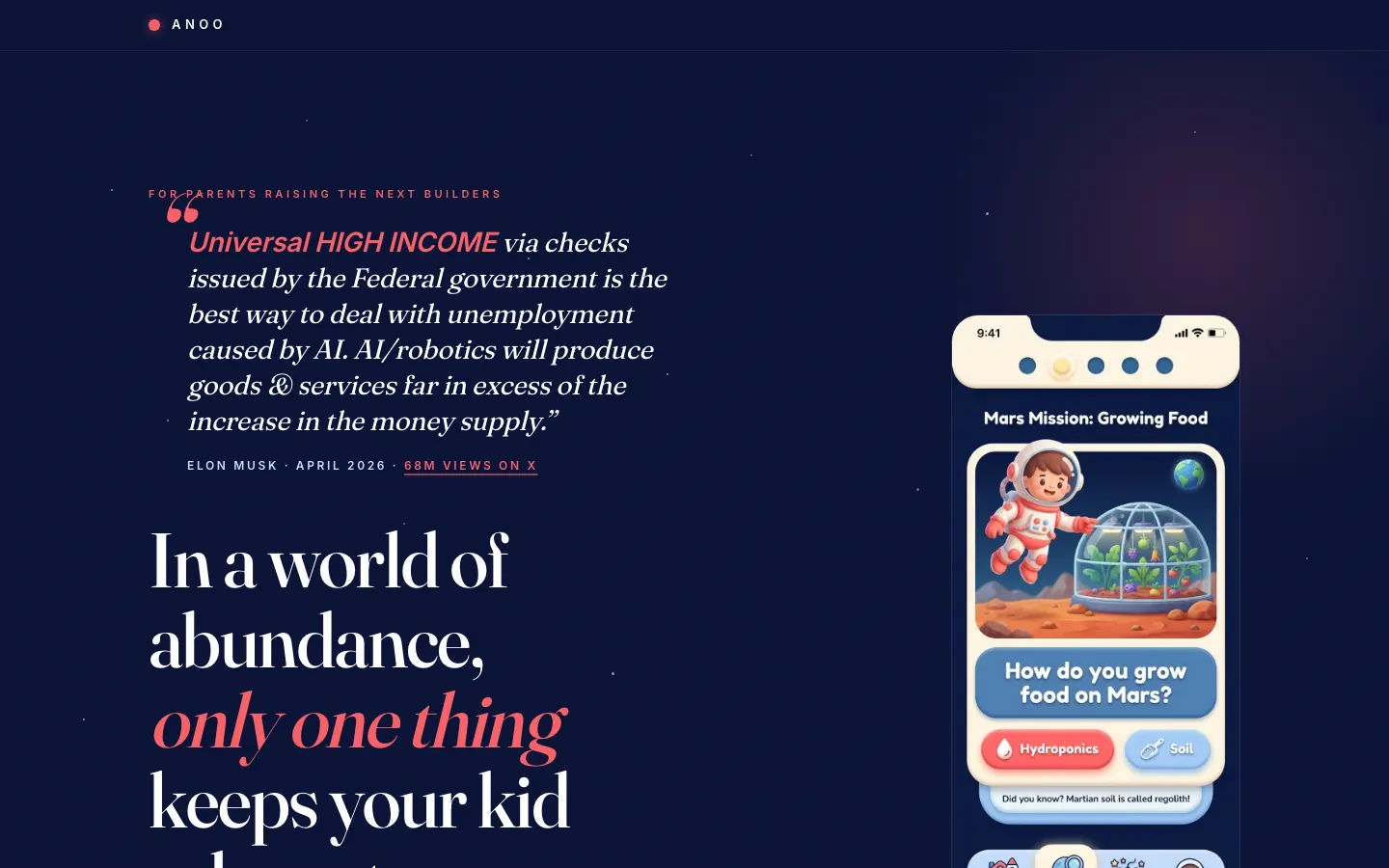
Anoo Kids
Anoo Kids is an in-development mobile learning app for ages 7–13 that uses Mars-set interactive stories and open-ended problems to practise first-principles reasoning. It is listed under Science & technology and Games for ages 7–13.
Read the full resource review →More problem solving picks
Mystery Math Museum
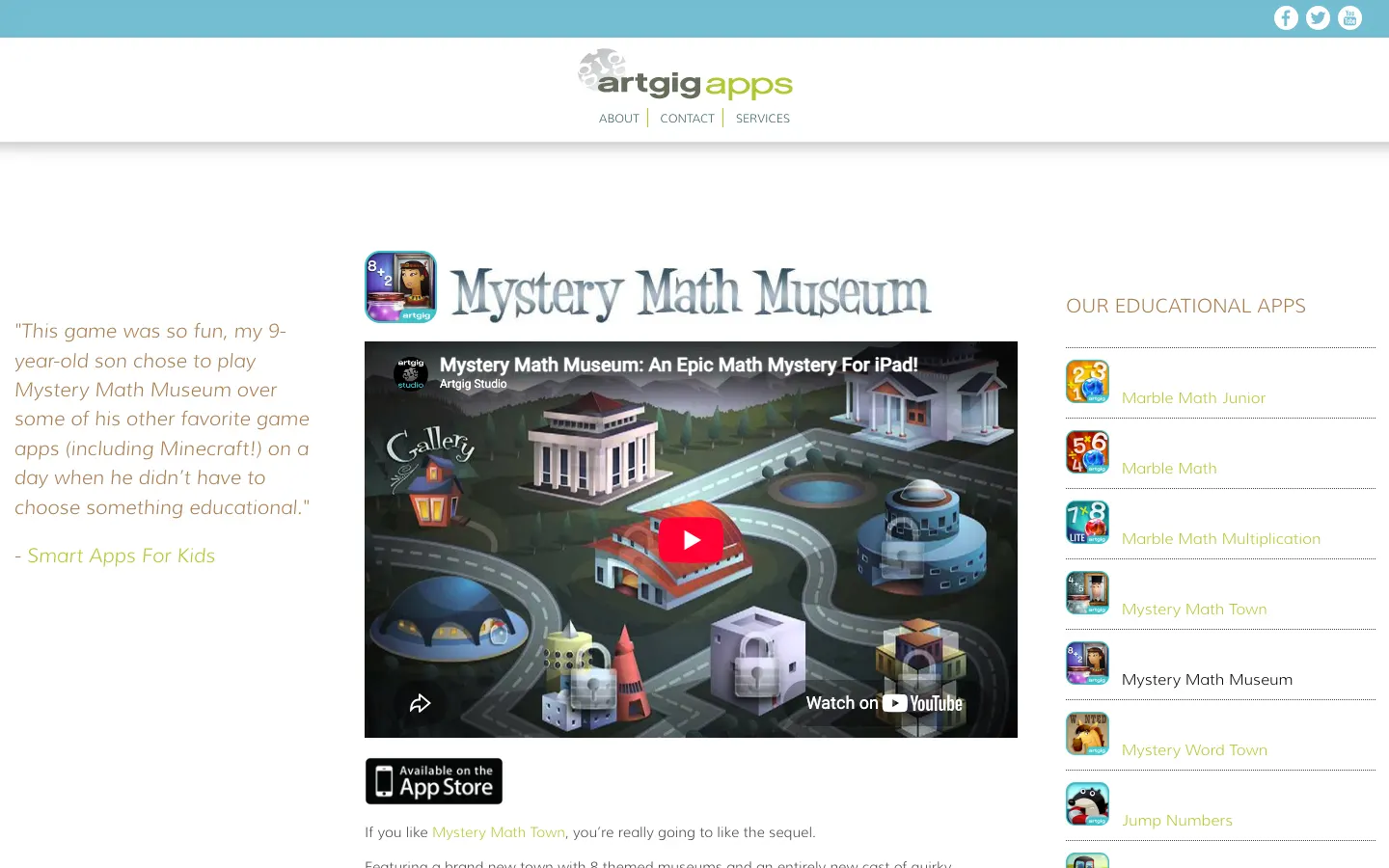
Mystery Math Museum is an Artgig educational iPad game in which children use addition, subtraction, multiplication, division, and number representations to unlock eight themed museums and solve a rescue mission.
Stanford Code in Place
Stanford’s Code in Place is a free online introduction to Python based on CS106A, with weekly sections, assignments, a six-week syllabus, and a supportive global learning community. It is listed under Coding and Programming for ages 13–18+.
PlayMath.org Games
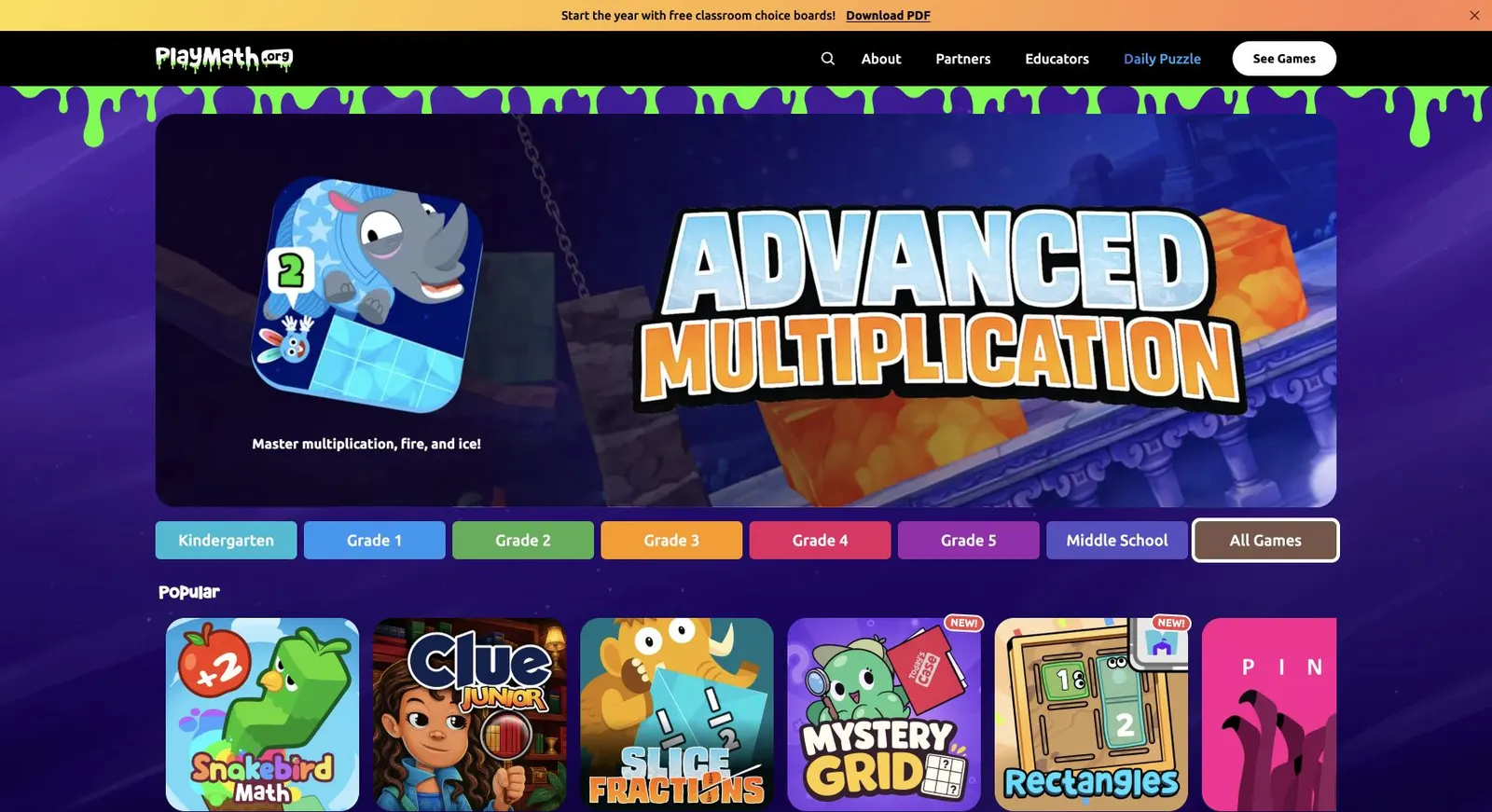
PlayMath.org is a free math-game library organized by grade, with games for kindergarten through middle school covering numeracy, problem solving, spatial reasoning, and math makers. It is listed under Maths & logic and Games for ages 5–14.
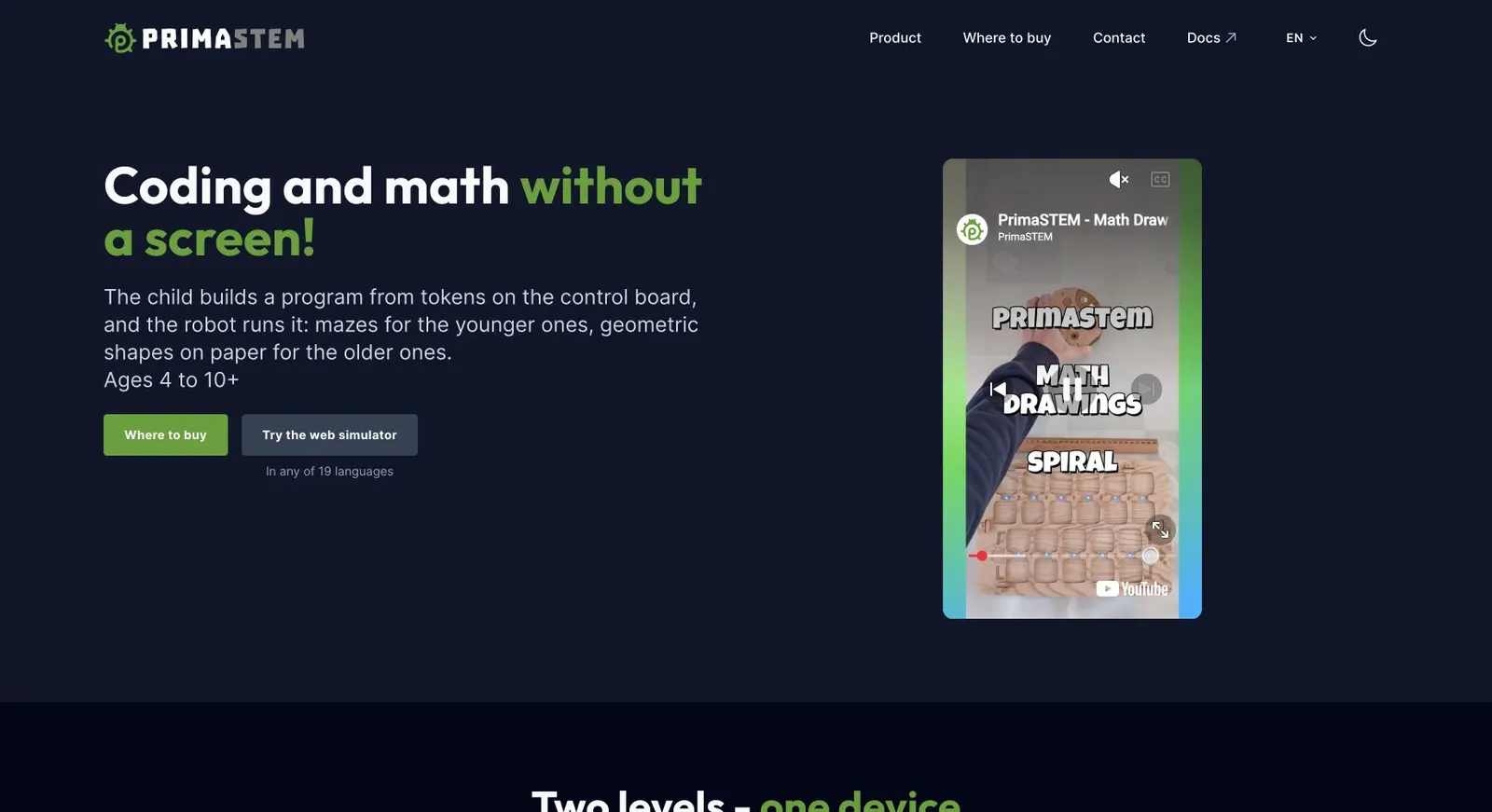
PrimaSTEM
A screen-free coding and mathematics system in which children program a physical robot with tokens to solve mazes, sequences, geometry, and drawing challenges. It is listed under Coding and Maths & logic for ages 4–10+.
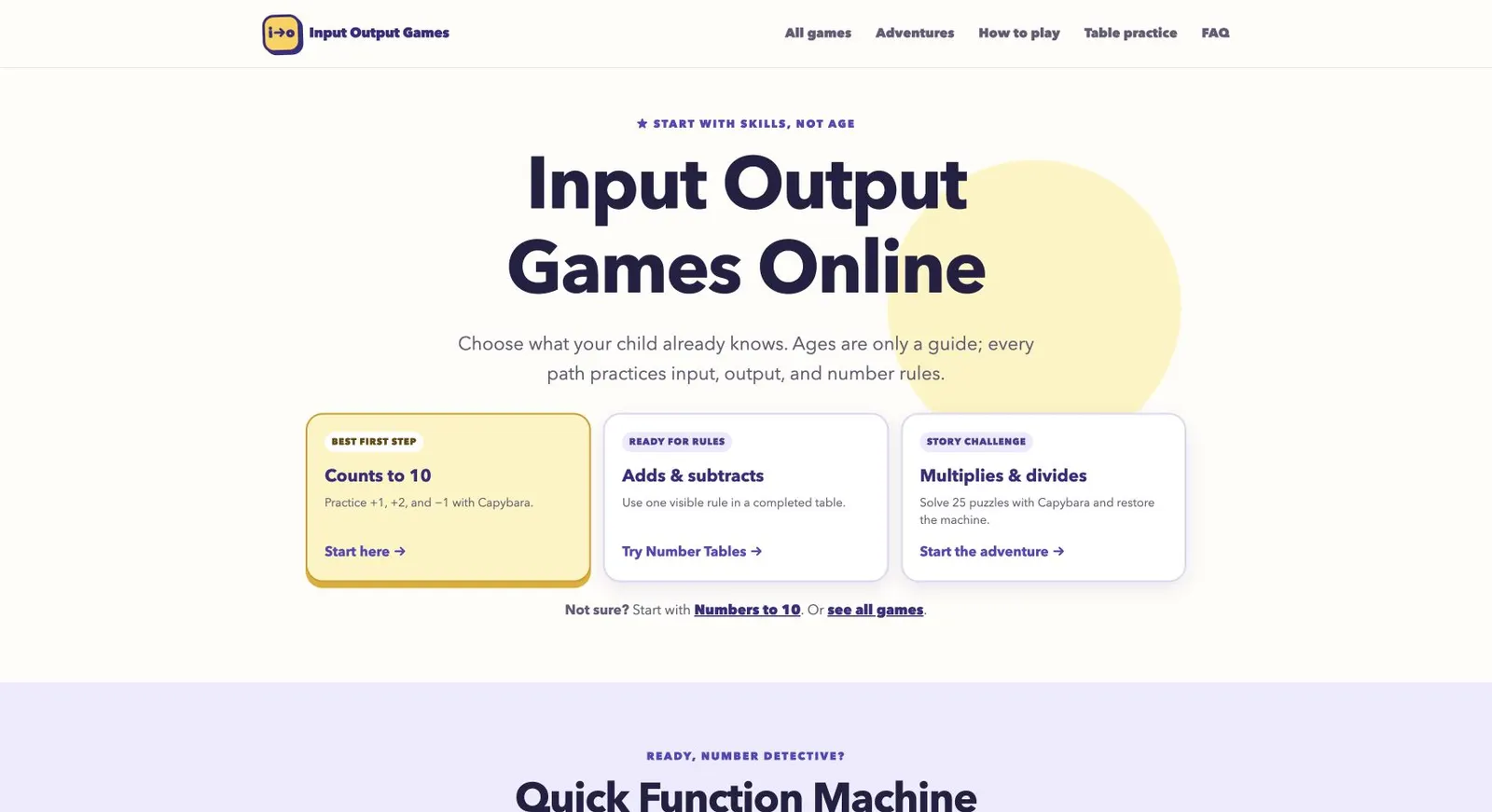
Input Output Games
A free function-machine browser game that helps children identify rules, complete input-output tables, and explain mathematical patterns. It is listed under Maths & logic and Games for ages 7–12. Children and families can use it through a website.
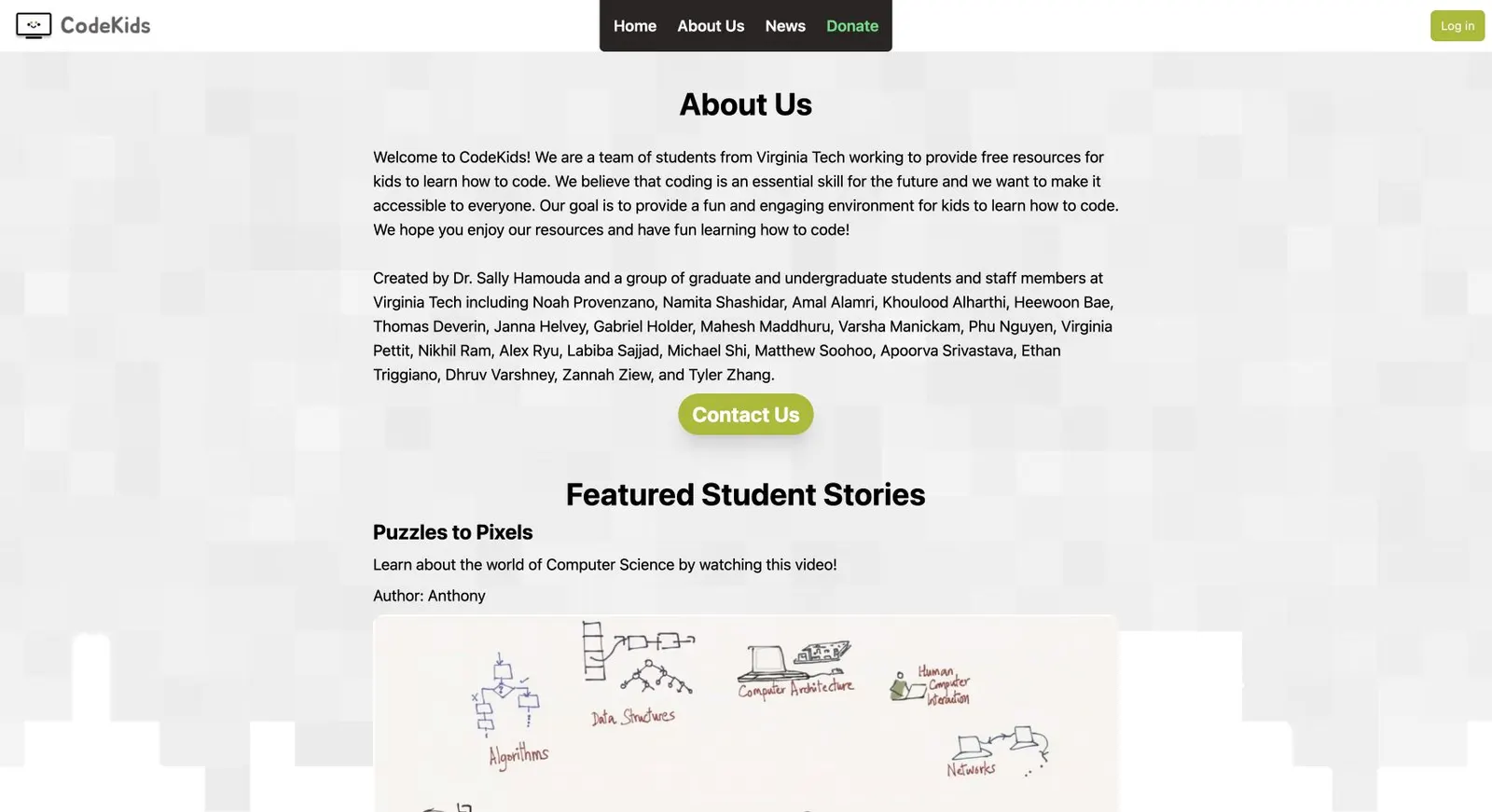
Virginia Tech CodeKids
Virginia Tech’s CodeKids project provides free child-facing coding resources and stories designed to make computer science approachable and engaging. It is listed under Coding and Problem solving for ages 7–14. Children and families can use it through a website and downloadable resources.
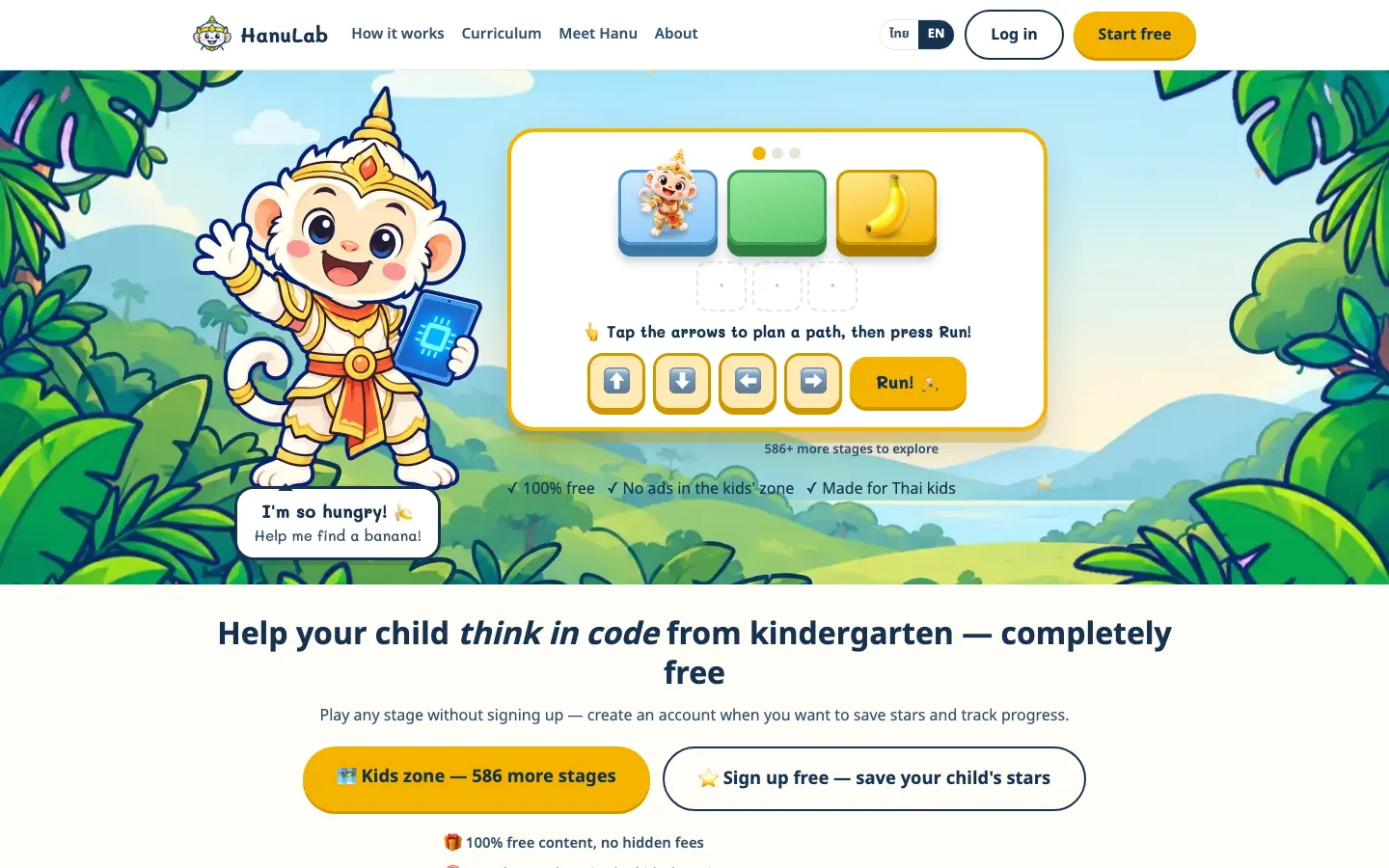
HanuLab
HanuLab is a Thai-first coding and AI playground for children, with age-based browser missions progressing from sequencing and logic to block coding, Python, and AI projects. It is listed under Coding and Technology for ages 4–15.
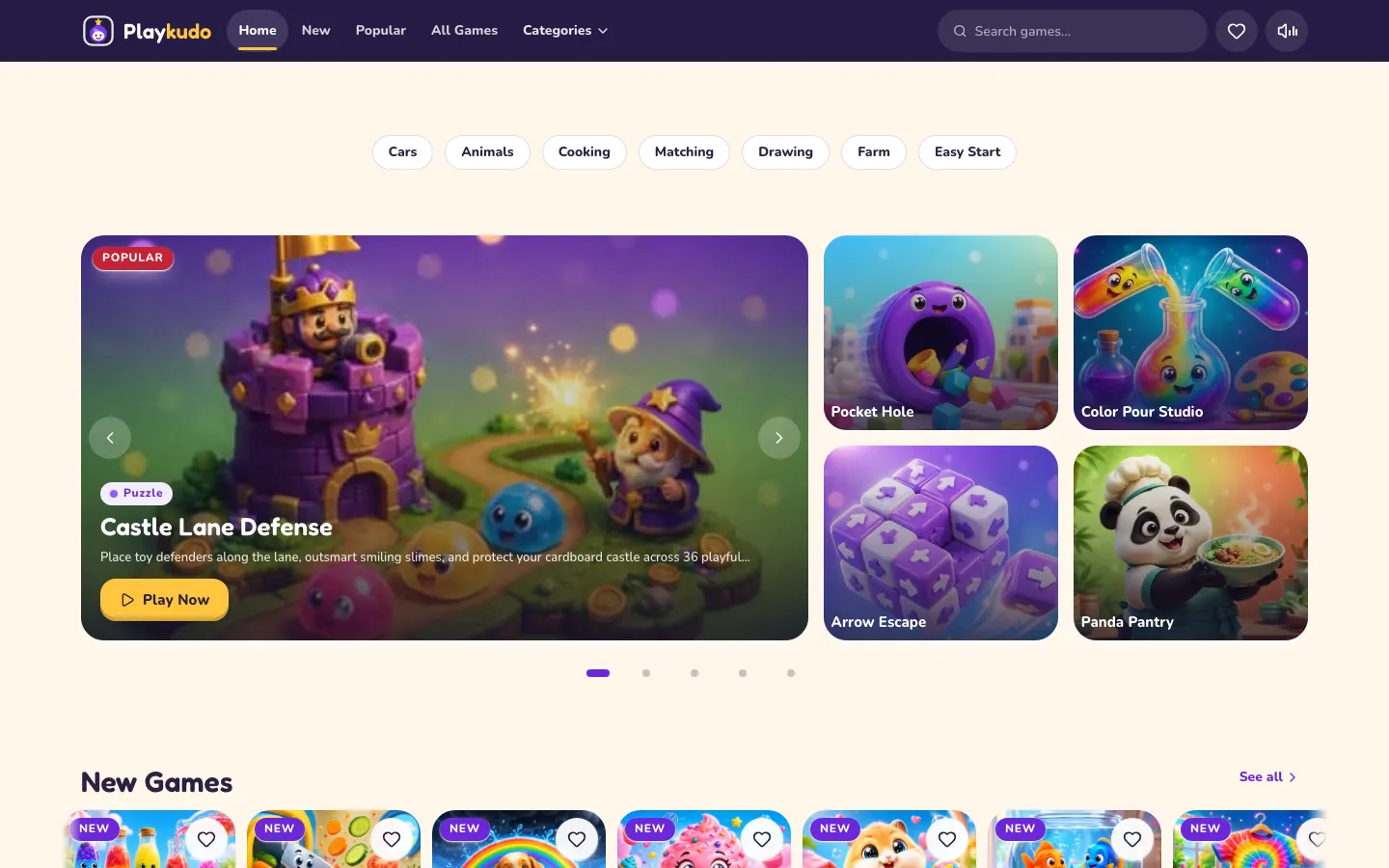
Playkudo
Playkudo is a browser arcade of original games made for children, with puzzle, creative, skill, driving, simulation, and relaxing categories designed for ages 6 to 12. It is listed under Games and Art & creativity for ages 6–12.
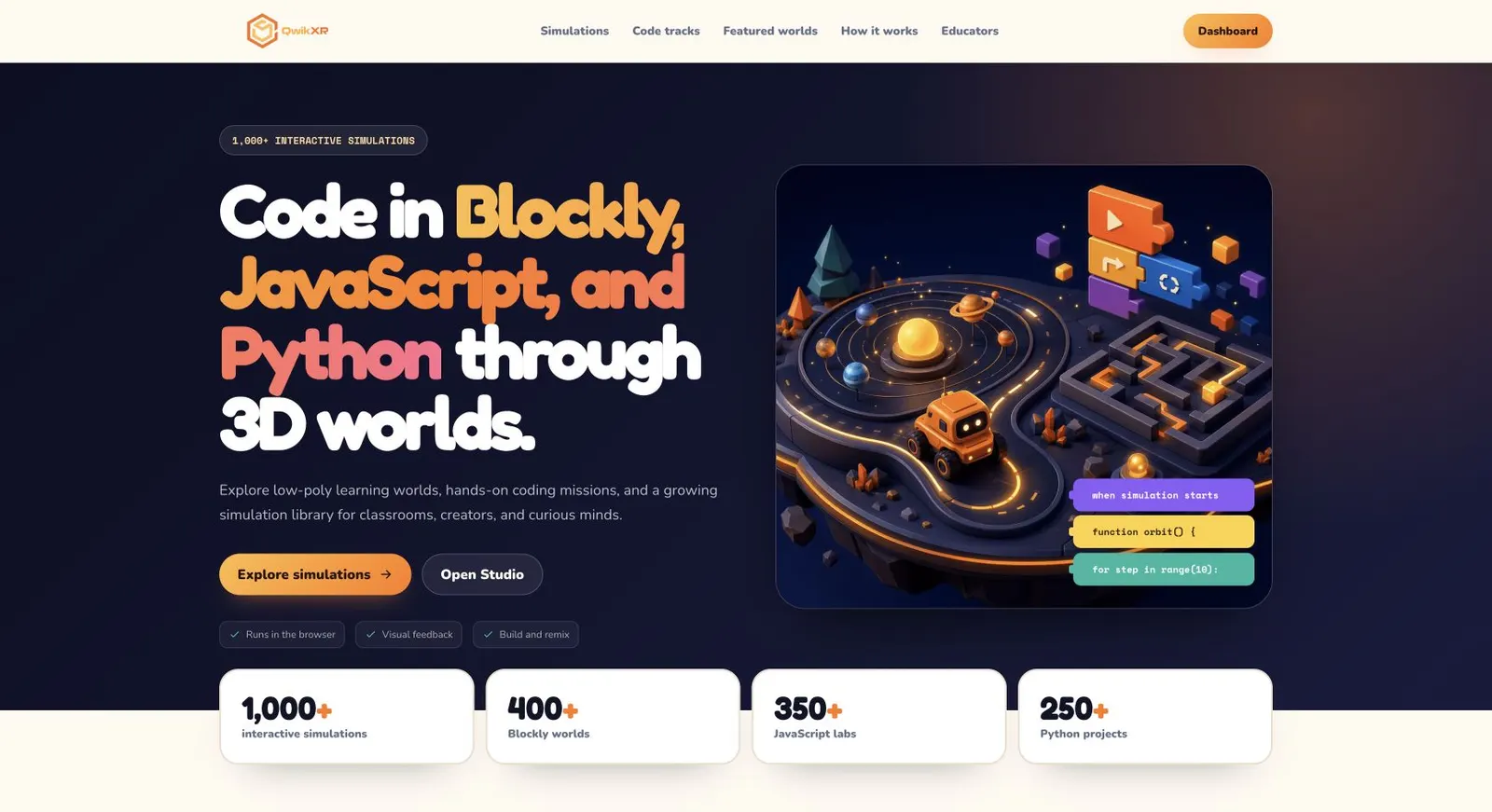
QwikXR
A browser-based coding platform where learners explore 3D worlds through Blockly, JavaScript, and Python simulations, with ready-made missions and remixable projects. It is listed under Coding and Science for ages 8–18+. Children and families can use it through a website.
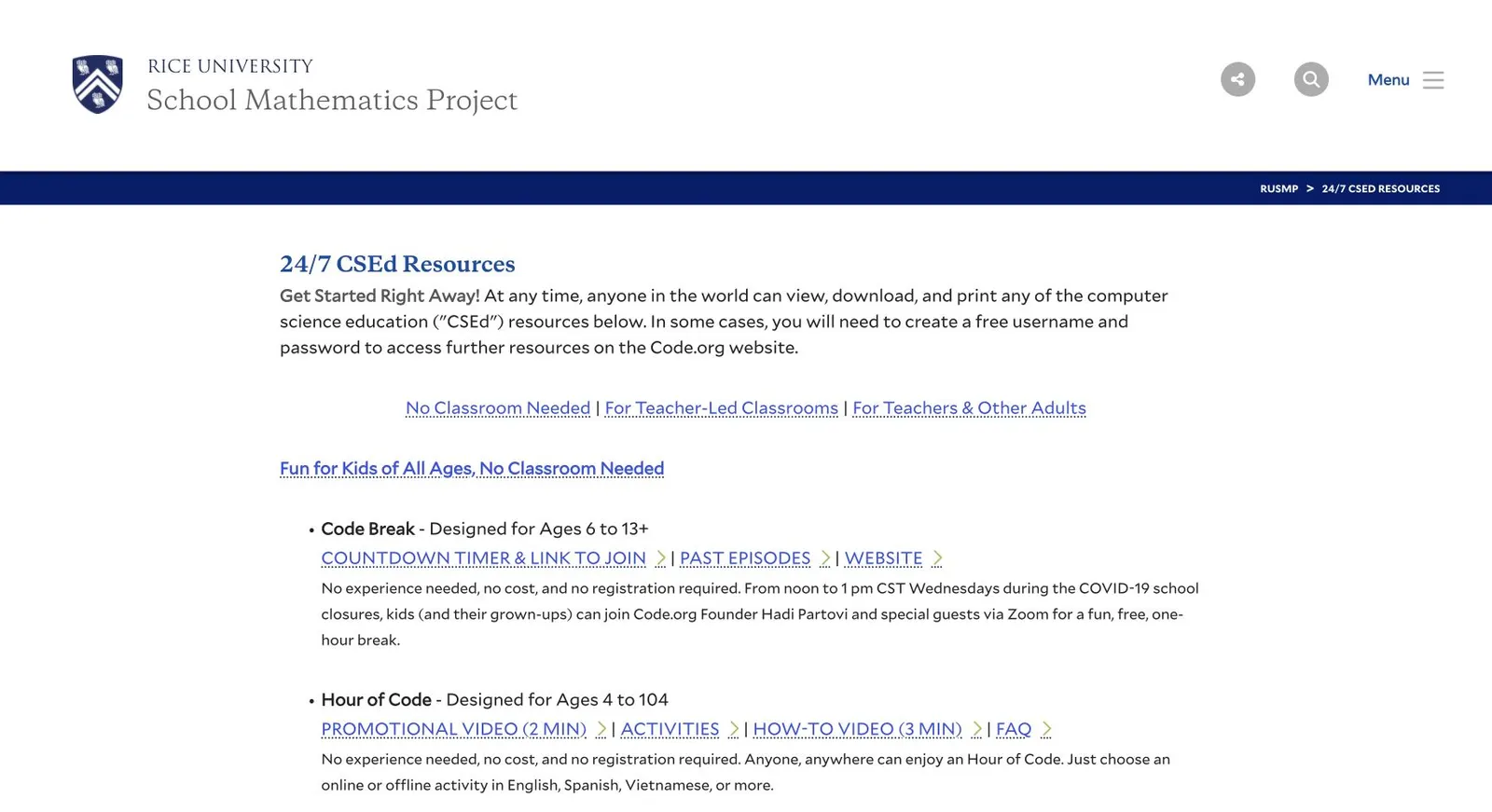
Rice 24/7 CSEd Resources
Rice University’s School Mathematics Project curates free computer-science resources for children and families, including Code Break, Hour of Code, and CS Fundamentals Express. It is listed under Coding and Maths & logic for ages 4–18.
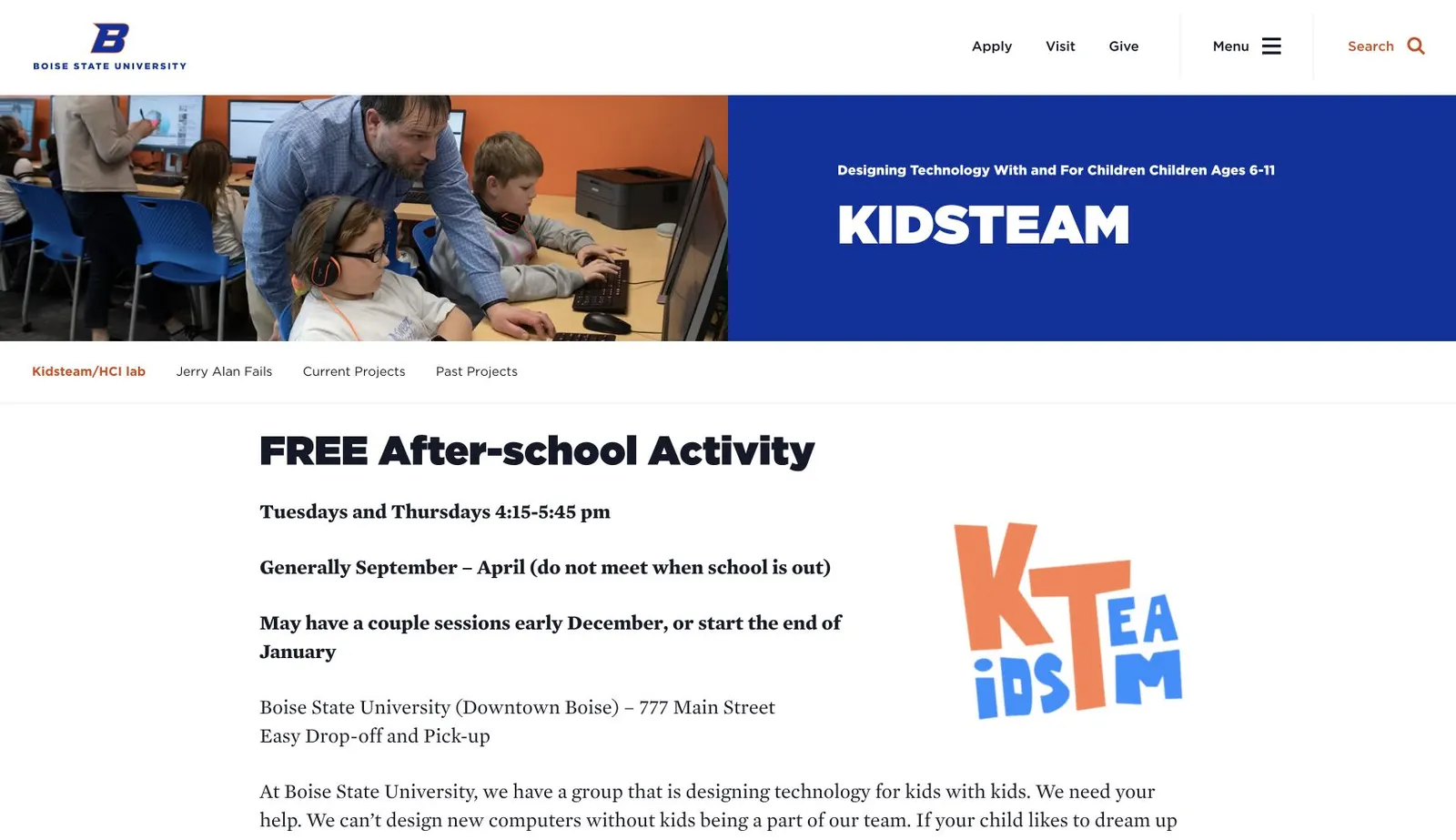
Boise State Kidsteam
Boise State University’s Kidsteam invites children to help design technology with researchers through free twice-weekly after-school sessions involving drawing, programming, problem solving, and collaborative making. It is listed under Coding and Maker & DIY for ages 6–11.
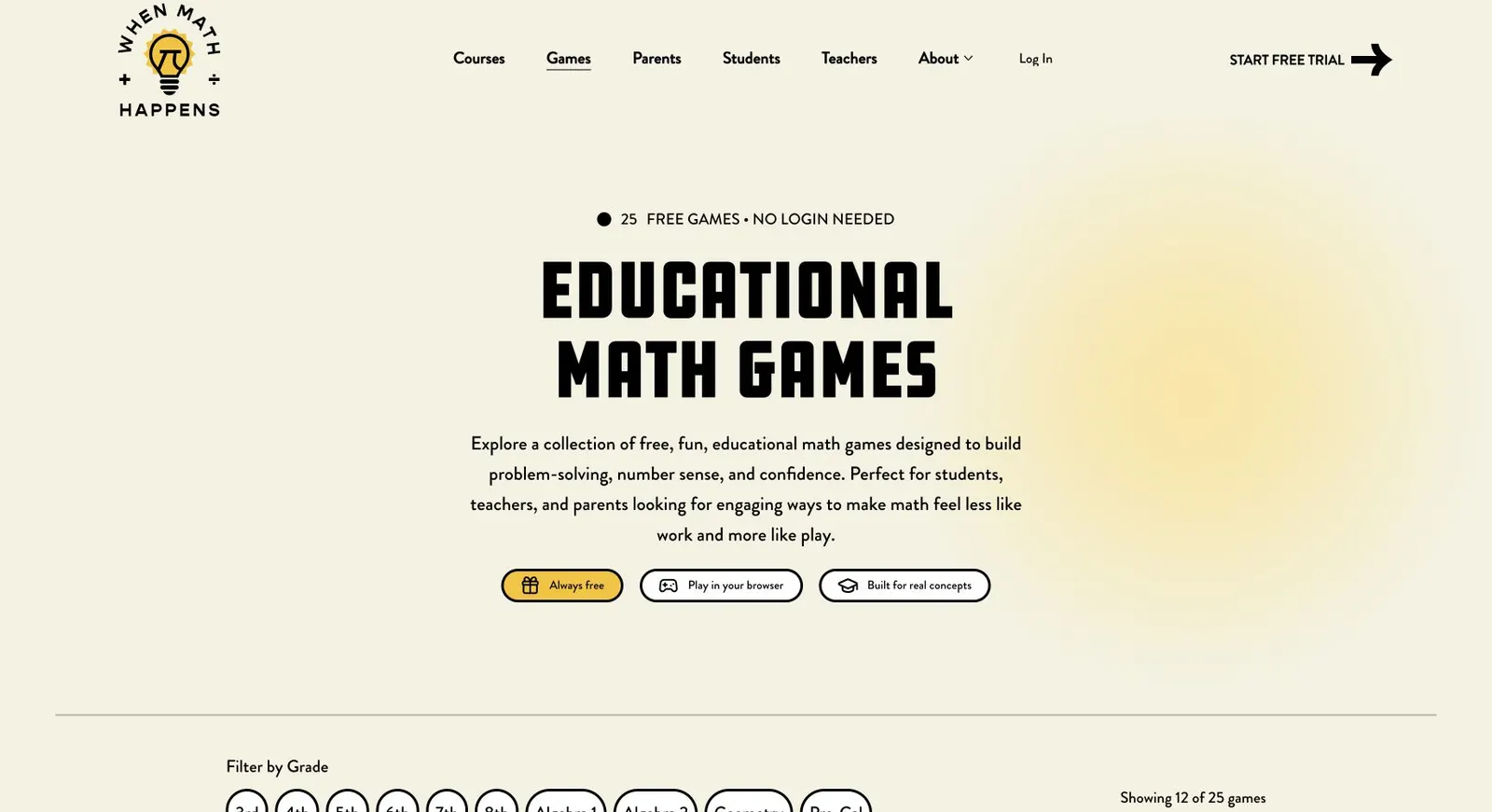
When Math Happens Games
When Math Happens offers free browser math games for elementary, middle-school, and high-school learners, including fractions, factors, algebra, graphing, logic, and patterns. It is listed under Maths & logic and Games for ages 6–18.
Compare with context
Use this collection to find a direction, then open each resource page before sharing it with a child. The individual review shows languages, access formats, tags, age guidance, source links, and notes for grown-ups.
Search the full directory →