Physical health Early learning
for kids
Explore 13 trusted physical health early learning resources selected for curious kids, with clear ages, access details, and parent context.
Two useful ways to narrow the directory
This page brings together physical health resources that also match early learning. Each listing keeps its own age range, platform details, languages, links, and parent notes, so you can compare options without losing context.
Explore all physical health resources →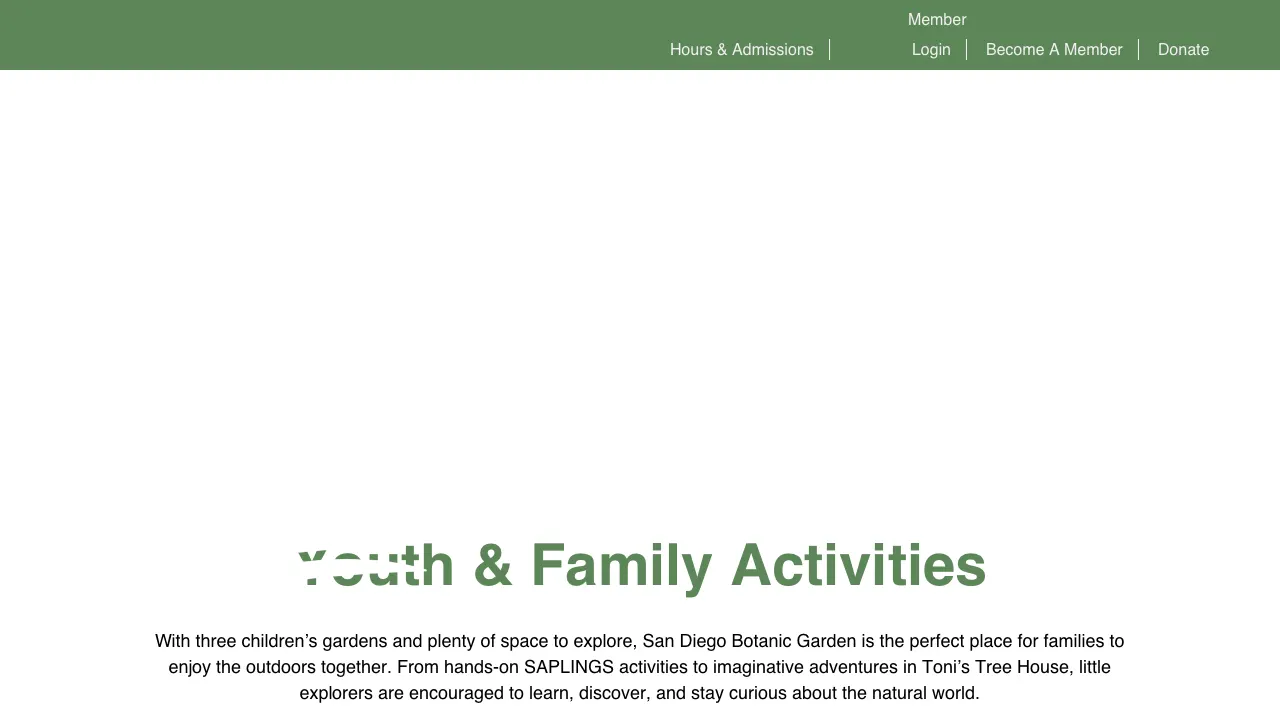
San Diego Botanic Garden Youth and Family Activities
Children's gardens, nature play, seasonal family programs, exploration stations, and hands-on activities for young naturalists. It is listed under Nature & environment and Early learning for ages 2-12. Children and families can use it through a website and a physical place.
Read the full resource review →More physical health picks
Atlanta Botanical Garden Playtime
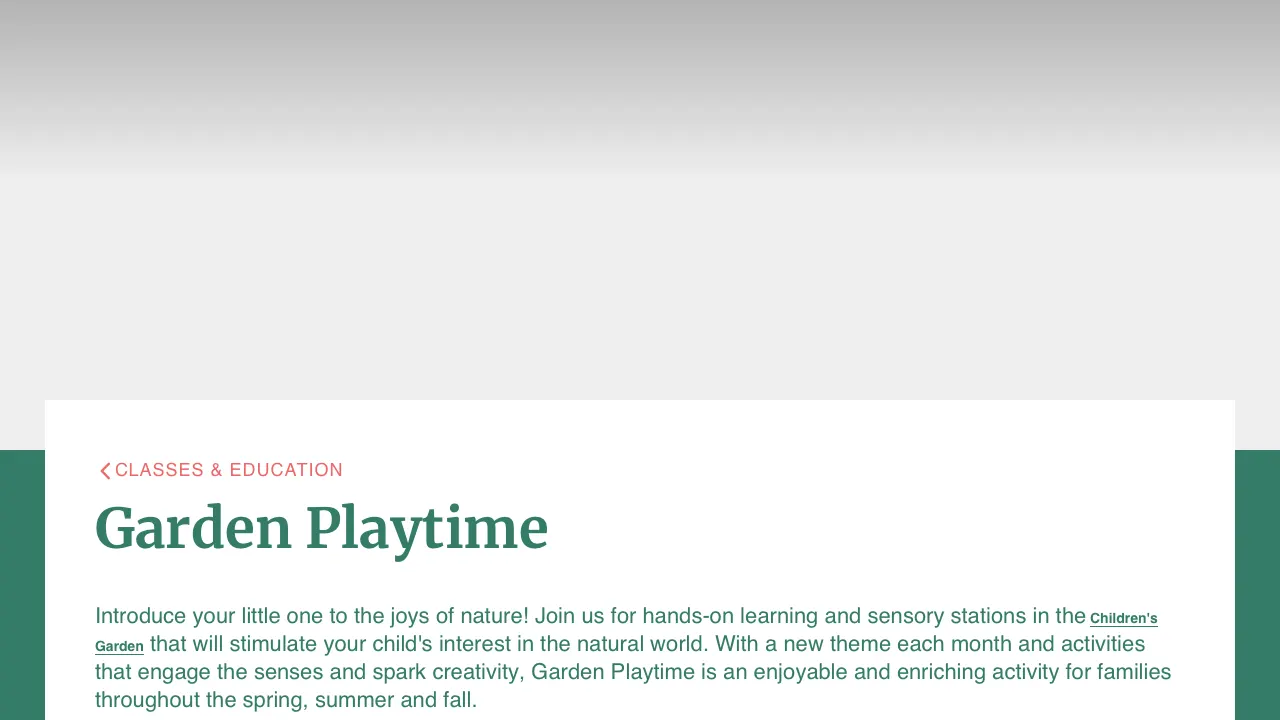
Hands-on nature play, sensory stations, stories, music, and family activities in the Children's Garden. It is listed under Nature & environment and Early learning for ages 0-5. Children and families can use it through a website and a physical place.
Parks Canada Parka Activities
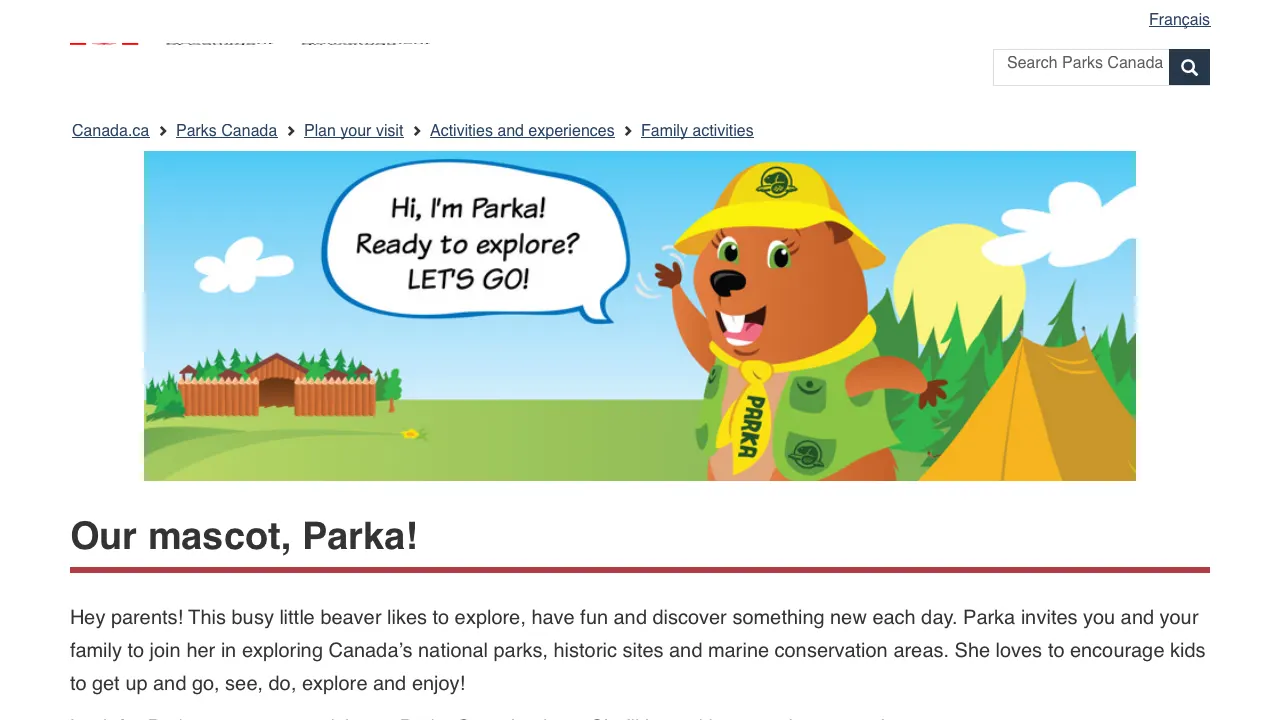
Parka is Parks Canada’s beaver mascot and guide for young children, with family activities, songs, and prompts to explore Canada’s national parks, historic sites, and marine conservation areas. It is listed under Nature & environment and Early learning for ages 3–6.
Hoppo Motion Games
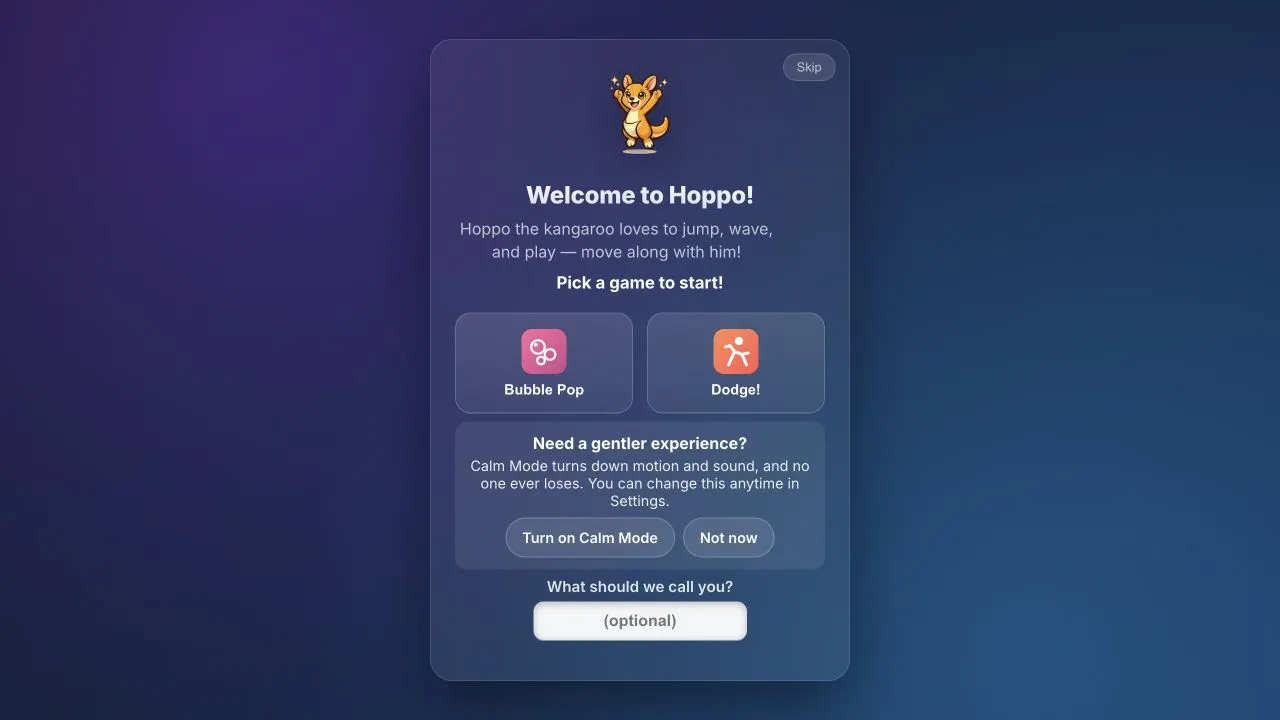
Browser games for ages 5–8 that use a device camera for jumping, waving, stretching, and tracing activities, with on-device processing and a calm mode. It is listed under Games and Movement for ages 5–8.
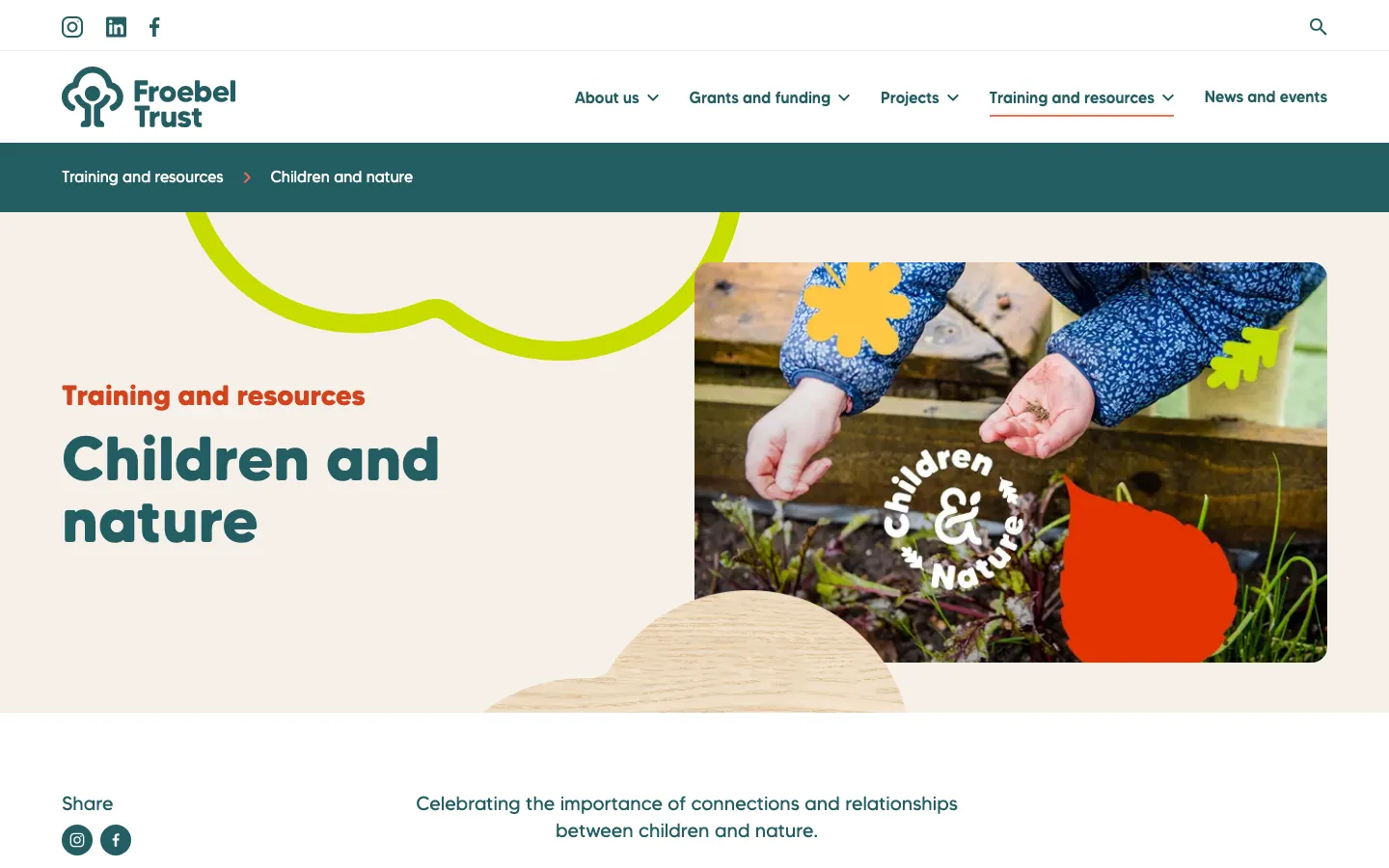
Froebel Trust: Children and Nature
The Froebel Trust’s Children and Nature resource page brings together a podcast episode, an outdoor-learning film, and a presentation about children’s connections with nature and outdoor play. It is listed under Nature & environment and Physical health for ages 3–8.
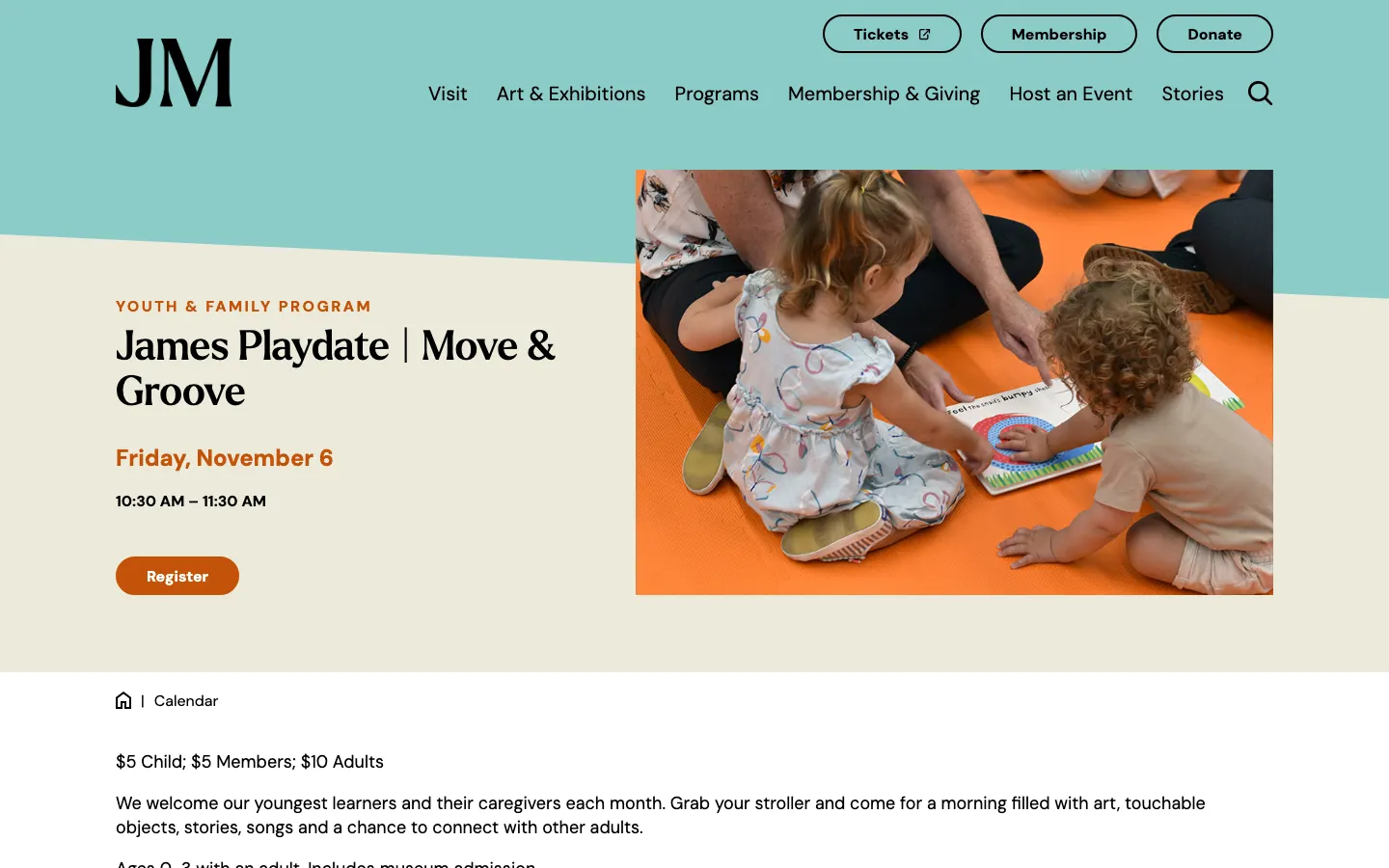
The James Museum Playdate: Move & Groove
An early-childhood museum program for ages 0–3 and caregivers combining art, touchable objects, stories, songs, and movement. It is listed under Art & creativity and Physical health for ages 0–3 with adult. Children and families can use it through a website.
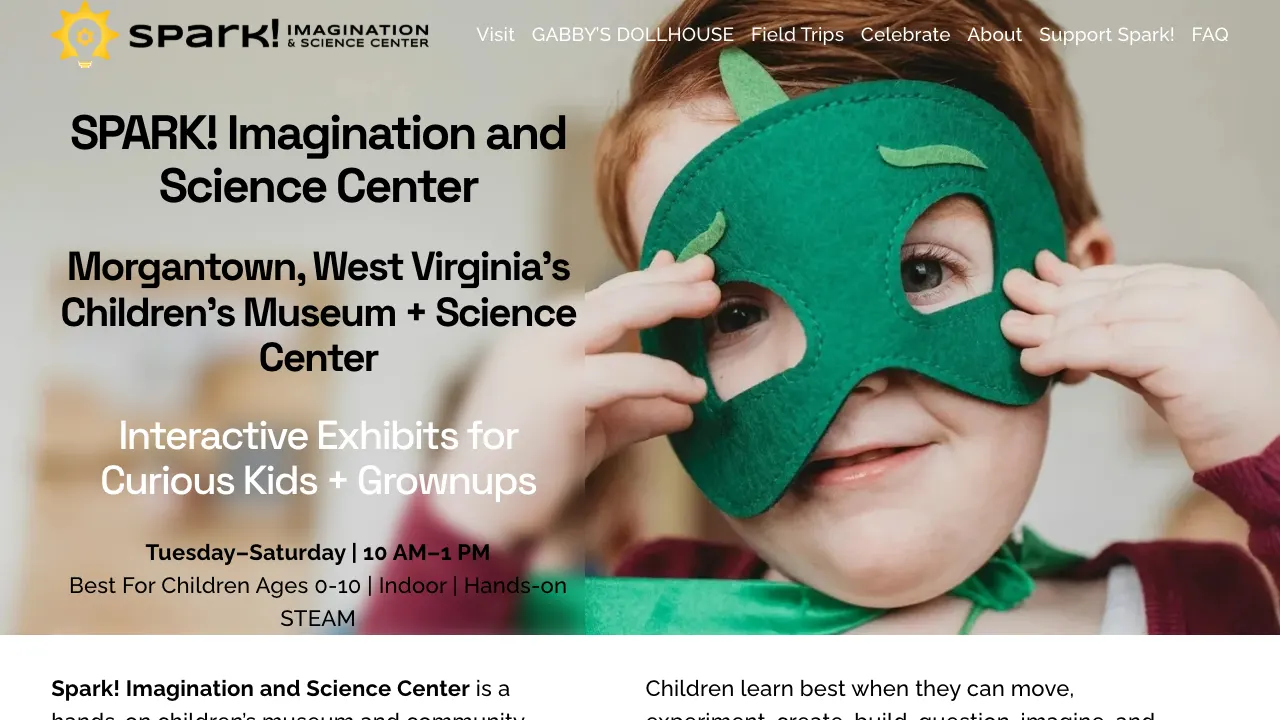
Spark! Imagination and Science Center
A hands-on children's museum and science center where young children experiment, create, build, and explore. It is listed under Science and Art & creativity for ages 0-10. Children and families can use it through a website and a physical place.
CMLH at Home
Children’s Museum of La Habra activity ideas for little learners, including nature walks, storytelling, crafts, sensory play, engineering, science, math, music, and movement. It is listed under Maker & DIY, Science, and Art & creativity for ages 2–8.
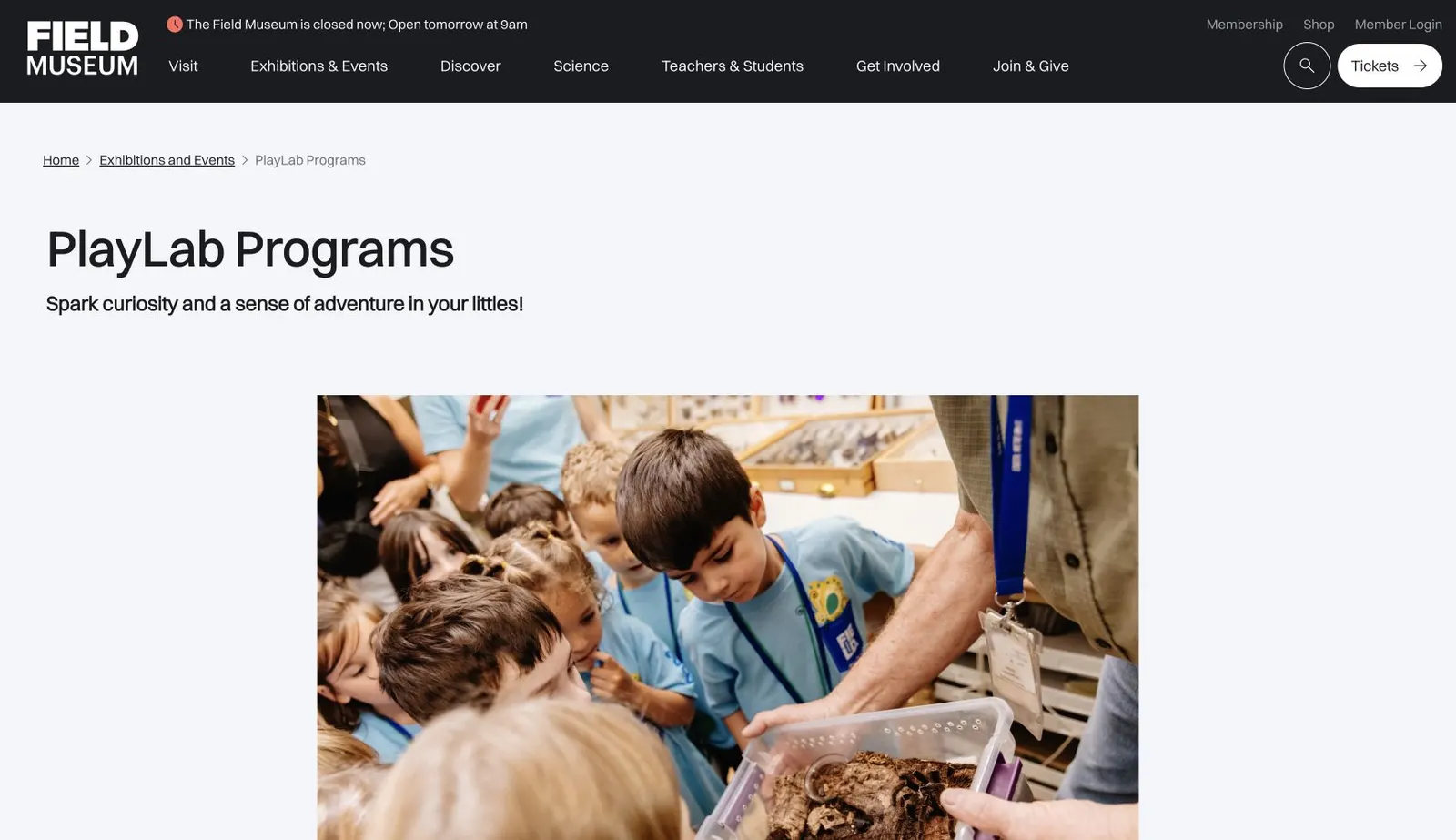
Field Museum PlayLab Programs
The Field Museum’s PlayLab programs invite young scientists ages 3 through first grade to learn through workshops, free drop-in PlayDates, camps, and field trips. It is listed under Science and Museum learning for ages 3–7.
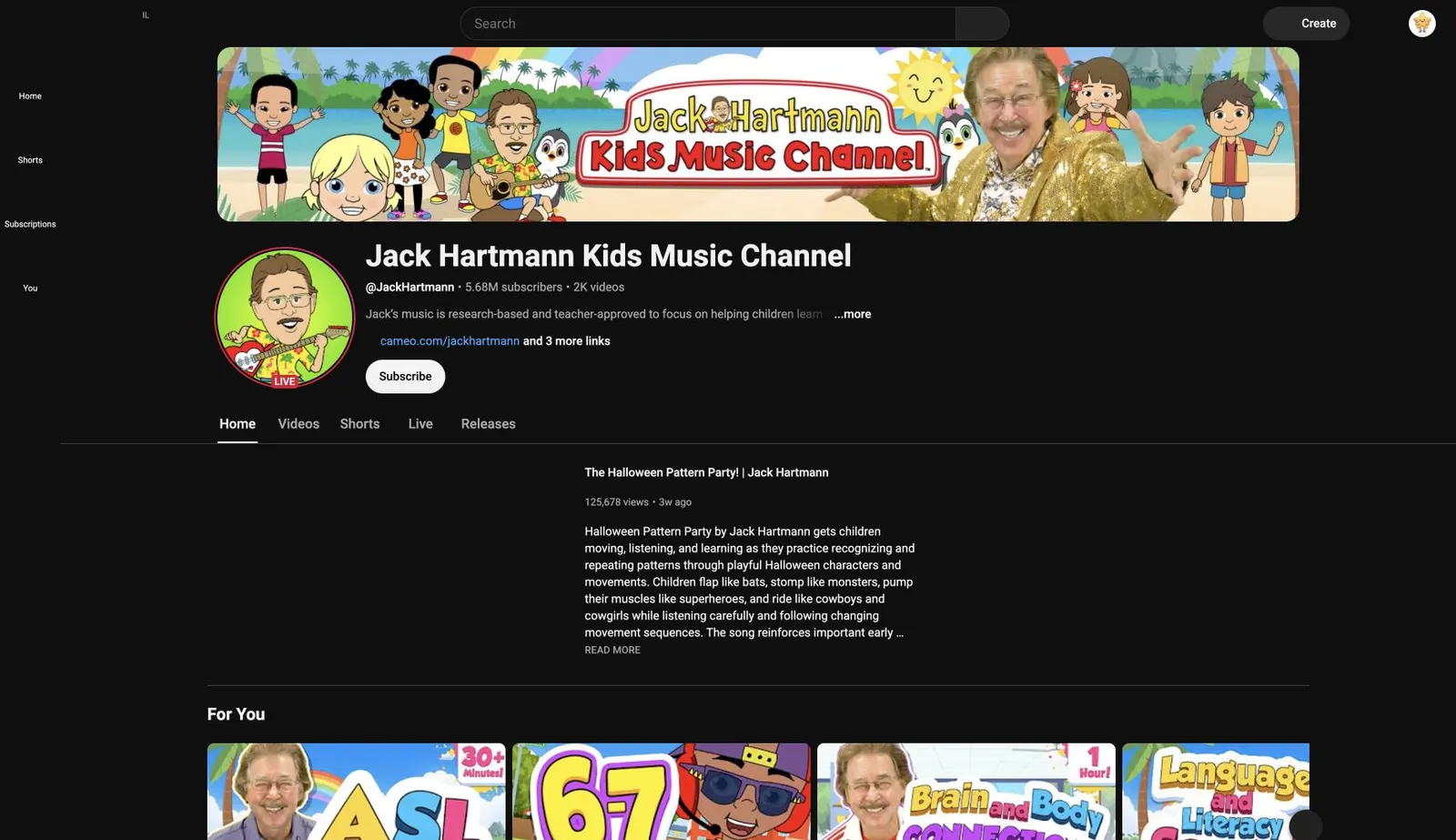
Jack Hartmann Kids Music Channel
Research-informed movement, counting, literacy, and classroom songs that help young children learn through music and exercise. It is listed under Music, Mathematics, and Reading for ages 3–8. Children and families can use it through a YouTube channel.
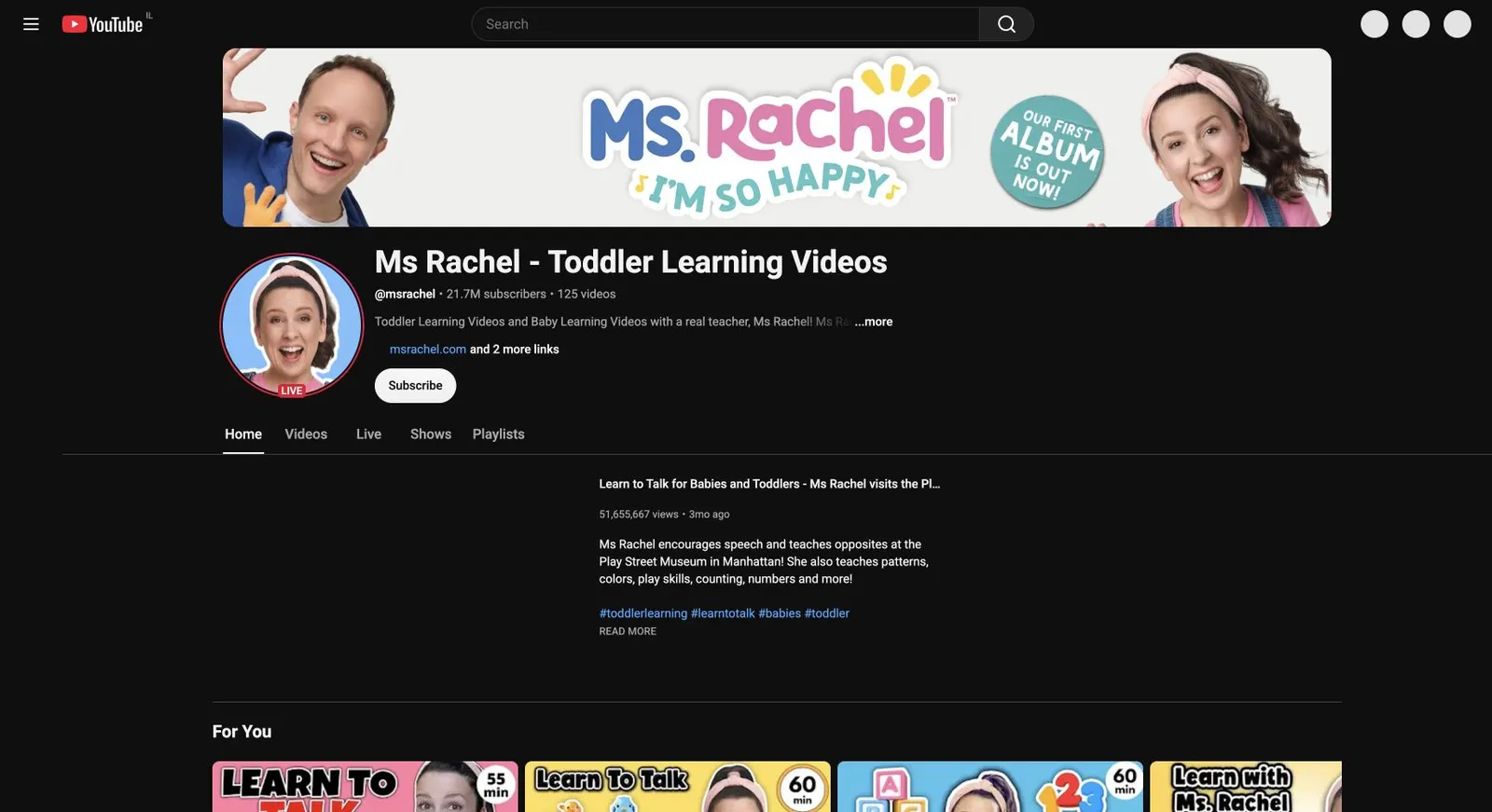
Ms Rachel – Toddler Learning Videos
Interactive toddler and preschool videos focused on speech, language, songs, play, and early milestones. It is listed under Early learning, Language, and Music for ages 0–5. Children and families can use it through a YouTube channel.
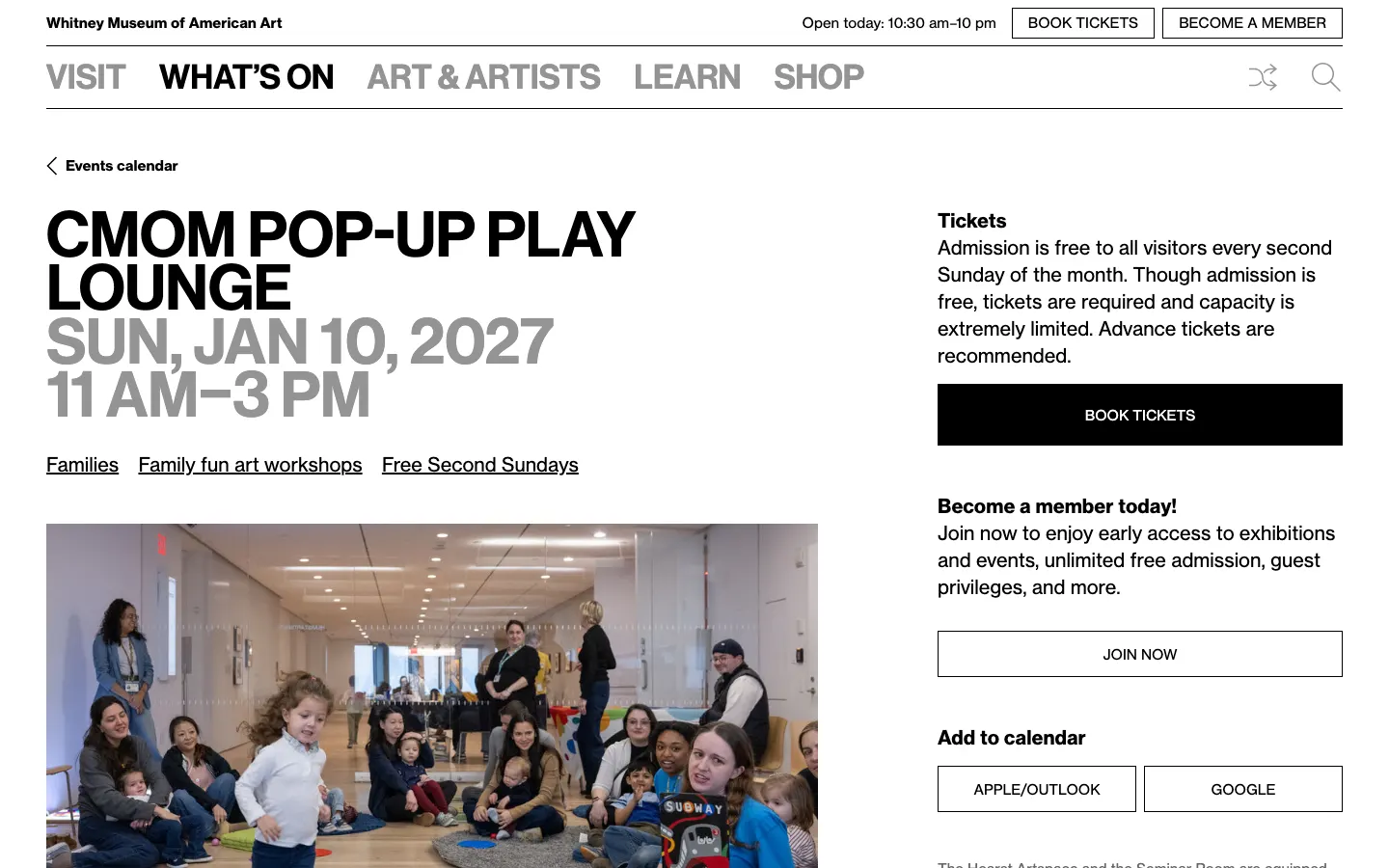
Children’s Museum of Manhattan CMOM Pop-up Play Lounge
A free family play lounge at the Whitney with sensory materials, sand, colors and shadows, lightboards, collaborative structures, music, movement, and bubbles. It is listed under Early learning and Art & creativity for ages Under 5 with families.
CellieKids
Free educational videos, games, songs, activities, and printables for children ages 2-9. It is listed under Reading, Science, and Mathematics for ages 2-9. Children and families can use it through a website and a YouTube channel.
Compare with context
Use this collection to find a direction, then open each resource page before sharing it with a child. The individual review shows languages, access formats, tags, age guidance, source links, and notes for grown-ups.
Search the full directory →