Parent & educator Media literacy
for kids
Explore 12 trusted parent & educator media literacy resources selected for curious kids, with clear ages, access details, and parent context.
Two useful ways to narrow the directory
This page brings together parent & educator resources that also match media literacy. Each listing keeps its own age range, platform details, languages, links, and parent notes, so you can compare options without losing context.
Explore all parent & educator resources →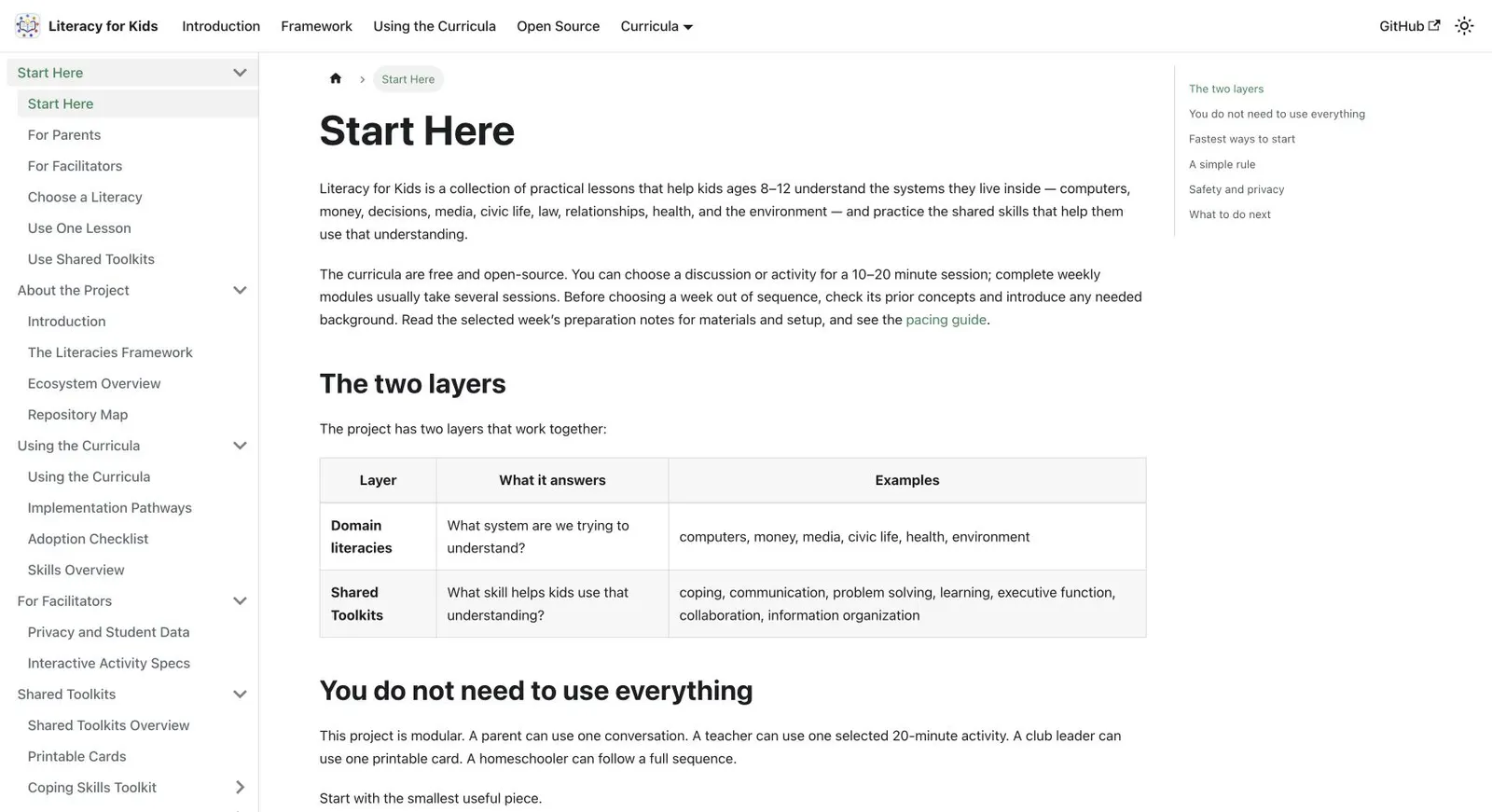
Literacy for Kids
Literacy for Kids is a free, open-source collection of practical lessons for ages 8–12 covering computer, money, media, civic, legal, health, environmental, emotional, and social literacy through short activities and shared toolkits.
Read the full resource review →More parent & educator picks

Teaching Kids News
Free, readable current-events articles written by professional journalists for children, families, and classrooms. It is listed under Reading, History & culture, and Parent & educator for ages 8–14. Children and families can use it through a website.
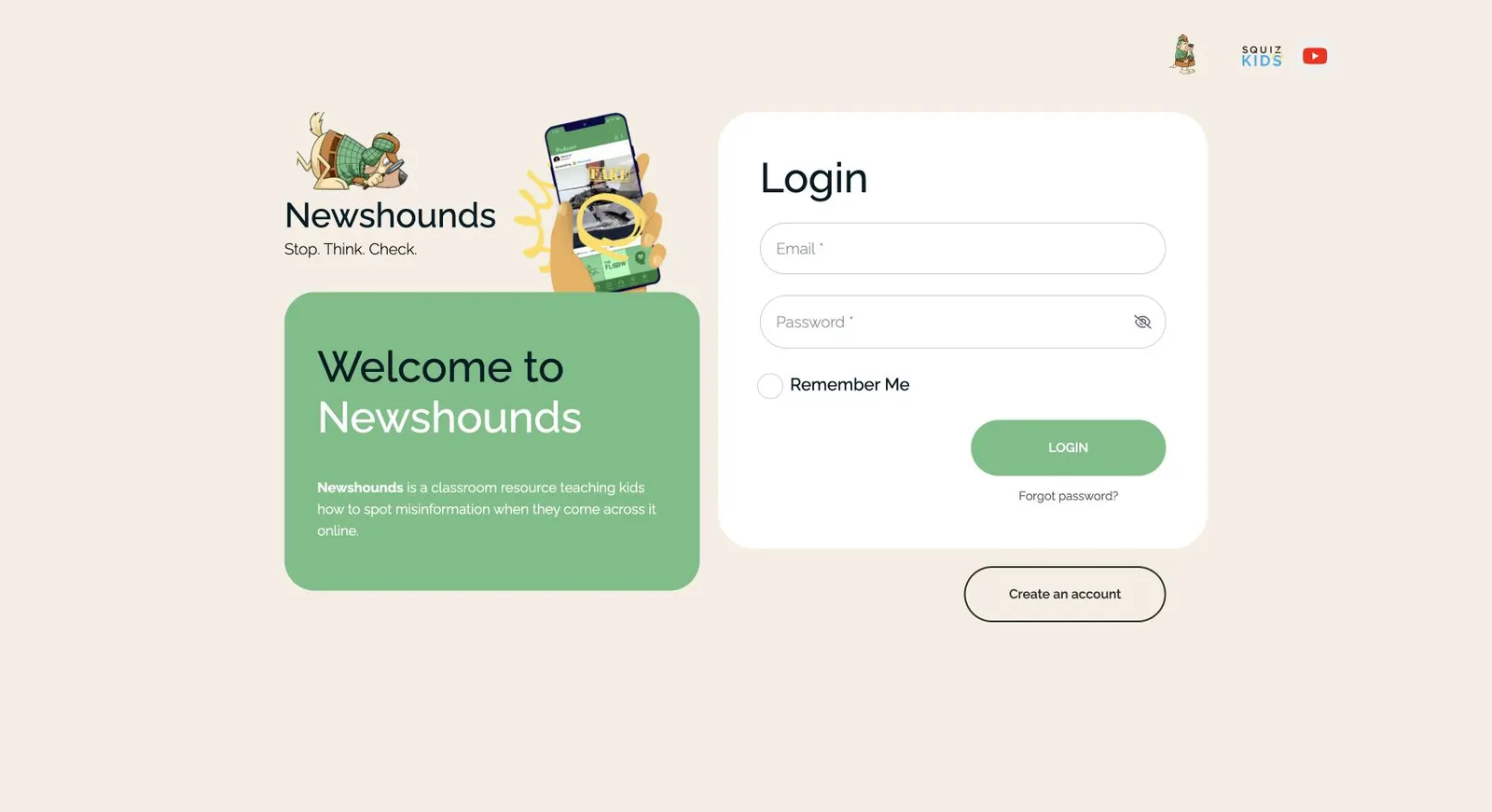
Newshounds by Squiz Kids
A classroom media-literacy resource teaching children how to spot misinformation online using the “Stop. Think. Check.” approach. It is listed under Literacy, Media literacy, and Podcast for ages 8–12. Children and families can use it through a website.
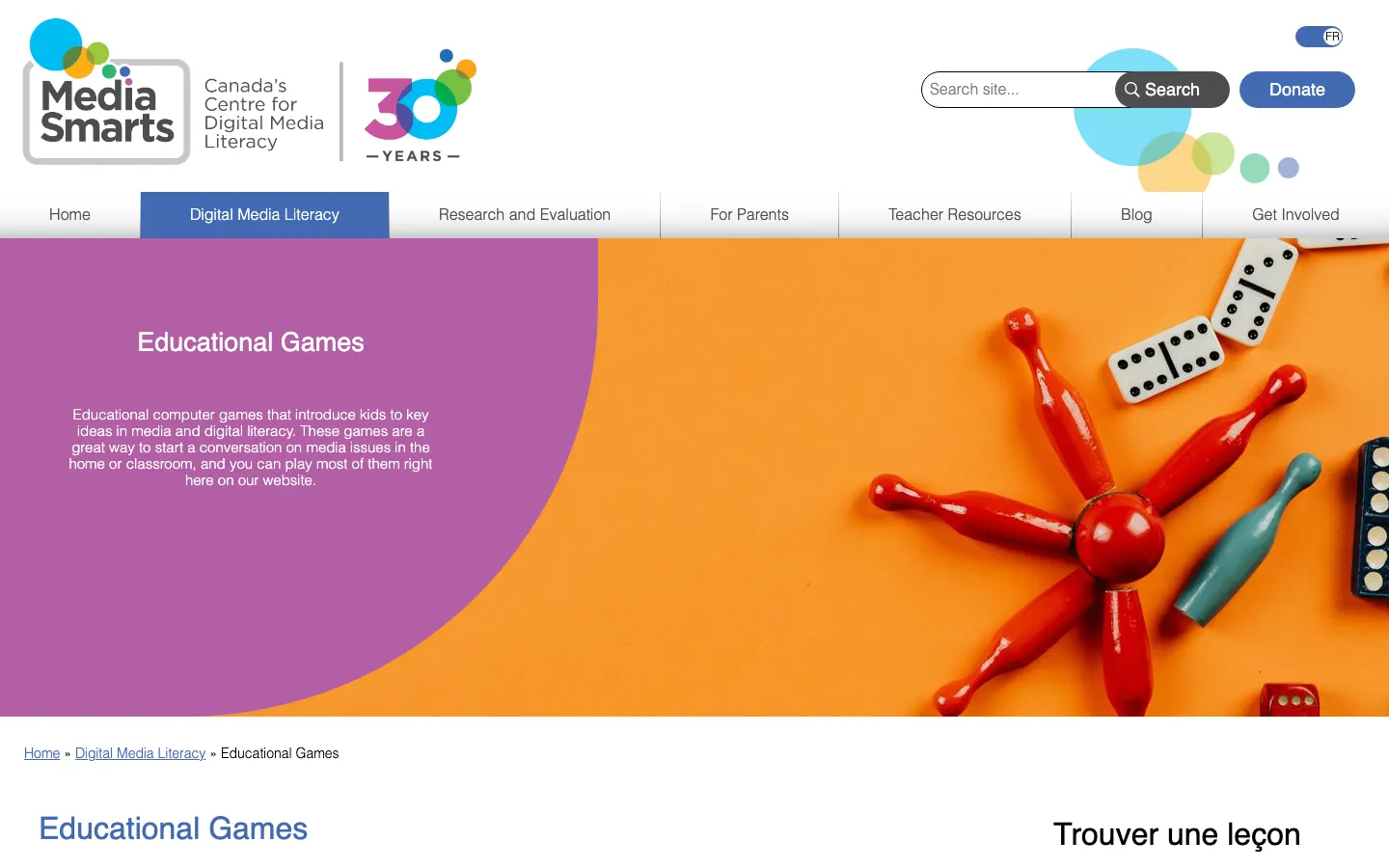
MediaSmarts Educational Games
MediaSmarts educational games help children and teens practise digital and media literacy through interactive activities about privacy, advertising, online safety, and critical thinking. It is listed under Coding and Social-emotional for ages 5–18; game-specific.
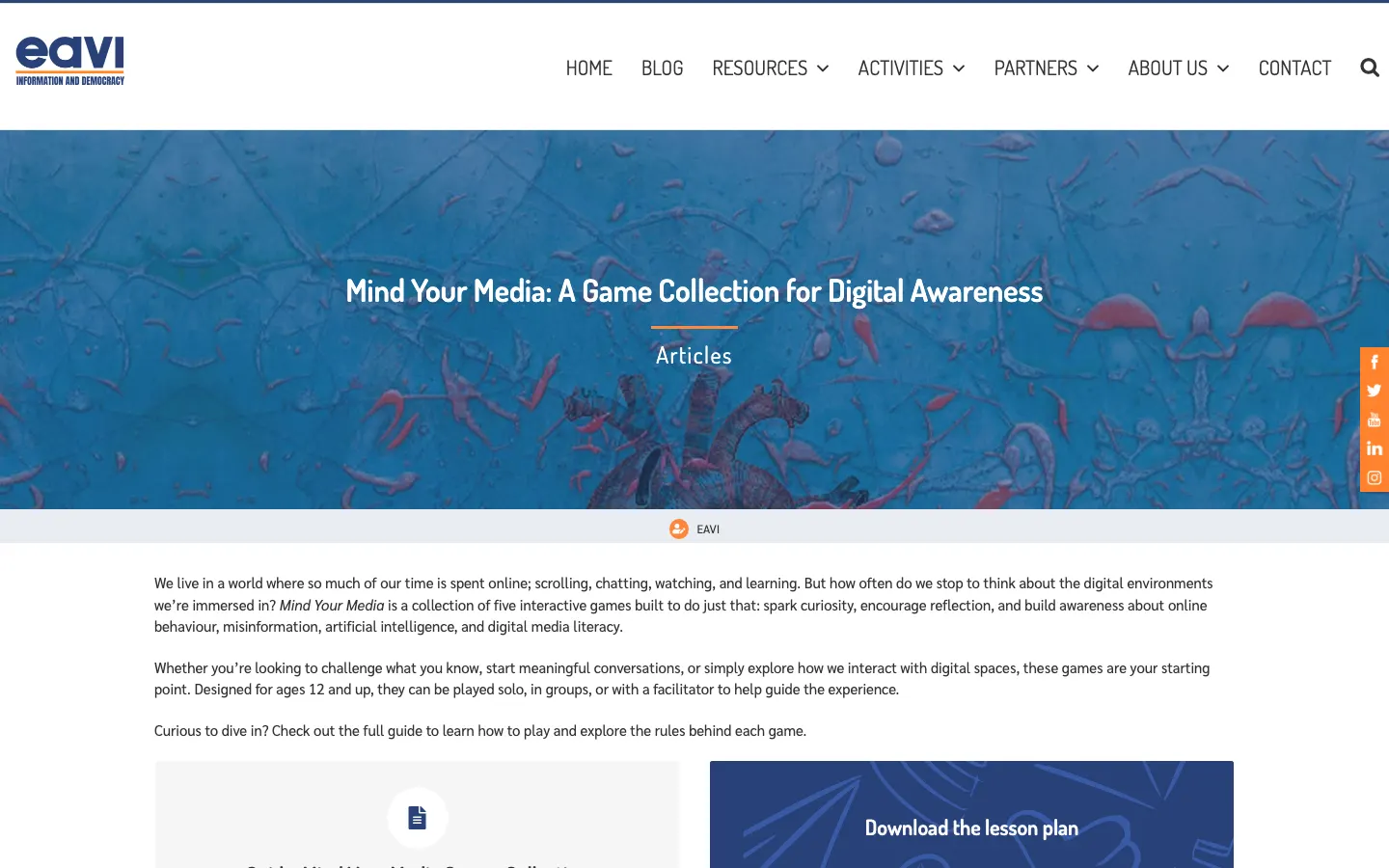
Mind Your Media
EAVI’s media-literacy game collection uses interactive activities about online behaviour, misinformation, artificial intelligence, scams, and digital media. It is listed under Coding and Social-emotional for ages 12+. Children and families can use it through a website.
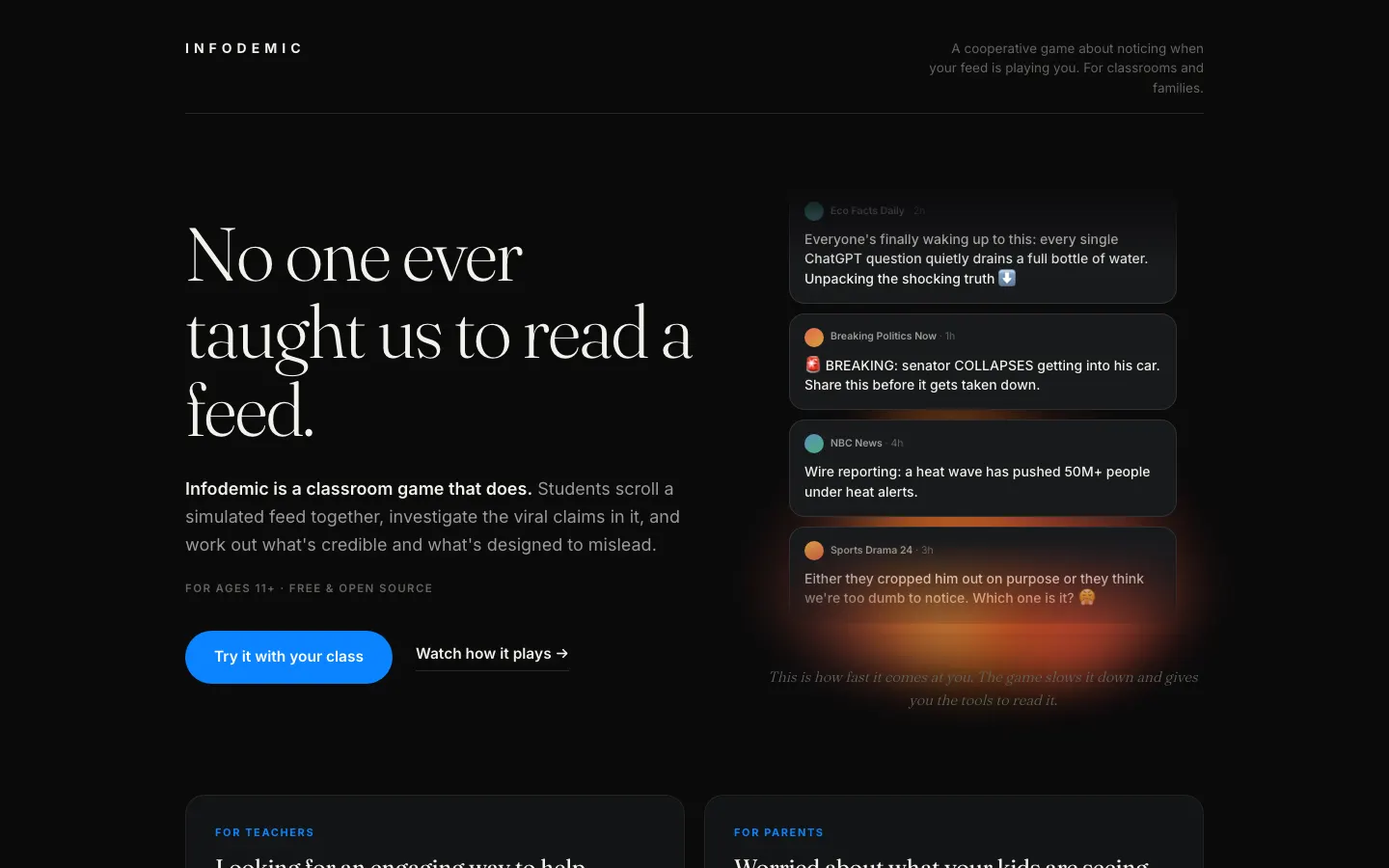
Infodemic
A free cooperative classroom game that helps students practice reading news feeds, checking sources, and discussing how information spreads online. It is listed under Technology and Reading for ages Grades 6–12; classroom activity. Children and families can use it through a website.

News Literacy Project
A nonprofit media-literacy organization providing resources and learning opportunities that help young people evaluate news and information more confidently. It is listed under Learning & school and Media literacy for ages Students, families, and educators; program-specific.
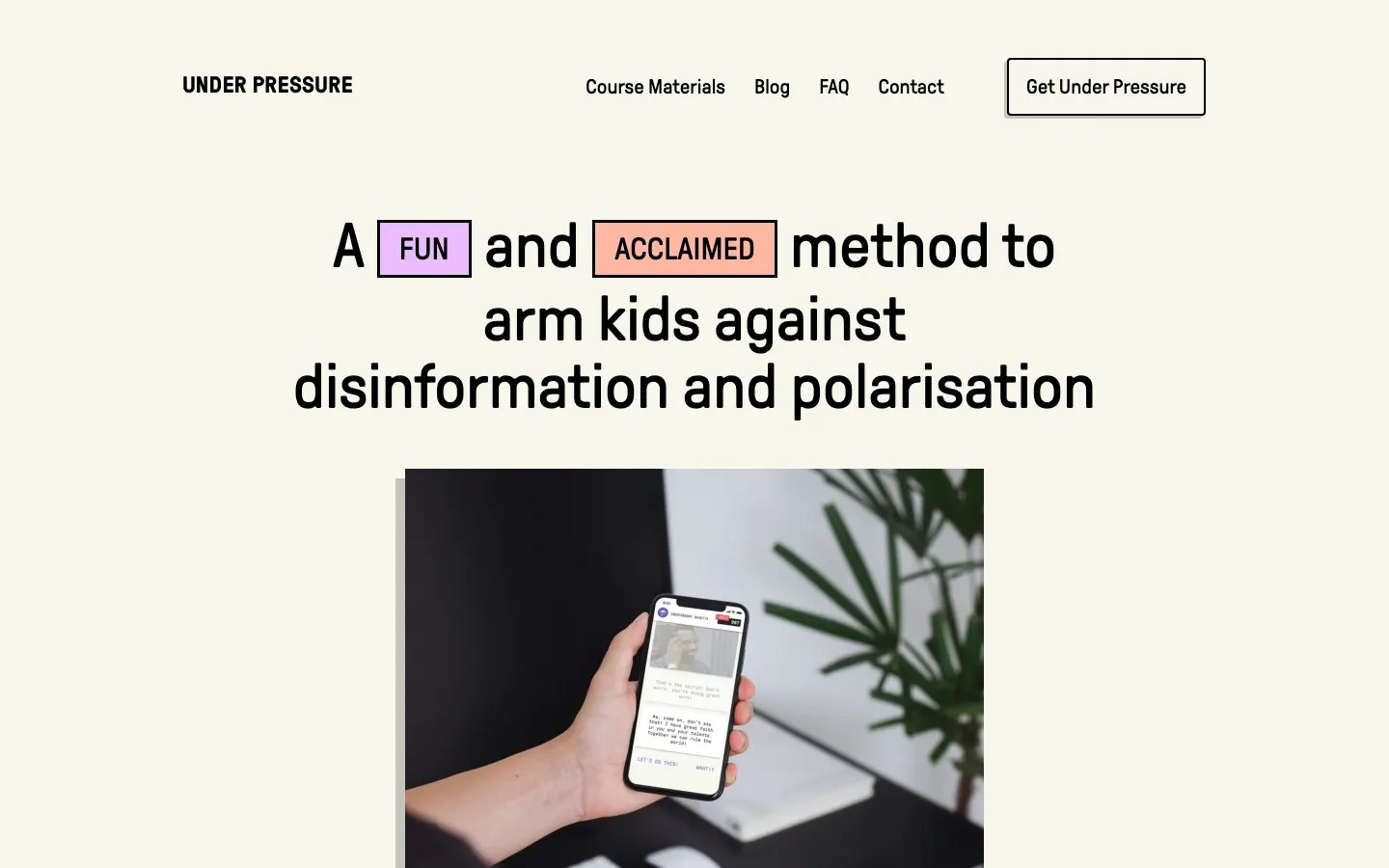
Under Pressure
A serious game and peer-education method that helps young people recognize disinformation, online manipulation, and polarisation through guided classroom discussion. It is listed under Social-emotional and Parent & educator for ages 13–18. Children and families can use it through a website.
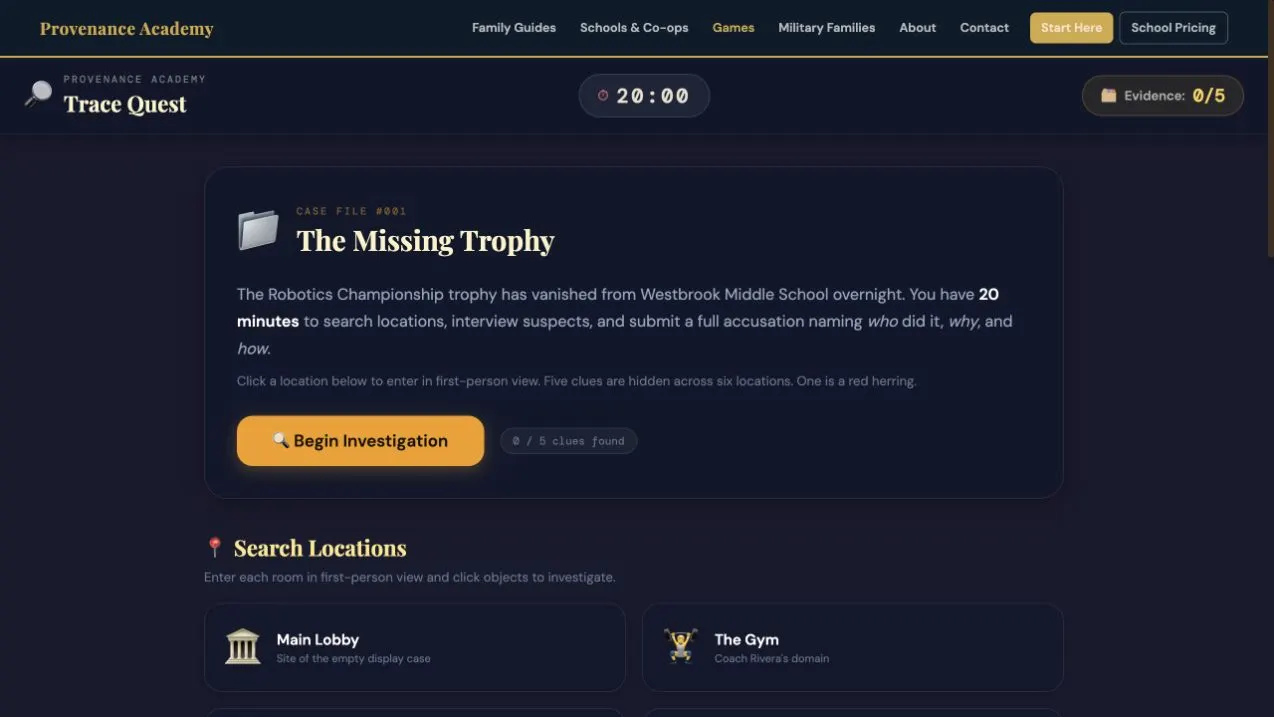
Trace Quest
A free browser detective game where children trace online information, evaluate sources, and practice spotting misinformation through a timed mystery. It is listed under Parent & educator and Games for ages 6–12. Children and families can use it through a website.

Truth Runners
A free fact-checking game with elementary, middle-school, and high-school paths that trains source verification and misinformation detection under pressure. It is listed under Parent & educator and Games for ages 8–14. Children and families can use it through a website.
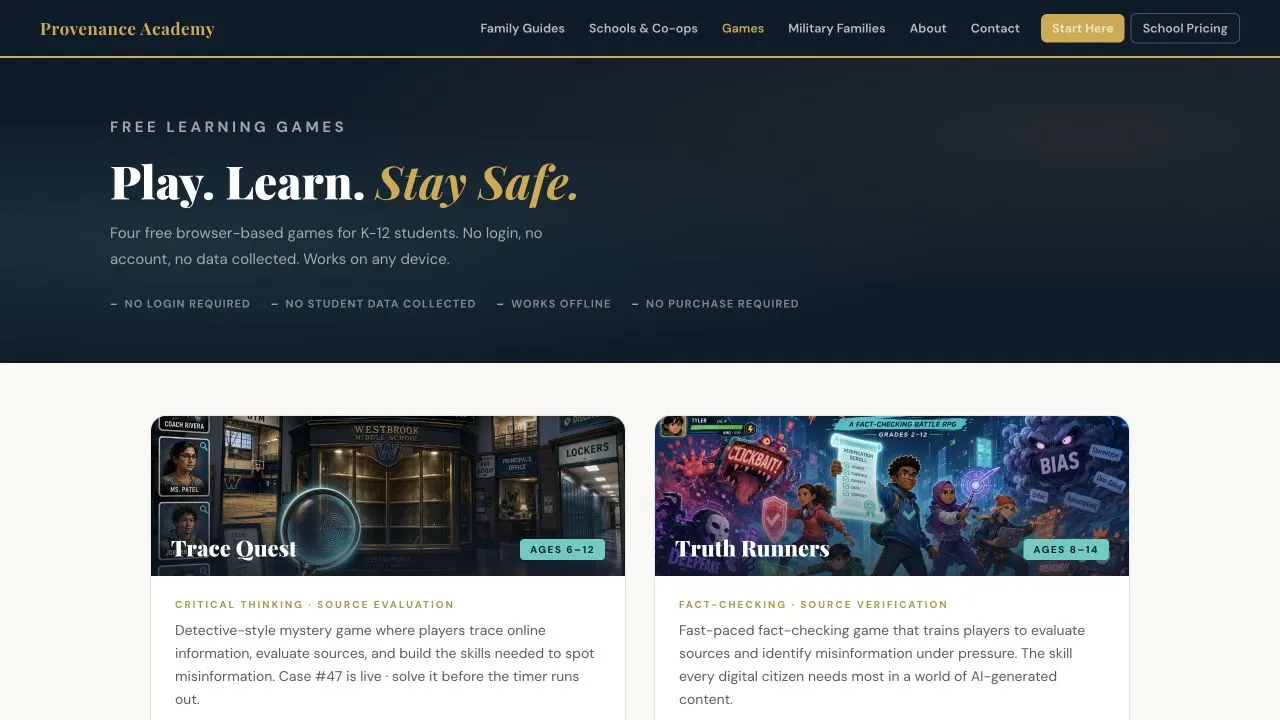
Provenance Academy Free Games
A free collection of browser-based digital-safety games for K–12 students, including media literacy, fact-checking, vocabulary, and focus activities with no login or student data collection. It is listed under Parent & educator and Games for ages 5–18.
Media Literacy Activities for Kids & Families
The American Academy of Pediatrics offers family activities for building critical thinking about apps, games, advertising, privacy, online content, and healthy media habits. It is listed under Social-emotional and Parent & educator for ages 6–18 with adult guidance.
Compare with context
Use this collection to find a direction, then open each resource page before sharing it with a child. The individual review shows languages, access formats, tags, age guidance, source links, and notes for grown-ups.
Search the full directory →