Nature & environment Engineering
for kids
Explore 19 trusted nature & environment engineering resources selected for curious kids, with clear ages, access details, and parent context.
Two useful ways to narrow the directory
This page brings together nature & environment resources that also match engineering. Each listing keeps its own age range, platform details, languages, links, and parent notes, so you can compare options without losing context.
Explore all nature & environment resources →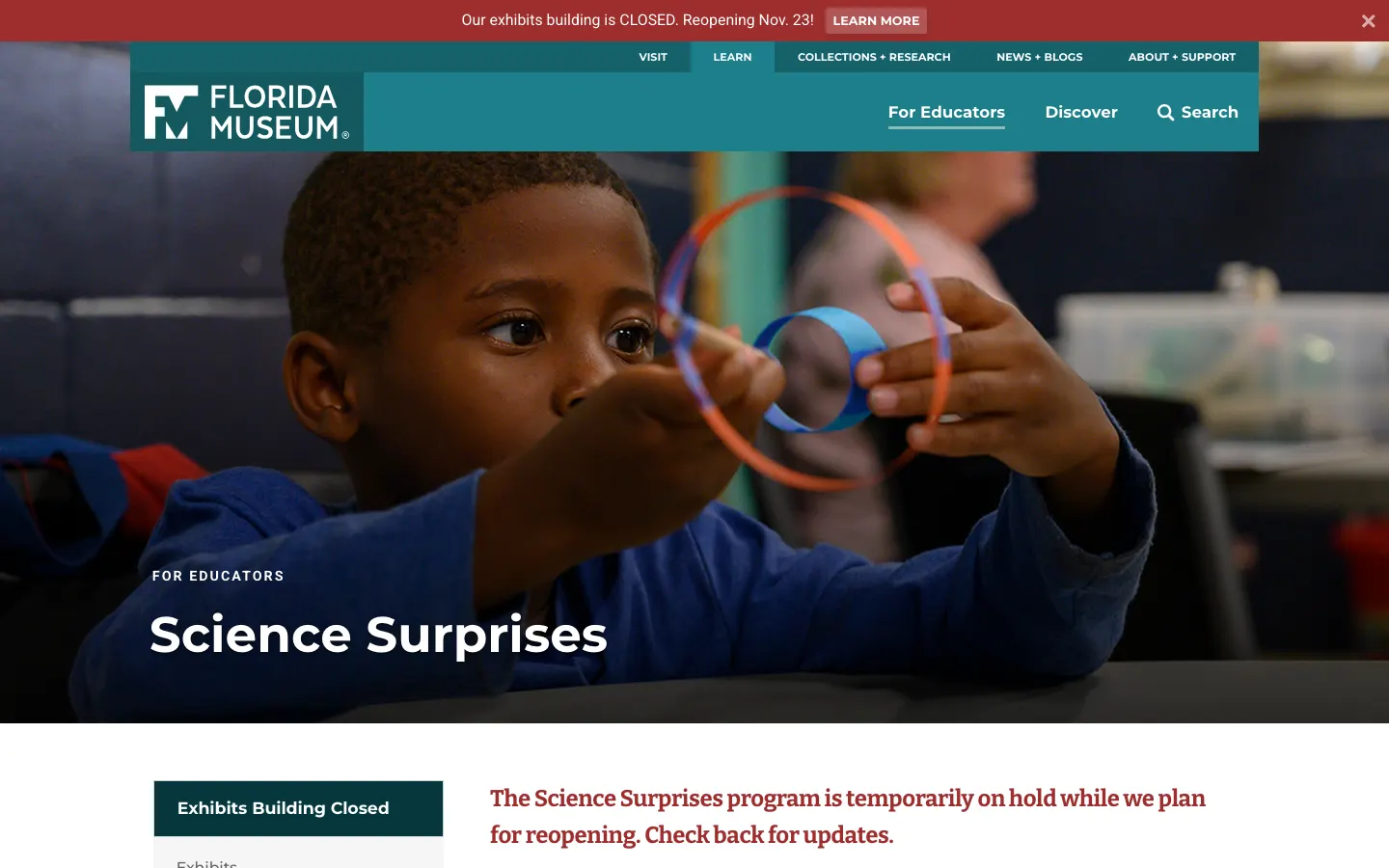
Florida Museum Science Surprises
Florida Museum Science Surprises offers virtual or in-person inquiry-based sessions about natural history, engineering tools, and physics in nature with take-home activities. It is listed under Science and Nature & environment for ages Grades K–6.
Read the full resource review →More nature & environment picks
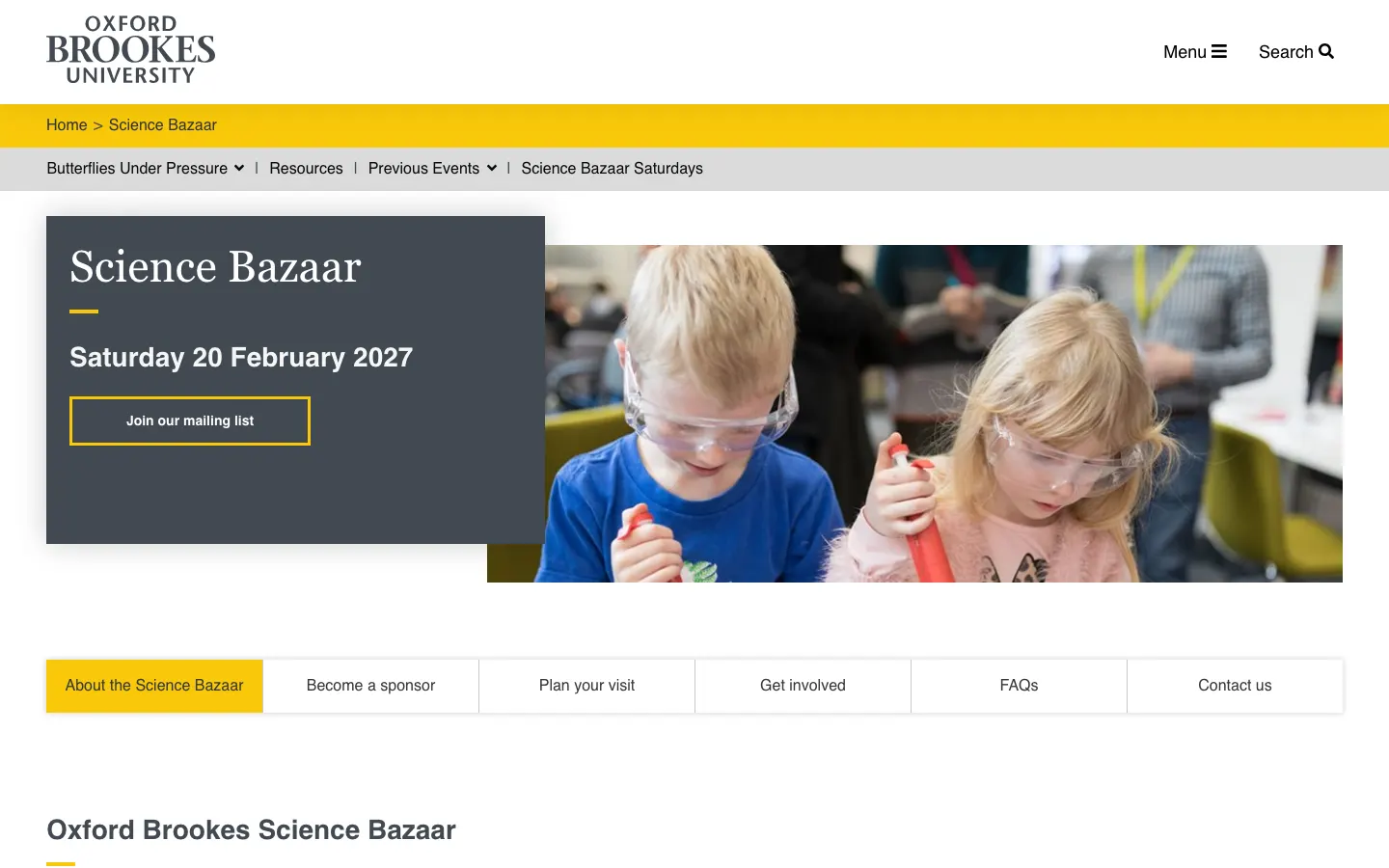
Oxford Brookes Science Bazaar
A free family science festival with hands-on activities, demonstrations, workshops, and shows led by scientists, engineers, artists, and students across technology, nature, health, and creativity. It is listed under Science and Nature & environment for ages 5–12 and families.
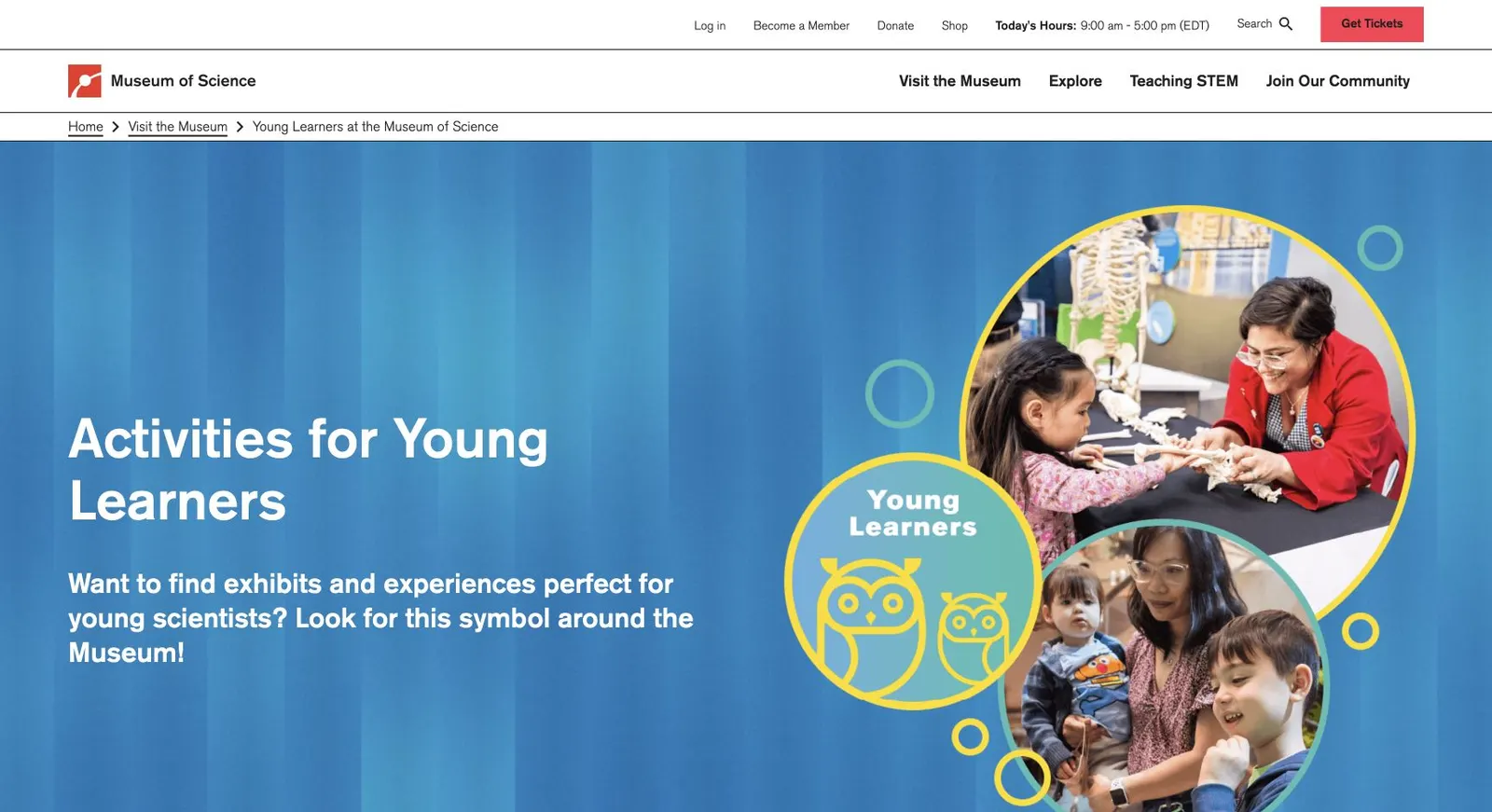
Museum of Science Young Learners
A Museum of Science guide to exhibits and experiences designed for young scientists, including animals, dinosaurs, space, and engineering play. It is listed under Science, Engineering, and Nature & environment for ages 0–7. Children and families can use it through a website and downloadable resources.
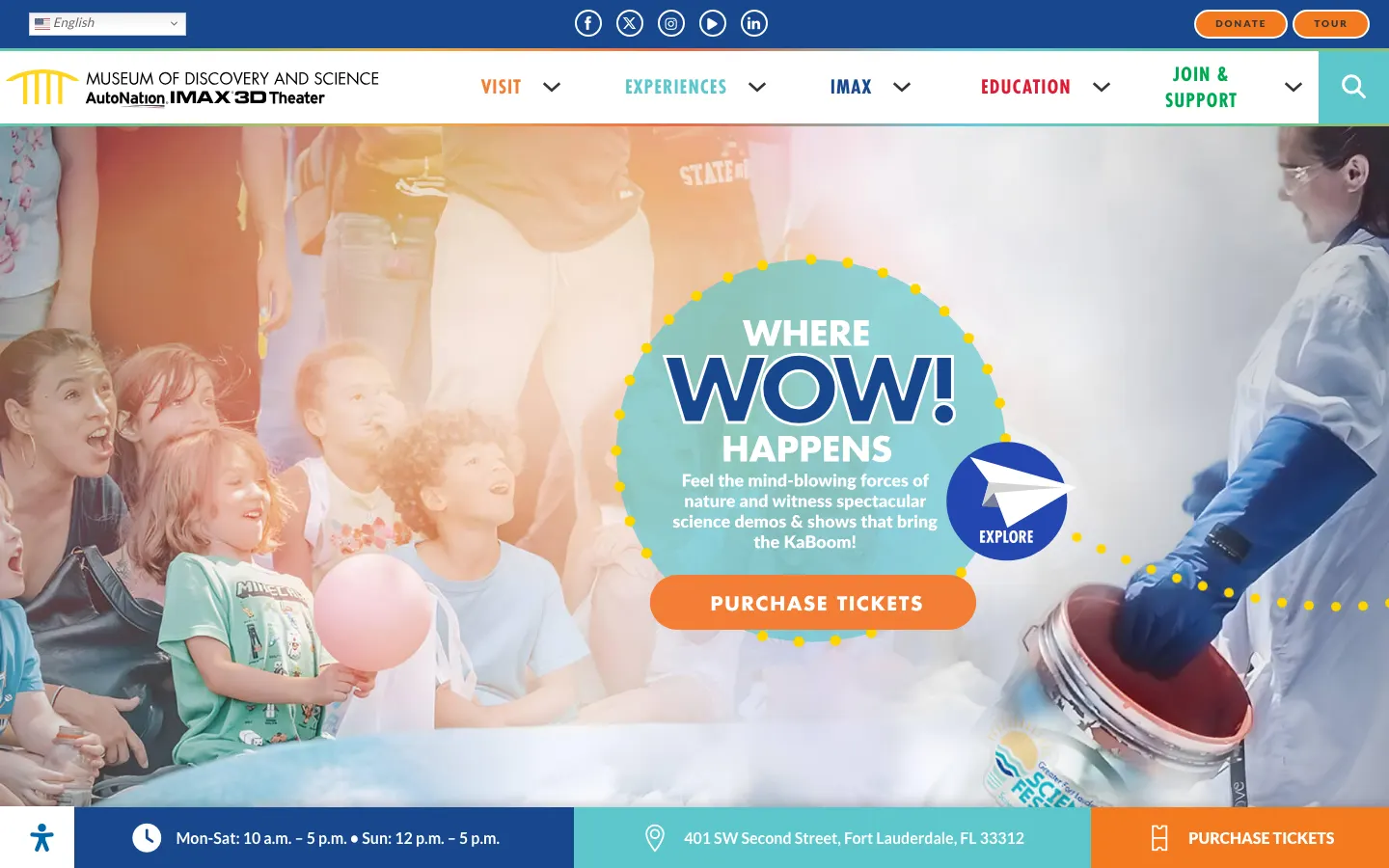
Museum of Discovery and Science
The Museum of Discovery and Science offers hands-on science, engineering, technology, and environmental learning for children and families in Fort Lauderdale. It is listed under Science and Engineering for ages 3–18. Children and families can use it through a website.
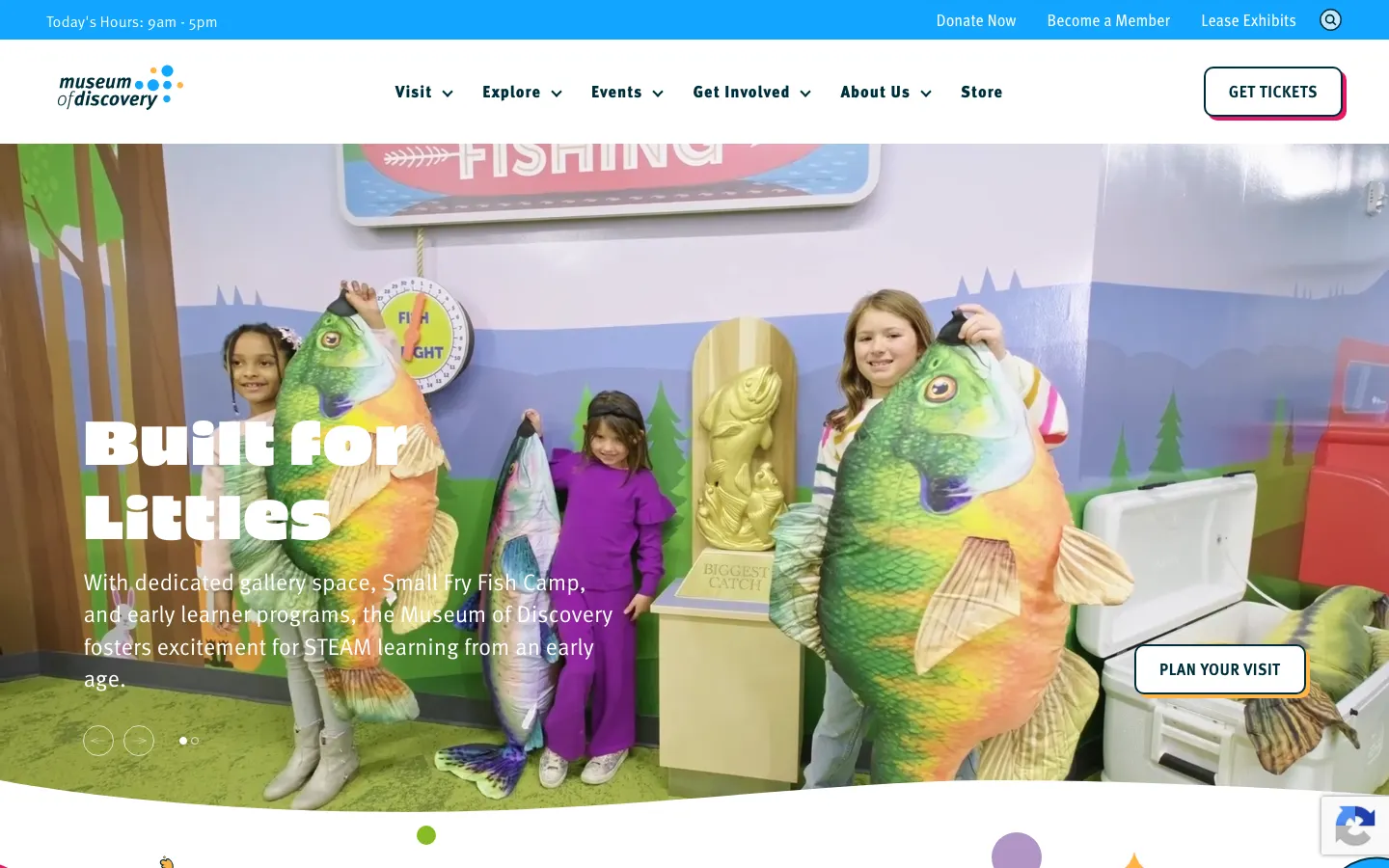
Museum of Discovery (Little Rock)
The Museum of Discovery in Little Rock offers interactive science, technology, engineering, and environmental exhibits for children and families. It is listed under Science and Nature & environment for ages 3–18. Children and families can use it through a website.
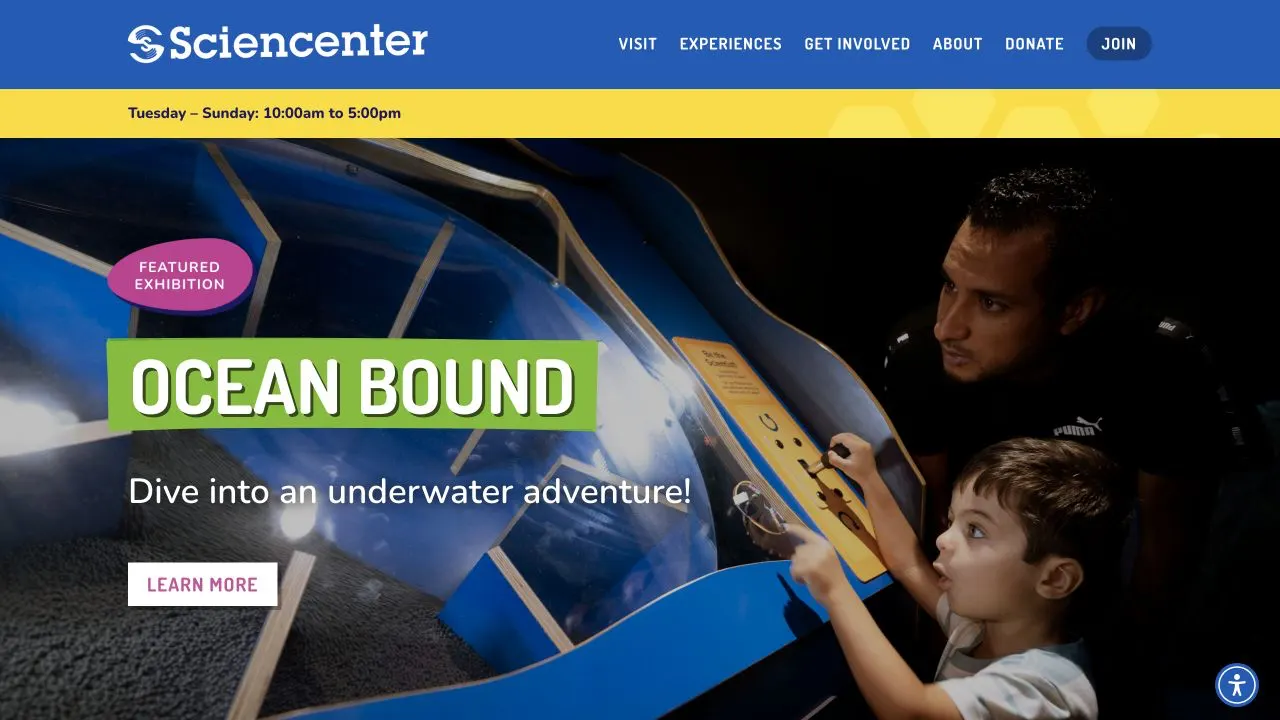
Sciencenter Exhibits
A science museum in Ithaca with more than 250 interactive exhibits covering weather, space, engineering, animals, oceans, physics, and hands-on early learning. It is listed under Science and Nature & environment for ages 0–18.
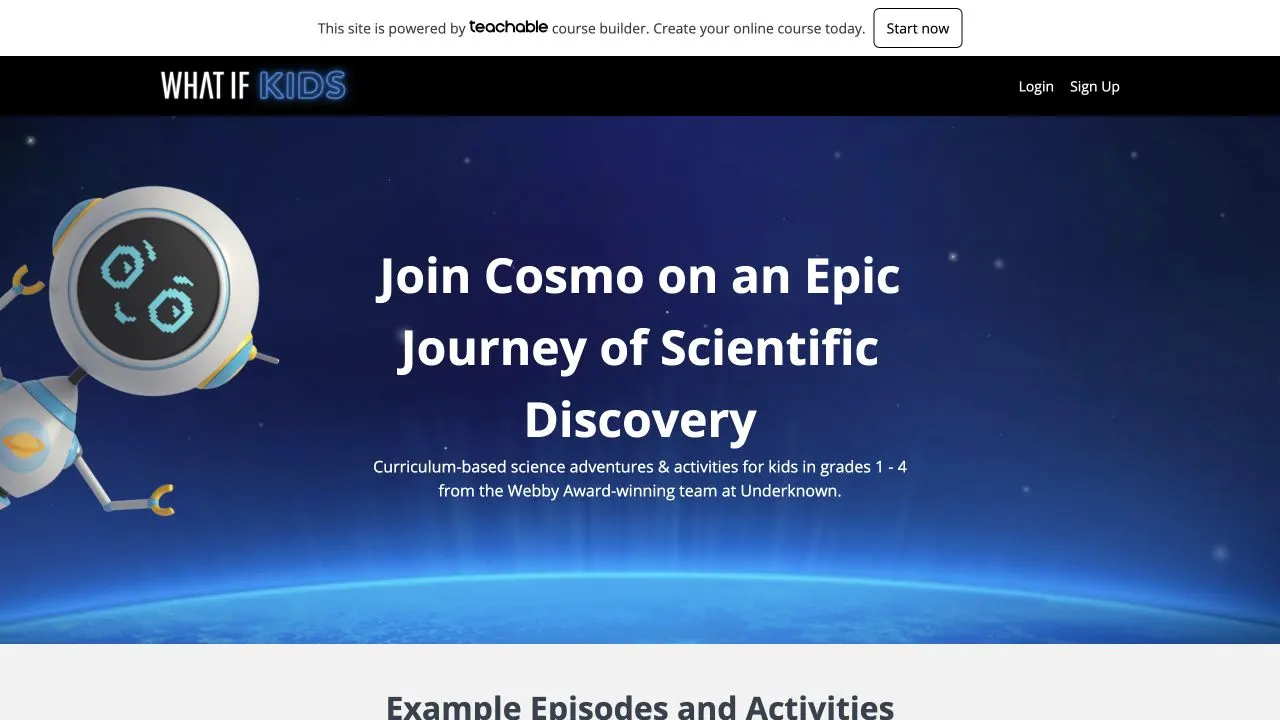
What If Kids
What If Kids is a curriculum-based science program for grades 1–4, using animated episodes, real-world science questions, and simple activities children can try at home. It is listed under Science and Technology for ages 6–10.
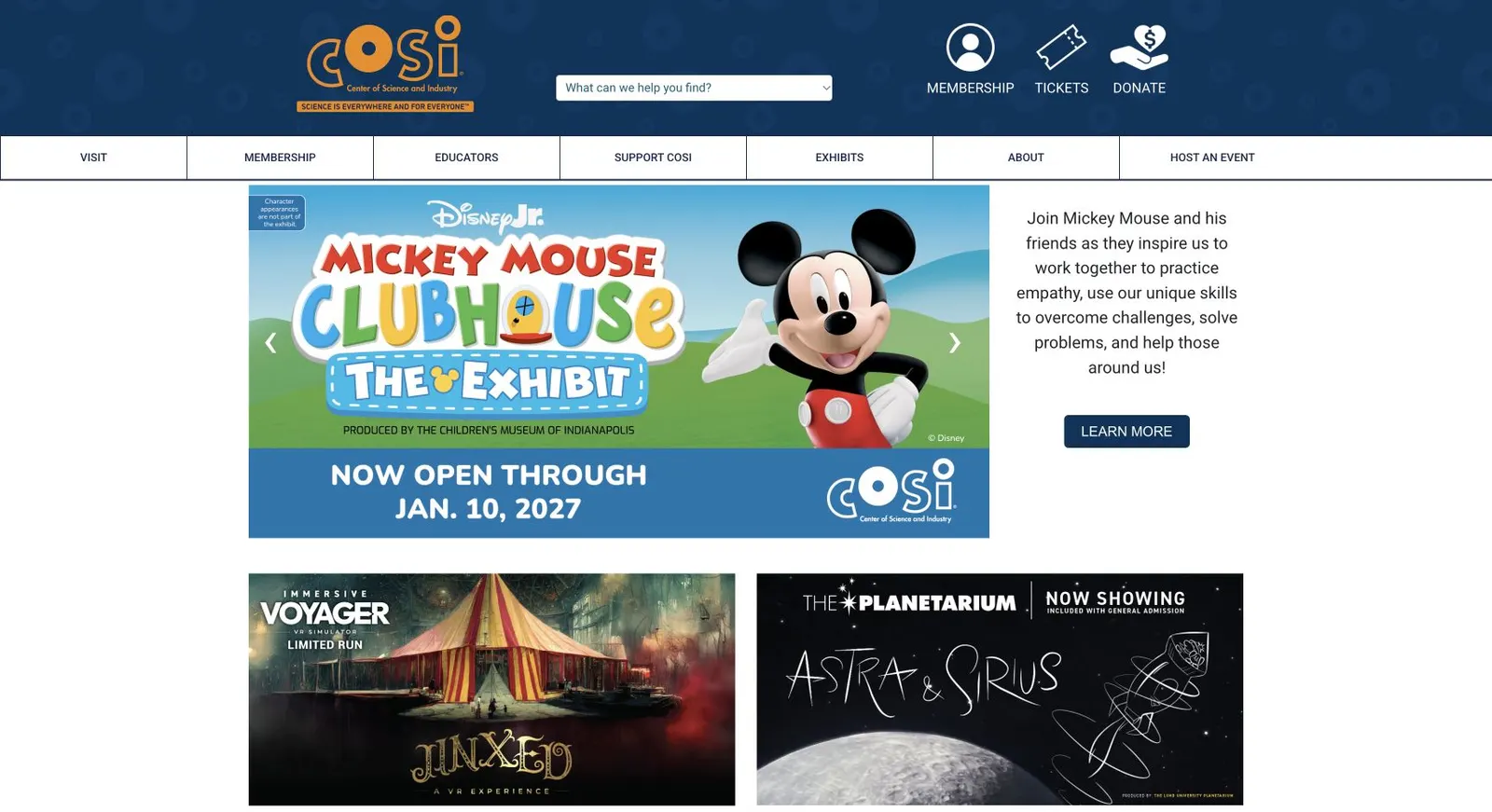
COSI: Center of Science and Industry
COSI is a science center with hands-on exhibits, family learning, educator programs, and science experiences designed to make discovery active and approachable. It is listed under Science and Engineering for ages 3–18; program-specific. Children and families can use it through a website.
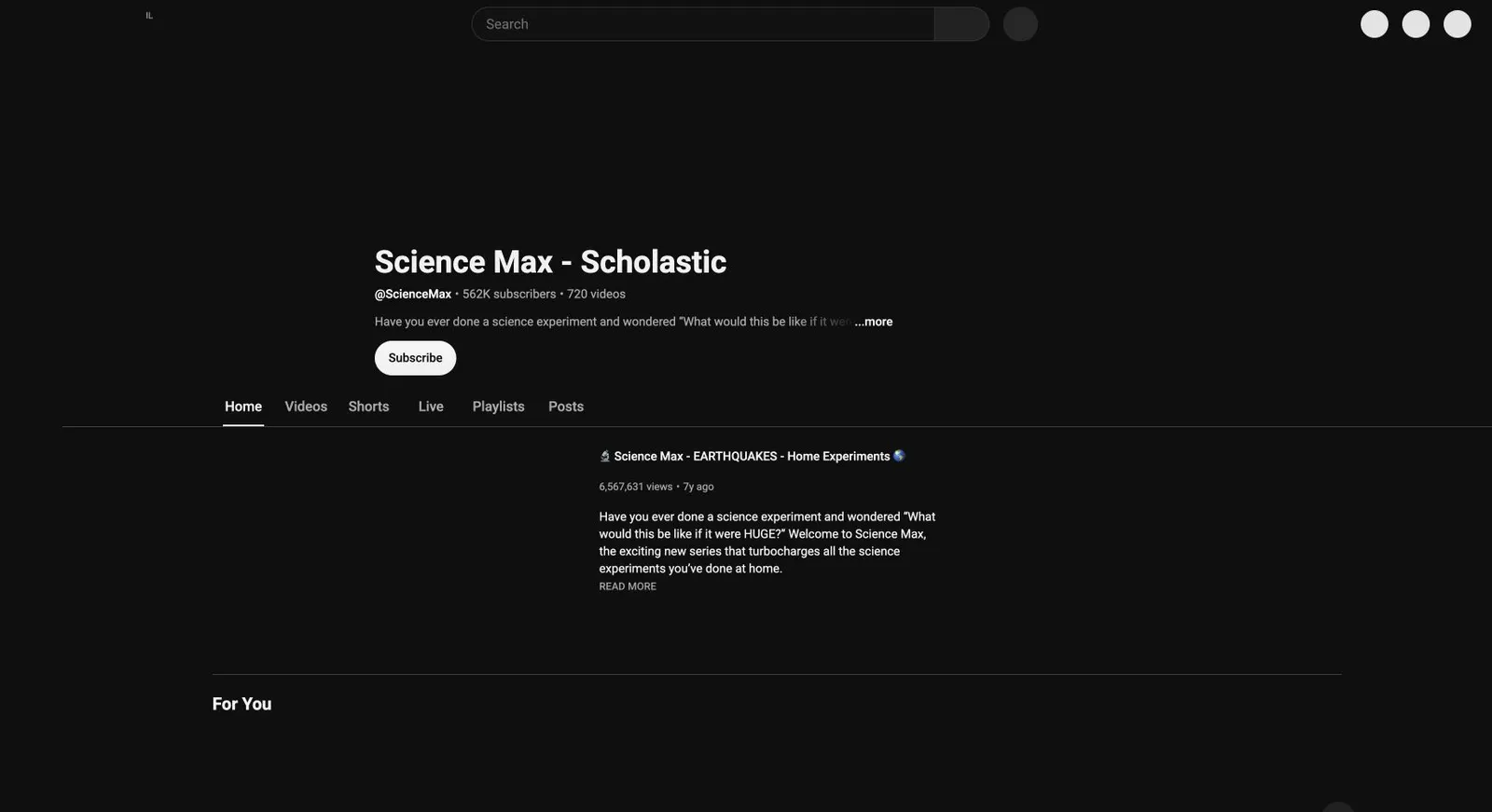
Science Max
Big, energetic science experiments and explanations from the official Scholastic Science Max channel. It is listed under Science, Maker & DIY, and Engineering for ages 6–14. Children and families can use it through a YouTube channel.
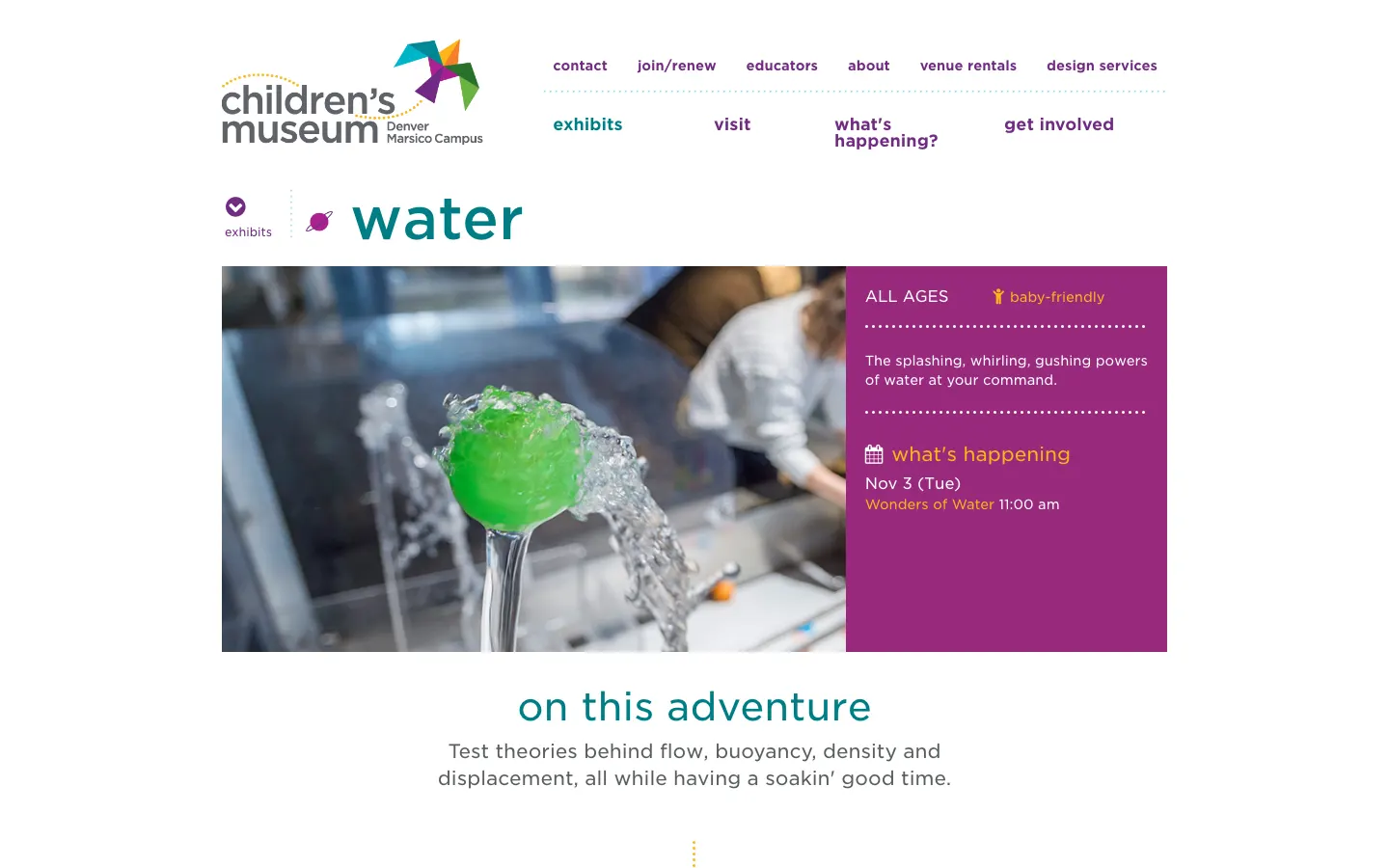
Water
Water is the Children’s Museum of Denver’s all-ages exhibit for exploring flow, buoyancy, density, displacement, water wheels, boats, dams, and water-powered play. It is listed under Science and Nature & environment for ages All ages; baby-friendly.
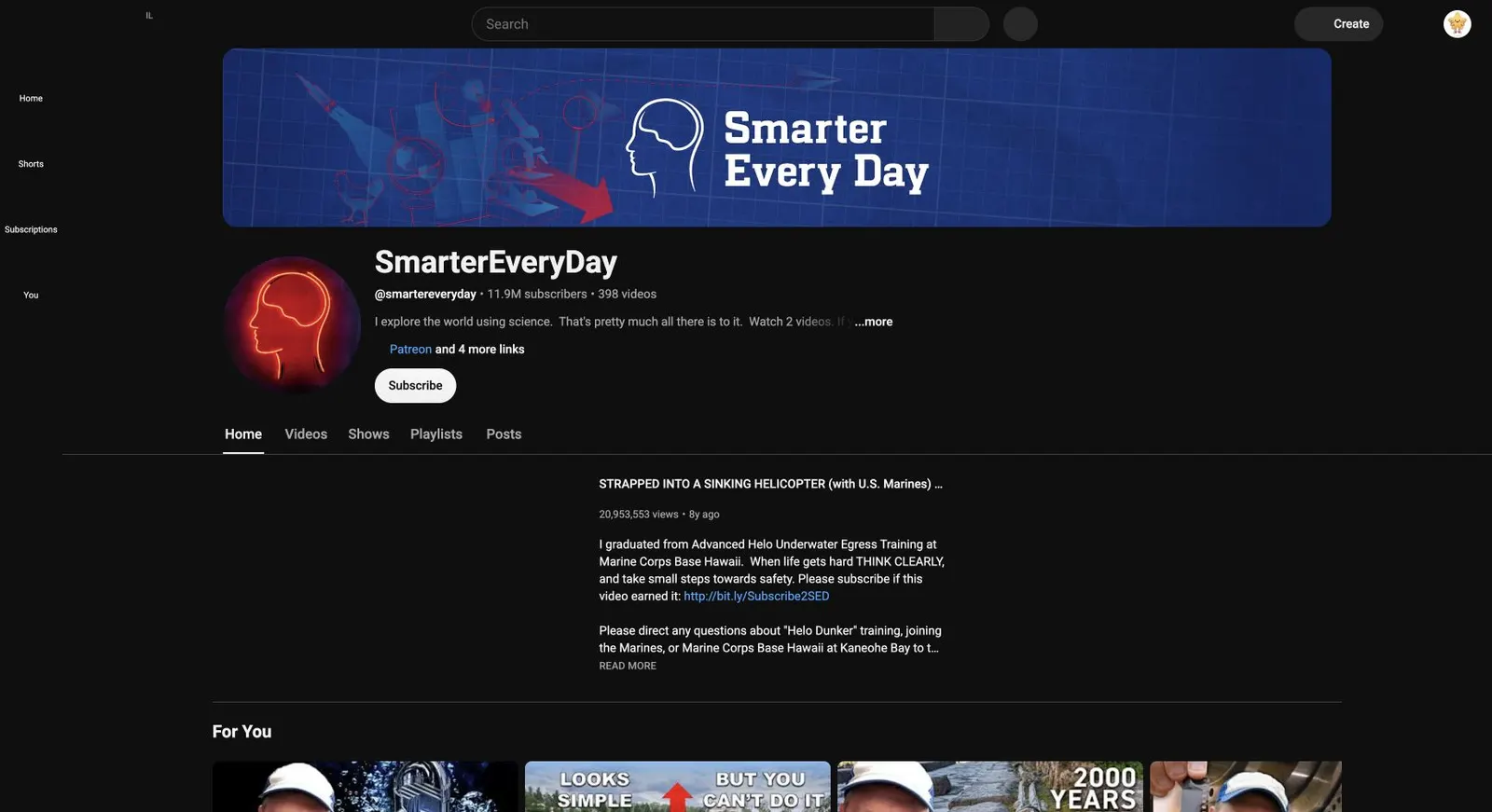
SmarterEveryDay
Curiosity-driven science and engineering videos that investigate how the world works through experiments and observation. It is listed under Science, Engineering, and Nature & environment for ages 10–18. Children and families can use it through a YouTube channel.
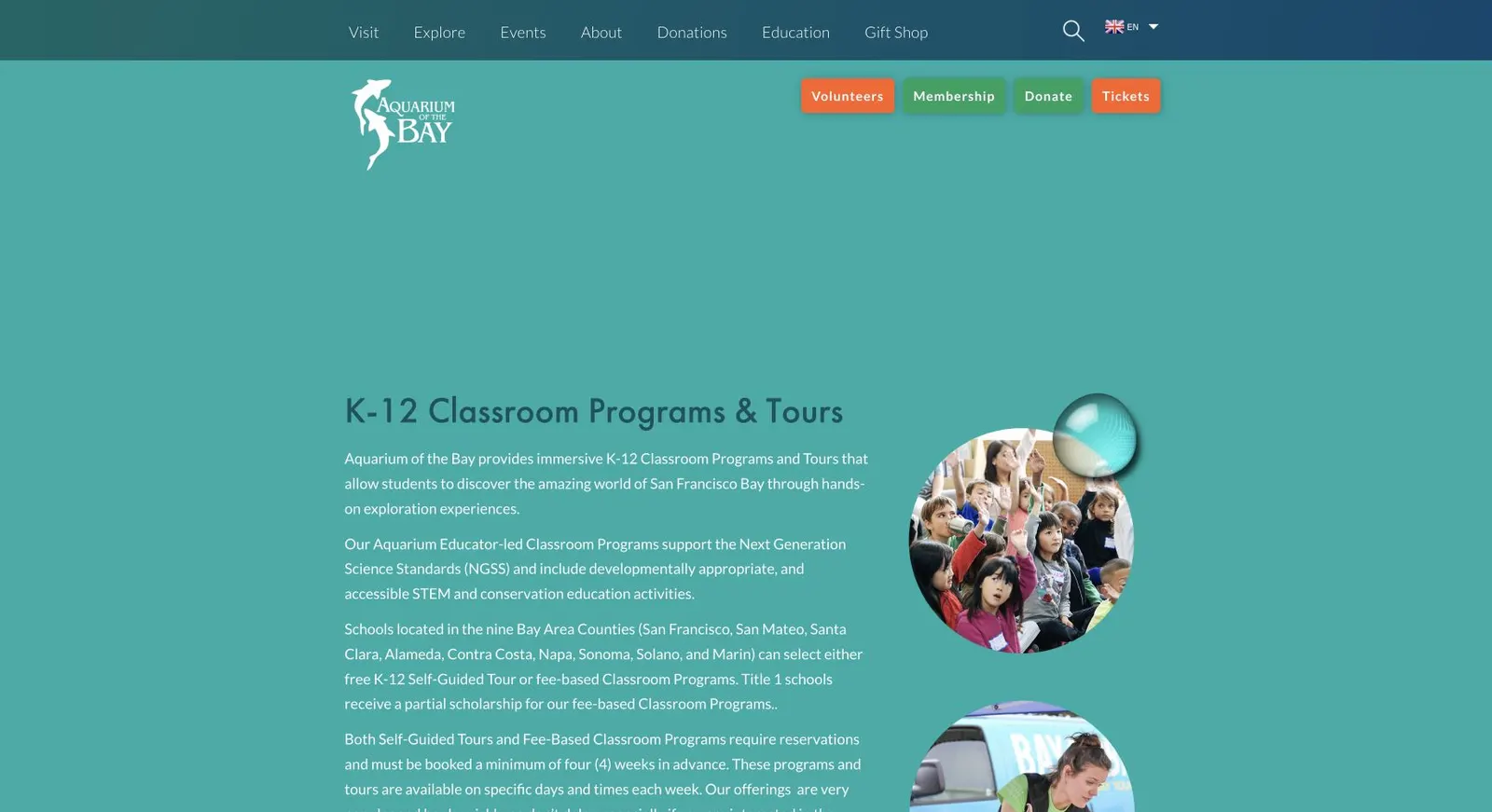
Aquarium of the Bay K–12 Programs
Aquarium of the Bay provides NGSS-aligned classroom programs, self-guided tours, eLearning modules, a high-school 3D Print Lab, and Project WATERS focused on San Francisco Bay conservation. It is listed under Science and Nature & environment for ages 5–18.
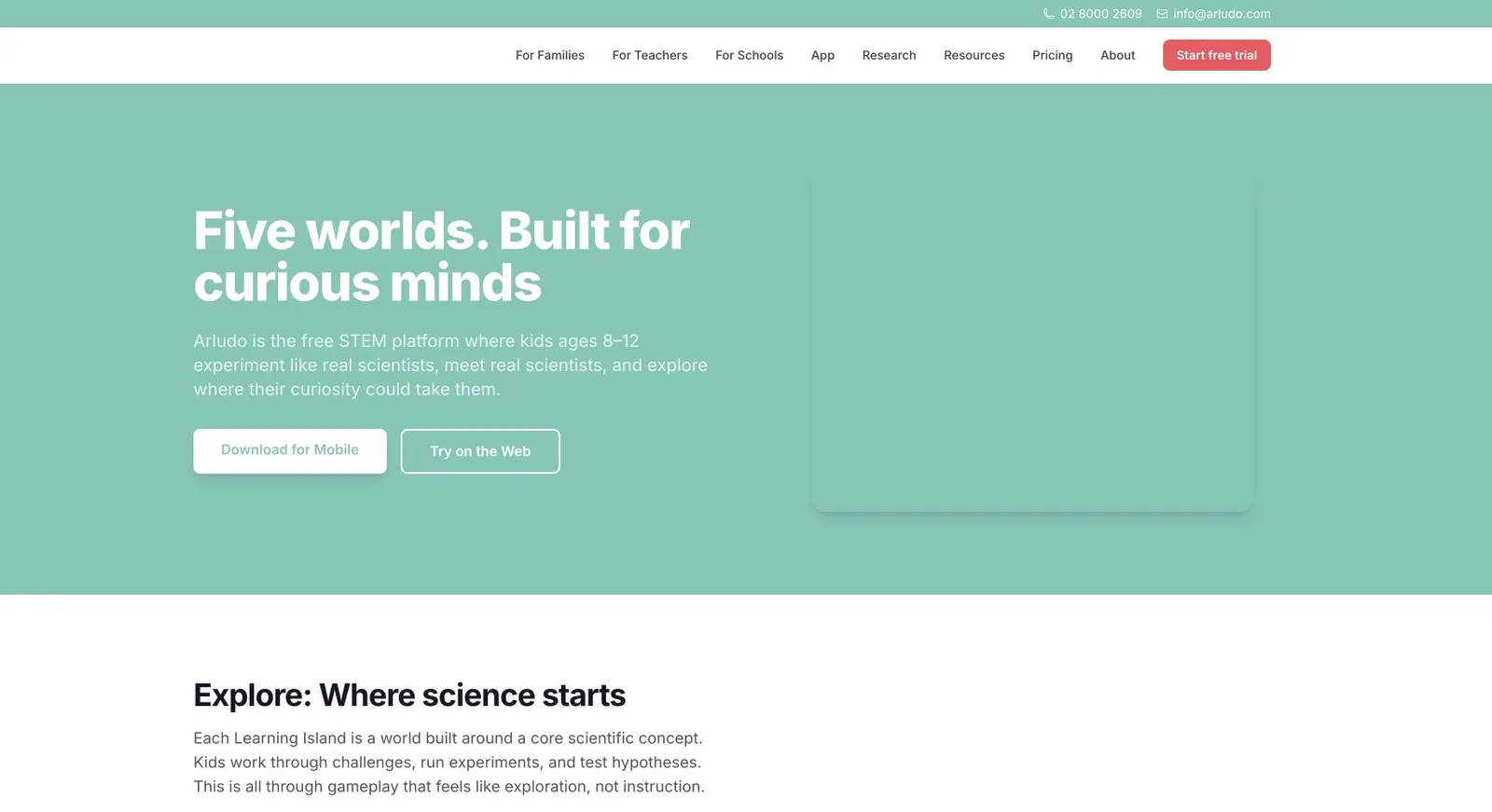
Arludo
A free STEM platform where children ages 8–12 explore science through learning islands, experiments, games, challenges, scientist stories, and career pathways. It is listed under Science and Games for ages 8–12. Children and families can use it through a website.
Compare with context
Use this collection to find a direction, then open each resource page before sharing it with a child. The individual review shows languages, access formats, tags, age guidance, source links, and notes for grown-ups.
Search the full directory →