Mathematics Science
for kids
Explore 20 trusted mathematics science resources selected for curious kids, with clear ages, access details, and parent context.
Two useful ways to narrow the directory
This page brings together mathematics resources that also match science. Each listing keeps its own age range, platform details, languages, links, and parent notes, so you can compare options without losing context.
Explore all mathematics resources →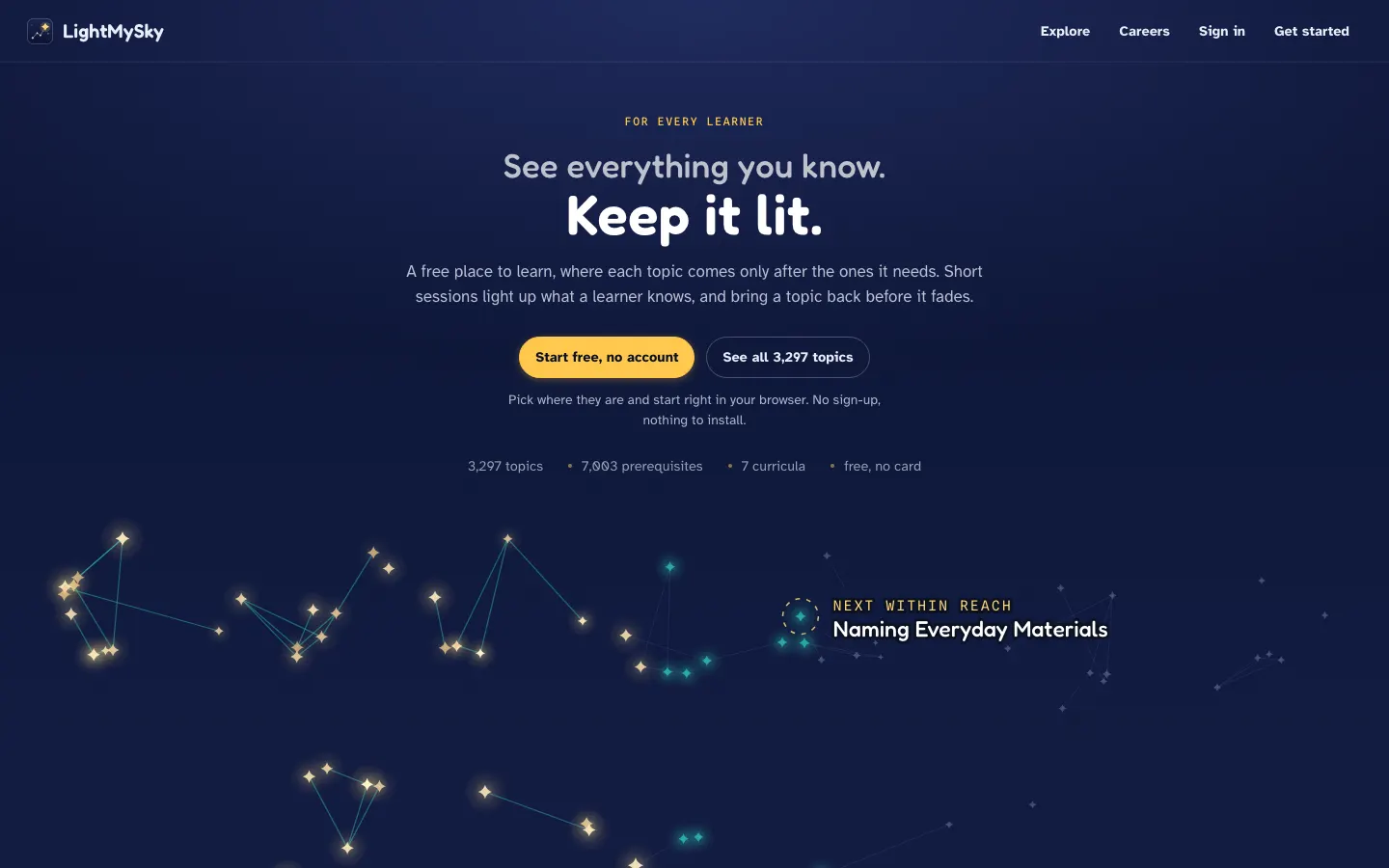
LightMySky
LightMySky is a free browser learning map that places short, prerequisite-aware lessons across mathematics, science, history, and other school topics. It is listed under Mathematics and Science for ages 5–16. Children and families can use it through a website.
Read the full resource review →More mathematics picks
USGS Data in Schools
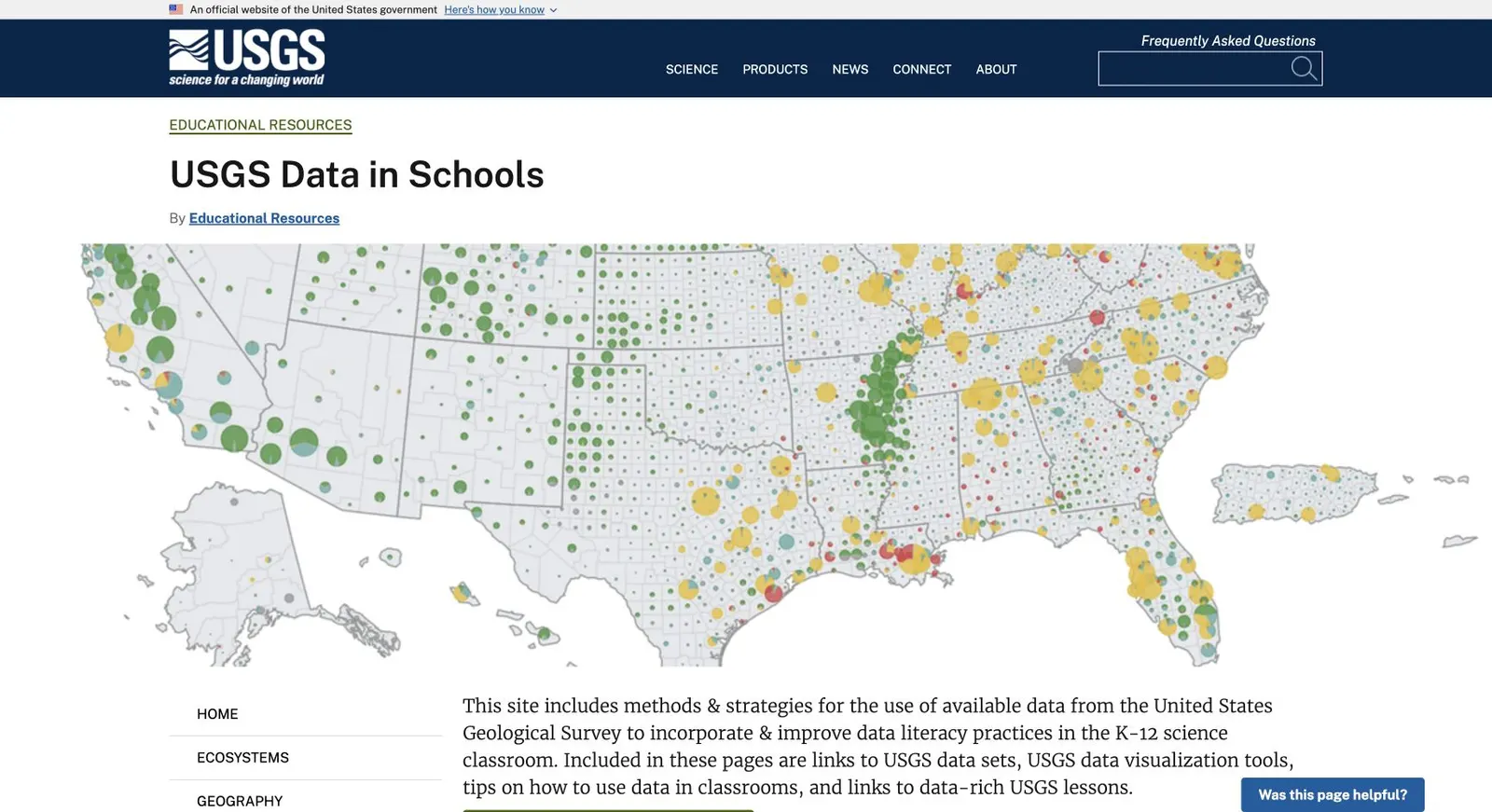
USGS Data in Schools helps educators use real Earth-science data, maps, and investigation questions to support classroom learning. It is listed under Science and Mathematics for ages 10–18; lesson-specific. Children and families can use it through a website.
PlayPuzzle Science Lab
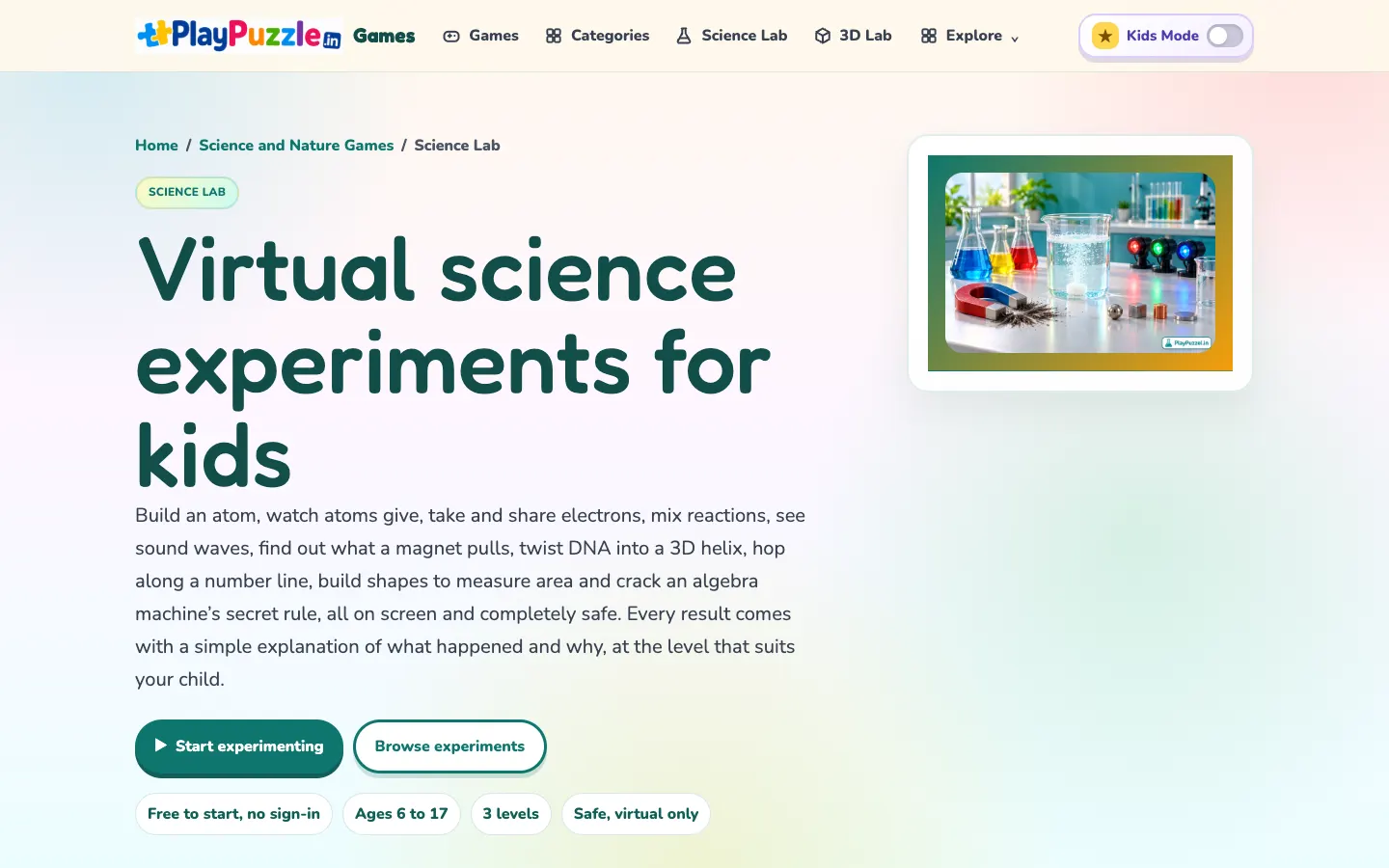
PlayPuzzle Science Lab is a virtual experiment collection where children build atoms, explore reactions, test magnets, investigate DNA, and work through maths and science missions. It is listed under Science and Mathematics for ages 6–17.
FizziQ
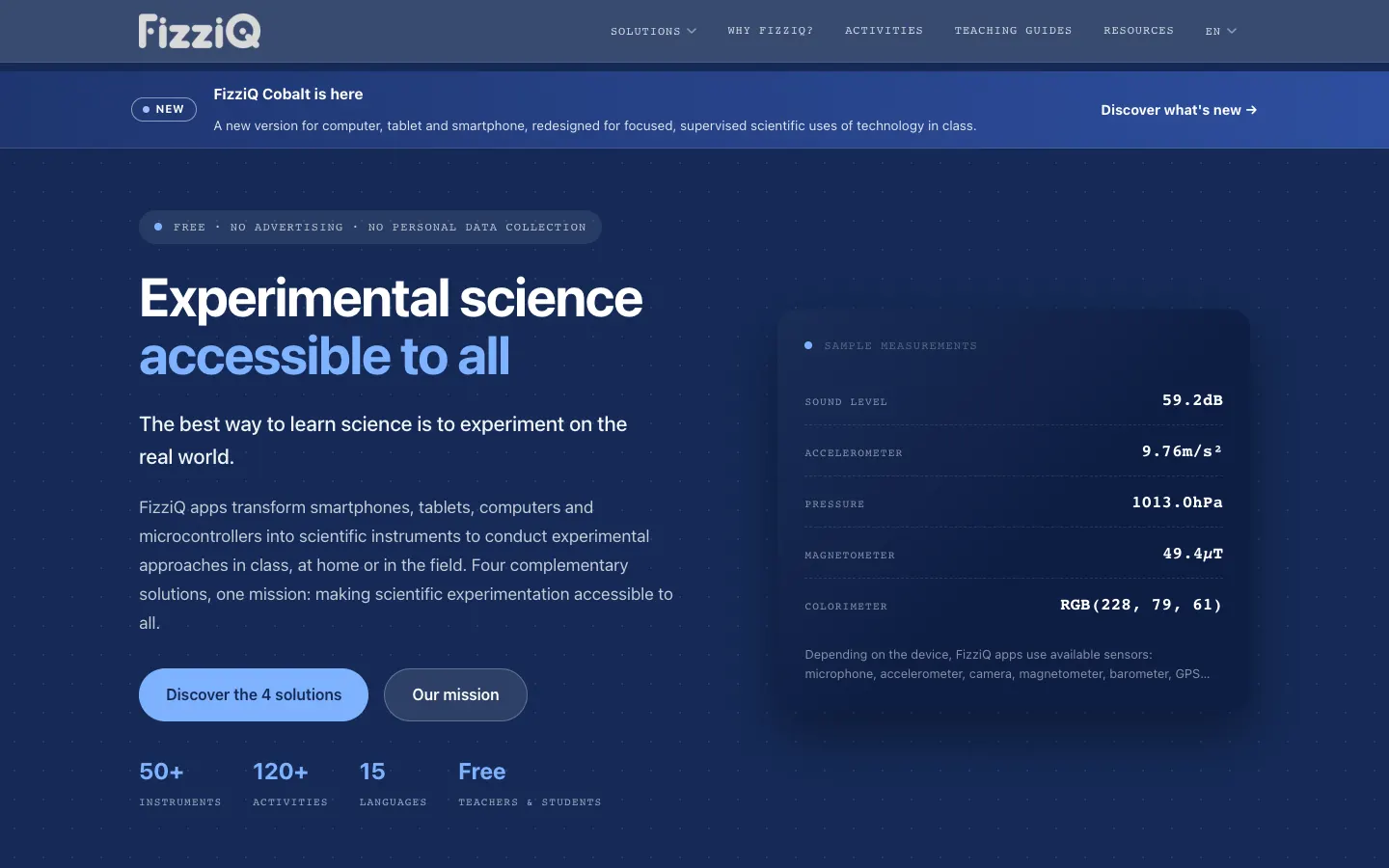
FizziQ turns phones, tablets, computers, and compatible sensors into a child-friendly science lab for experiments, measurements, and data exploration. It is listed under Science and Mathematics for ages 8–16. Children and families can use it through a website.
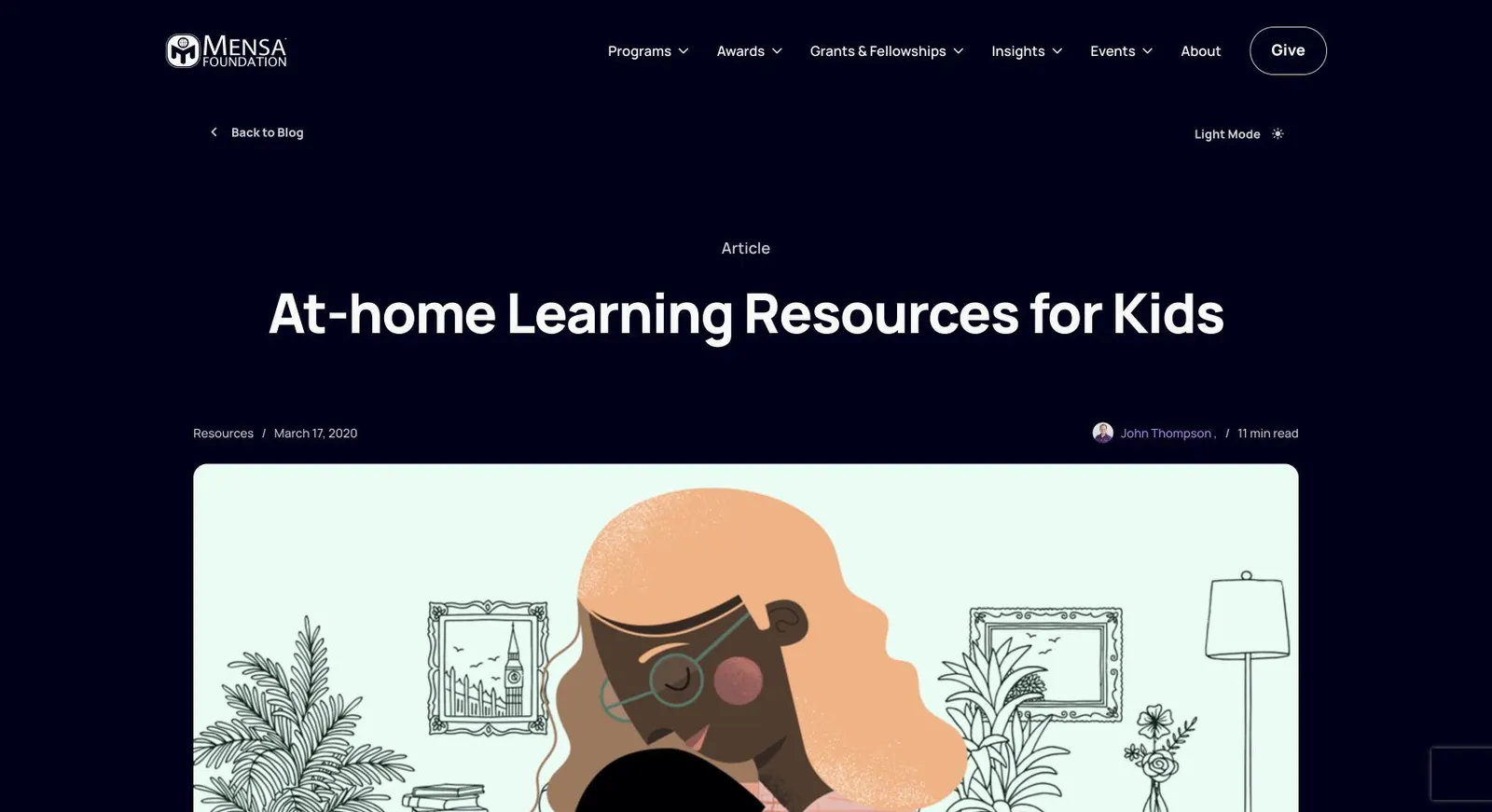
Mensa Foundation At-home Learning Resources for Kids
The Mensa Foundation’s children’s resource page links families to puzzles, learning ideas, and enrichment activities for curious young learners. It is listed under Games and Mathematics for ages 5–14; resource-specific. Children and families can use it through a website.
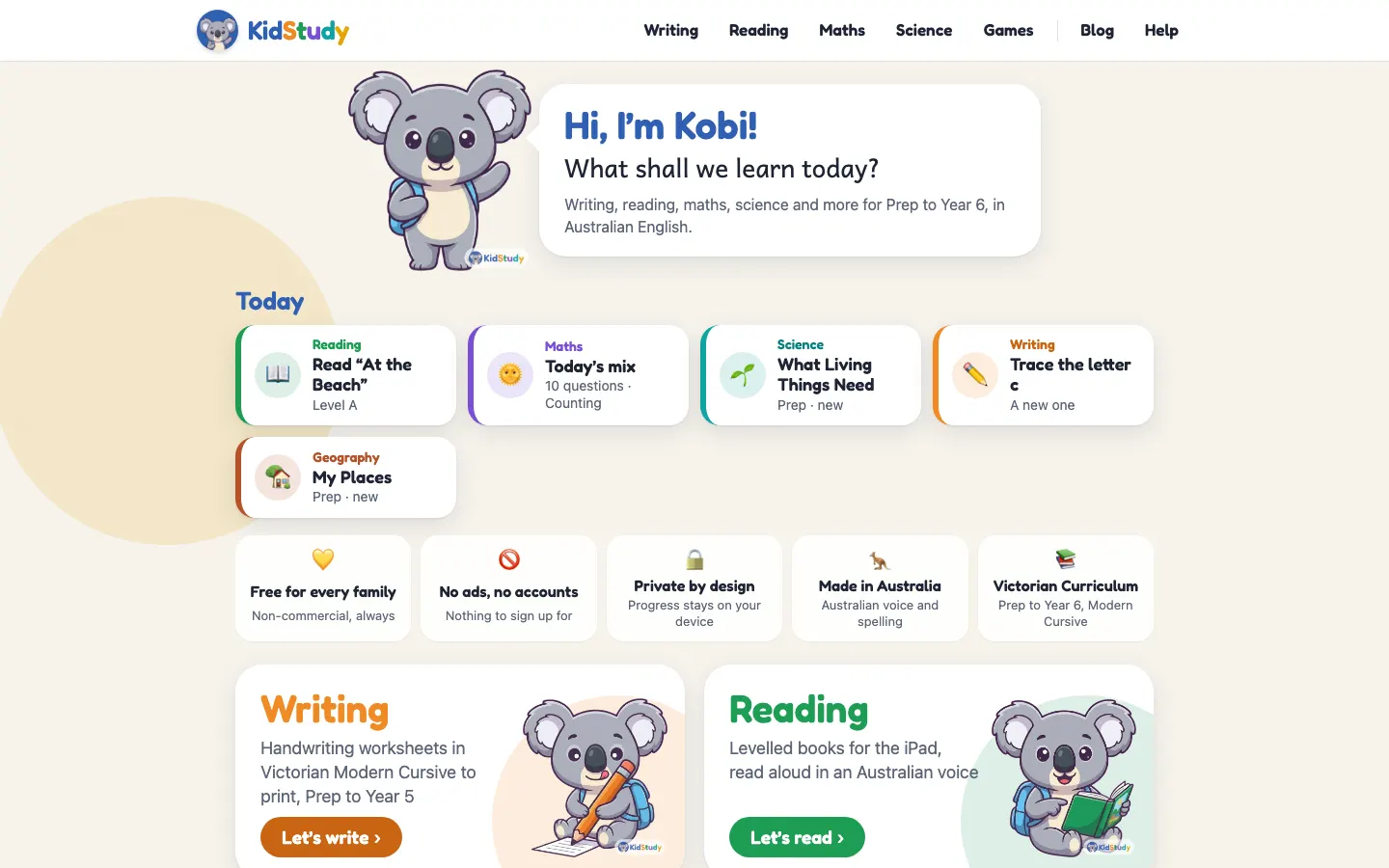
KidStudy
KidStudy is a free Australian early-learning website with writing, reading, maths, science, and games aligned to Prep through Year 6, with private on-device progress. It is listed under Reading and Mathematics for ages Prep–Year 6.
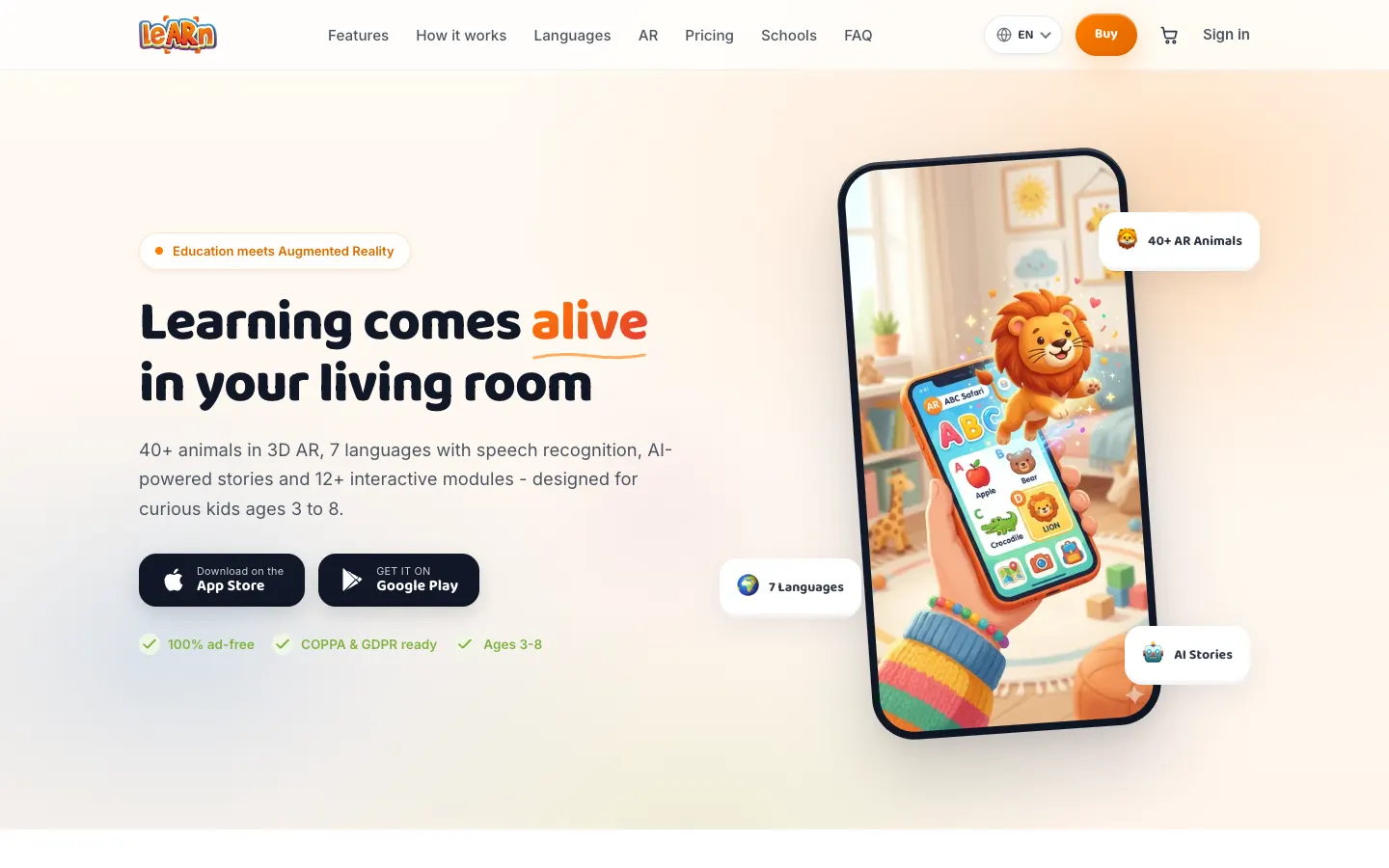
leARn
leARn is an augmented-reality learning app with animals, language practice, AI stories, drawing, memory, math, and interactive modules for young children. It is listed under Science and Language for ages 3–8. Children and families can use it through a website.
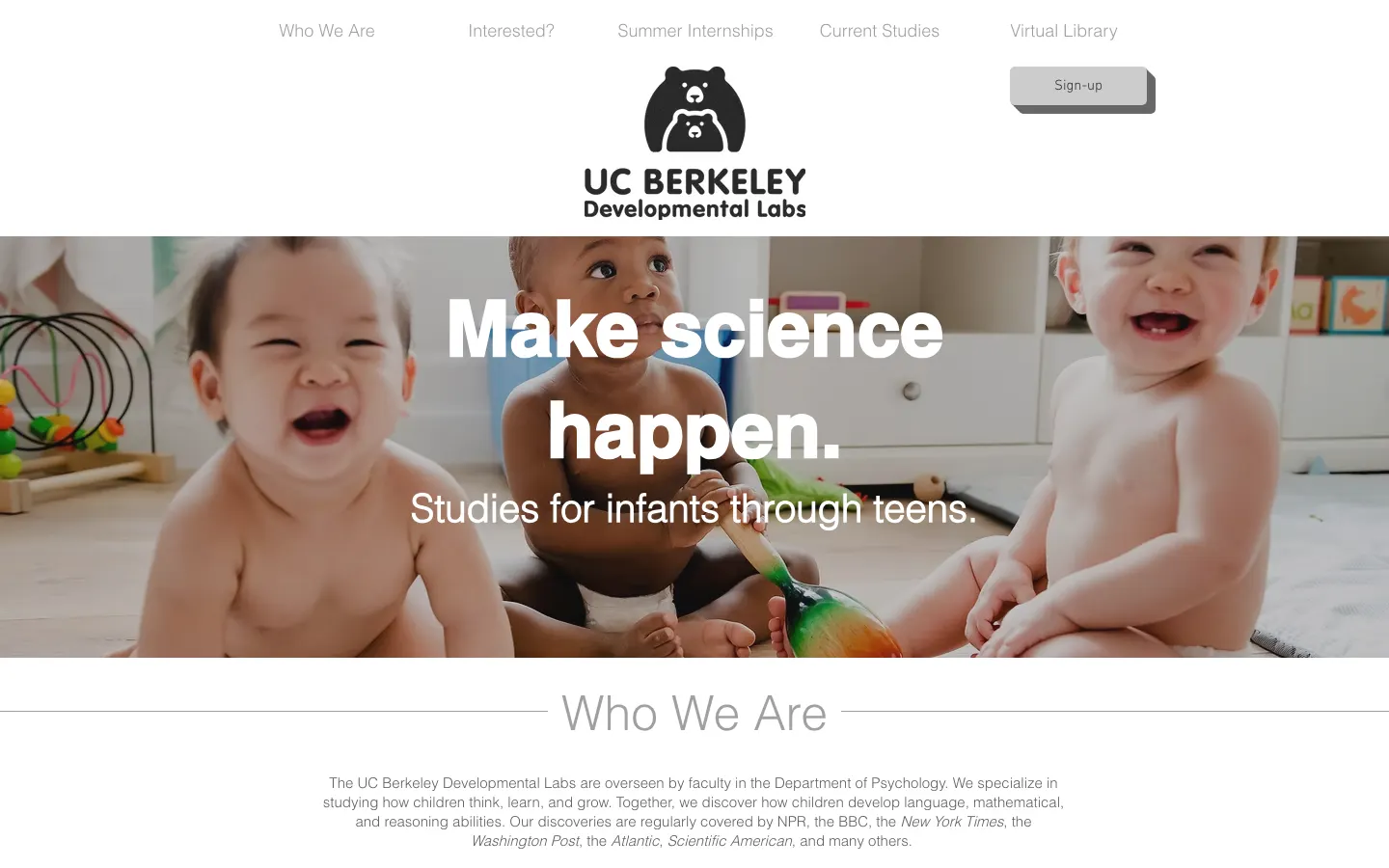
UC Berkeley Developmental Labs
UC Berkeley Developmental Labs invite families to participate in short studies and games about language, math, reasoning, memory, and child development from infancy through the teen years. It is listed under Science and Mathematics for ages Infants through teens.
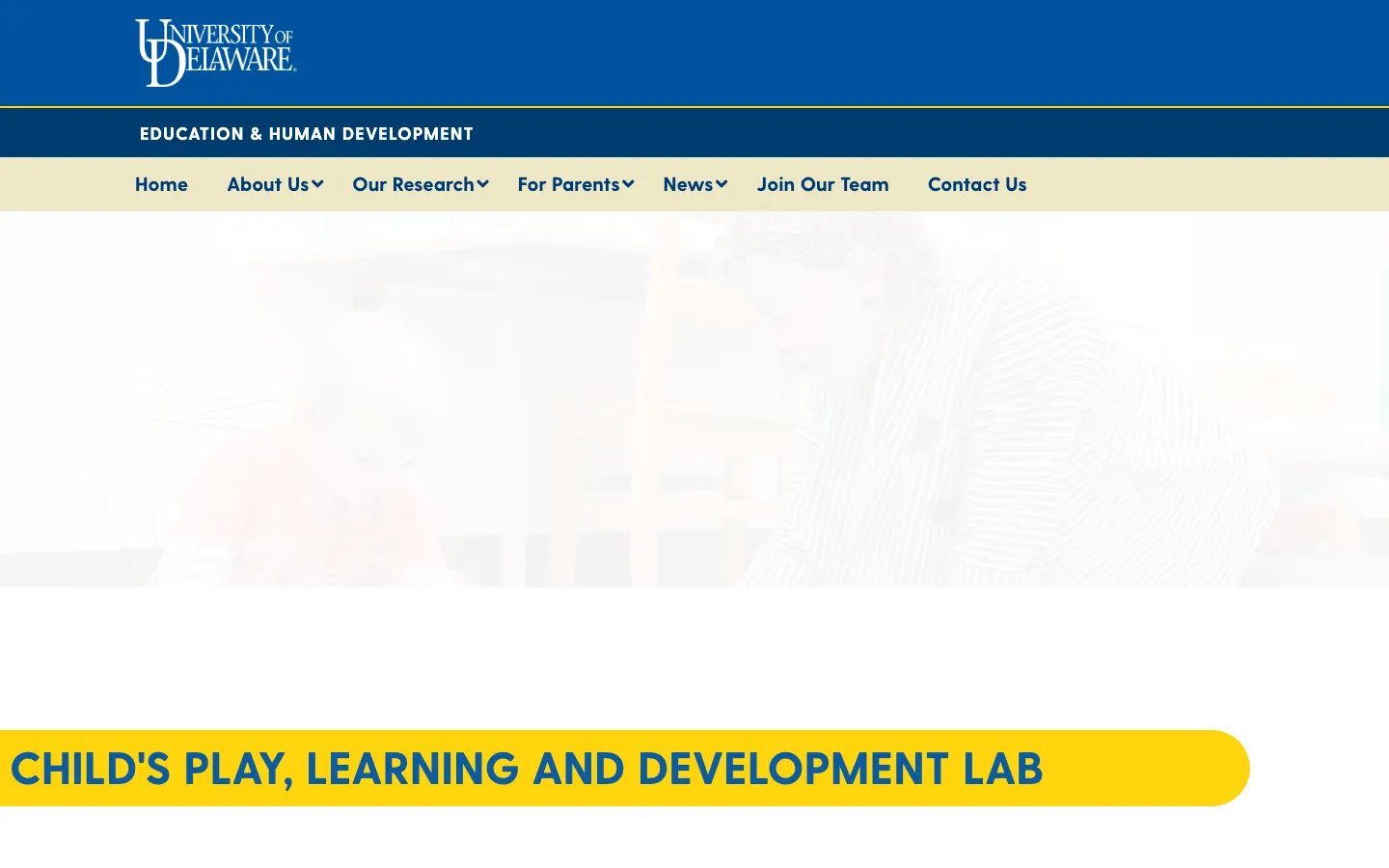
Child’s Play Learning & Development Lab
The University of Delaware Child’s Play Learning & Development Lab studies how children learn and grow through play, language, memory, reasoning, and spatial development, with family participation opportunities. It is listed under Science and Reading for ages Infants through young children.
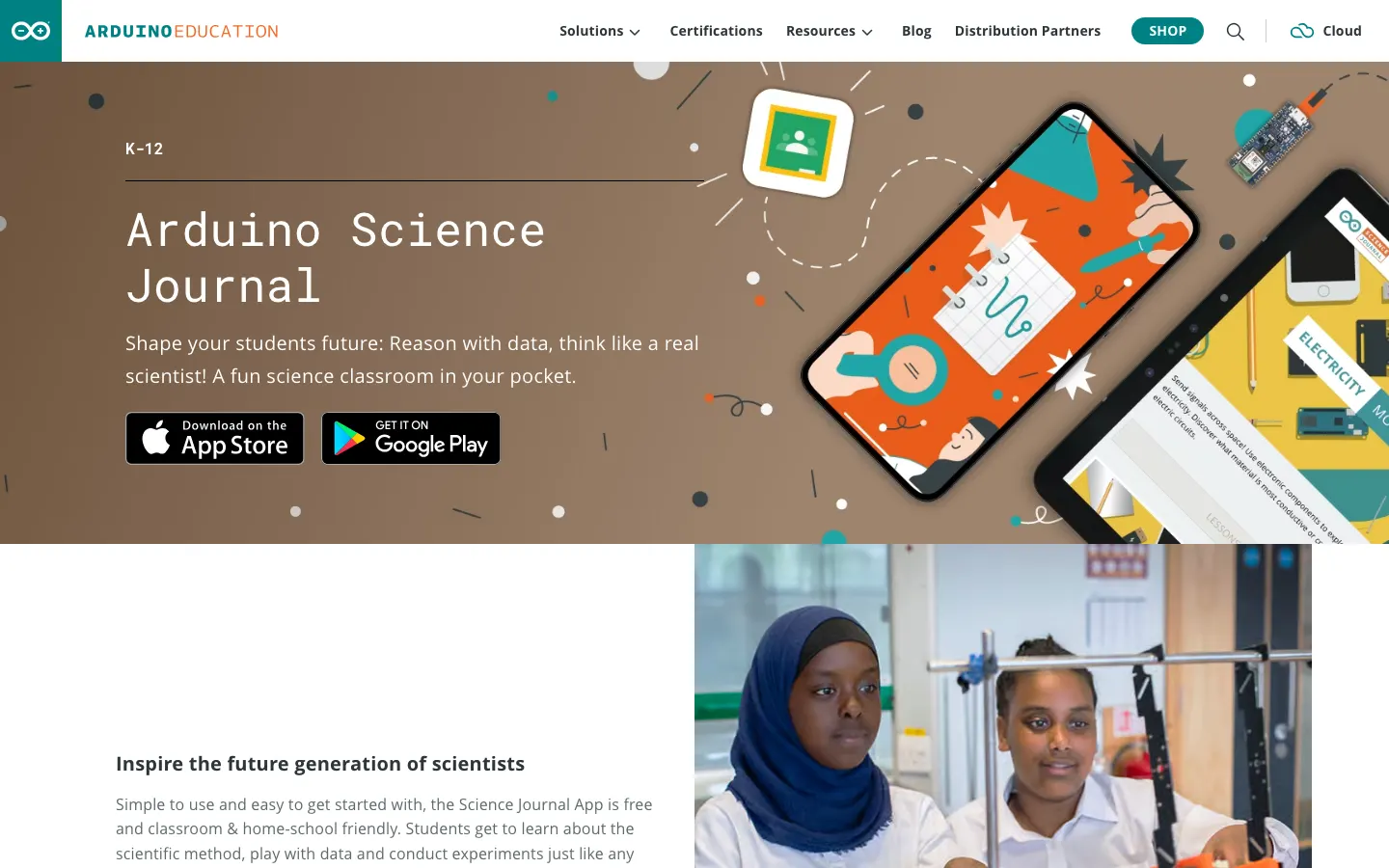
Arduino Science Journal
Arduino Science Journal is a free open-source science app that uses phone and tablet sensors, experiment activities, data recording, and graphs to support hands-on scientific inquiry. It is listed under Science and Mathematics for ages K–12.
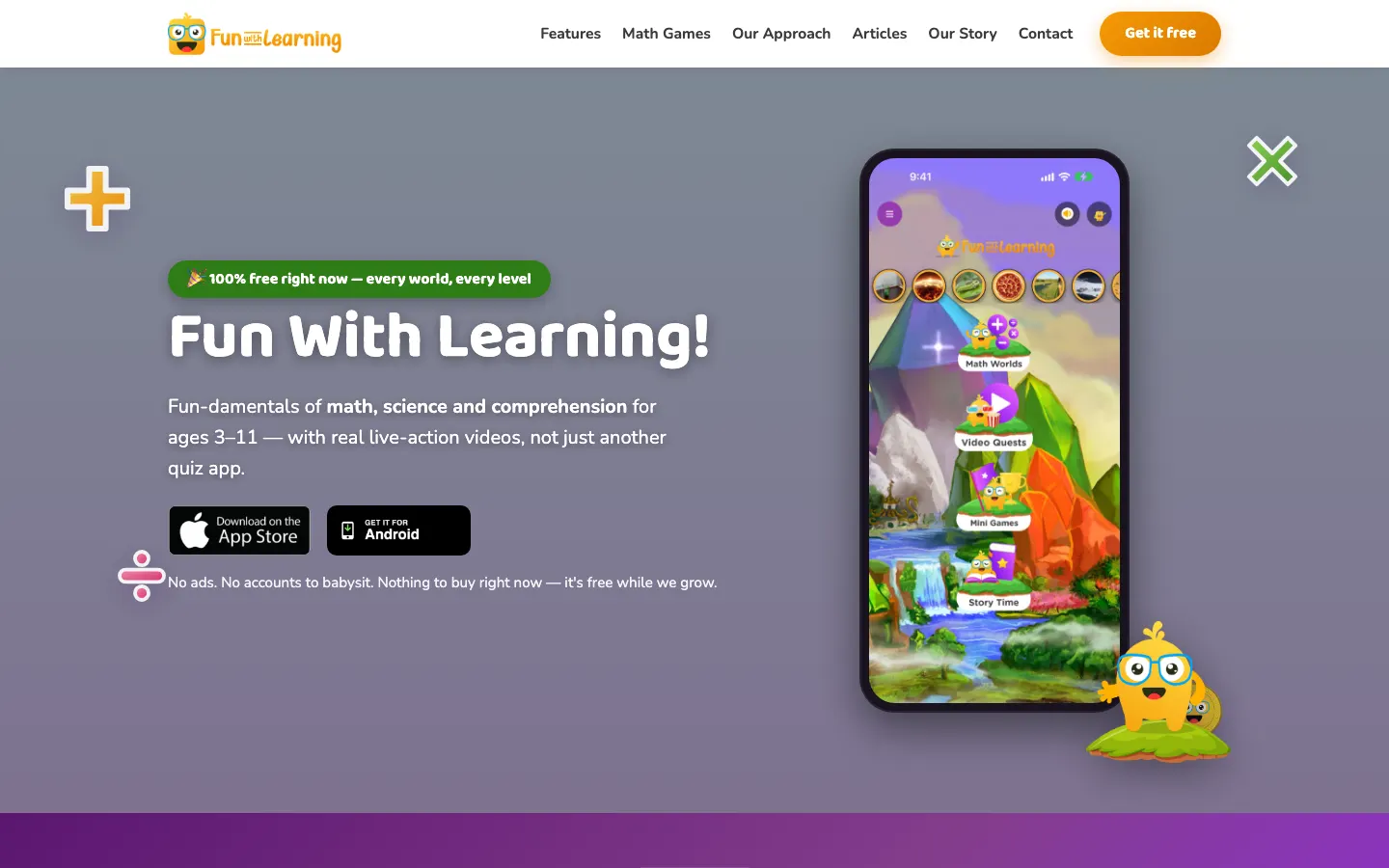
Fun With Learning
Fun With Learning combines visual math games, science and comprehension activities, live-action video quests, story time, and short interactive sessions for young children. It is listed under Mathematics and Science for ages 3–11. Children and families can use it through a website.
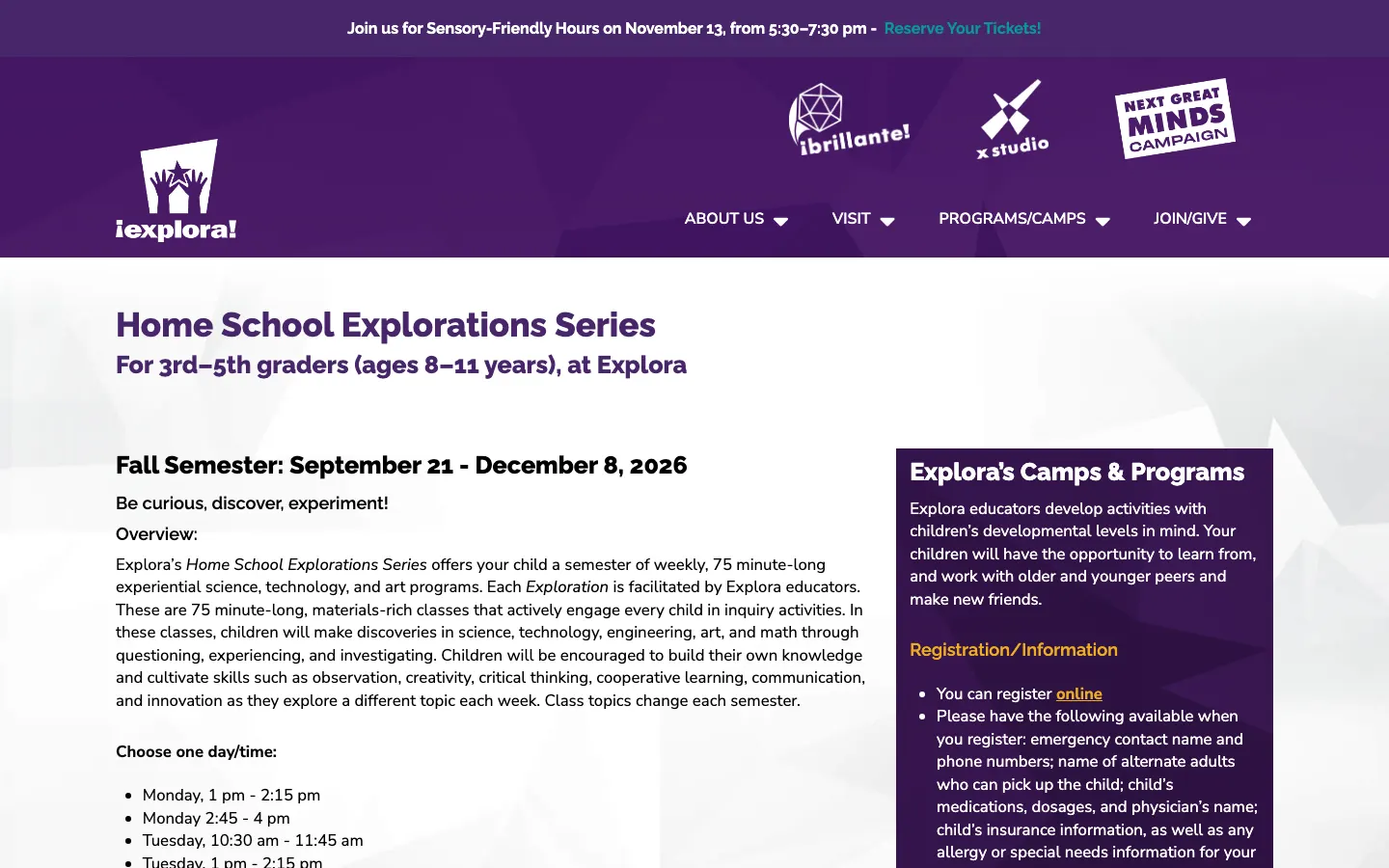
Home School Explorations Series (Grades 3–5)
Explora’s Home School Explorations Series is a semester of weekly experiential science, technology, engineering, art, and math sessions for home-educated children in grades 3–5. It is listed under Science and Engineering & coding for ages 8–11 / grades 3–5.
HouseLearning
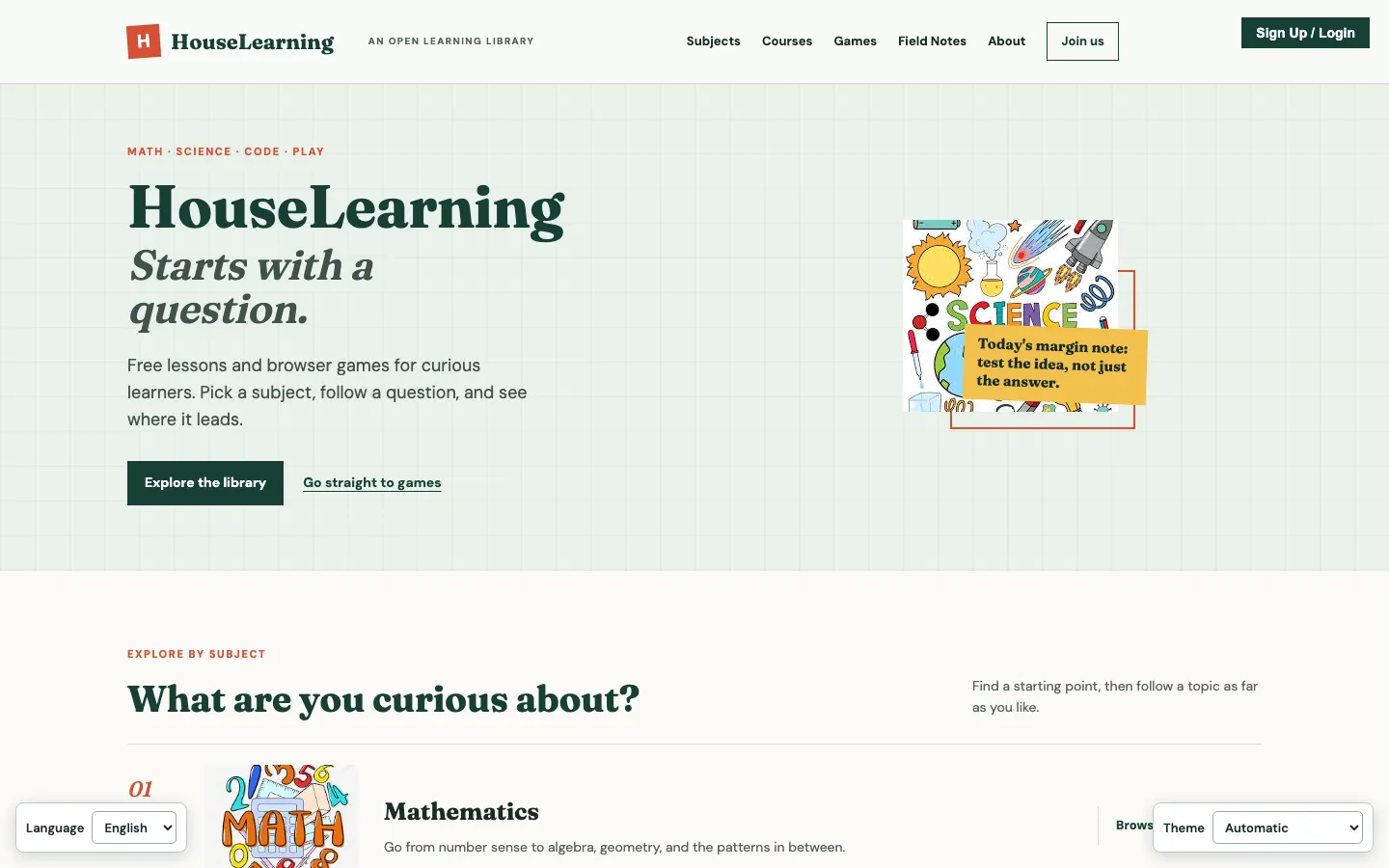
An open learning library with free lessons and browser games organized around mathematics, science, coding, and play. It is listed under Science and Mathematics for ages 7–16. Children and families can use it through a website.
Compare with context
Use this collection to find a direction, then open each resource page before sharing it with a child. The individual review shows languages, access formats, tags, age guidance, source links, and notes for grown-ups.
Search the full directory →