Mathematics Reading
for kids
Explore 20 trusted mathematics reading resources selected for curious kids, with clear ages, access details, and parent context.
Two useful ways to narrow the directory
This page brings together mathematics resources that also match reading. Each listing keeps its own age range, platform details, languages, links, and parent notes, so you can compare options without losing context.
Explore all mathematics resources →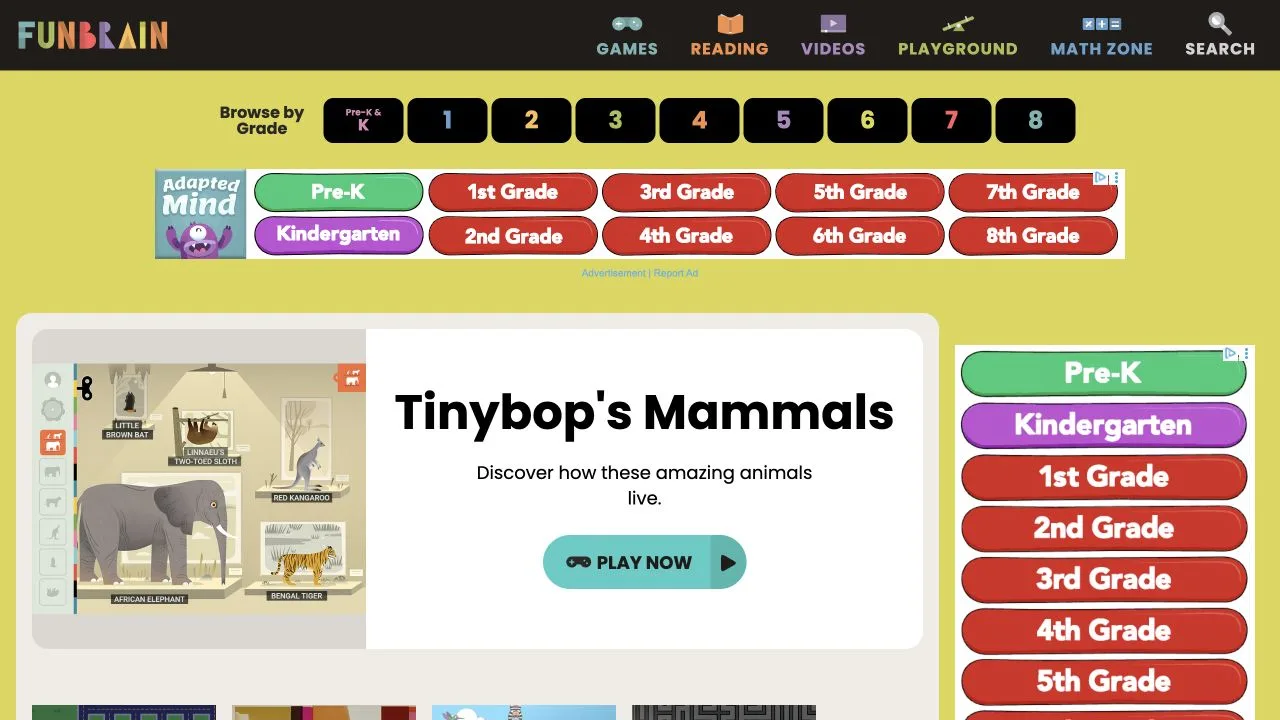
Funbrain
A broad library of games, books, videos, and math activities organized for learners from pre-K through grade 8. It is listed under Games, Mathematics, and Reading for ages 4–14. Children and families can use it through a website.
Read the full resource review →More mathematics picks
Fun4theBrain
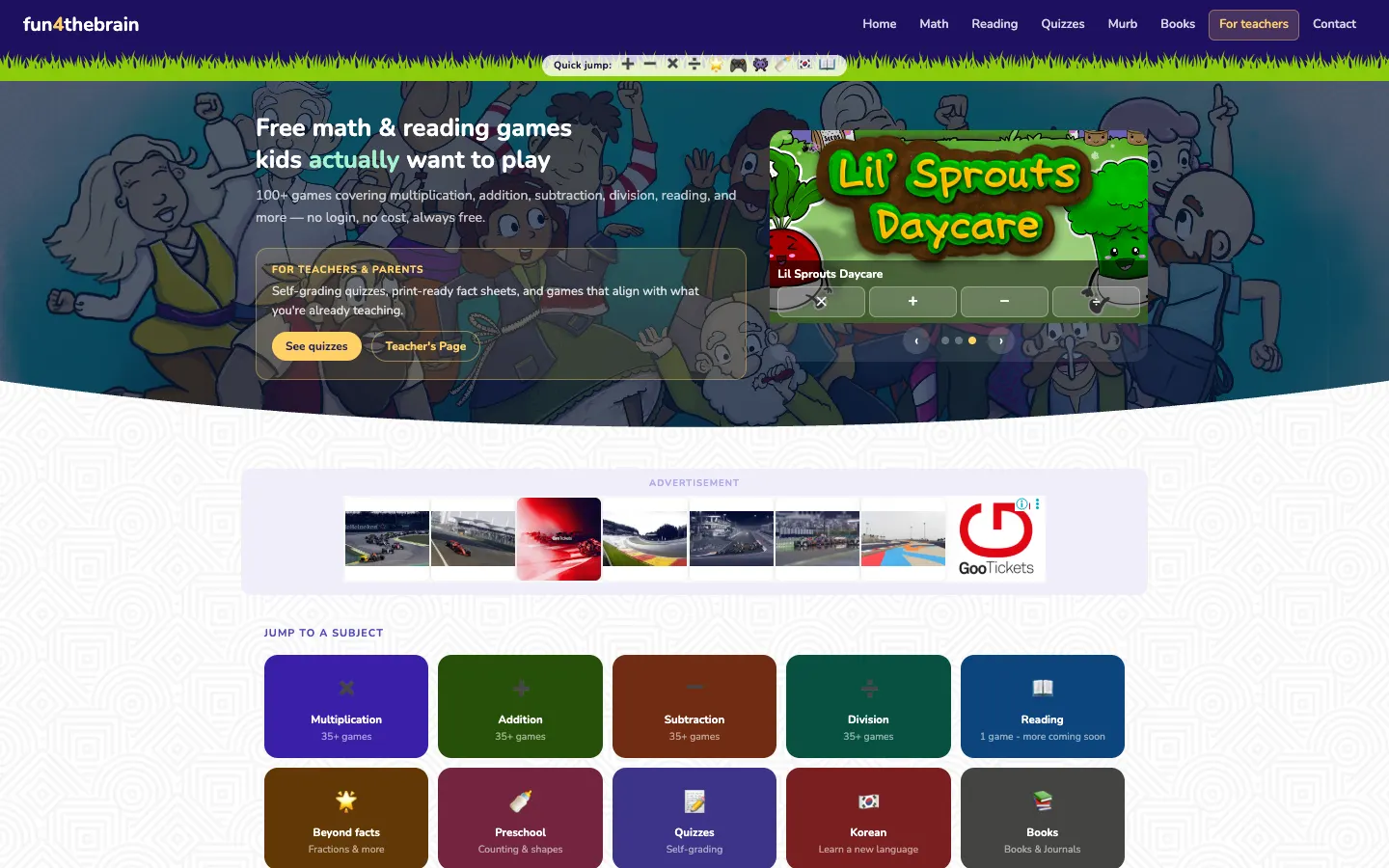
Fun4theBrain offers free browser games for multiplication, addition, division, fractions, preschool counting, reading, and basic language practice. It is listed under Mathematics and Reading for ages 4–12. Children and families can use it through a website.
BrightMinds
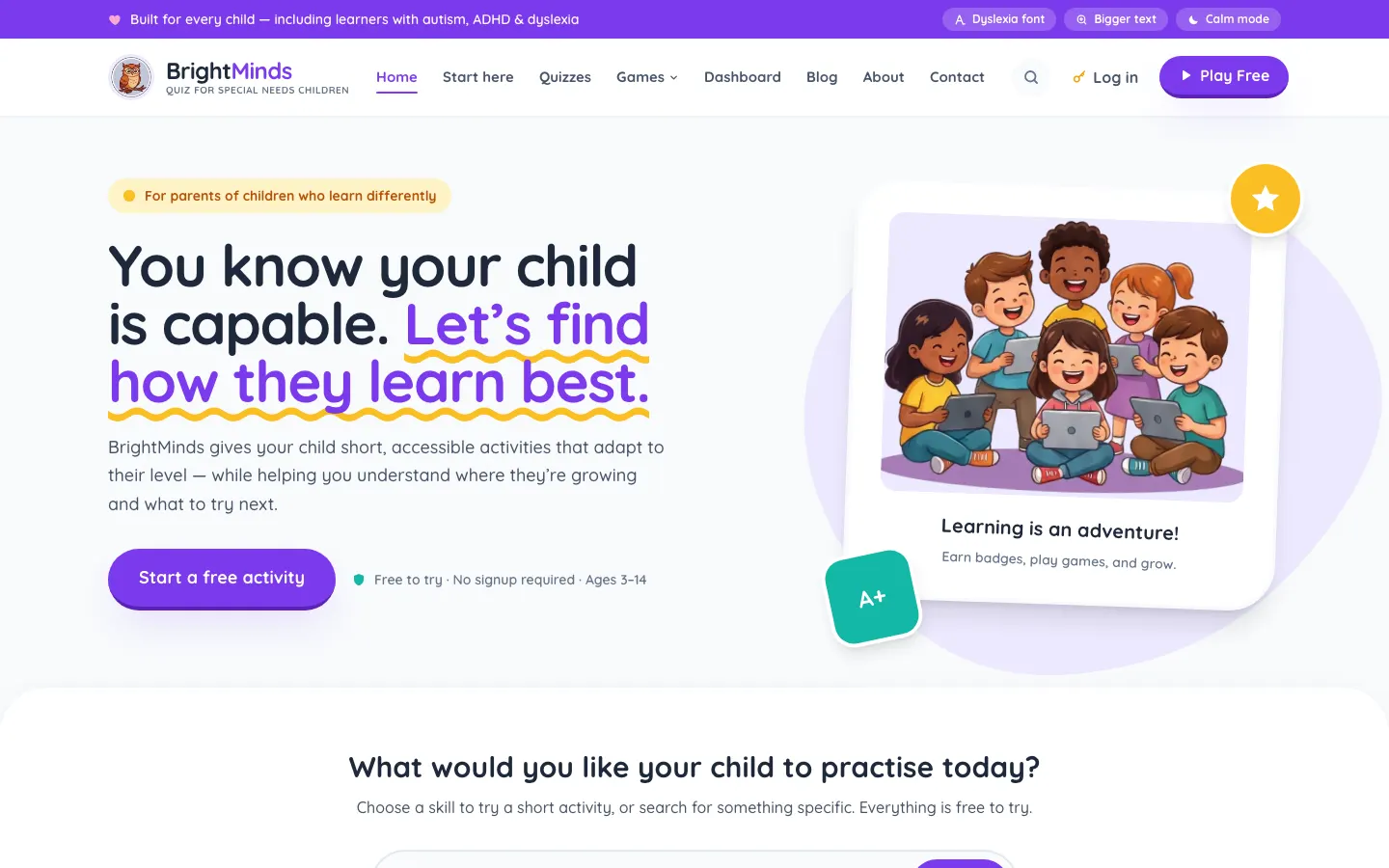
BrightMinds provides calm, accessible browser activities for children who learn differently, with read-aloud questions, large targets, adjustable levels, and parent progress views. It is listed under Parent & educator, Reading, and Mathematics for ages 3–14.

Will·e
Will·e is a parent-managed study companion that turns worksheets, PDFs, and homework into practice questions, explains mistakes, and helps children build study habits. It is listed under Parent & educator and Mathematics for ages School-age children; exact range not stated.
NeurekaLab
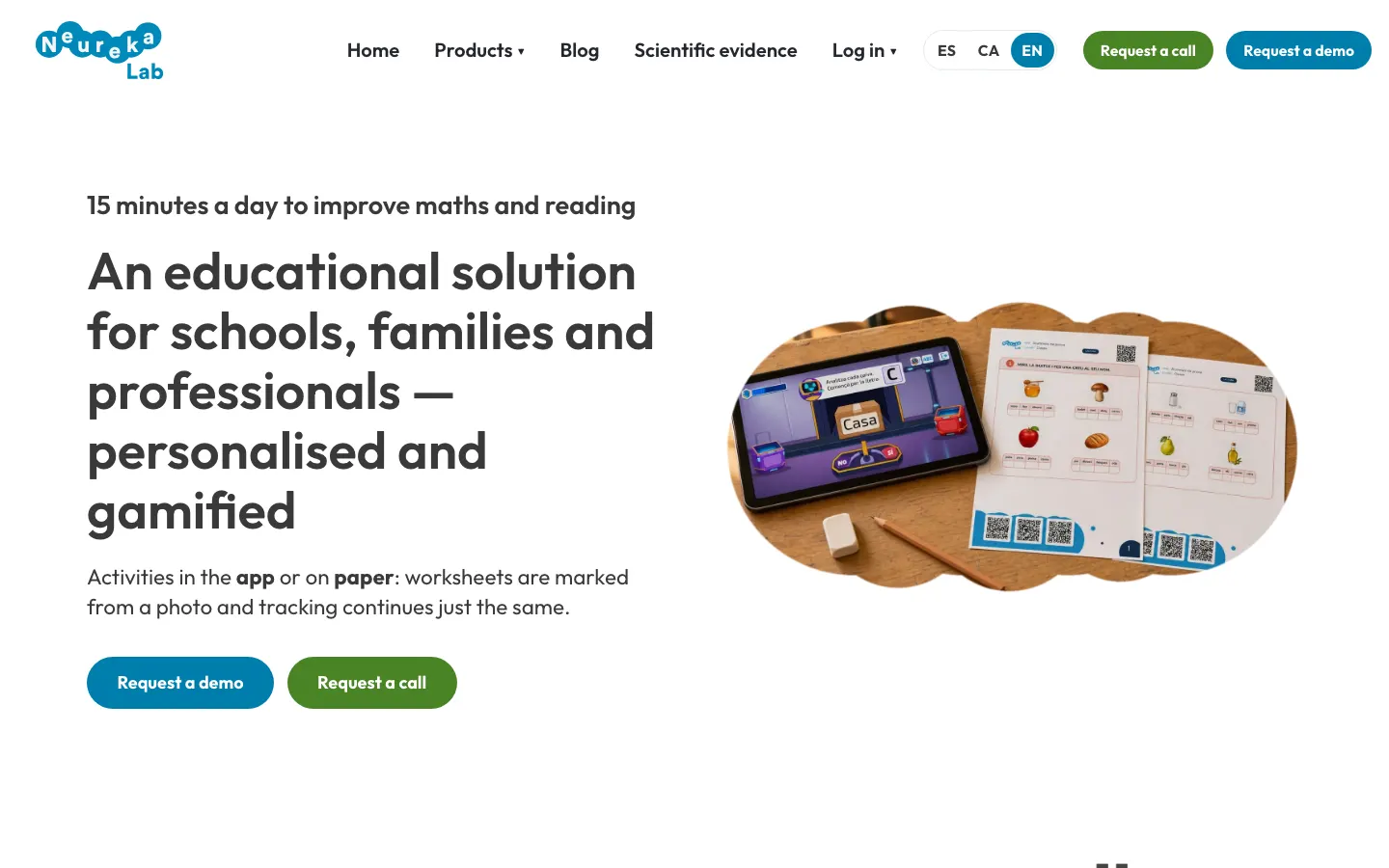
NeurekaLab is a research-based learning platform from the University of Barcelona and UVic-UCC that assesses and supports reading, maths, attention, and working memory with personalized screen and paper practice. It is listed under Mathematics and Reading for ages 5–12.
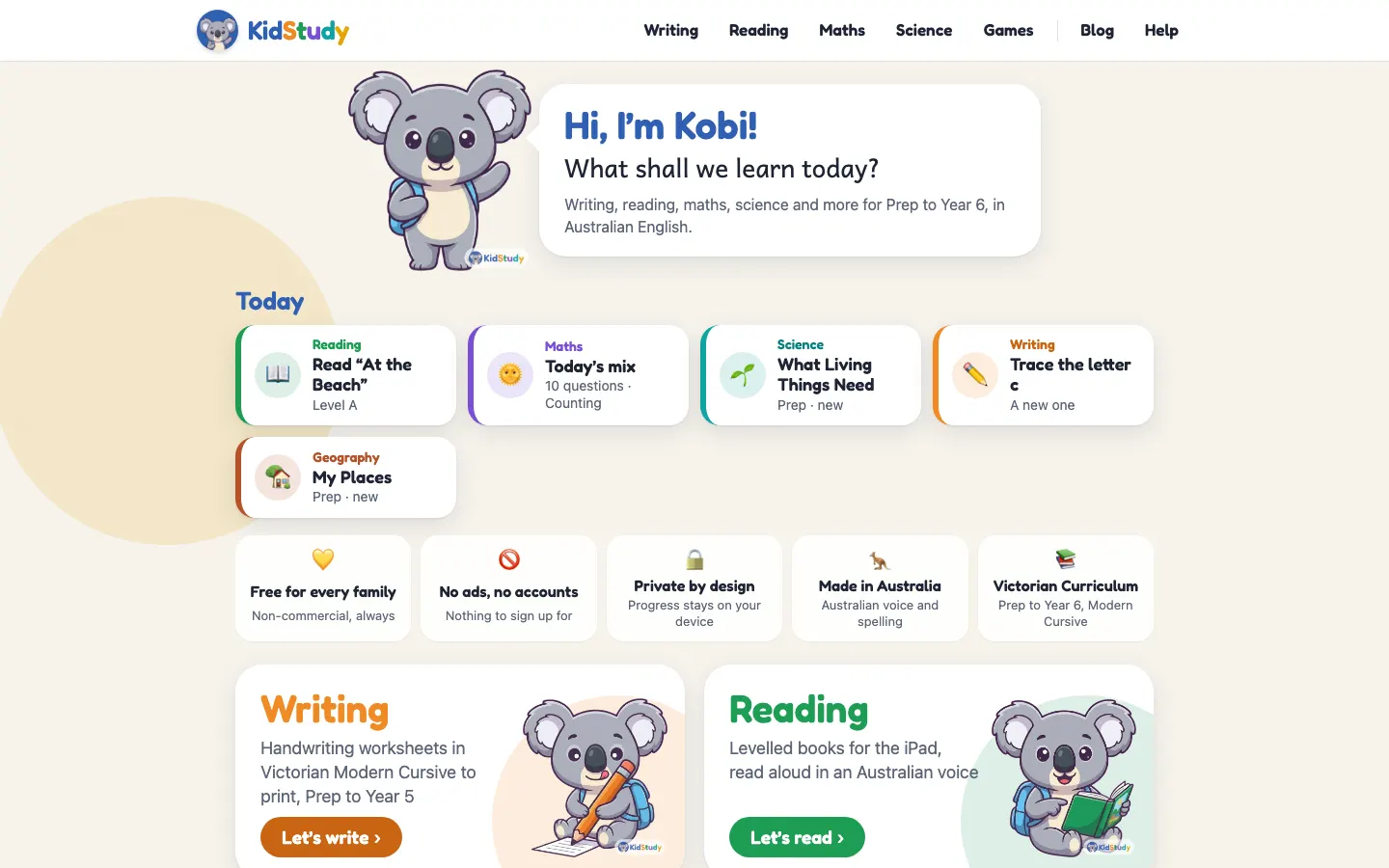
KidStudy
KidStudy is a free Australian early-learning website with writing, reading, maths, science, and games aligned to Prep through Year 6, with private on-device progress. It is listed under Reading and Mathematics for ages Prep–Year 6.
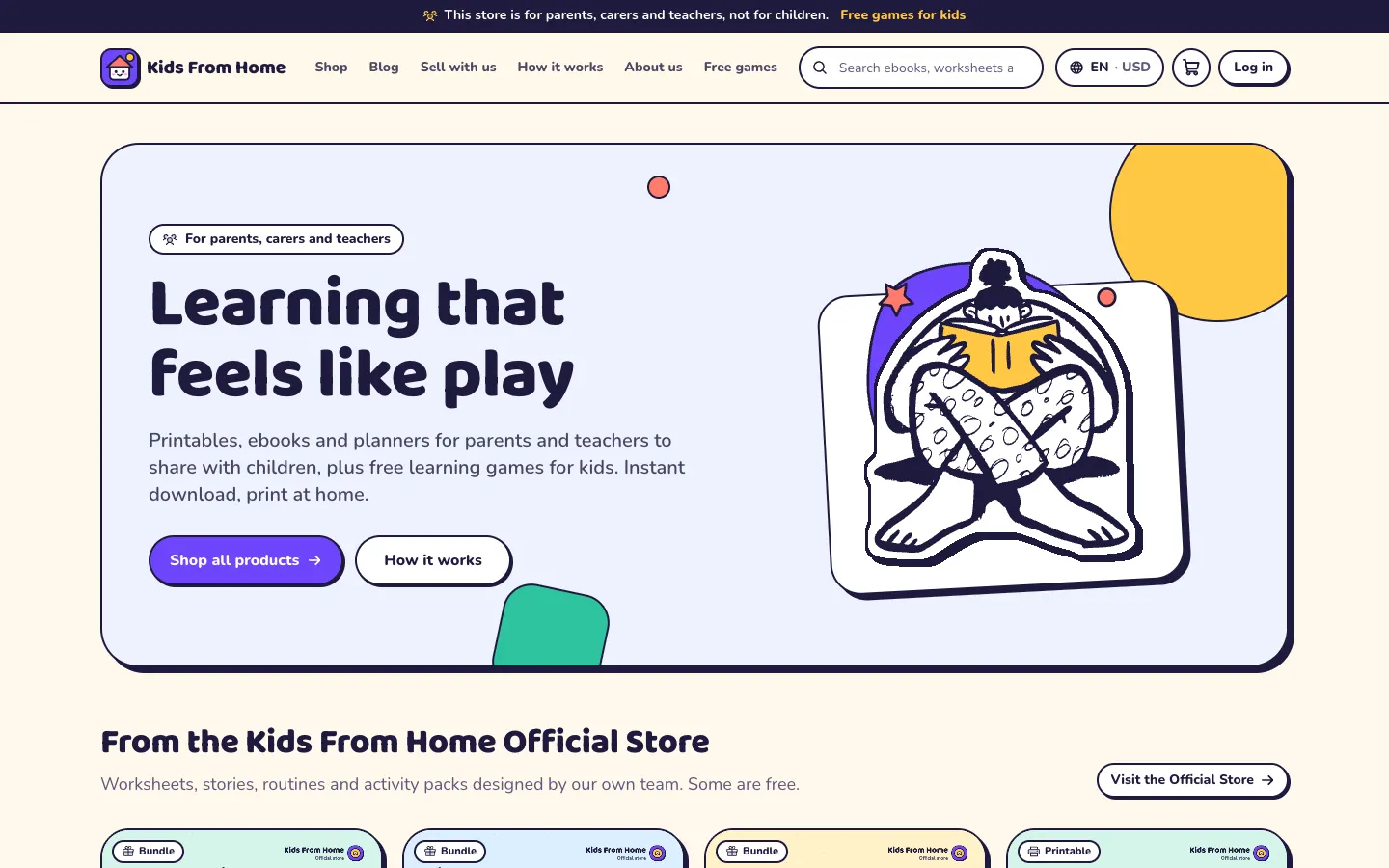
Kids From Home Games
Kids From Home Games is a free browser catalog of short activities for numbers, letters, words, memory, shapes, and early writing, filterable by age and skill. It is listed under Early learning, Mathematics, and Reading for ages 2–9.
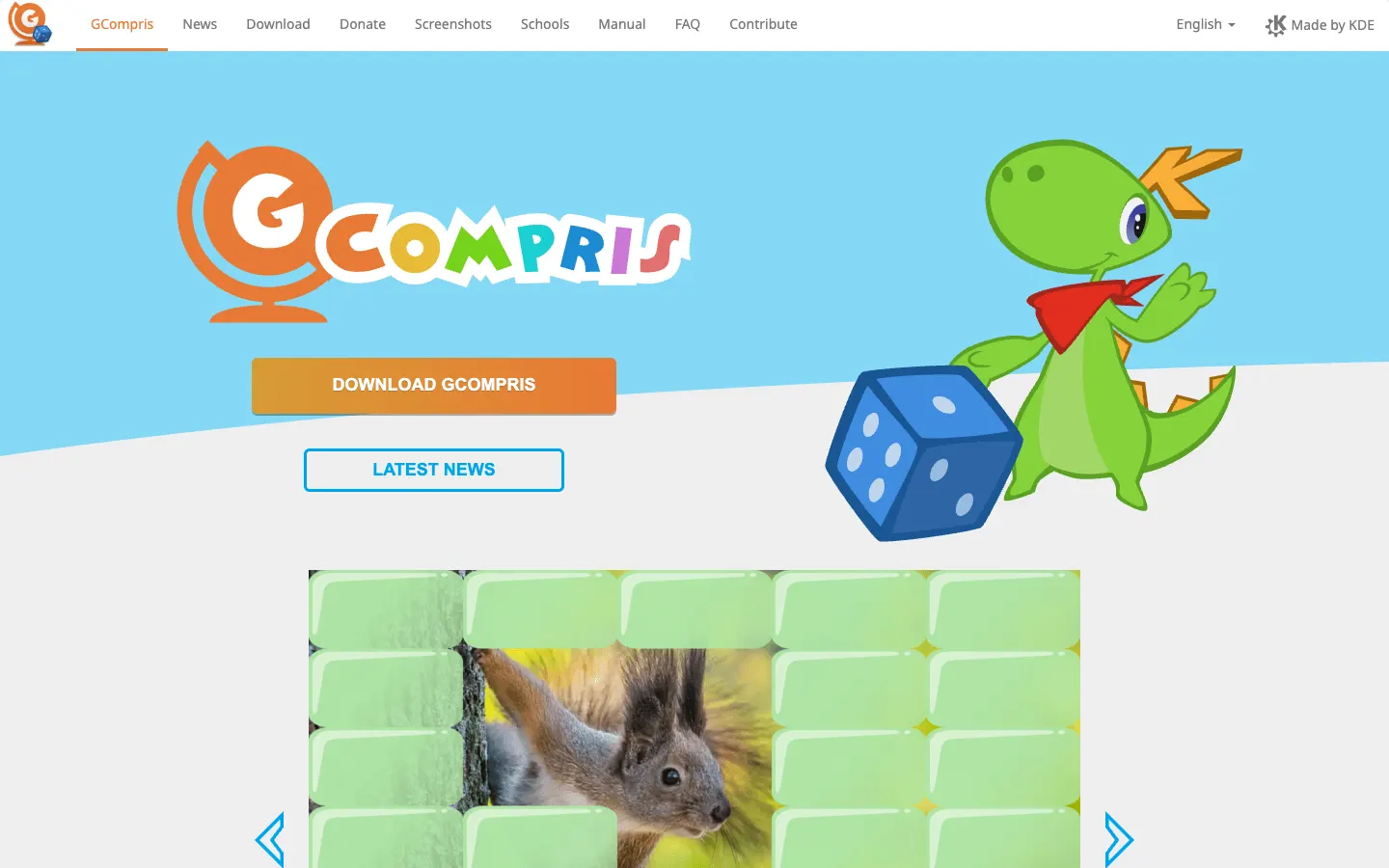
GCompris
A free educational software suite with more than 100 activities for young children, including computer discovery, reading, arithmetic, science, geography, and games. It is listed under Games and Reading for ages 2–10. Children and families can use it through a website and a desktop app.
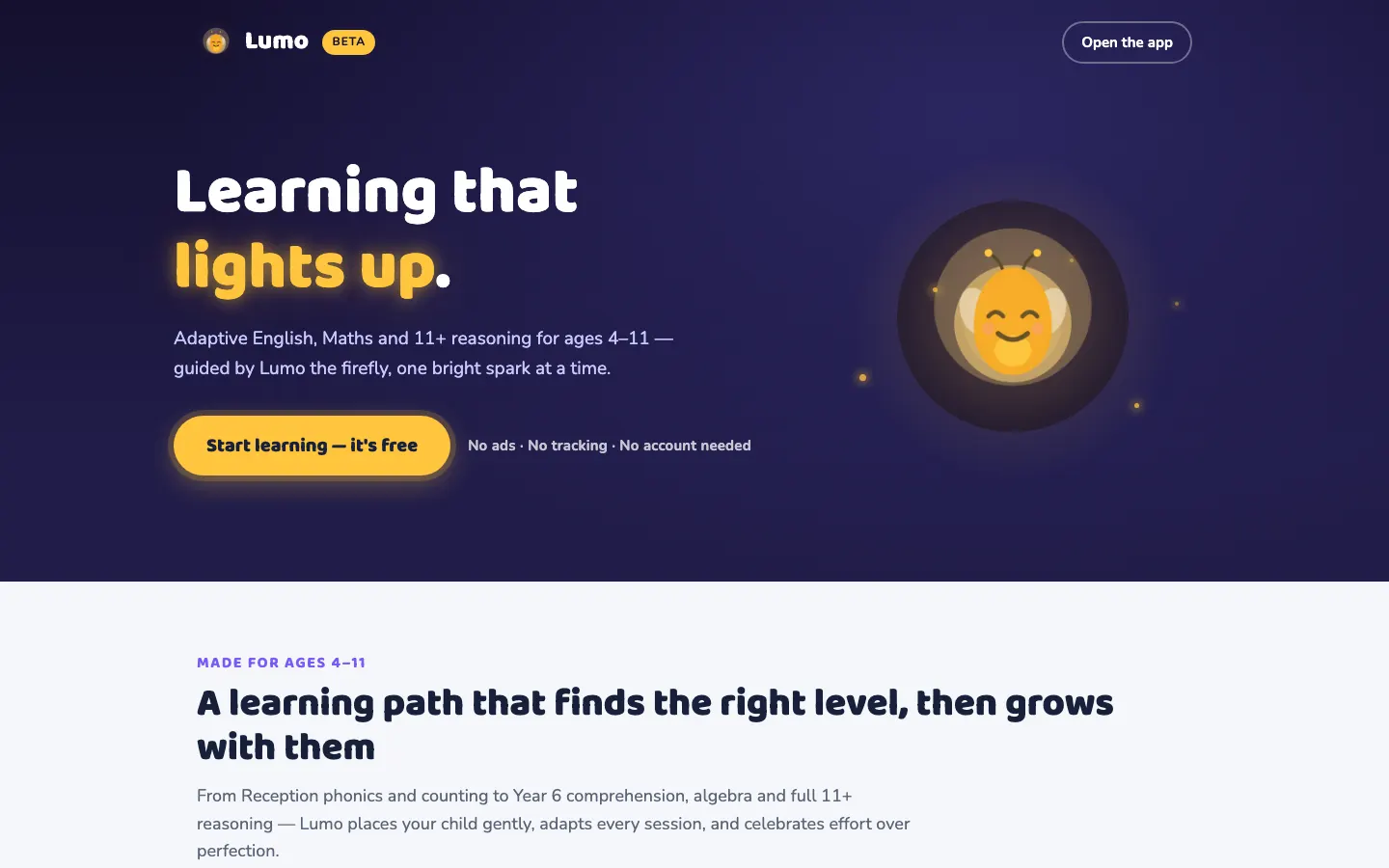
Lumo
Lumo is an adaptive browser learning path for English, maths, and 11+ reasoning, with offline use, read-aloud support, and gentle practice for children. It is listed under Reading and Mathematics for ages 4–11. Children and families can use it through a website.
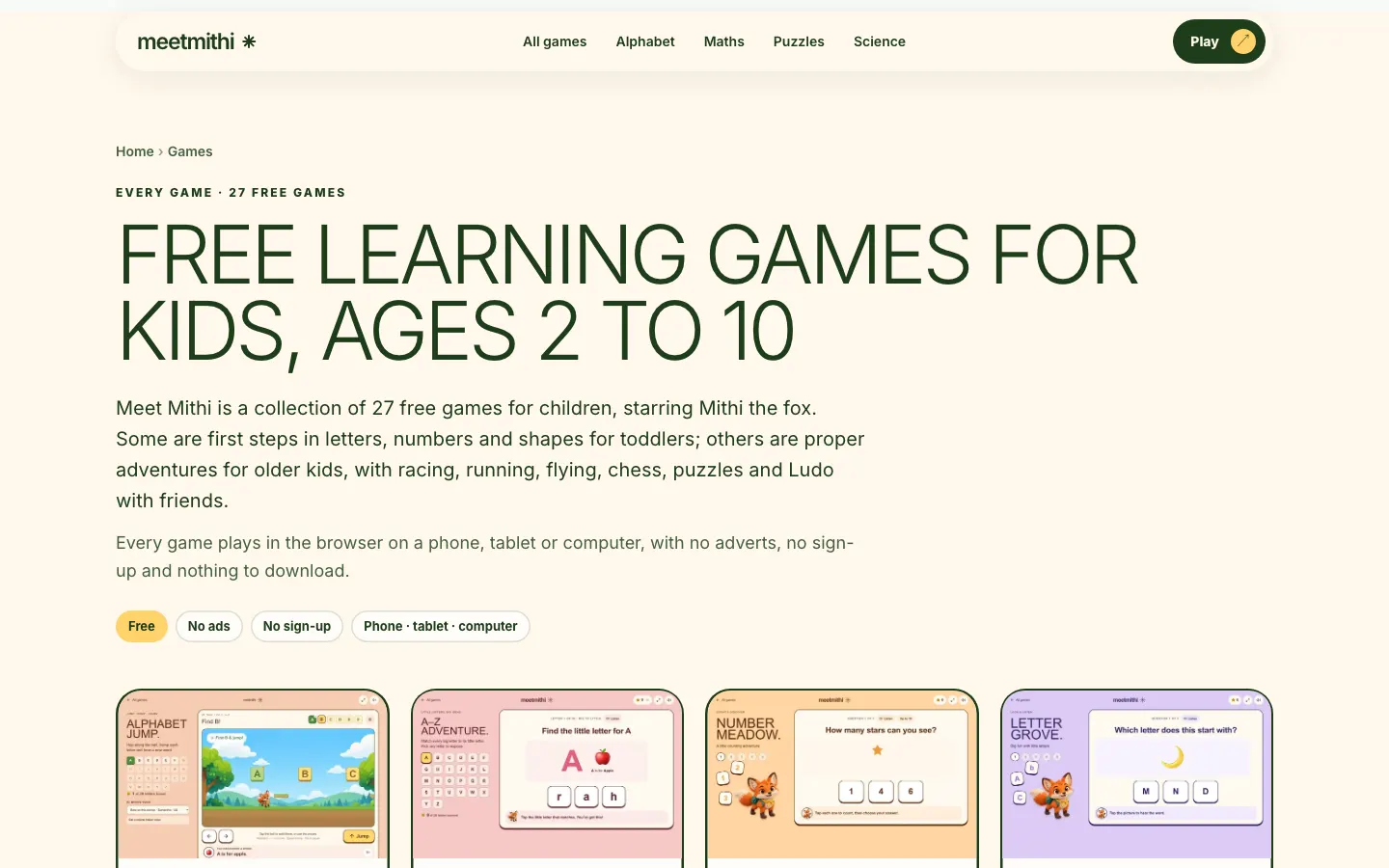
Meet Mithi
Meet Mithi is a collection of read-aloud browser games for children covering letters, phonics, counting, maths, puzzles, science, nature, and everyday play. It is listed under Early learning, Reading, and Mathematics for ages 2–10.
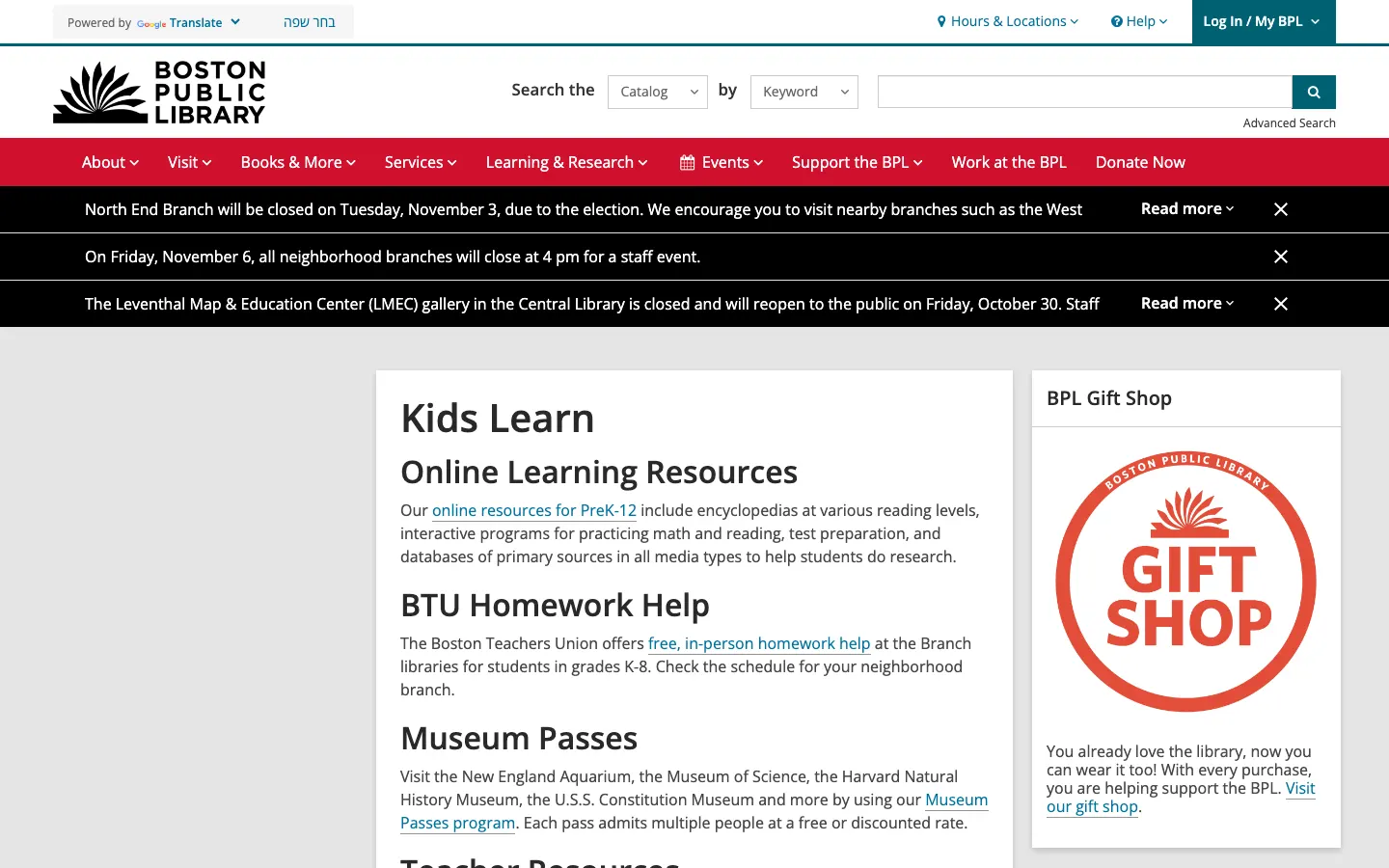
Boston Public Library Kids Learn
Boston Public Library Kids Learn is a public-library hub with age-leveled encyclopedias, interactive reading and math programs, test preparation, research databases, and field-trip links. It is listed under Government & education and Reading for ages PreK–12.
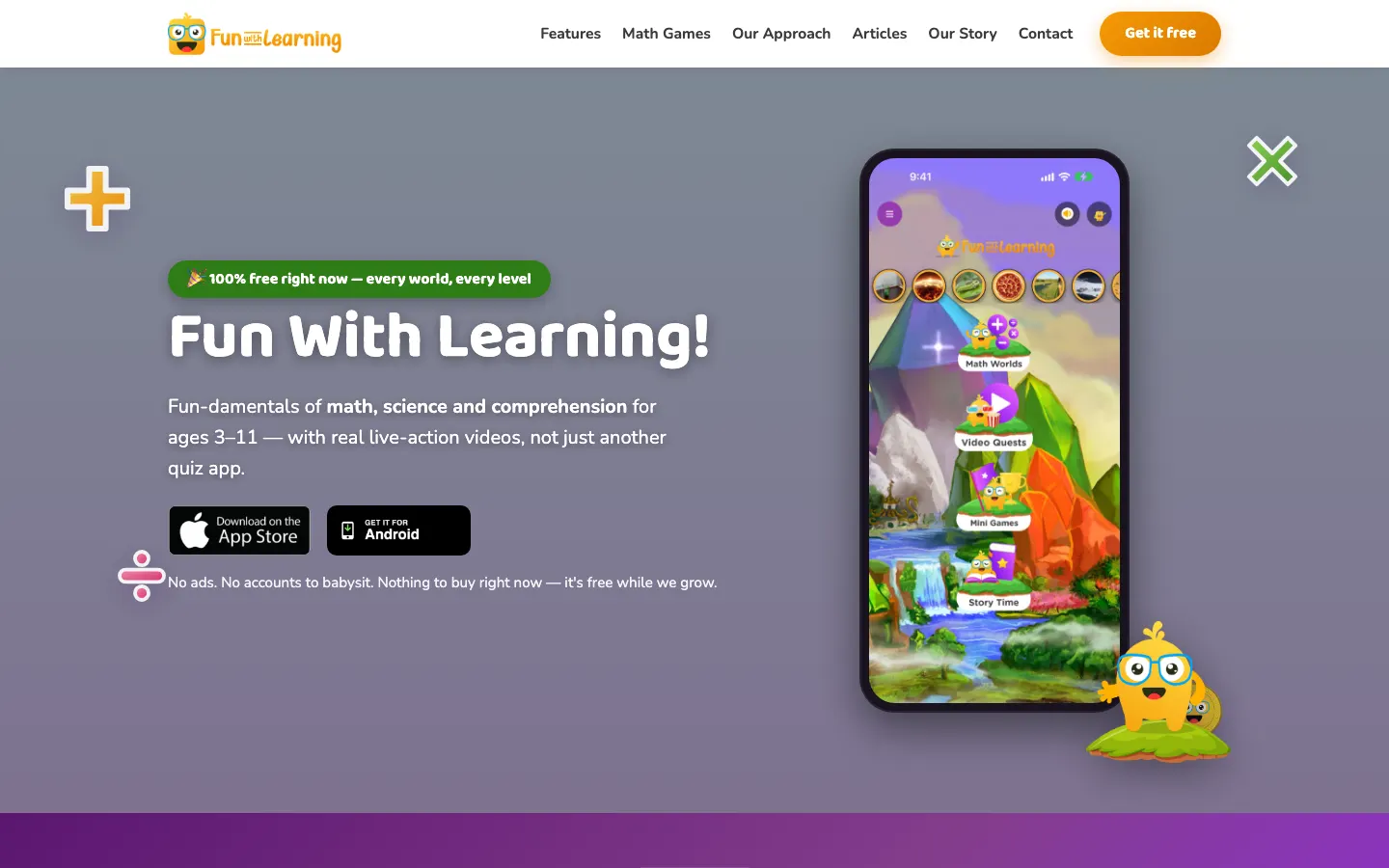
Fun With Learning
Fun With Learning combines visual math games, science and comprehension activities, live-action video quests, story time, and short interactive sessions for young children. It is listed under Mathematics and Science for ages 3–11. Children and families can use it through a website.
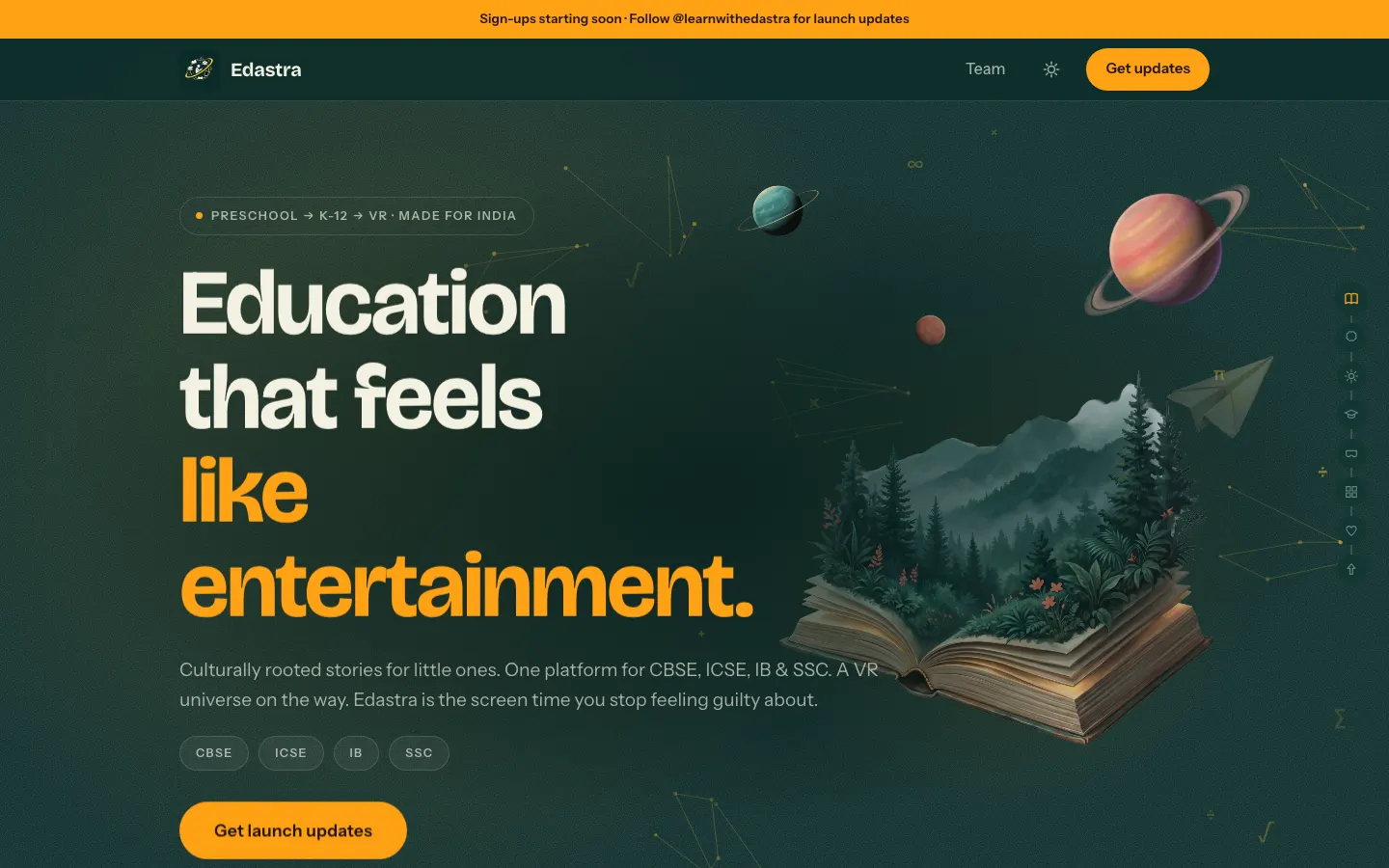
Edastra
Edastra is a planned learning platform for Indian children from preschool through Class 12, with story-led lessons across CBSE, ICSE, IB, and SSC curricula and scholarships funded by subscriptions. It is listed under Parent & educator and Mathematics for ages 2–18; class-specific.
Compare with context
Use this collection to find a direction, then open each resource page before sharing it with a child. The individual review shows languages, access formats, tags, age guidance, source links, and notes for grown-ups.
Search the full directory →