Maker & DIY Science
for kids
Explore 20 trusted maker & diy science resources selected for curious kids, with clear ages, access details, and parent context.
Two useful ways to narrow the directory
This page brings together maker & diy resources that also match science. Each listing keeps its own age range, platform details, languages, links, and parent notes, so you can compare options without losing context.
Explore all maker & diy resources →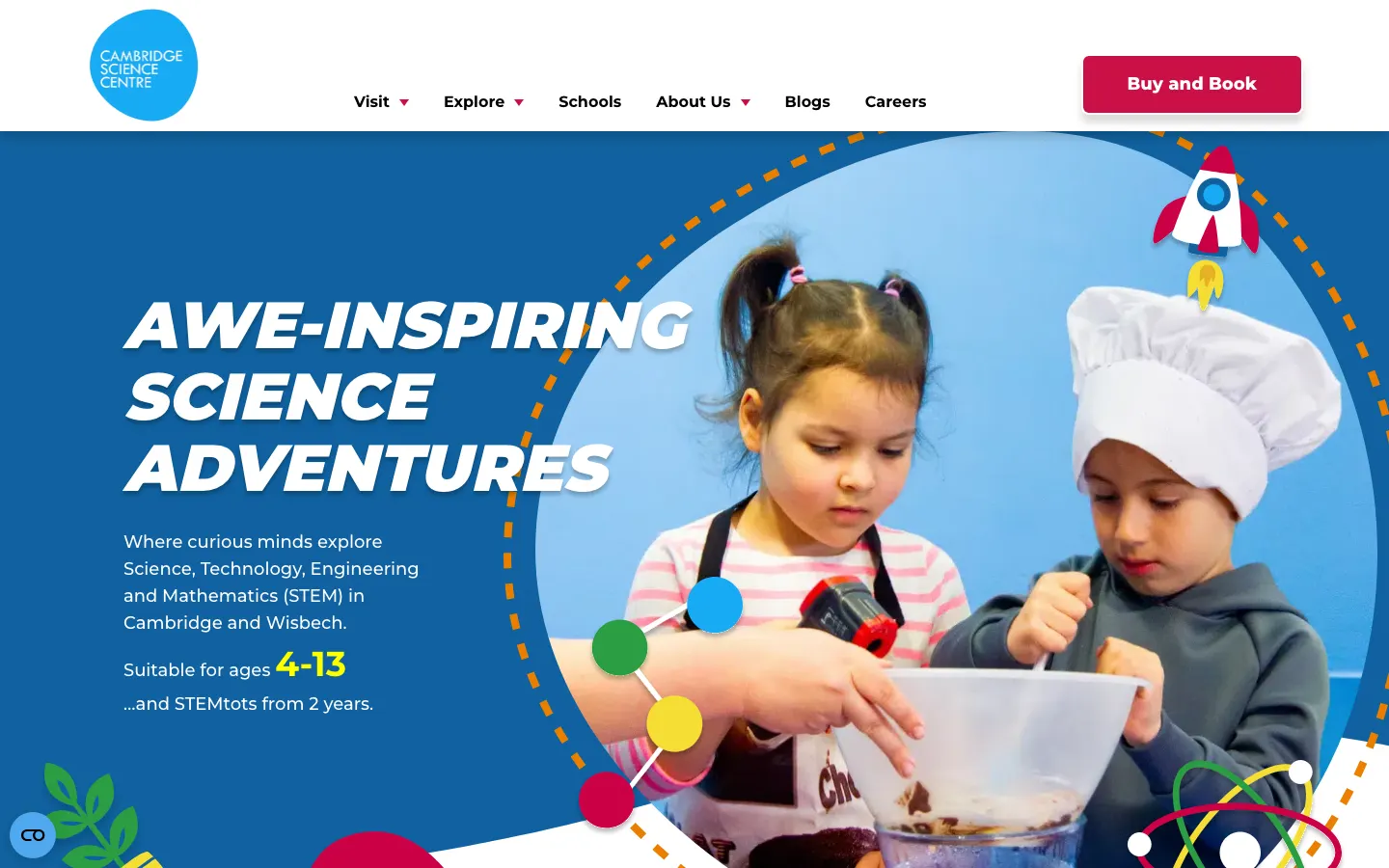
Cambridge Science Centre
A hands-on science charity with Cambridge and Wisbech centres, open-ended STEM exhibits, science demonstrations and lab-bench challenges for families and school groups. It is listed under Science and Maker & DIY for ages 4–13; STEMtots from 2.
Read the full resource review →More maker & diy picks
Kide Science
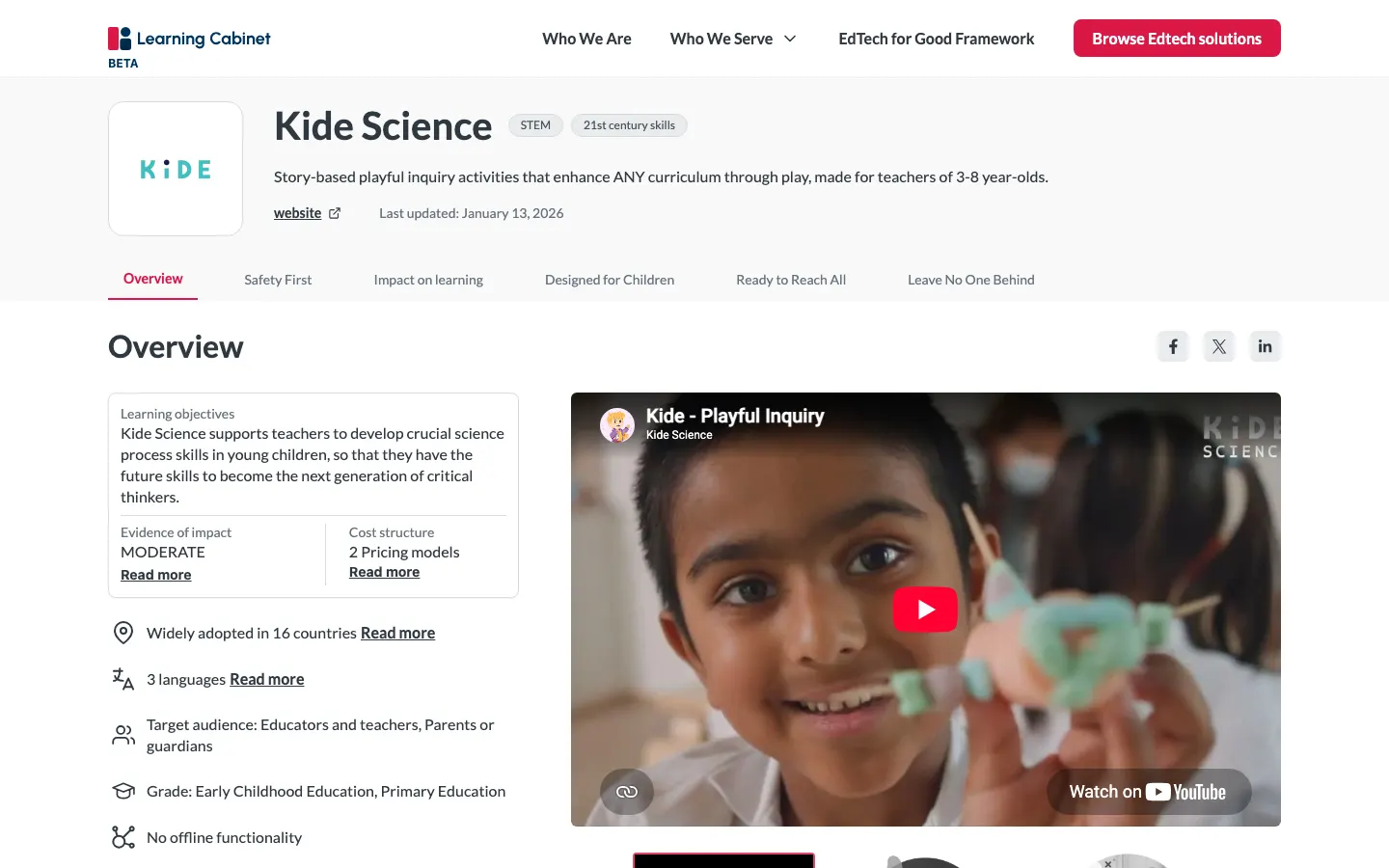
Kide Science is an inquiry-based early-years science program with playful experiments, lesson resources, and educator support for young children. It is listed under Science and Parent & educator for ages 3–8. Children and families can use it through a website.
Royal Institution Learning
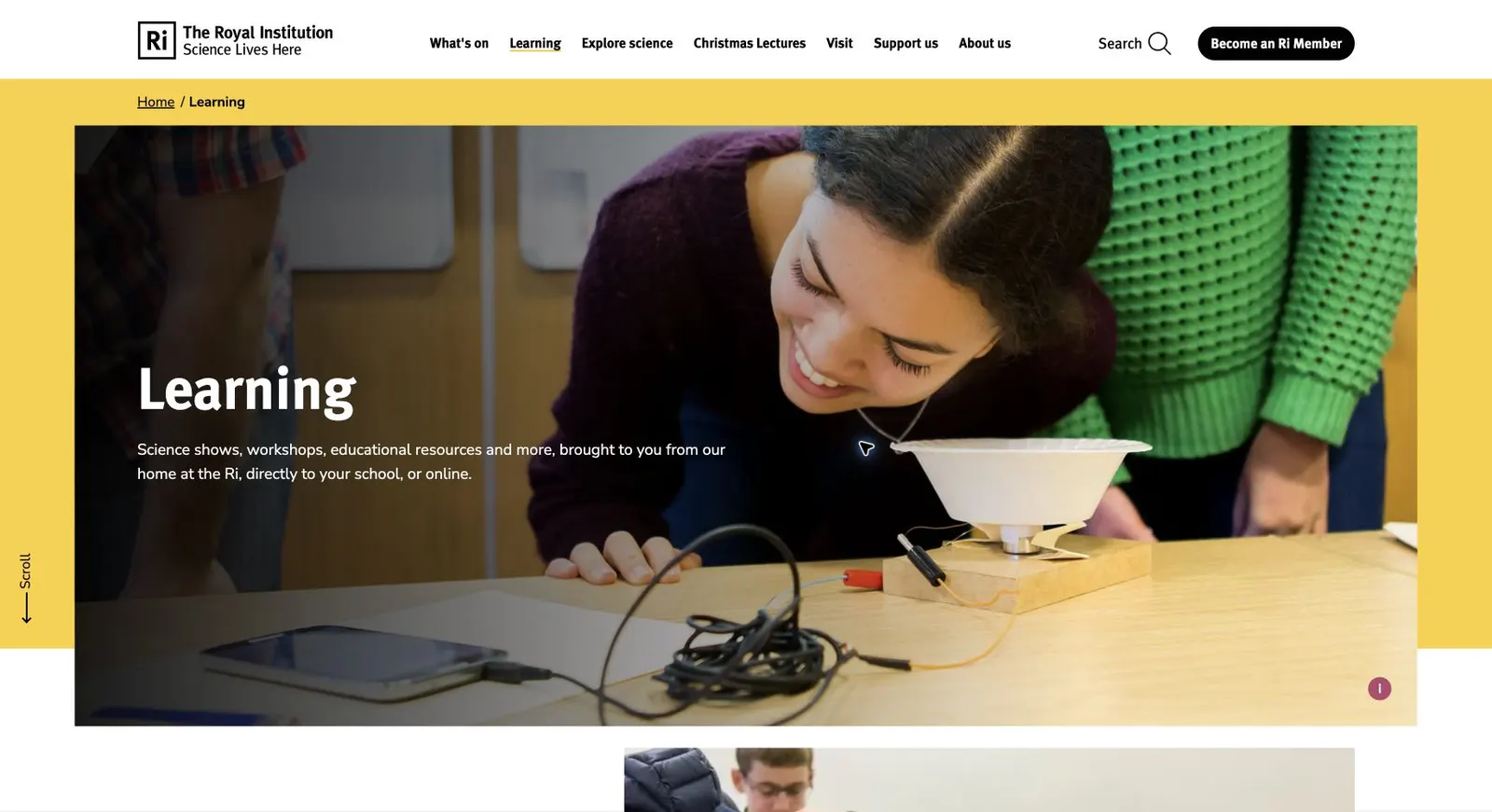
Science shows, experiments, workshops, and educational resources from the Royal Institution. It is listed under Science, Maker & DIY, and Parent & educator for ages 6-18. Children and families can use it through a website.
Arduino Science Journal
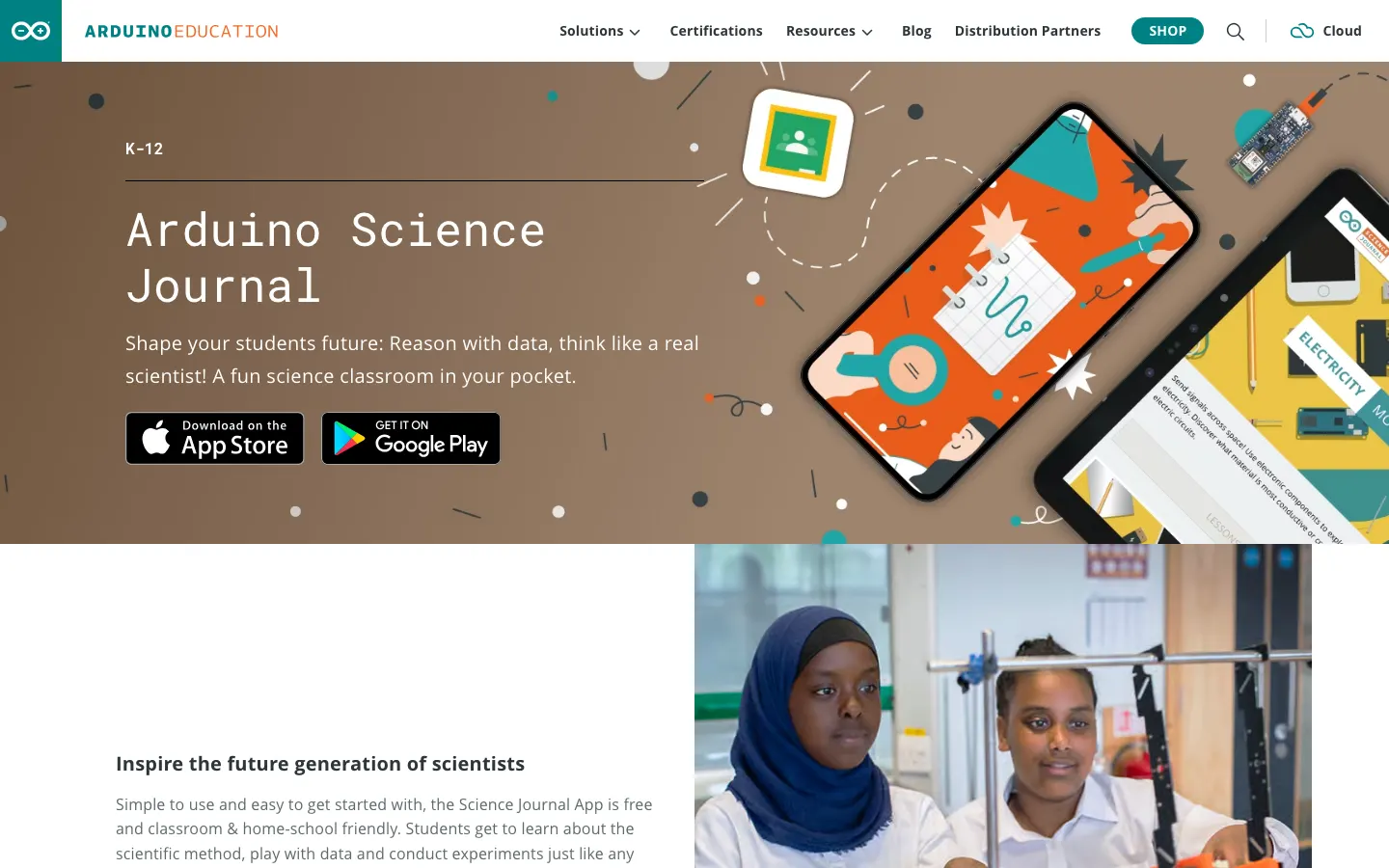
Arduino Science Journal is a free open-source science app that uses phone and tablet sensors, experiment activities, data recording, and graphs to support hands-on scientific inquiry. It is listed under Science and Mathematics for ages K–12.
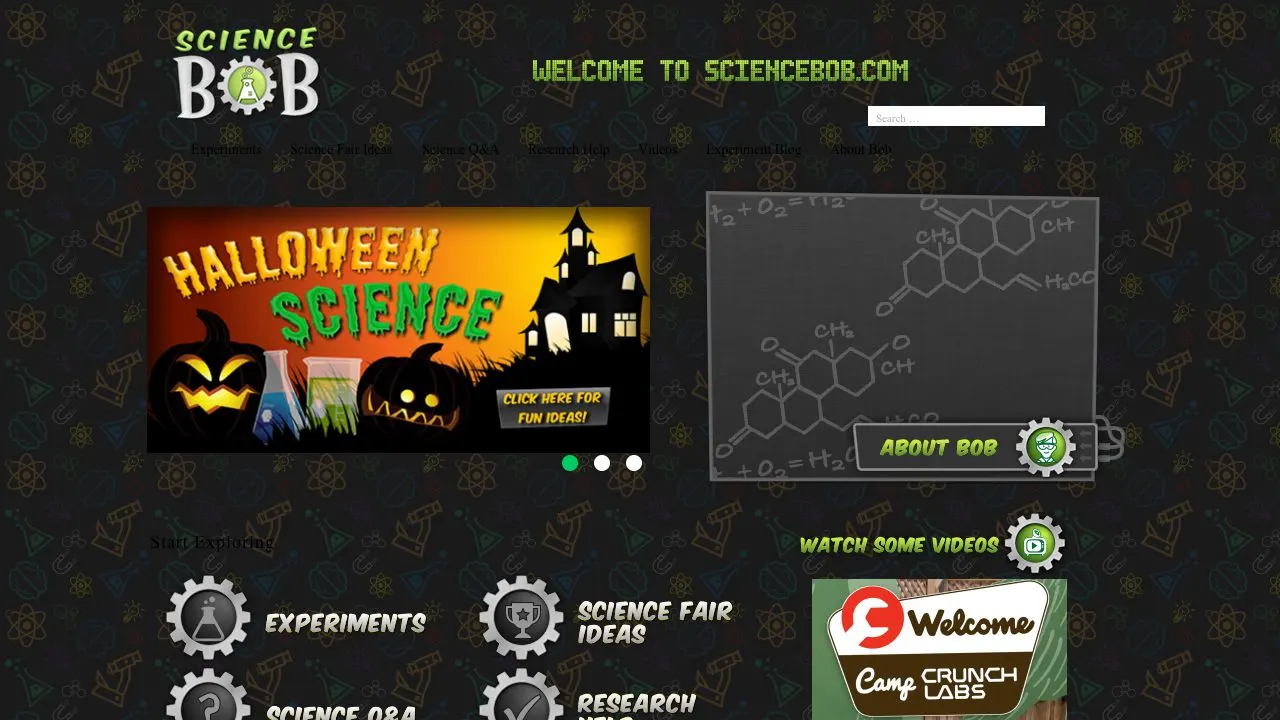
Science Bob
Hands-on science experiments, demonstrations, science-fair ideas, and explanations designed to make discovery approachable for children and families. It is listed under Science, Maker & DIY, and Parent & educator for ages 7–14. Children and families can use it through a website.
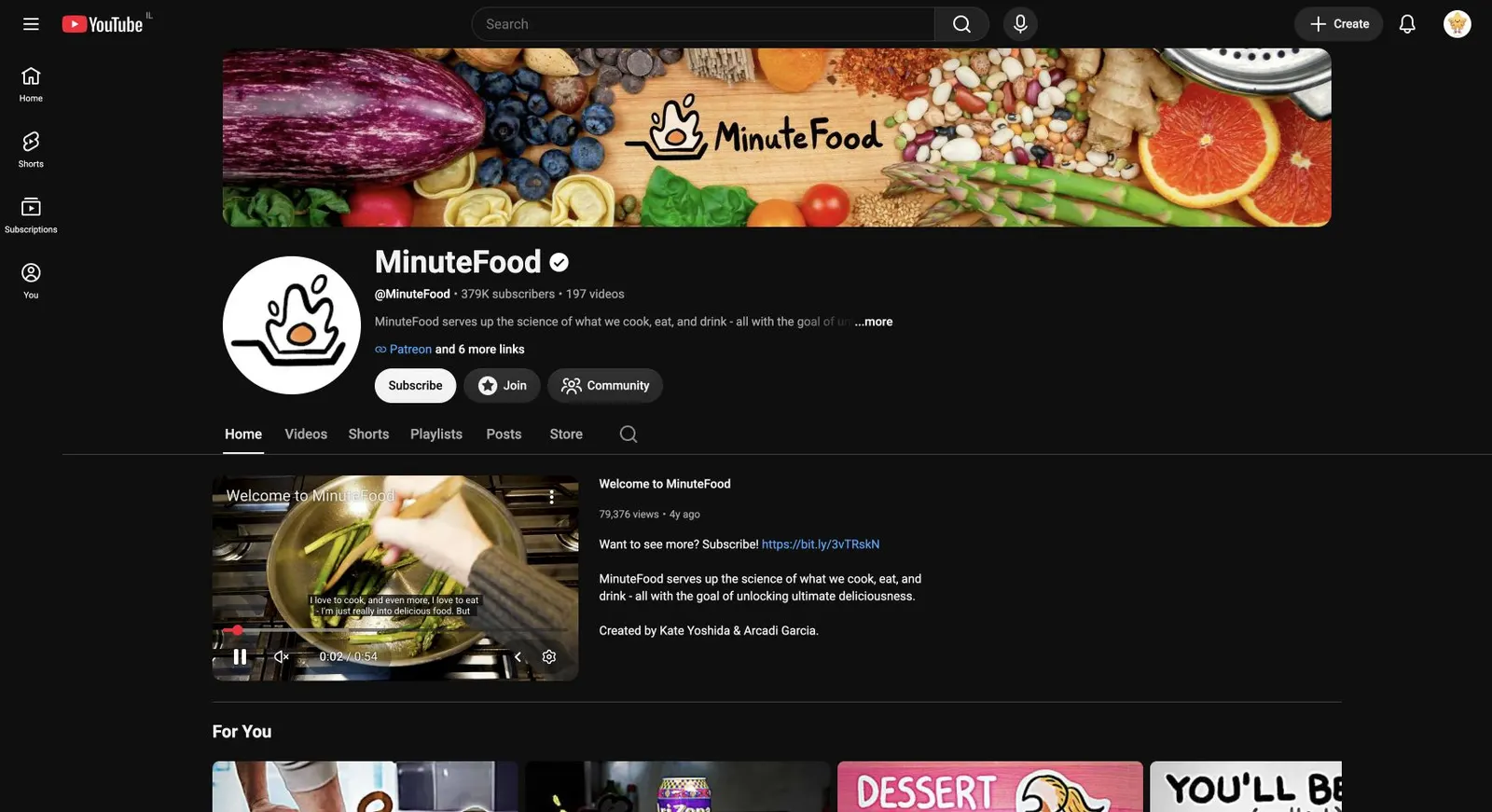
MinuteFood
Short food-science videos explaining cooking, ingredients, nutrition, taste, and the science of what people eat and drink. It is listed under Science, Maker & DIY, and Physical health for ages 9–16. Children and families can use it through a YouTube channel.
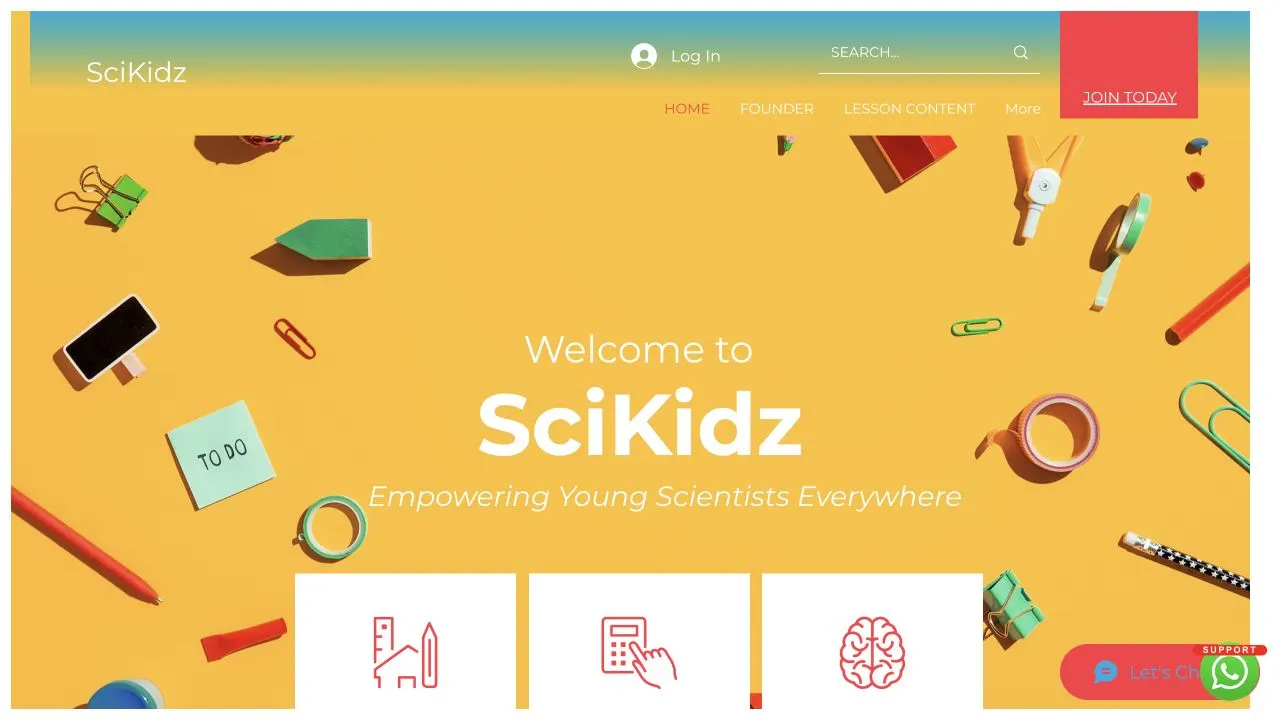
SciKidz
A free online STEM program for children with science lesson videos, experiment instructions, tutorials, and teacher notes. The official site includes hands-on topics such as electricity, magnetism, life science, and simple machines.
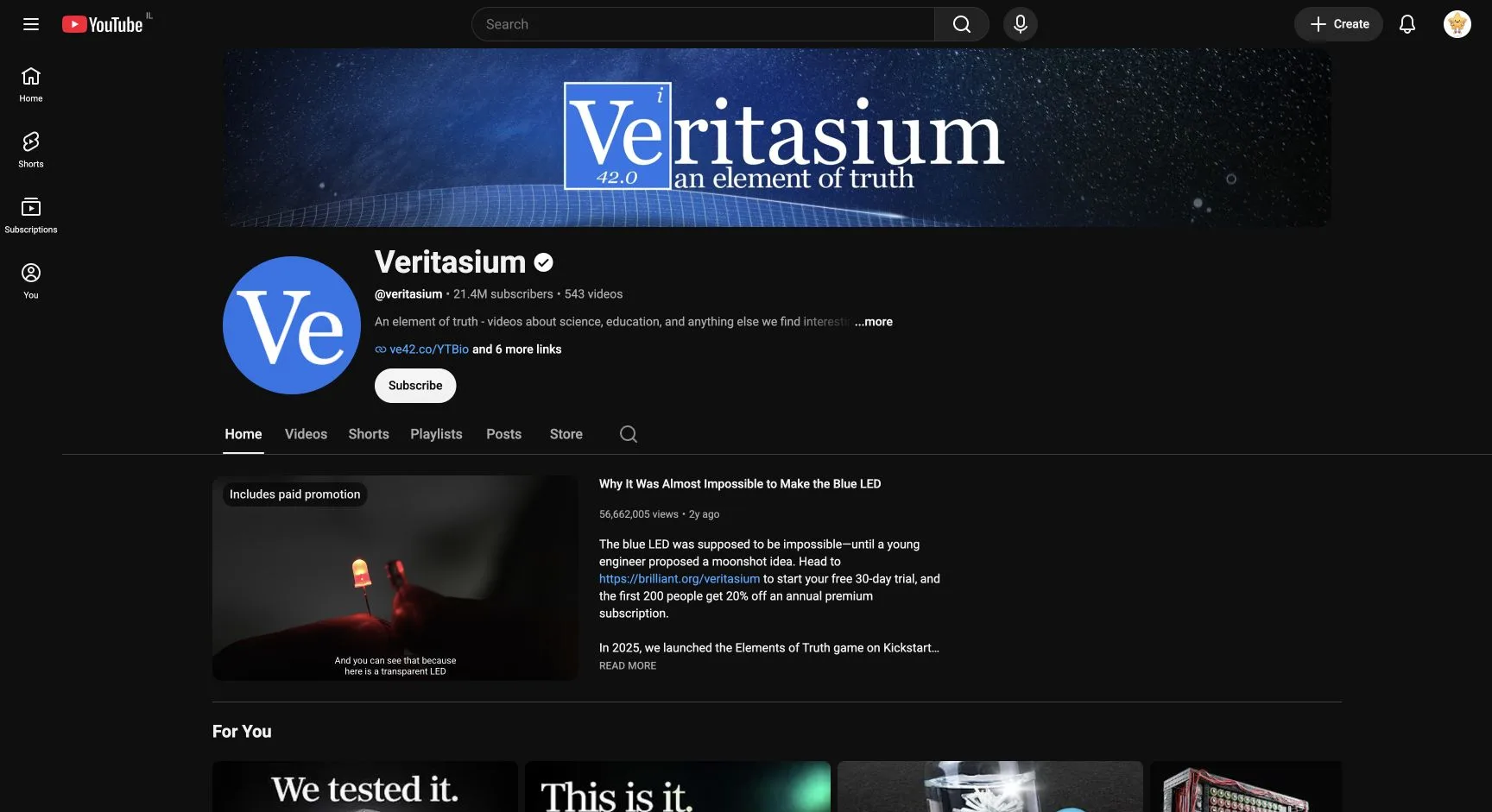
Veritasium
Science and engineering videos built around experiments, misconceptions, and questions about how the world works. It is listed under Science and Maker & DIY for ages 12–18. Children and families can use it through a YouTube channel.
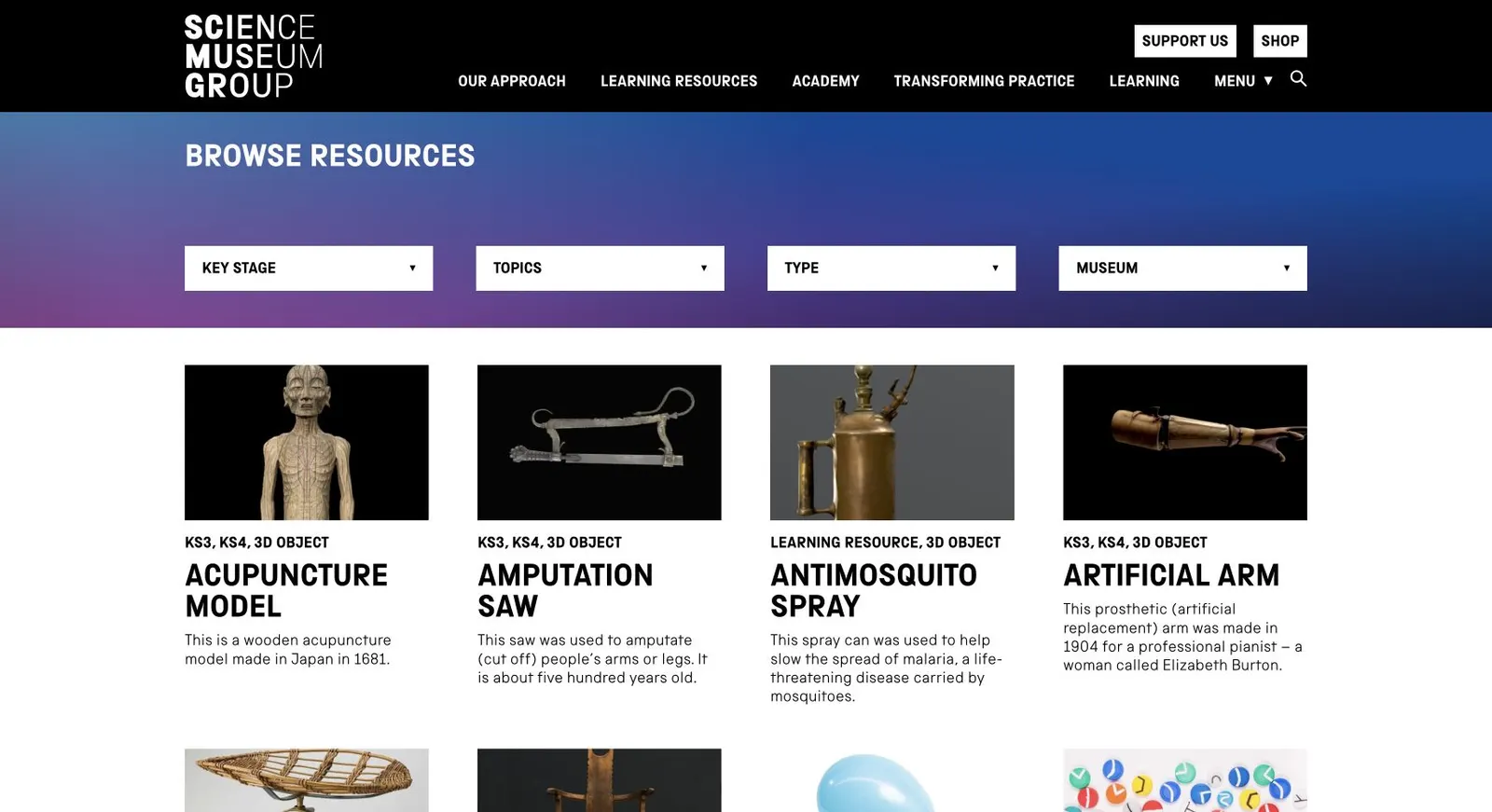
Science Museum Group Learning Resources
Museum-backed science activities, experiments, objects, and downloadable learning resources for children and educators. It is listed under Science, Maker & DIY, and Parent & educator for ages 5-16. Children and families can use it through a website and downloadable resources.
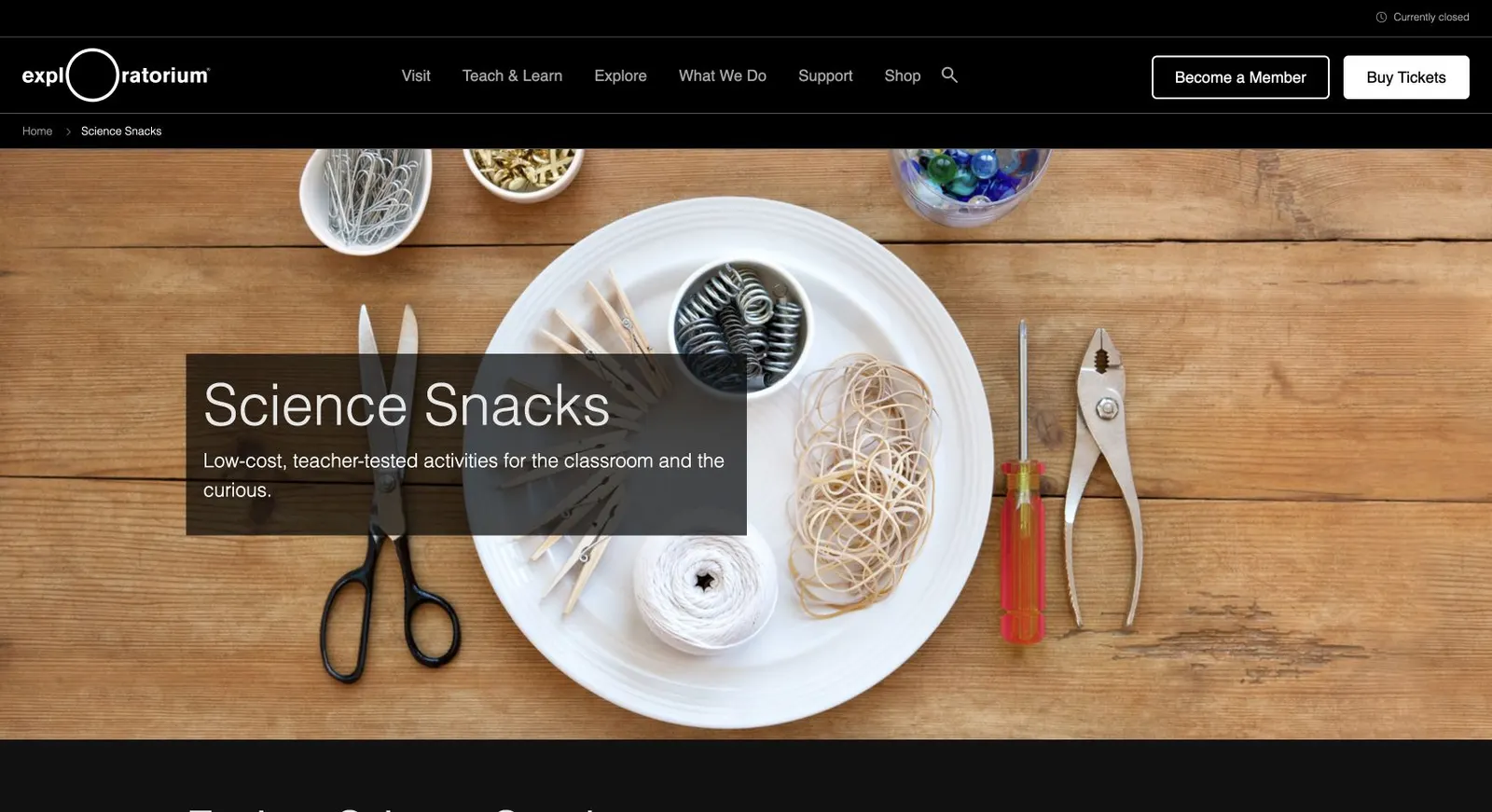
Exploratorium Science Snacks
Low-cost, teacher-tested hands-on science activities from the Exploratorium, with searchable activities and collections for classrooms and curious families. It is listed under Science and Maker & DIY for ages 7–16. Children and families can use it through a website.
Explore STEM at Home
South Australia’s Department for Education offers free early-years, primary, and middle-years STEM activities using cooking, gardening, construction, making, and everyday problem solving. It is listed under Science and Maths & logic for ages 3–14.
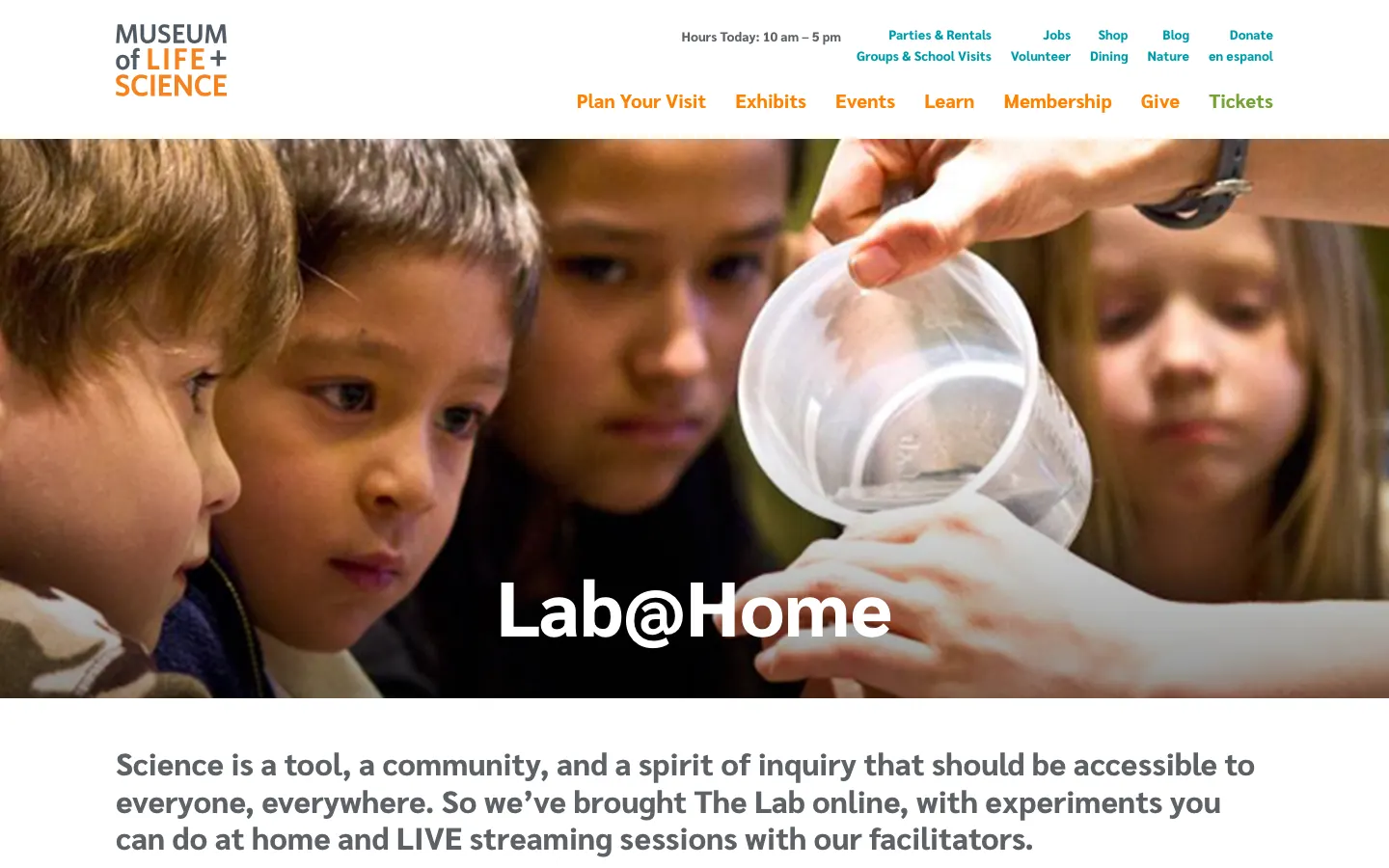
Museum of Life and Science Lab@Home
Lab@Home and LittleLab@Home bring the Museum of Life and Science’s experiments and scientific thinking online through live sessions, replays, and activities for young children. It is listed under Science and Maker & DIY for ages 3–14.
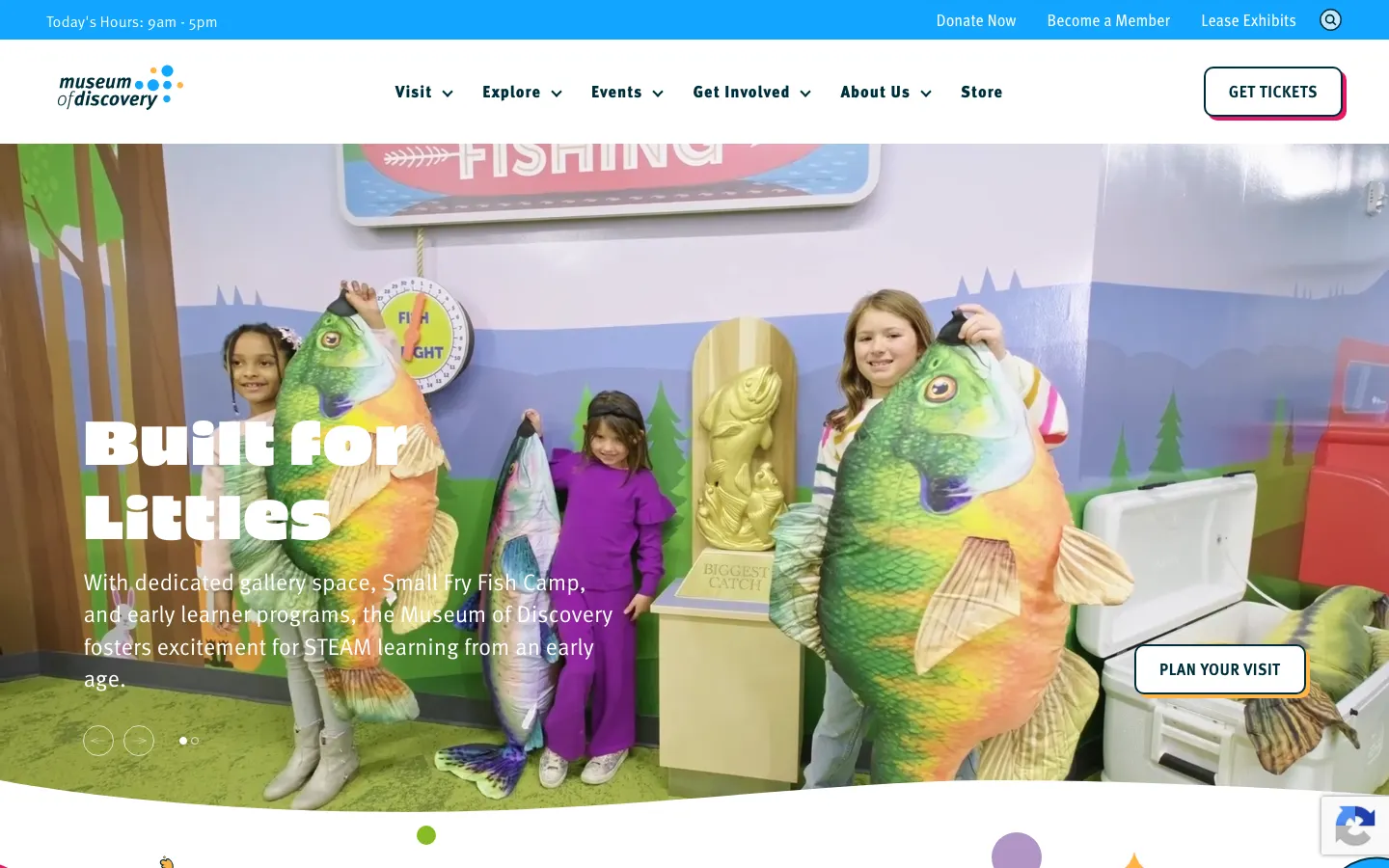
Museum of Discovery (Little Rock)
The Museum of Discovery in Little Rock offers interactive science, technology, engineering, and environmental exhibits for children and families. It is listed under Science and Nature & environment for ages 3–18. Children and families can use it through a website.
Compare with context
Use this collection to find a direction, then open each resource page before sharing it with a child. The individual review shows languages, access formats, tags, age guidance, source links, and notes for grown-ups.
Search the full directory →