Literacy websites
for kids
Explore 20 trusted literacy websites selected for curious kids, with clear ages, access details, and parent context.
Two useful ways to narrow the directory
This page brings together literacy resources that also match websites. Each listing keeps its own age range, platform details, languages, links, and parent notes, so you can compare options without losing context.
Explore all literacy resources →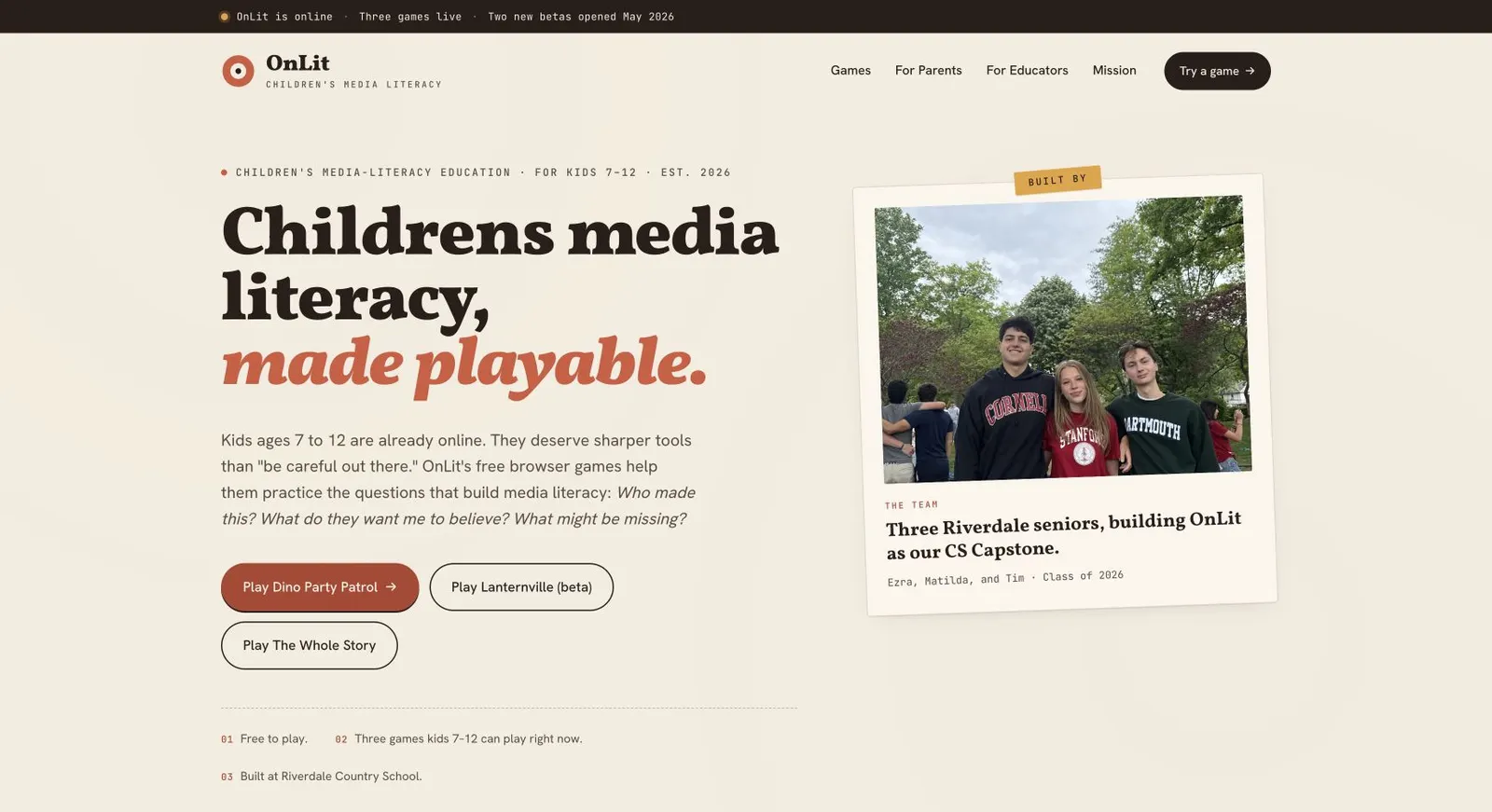
OnLit
OnLit is a free browser collection of media-literacy games for children ages 7–12, built at Riverdale Country School around source evaluation, missing context, and persuasion. It is listed under Literacy and Media literacy for ages 7–12.
Read the full resource review →More literacy picks
Rally to Read
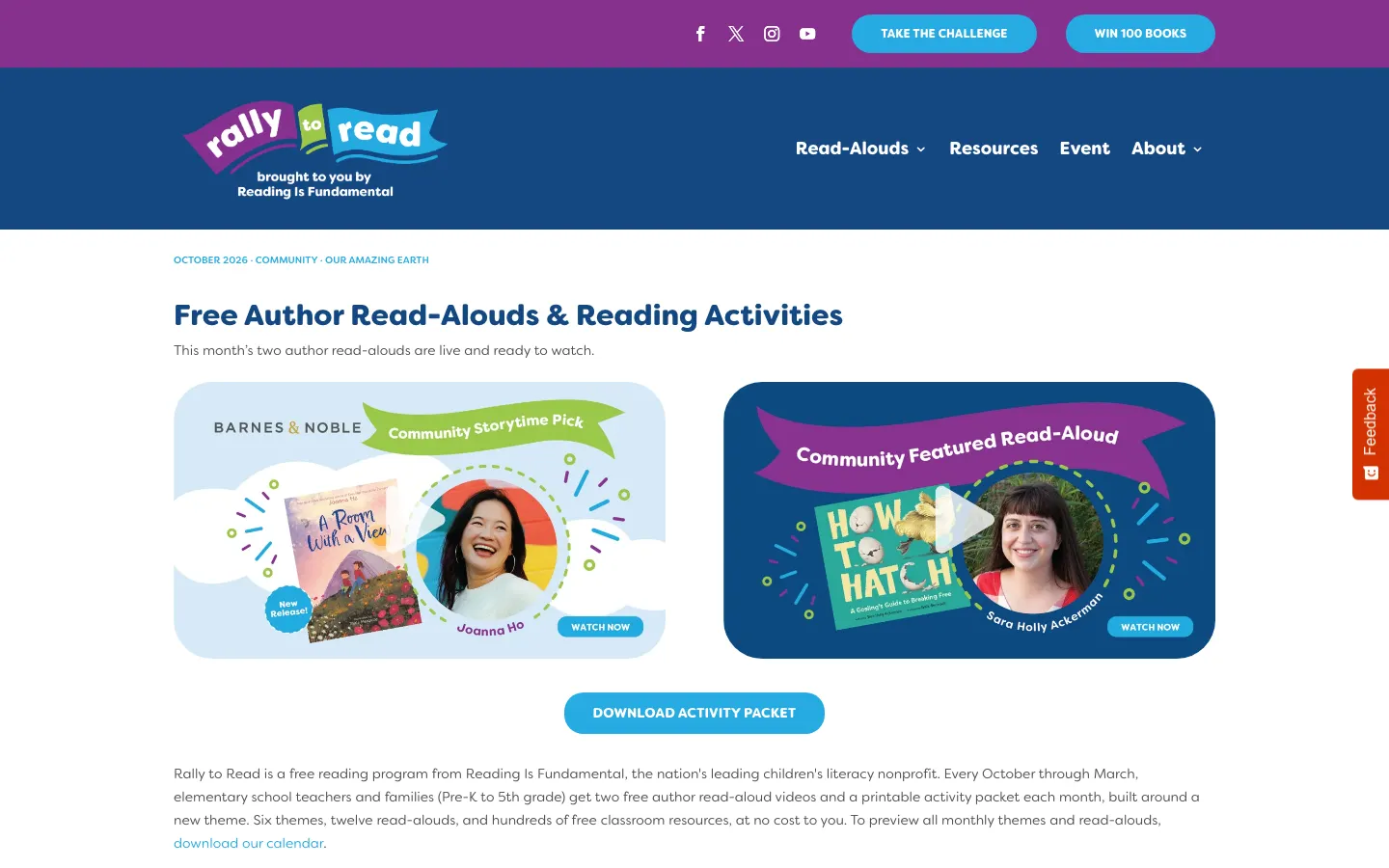
Rally to Read provides author read-alouds, book-themed literacy activities, monthly reading challenges, and family resources designed to motivate children to read. It is listed under Literacy and Reading for ages 3–12. Children and families can use it through a website.
Squiz Kids
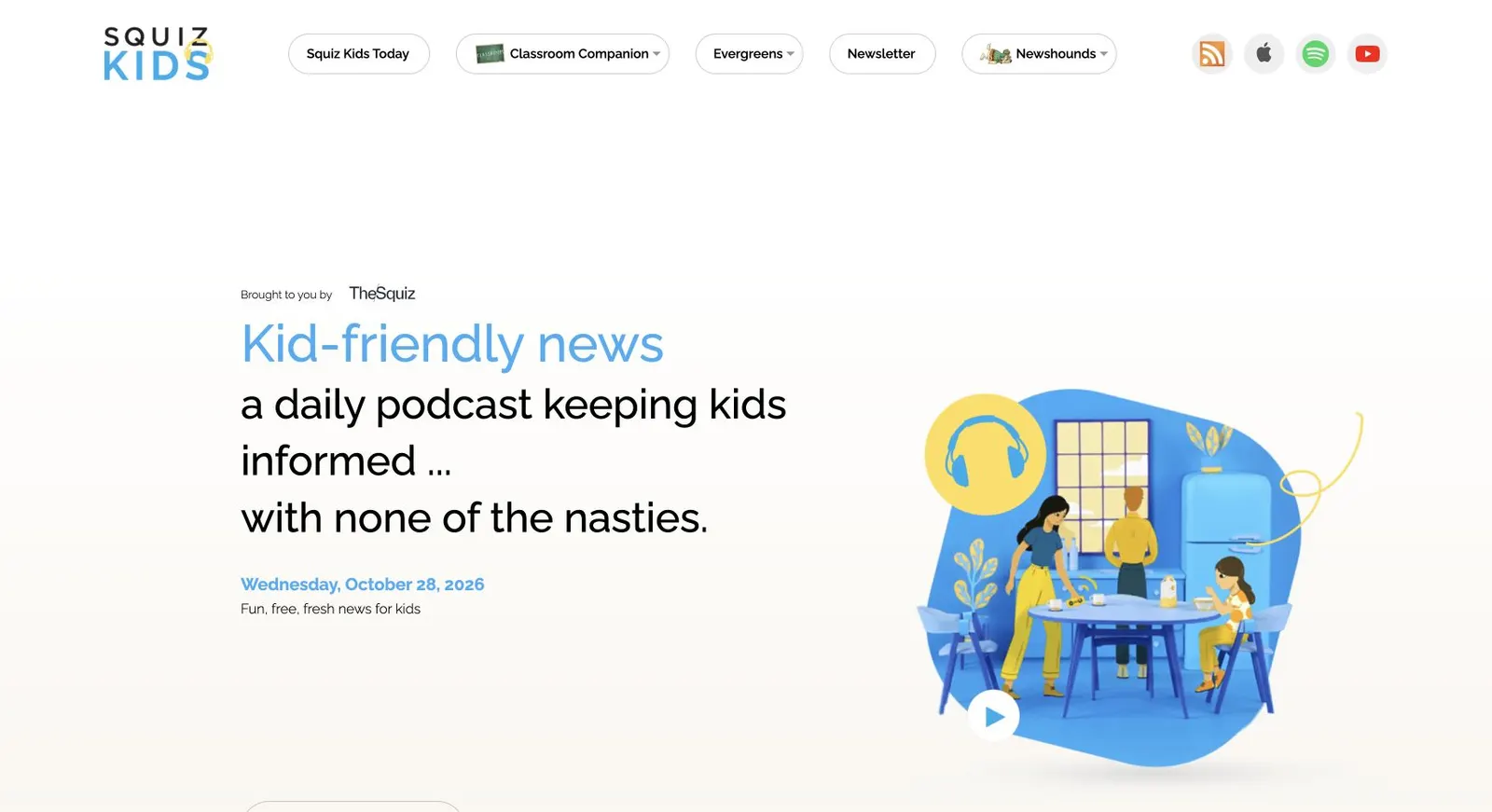
A daily kid-friendly news podcast and media-literacy provider covering science, geography, civics, money, and current events for primary-school listeners. It is listed under Literacy and Podcast for ages 7–13. Children and families can use it through a website and a podcast.
Kidverse
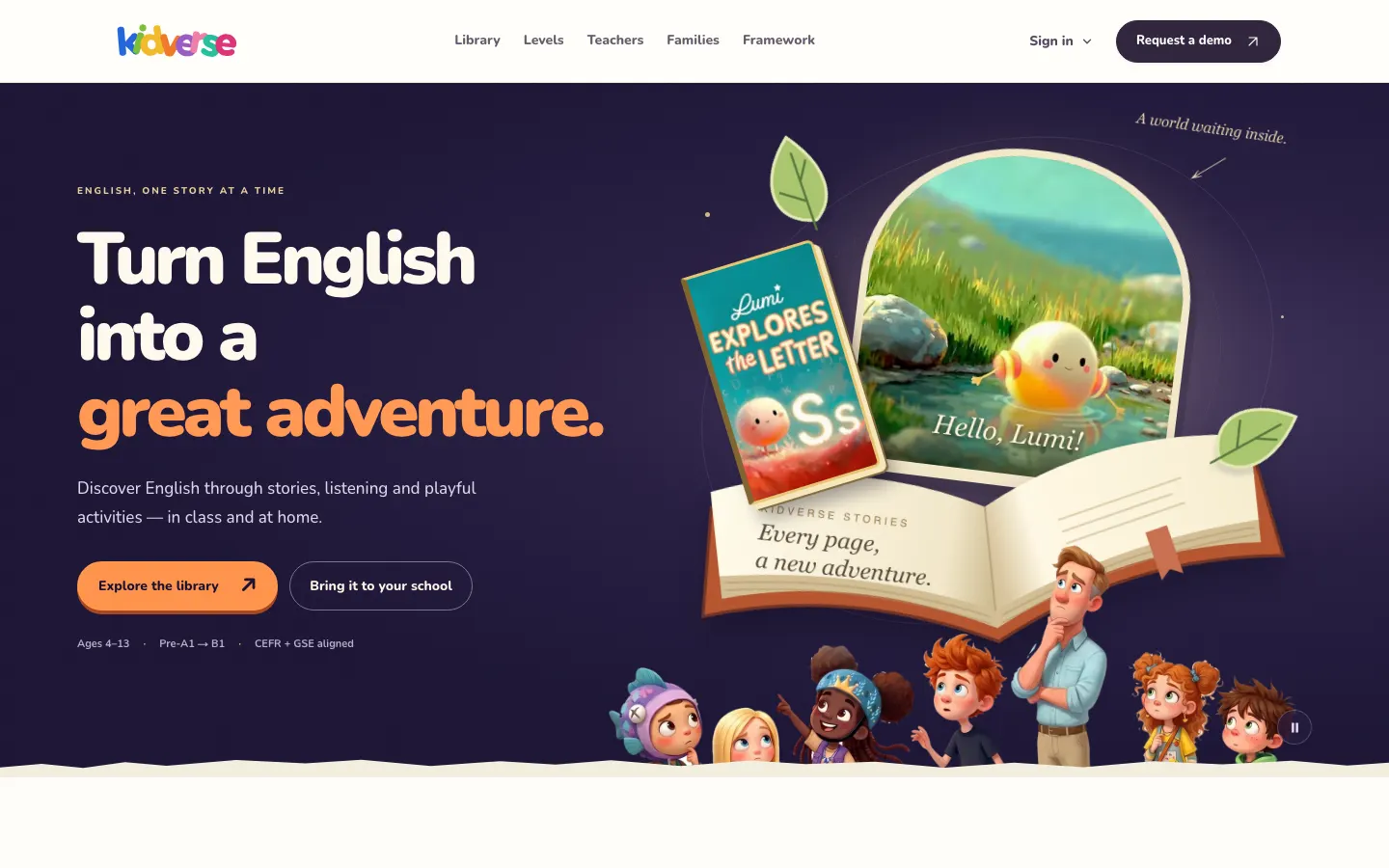
An interactive English learning platform for ages 4–13 that uses stories, listening, and playful activities for class and home, with CEFR and GSE-aligned pathways. It is listed under Literacy and Language for ages 4–13.
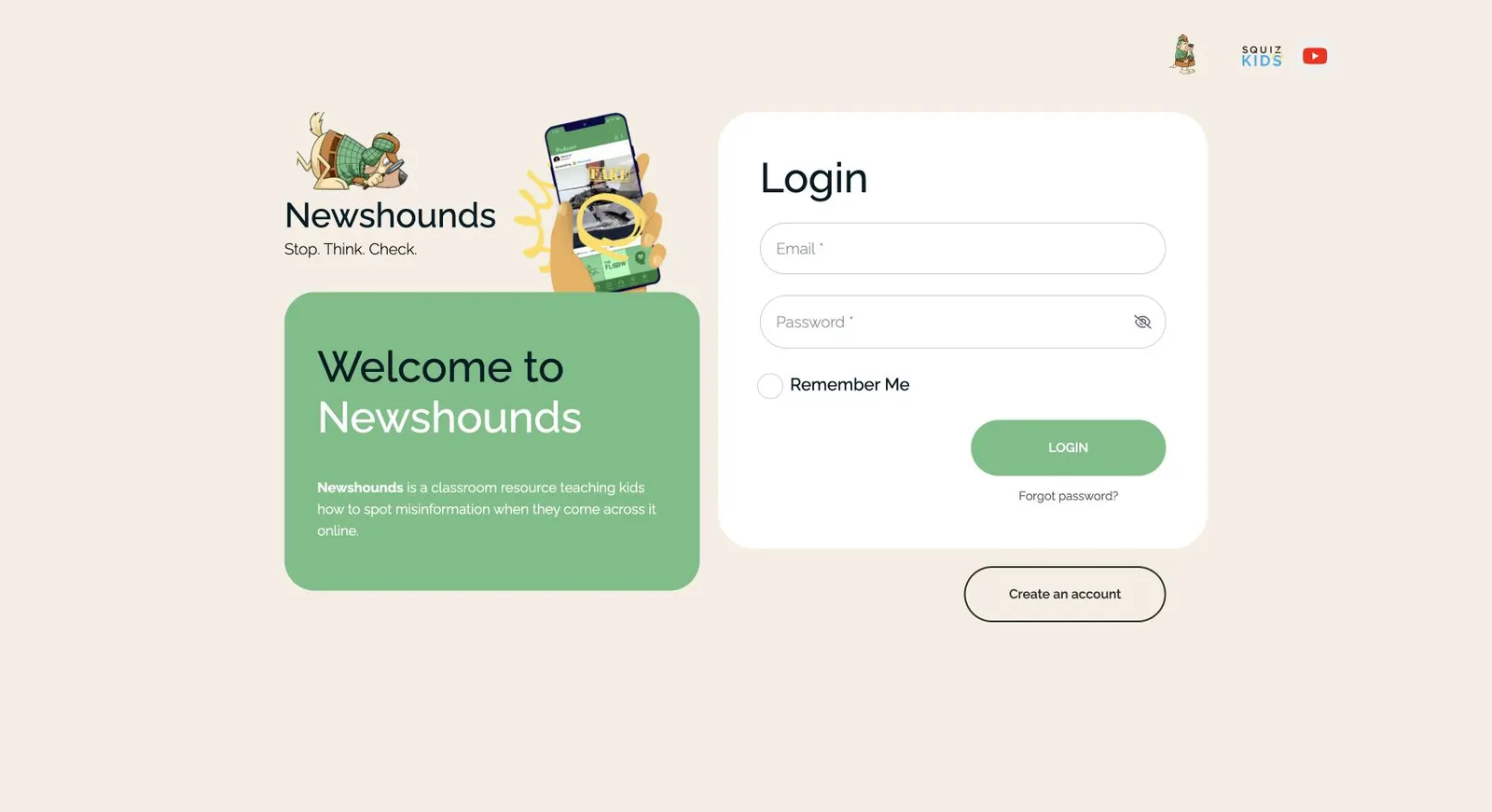
Newshounds by Squiz Kids
A classroom media-literacy resource teaching children how to spot misinformation online using the “Stop. Think. Check.” approach. It is listed under Literacy, Media literacy, and Podcast for ages 8–12. Children and families can use it through a website.
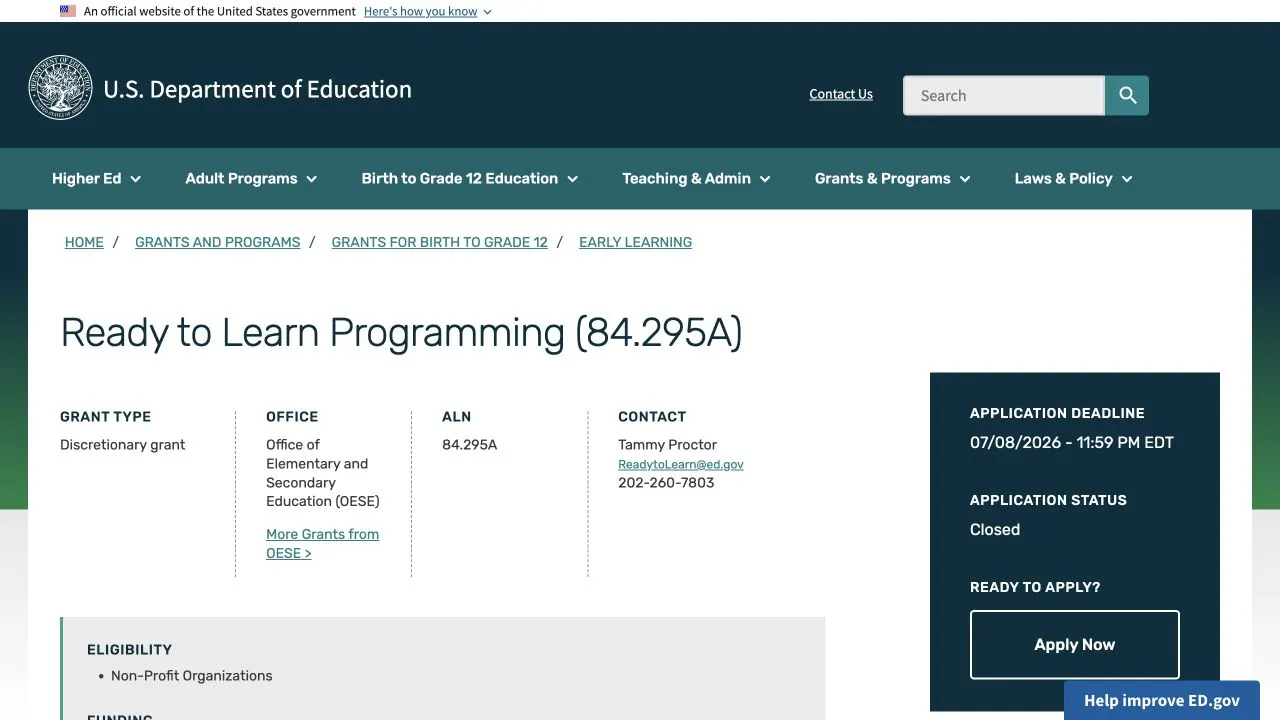
Ready to Learn Programming
The U.S. Department of Education Ready to Learn Programming grant supports public media educational programming and digital learning resources for young children and families. It is listed under Education and Early learning for ages Young children and families.
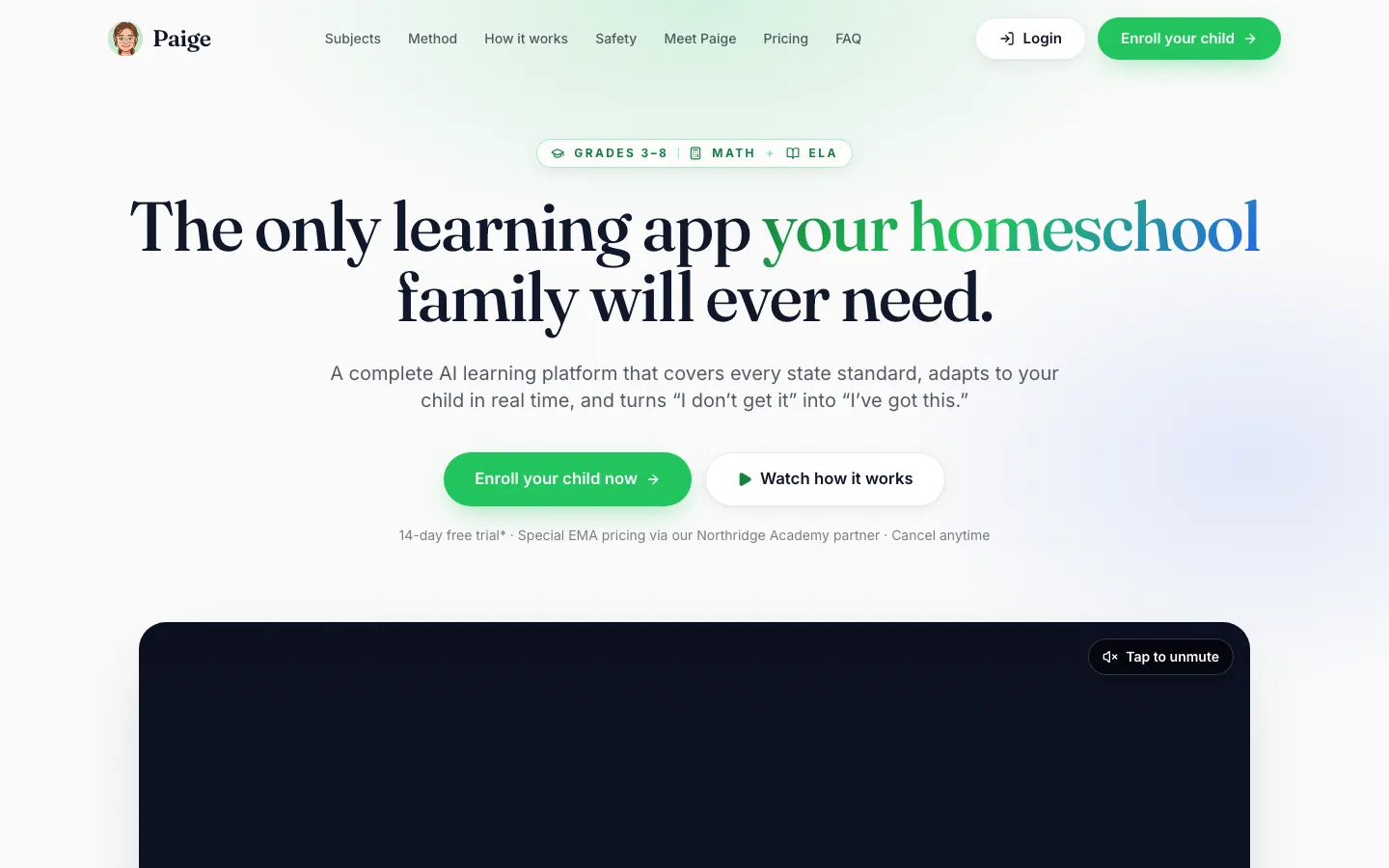
Paige
An adaptive homeschool learning platform for grades 3–8 covering math and ELA, with standards alignment, safety information, and a parent-facing learning experience. It is listed under Math and Literacy for ages Grades 3–8. Children and families can use it through a website.
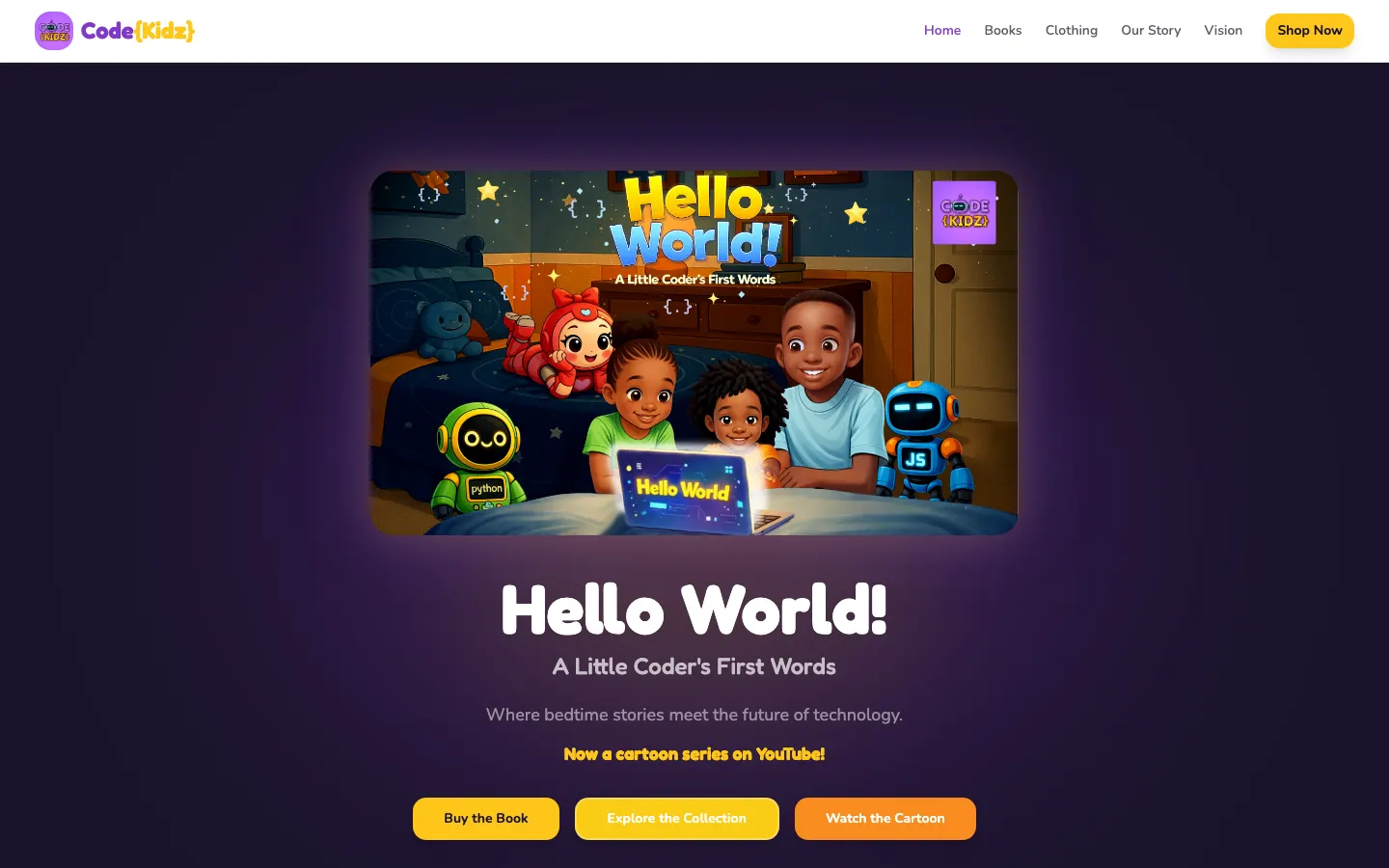
Code{Kidz}
A child-focused coding and digital-literacy platform that introduces coding, AI, and cybersecurity through stories, books, and an official cartoon series. It is listed under Coding and Digital literacy for ages Children; exact age range not stated.
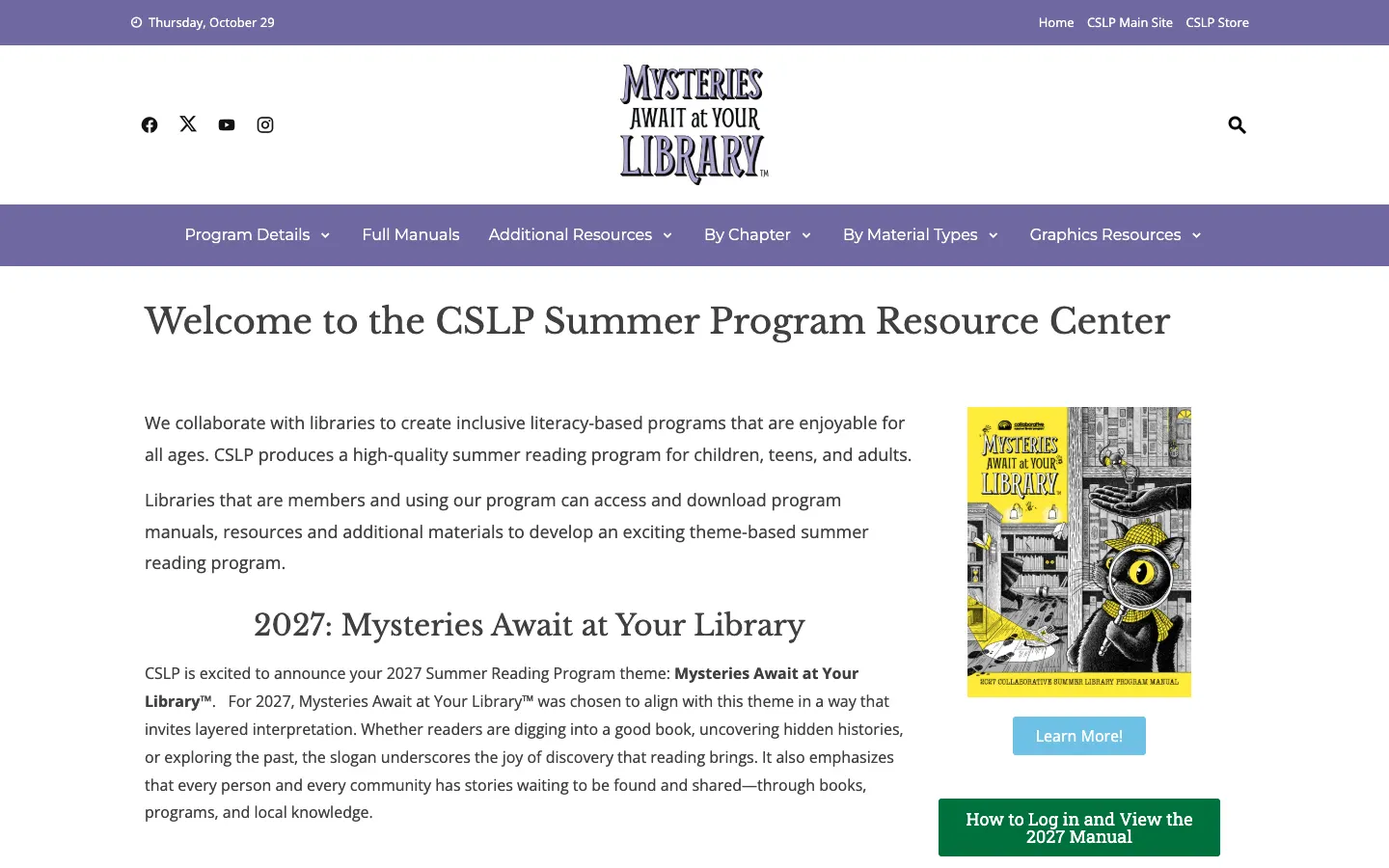
CSLP 2027 Mysteries Await at Your Library
The Collaborative Summer Library Program’s official 2027 resource center supports member libraries running inclusive, literacy-based summer programs for children, teens and adults under the theme Mysteries Await at Your Library.
Early Read Activity Toolkit
The National Library Board Singapore Early Read Activity Toolkit provides playful shared-reading and early-literacy activities for young children and the adults who read with them. It is listed under Literacy and Early childhood for ages 0–6.
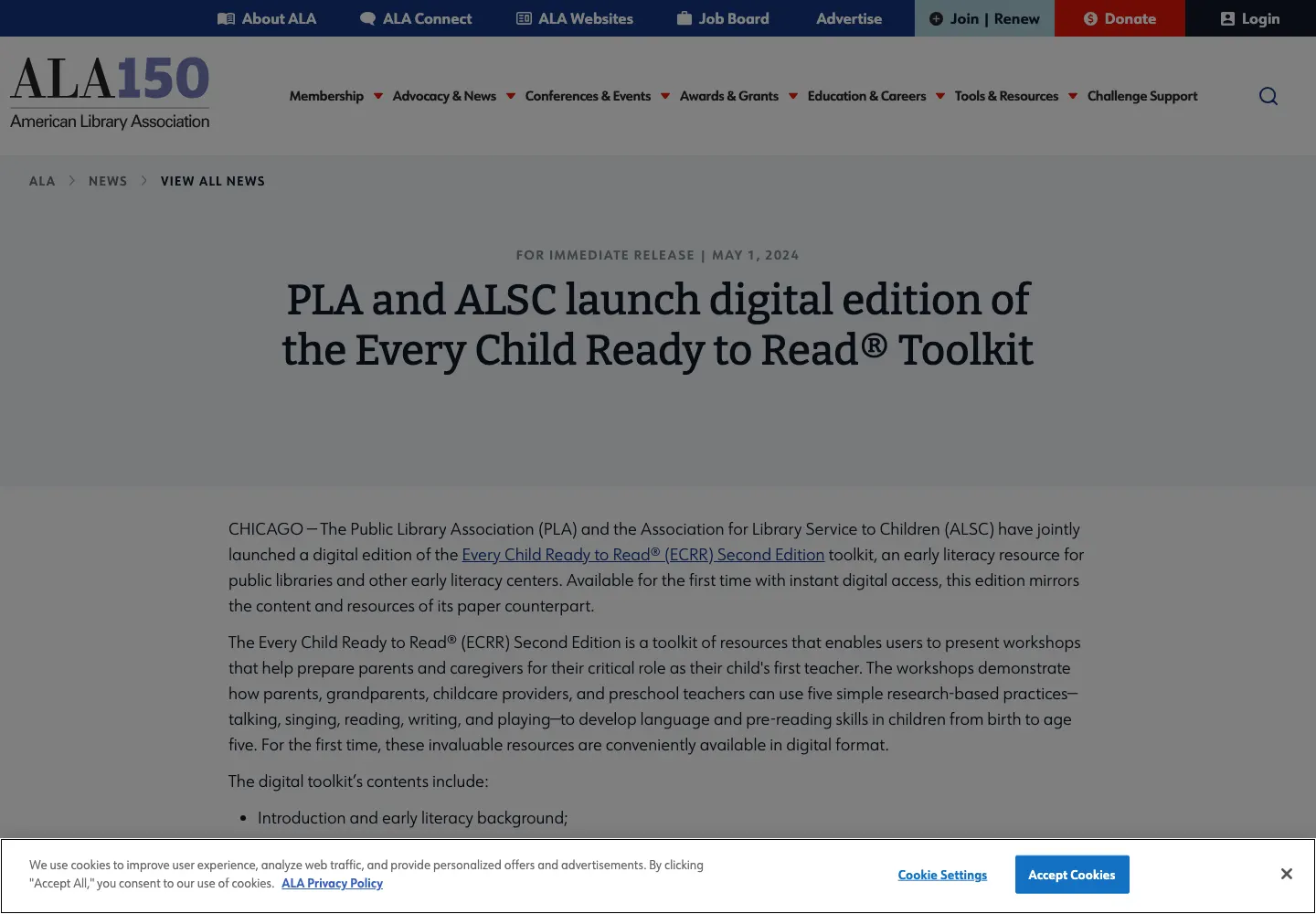
Every Child Ready to Read Digital Toolkit
The American Library Association announcement introduces the PLA and ALSC digital Every Child Ready to Read toolkit, a family and library resource for supporting young children’s early literacy through everyday practices.
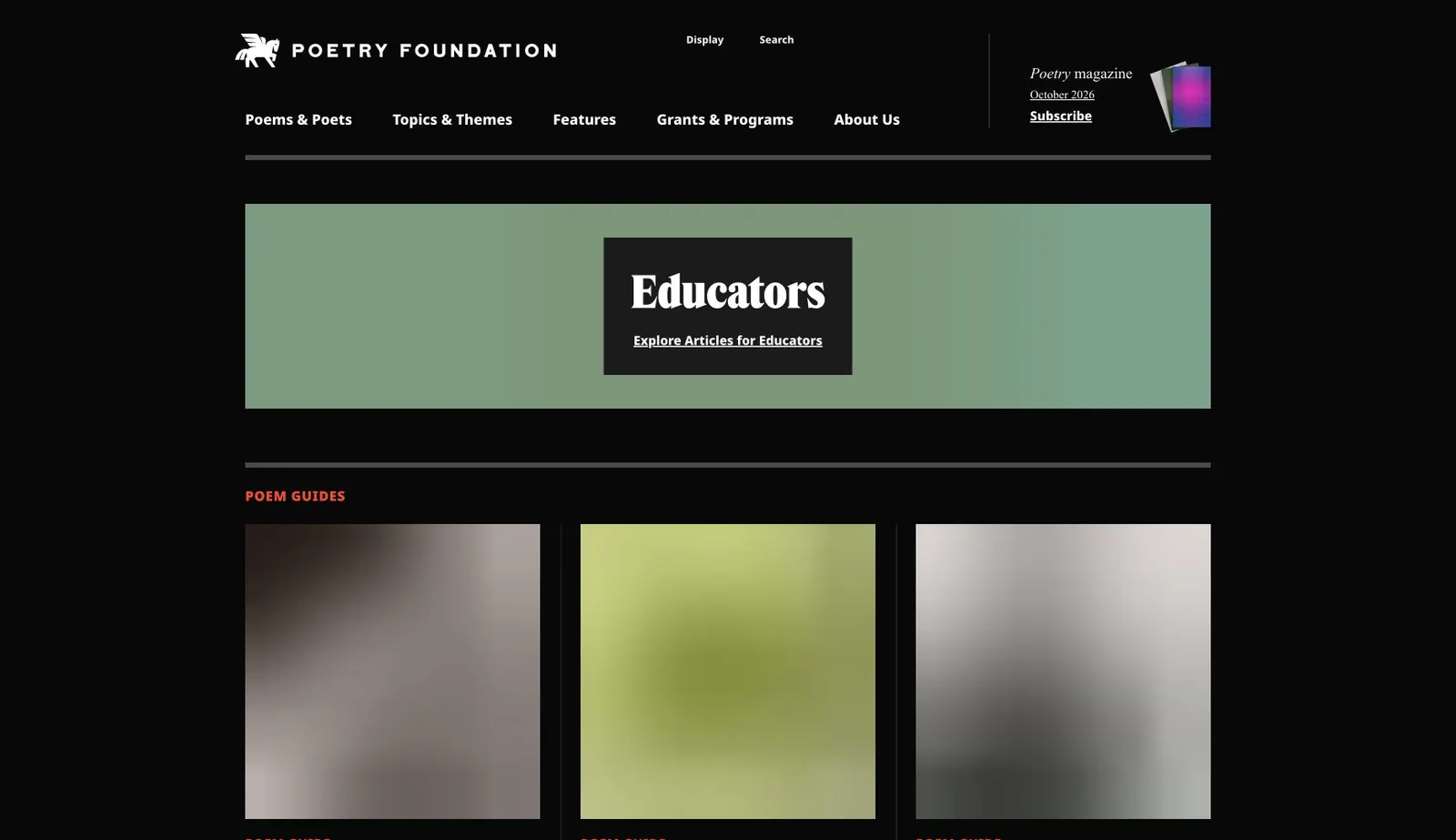
Poetry Foundation Educators
The Poetry Foundation’s educator hub offers poem guides, teaching articles, student-facing poetry materials, videos, and classroom ideas. It is listed under Literacy and Arts for ages Elementary through high school; resource-specific. Children and families can use it through a website.
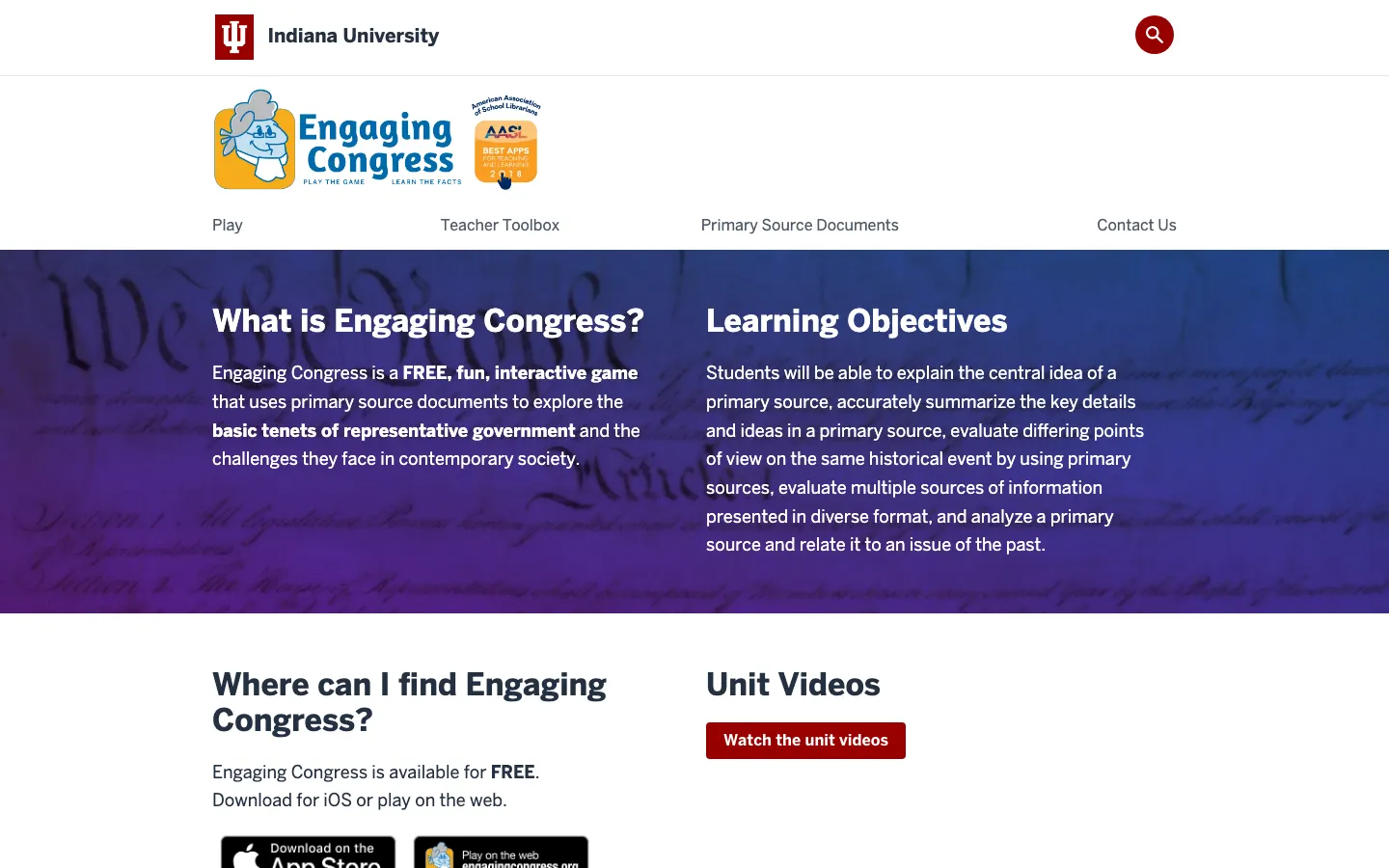
Engaging Congress
A free interactive civics game from Indiana University that uses primary-source documents to explore representative government, historical evidence, and the challenges of civic decision-making. It is listed under Social studies and Literacy for ages School-age; classroom use varies.
Compare with context
Use this collection to find a direction, then open each resource page before sharing it with a child. The individual review shows languages, access formats, tags, age guidance, source links, and notes for grown-ups.
Search the full directory →