Life skills websites
for kids
Explore 20 trusted life skills websites selected for curious kids, with clear ages, access details, and parent context.
Two useful ways to narrow the directory
This page brings together life skills resources that also match websites. Each listing keeps its own age range, platform details, languages, links, and parent notes, so you can compare options without losing context.
Explore all life skills resources →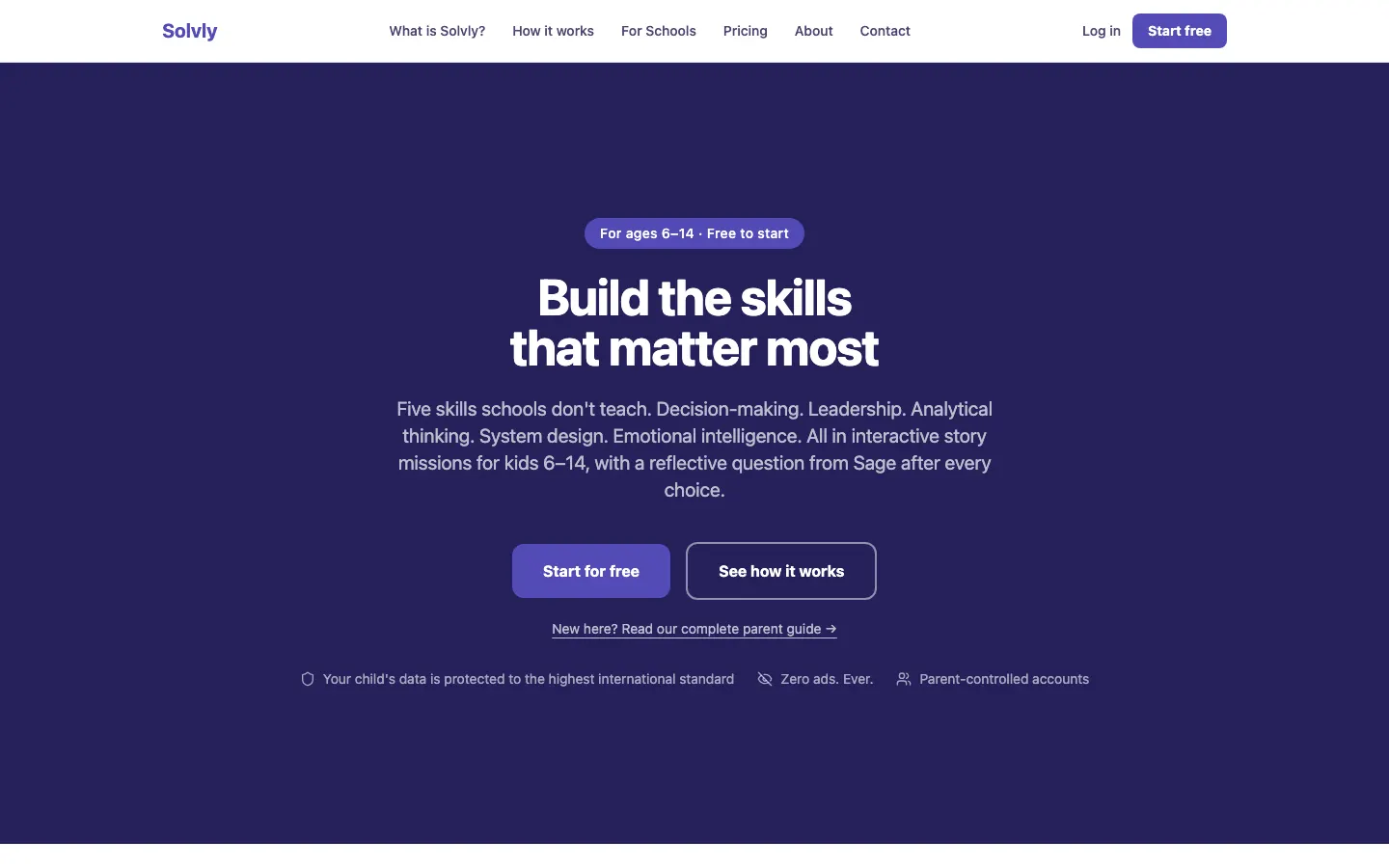
Solvly
An interactive story-mission app for ages 6–14 that develops decision-making, leadership, analytical thinking, system design, and emotional intelligence through reflective choices. It is listed under Life skills and Critical thinking for ages 6–14. Children and families can use it through a website.
Read the full resource review →More life skills picks
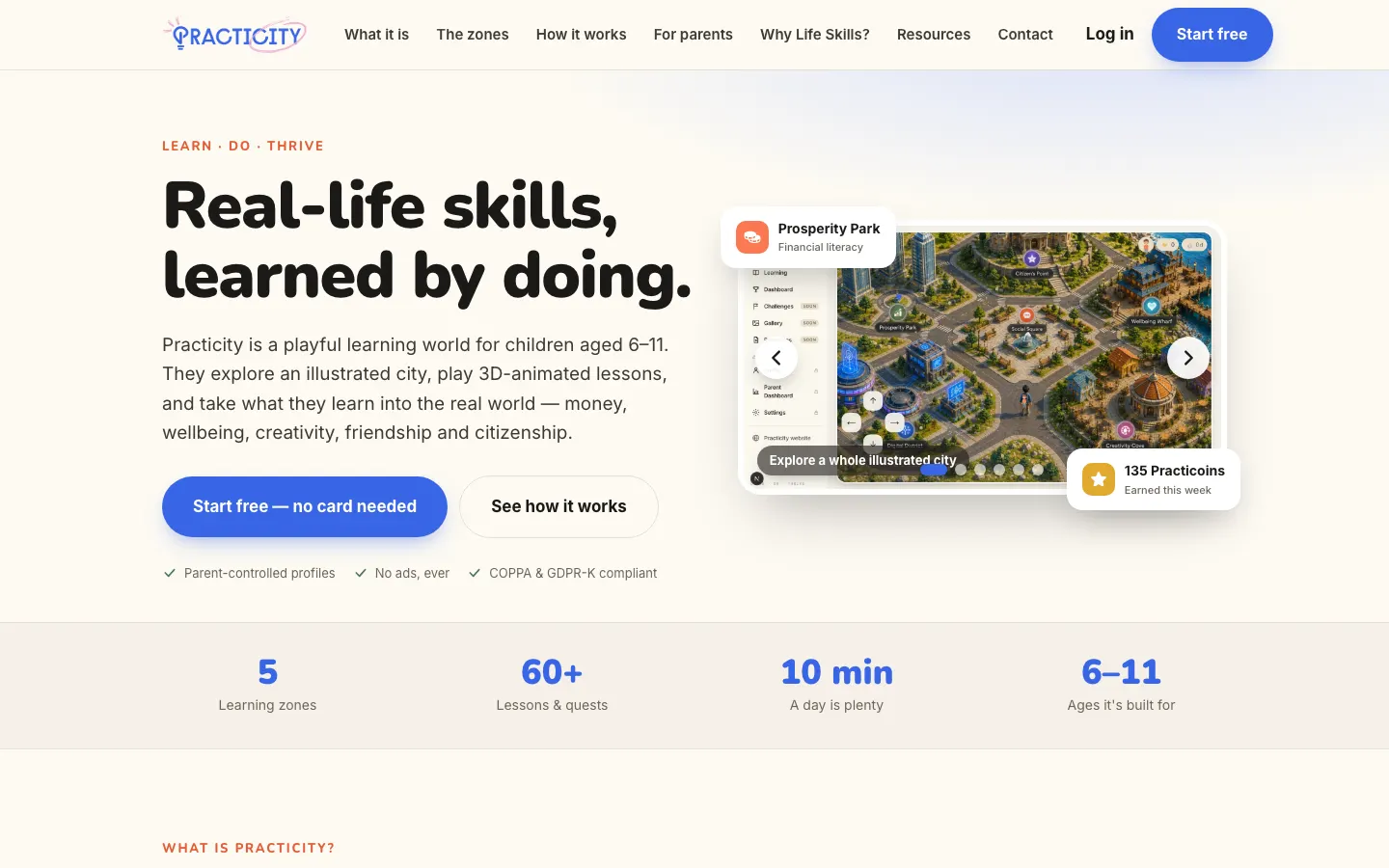
Practicity
A playful learning world for children ages 6–11 where real-life skills are practised through an illustrated city, animated lessons, and short quests about money, wellbeing, creativity, friendship, and citizenship. It is listed under Life skills and Financial literacy for ages 6–11.
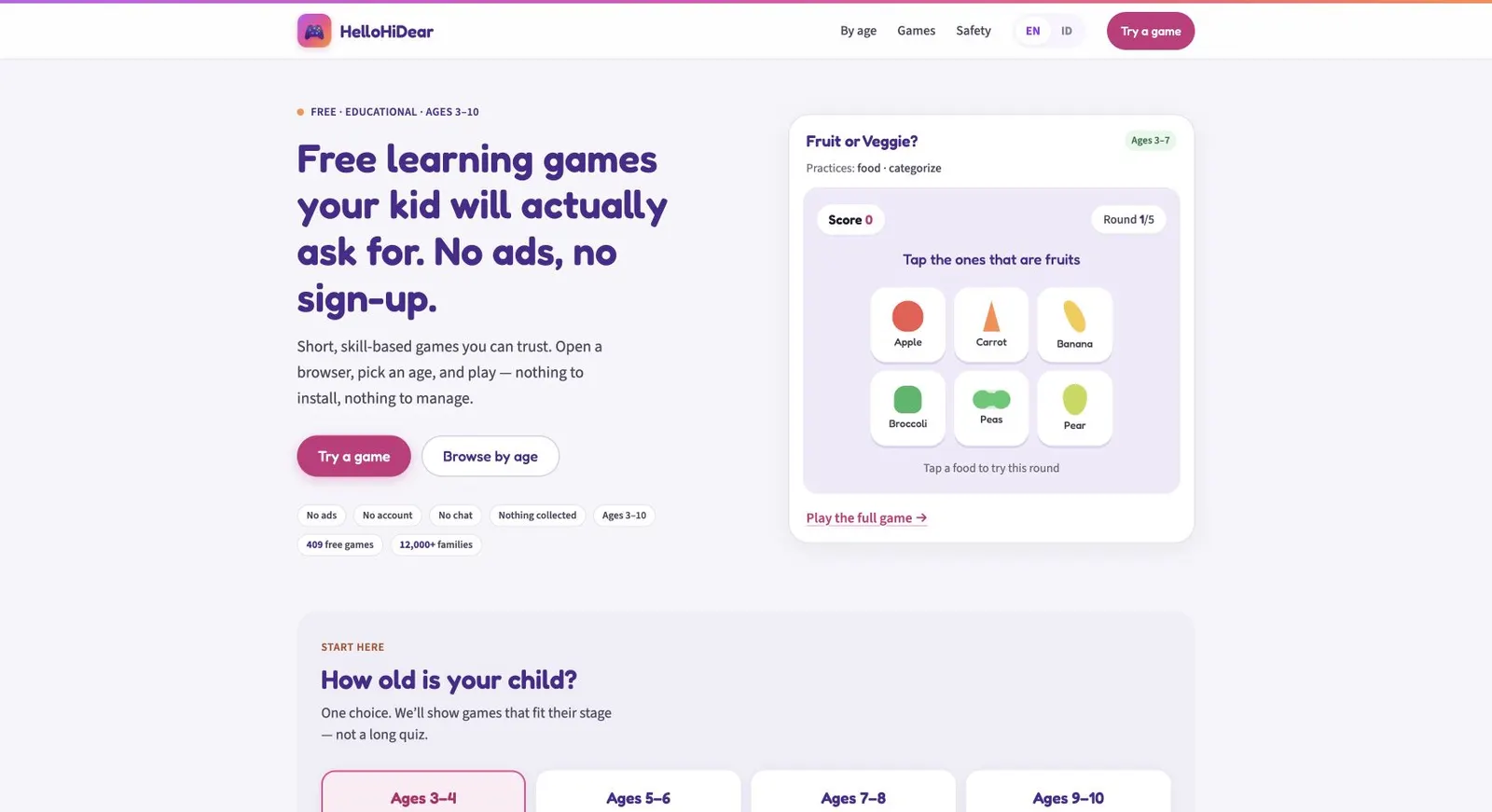
HelloHiDear
HelloHiDear is a free collection of short educational browser games for ages 3–10 covering early math, sorting, recycling, emotions, health, money, movement, and other life skills. It is listed under Games and Early learning for ages 3–10.
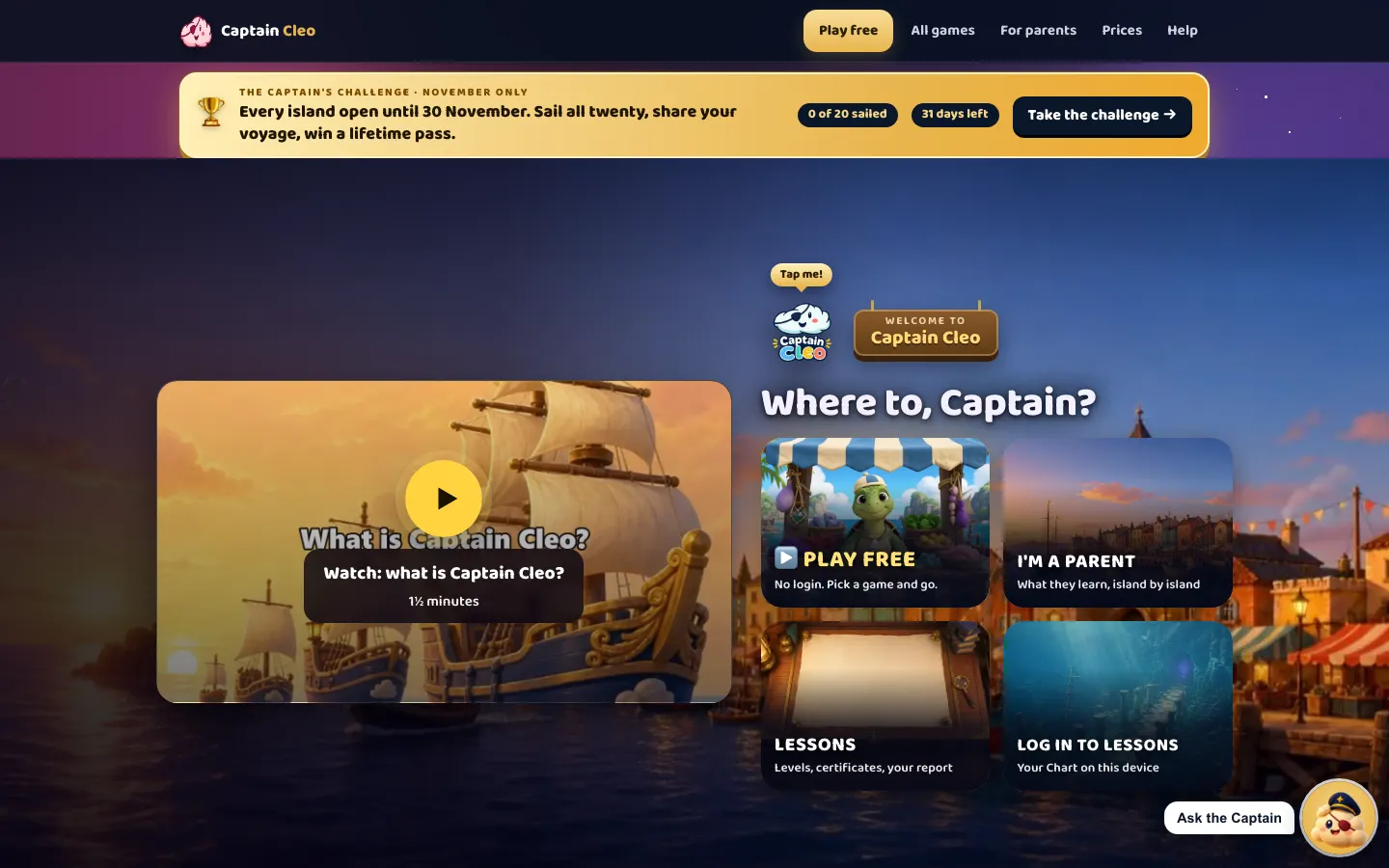
Captain Cleo
Captain Cleo teaches money skills and clear thinking through games and island adventures for children ages 7–15, including budgeting, saving, scams, evidence, and bias. It is listed under Life skills and Mathematics for ages 7–15.
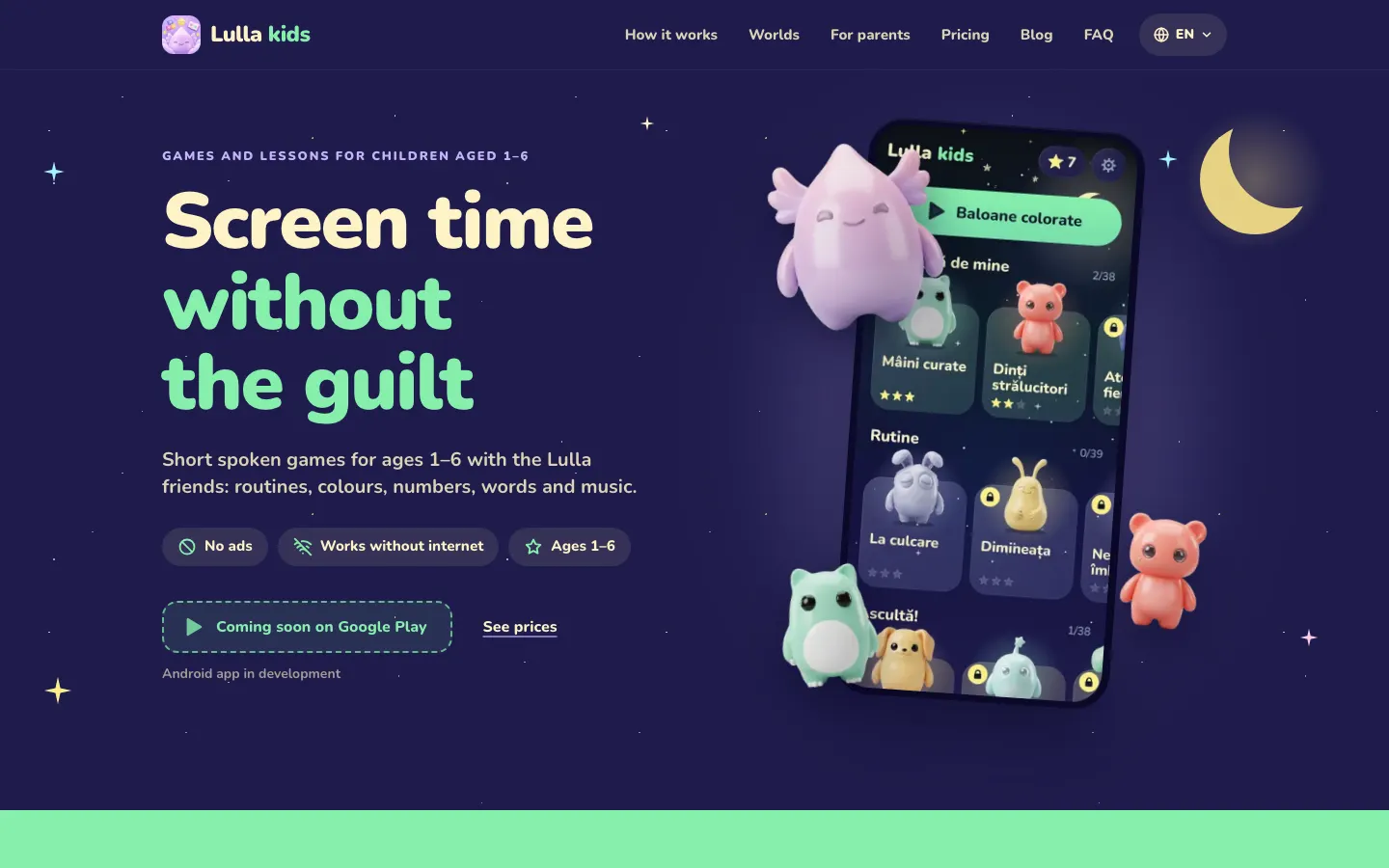
Lulla Kids
Lulla Kids is an early-learning app for ages 1–6 with age-matched games and lessons, offline use, four languages, and a grown-up daily screen-time limit. It is listed under Early learning and Games for ages 1–6.
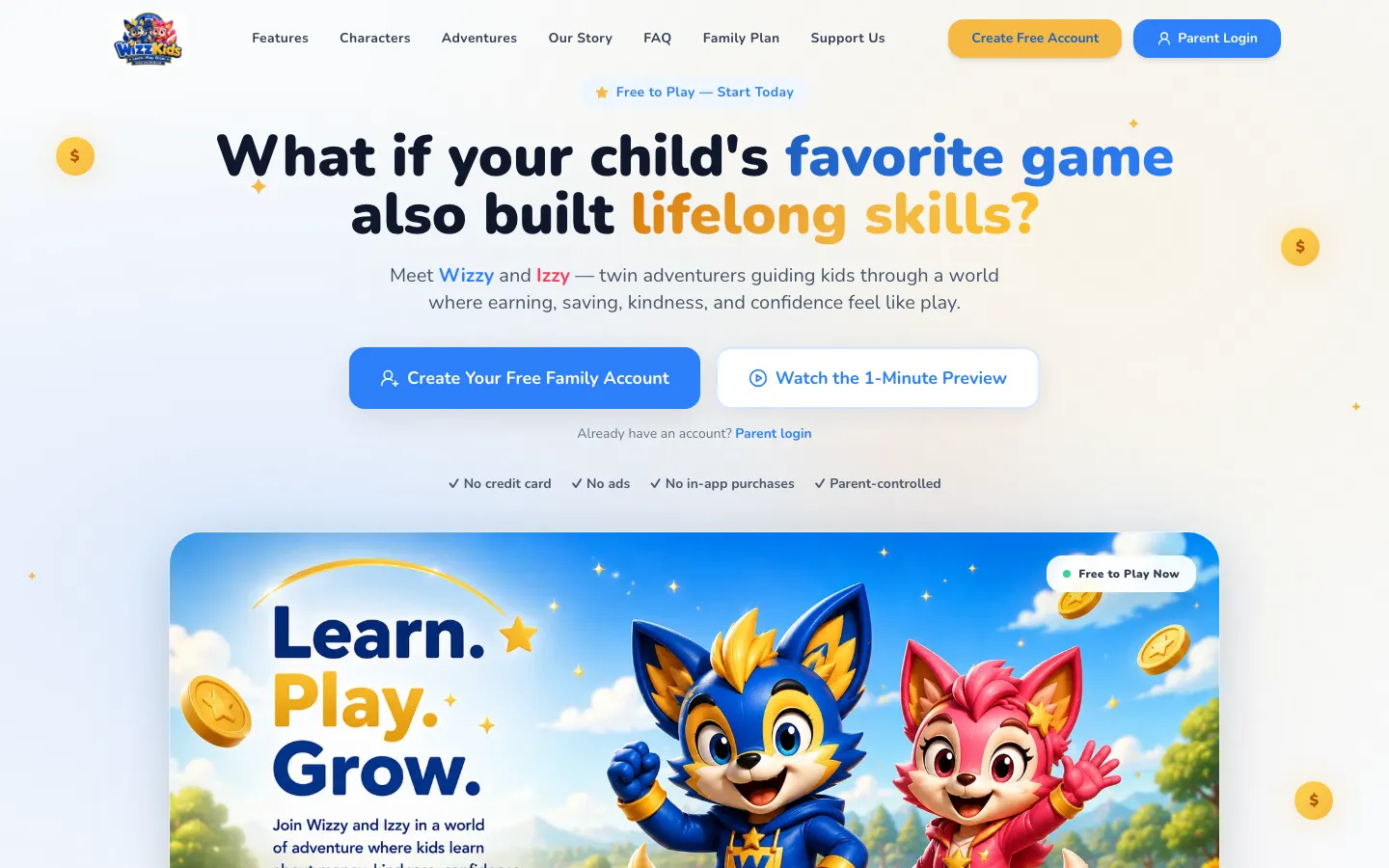
WizzKids
A parent-controlled learning game where children ages 6–12 explore earning, saving, kindness, and confidence through adventures with the WizzKids characters. It is listed under Life skills and Financial literacy for ages 6–12. Children and families can use it through a website.
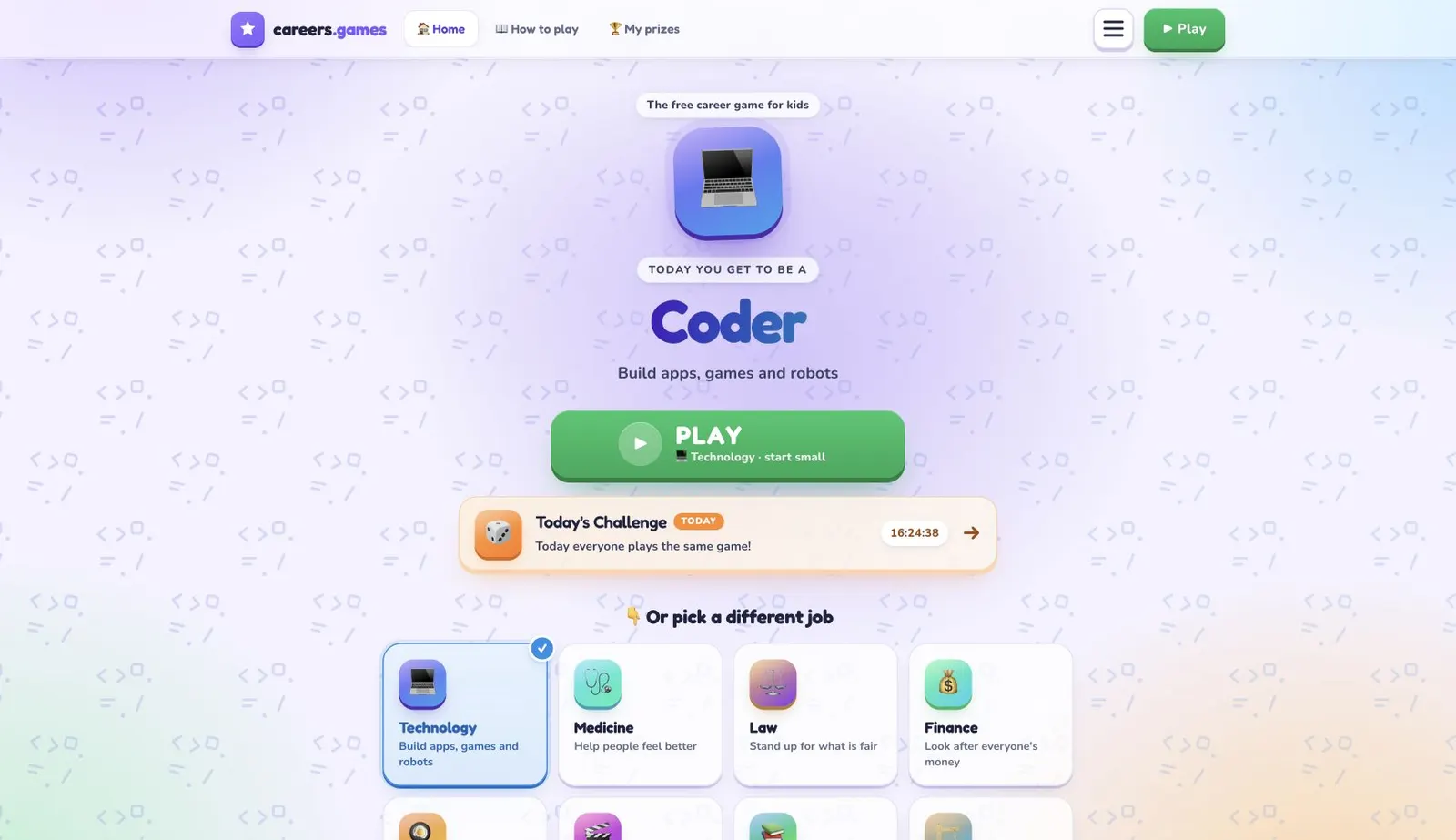
careers.games
careers.games is a free browser simulation where children try technology, medicine, law, finance, food, media, education, and construction careers through playful choices and challenges. It is listed under Games and Career exploration for ages 8–14.
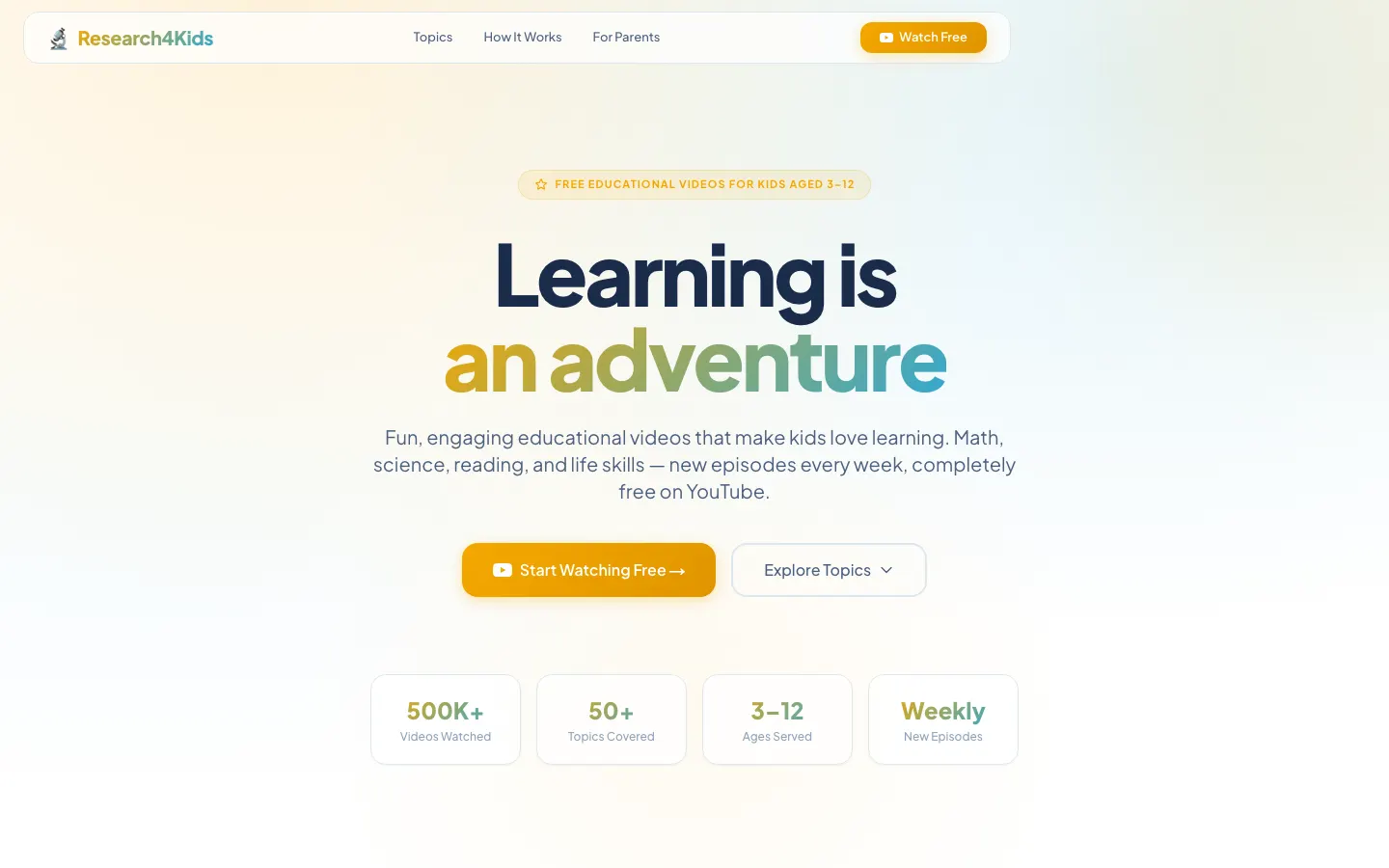
Research4Kids
Research4Kids is a free child-facing learning video platform covering math, science, reading, and life skills for children, with new episodes and no sign-up required. It is listed under Science and Mathematics for ages 3–12.
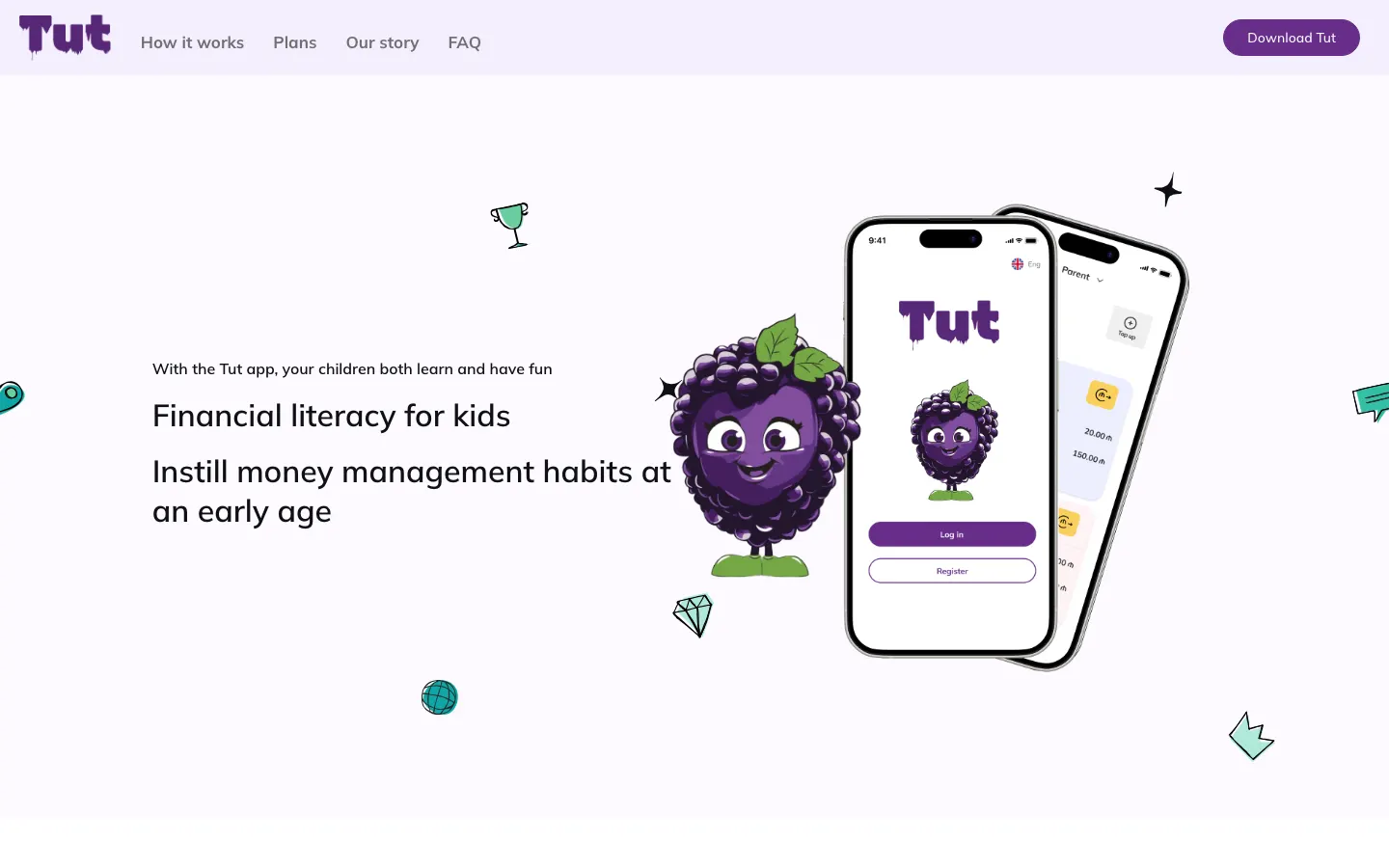
Tut
A parent-managed financial-literacy app that gives children interactive money lessons while adults monitor profiles, activity, and controls. It is listed under Math, Apps, and Life skills for ages 6–14. Children and families can use it through a website.
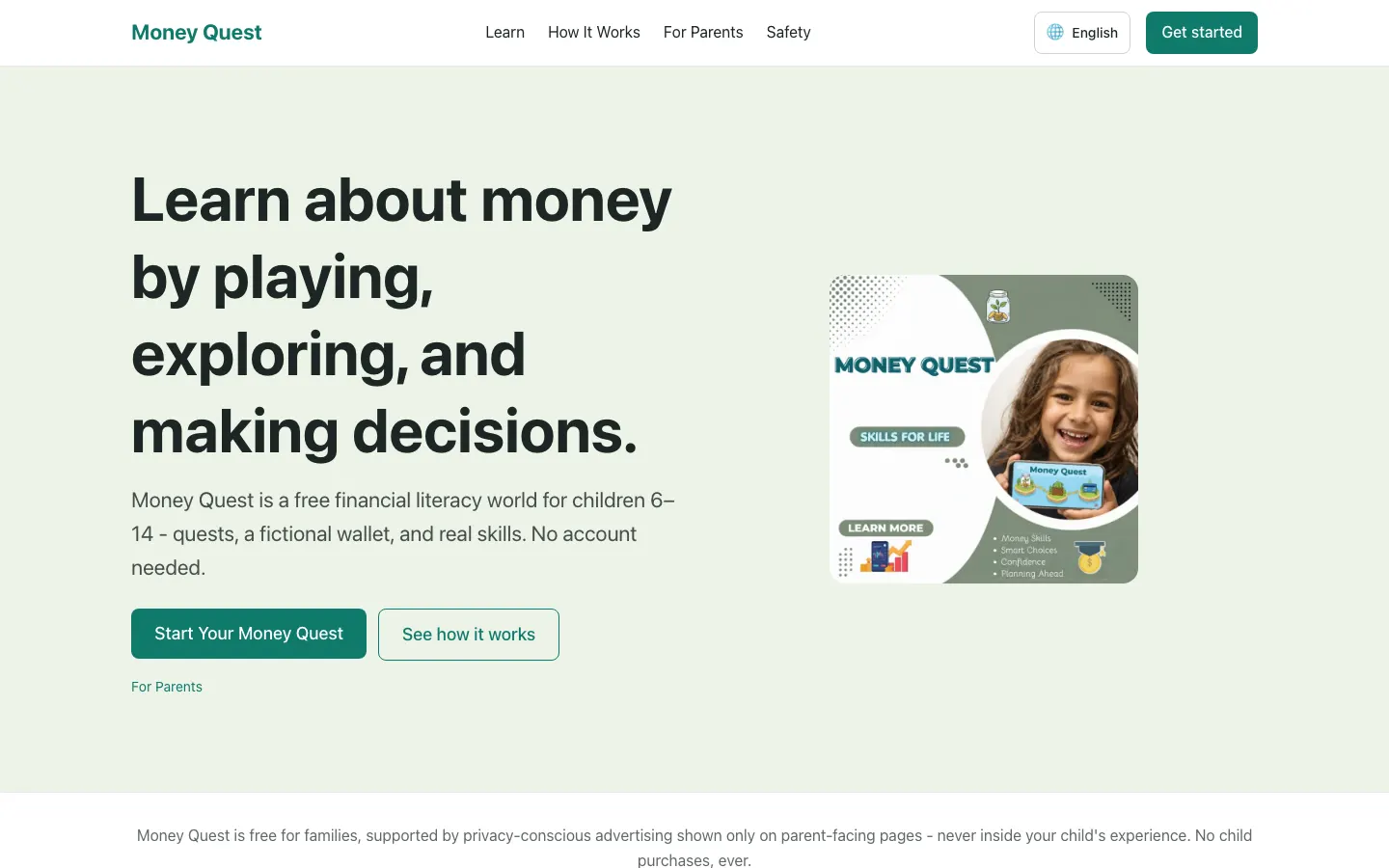
Money Quest
A financial-literacy game world where children learn about needs and wants, saving, and money decisions through quests, stories, and mini-games. It is listed under Math, Games, and Life skills for ages 6–14. Children and families can use it through a website.

MoneyMosaic
A free, offline-capable financial-literacy platform for ages 10–18 covering budgeting, credit, taxes, investing, and money decisions through lessons and mini-games. It is listed under Life skills and Math for ages 10–18. Children and families can use it through a website.
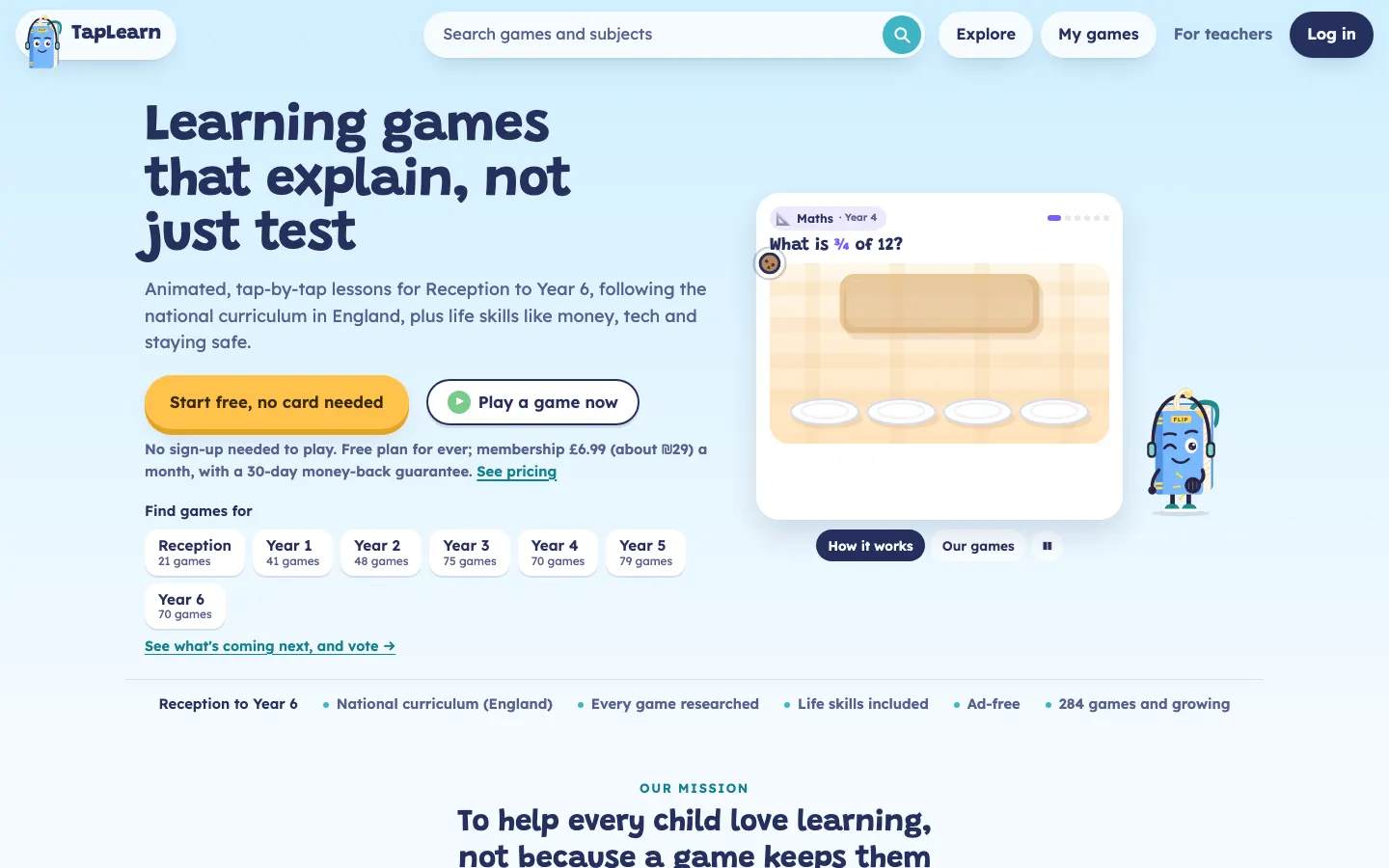
TapLearn
TapLearn provides animated, tap-by-tap learning games for Reception to Year 6 across maths, English, science, money, technology, and staying safe. It is listed under Government & education and Mathematics for ages Reception–Year 6. Children and families can use it through a website.
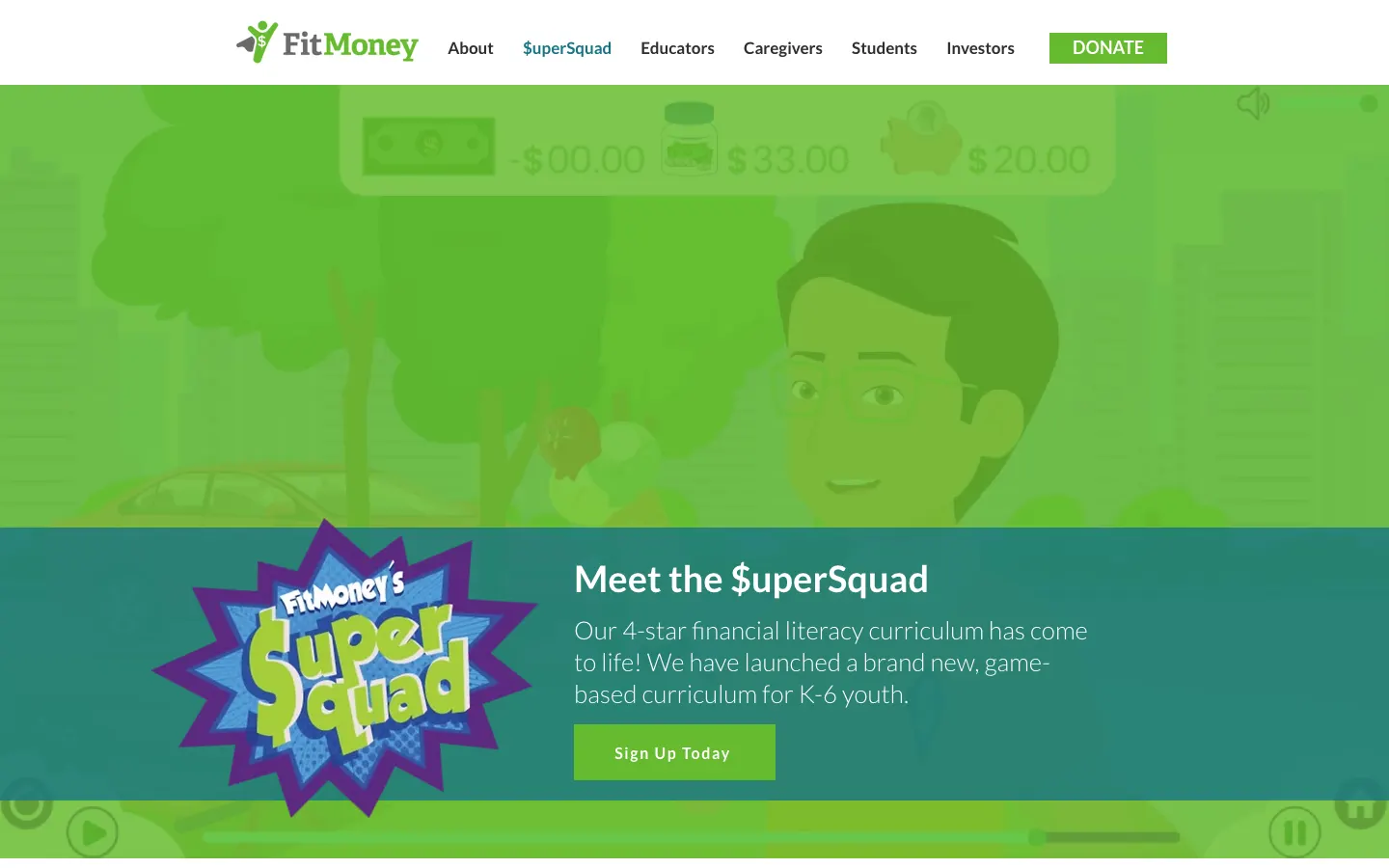
$uperSquad
A FitMoney financial-literacy game for ages 5–12 using videos, mini-games, and choice-based stories about everyday money decisions. It is listed under Life skills and Math for ages 5–12. Children and families can use it through a website.
Compare with context
Use this collection to find a direction, then open each resource page before sharing it with a child. The individual review shows languages, access formats, tags, age guidance, source links, and notes for grown-ups.
Search the full directory →