History & culture websites
for kids
Explore 20 trusted history & culture websites selected for curious kids, with clear ages, access details, and parent context.
Two useful ways to narrow the directory
This page brings together history & culture resources that also match websites. Each listing keeps its own age range, platform details, languages, links, and parent notes, so you can compare options without losing context.
Explore all history & culture resources →
World Book Kids
Child-friendly encyclopedia articles, media, activities, and research tools, often accessed through libraries. It is listed under Reading, Science, and History & culture for ages 6–12. Children and families can use it through a website.
Read the full resource review →More history & culture picks
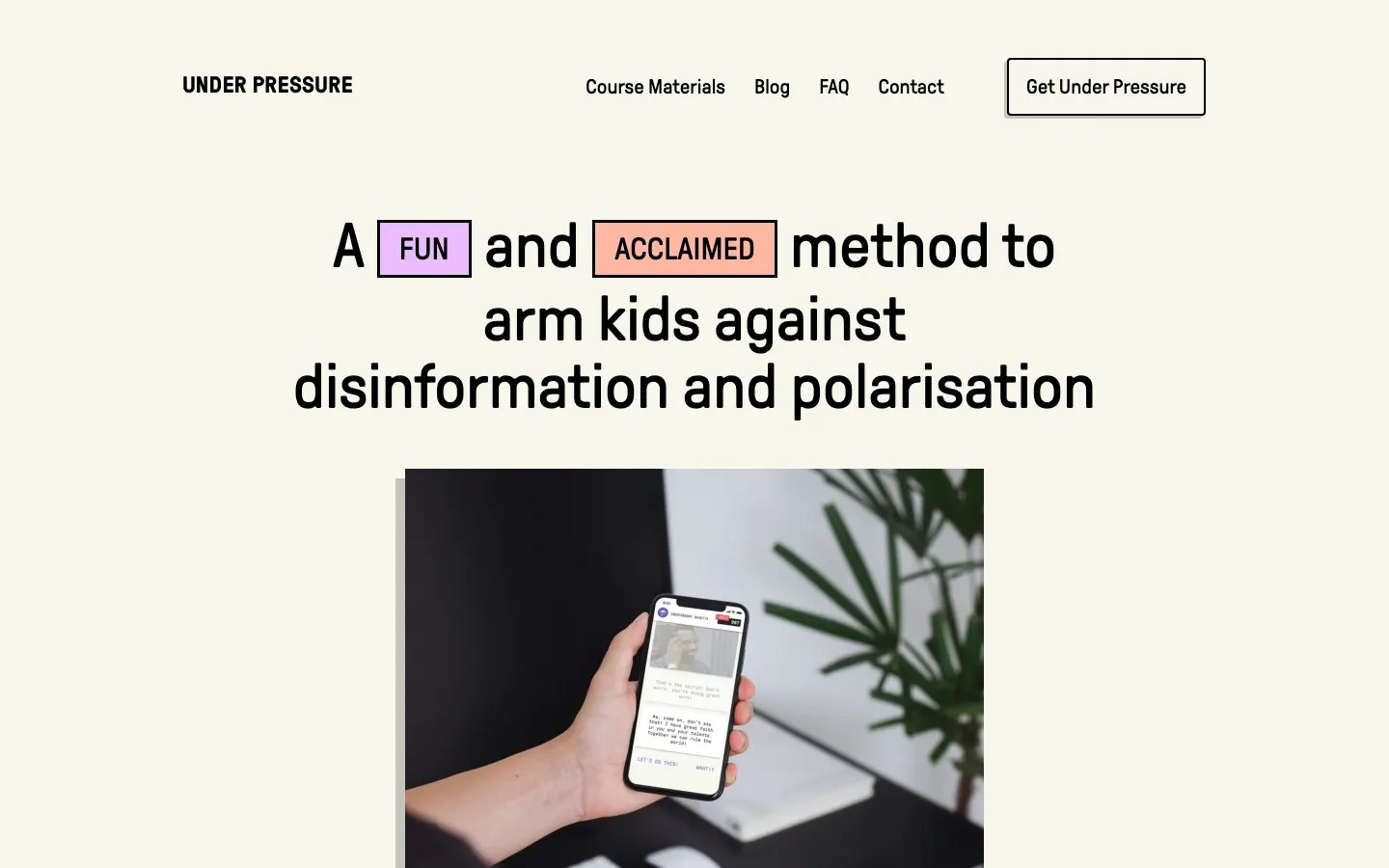
Under Pressure
A serious game and peer-education method that helps young people recognize disinformation, online manipulation, and polarisation through guided classroom discussion. It is listed under Social-emotional and Parent & educator for ages 13–18. Children and families can use it through a website.
The Week Junior
The Week Junior presents current-events and general-interest journalism for children and families ages 8–14. It can support shared reading and discussion about the world, science, culture, and public life, while requiring an adult to provide context for difficult or changing stories. The directory lists it as paid English content; adults should check the current subscription terms.
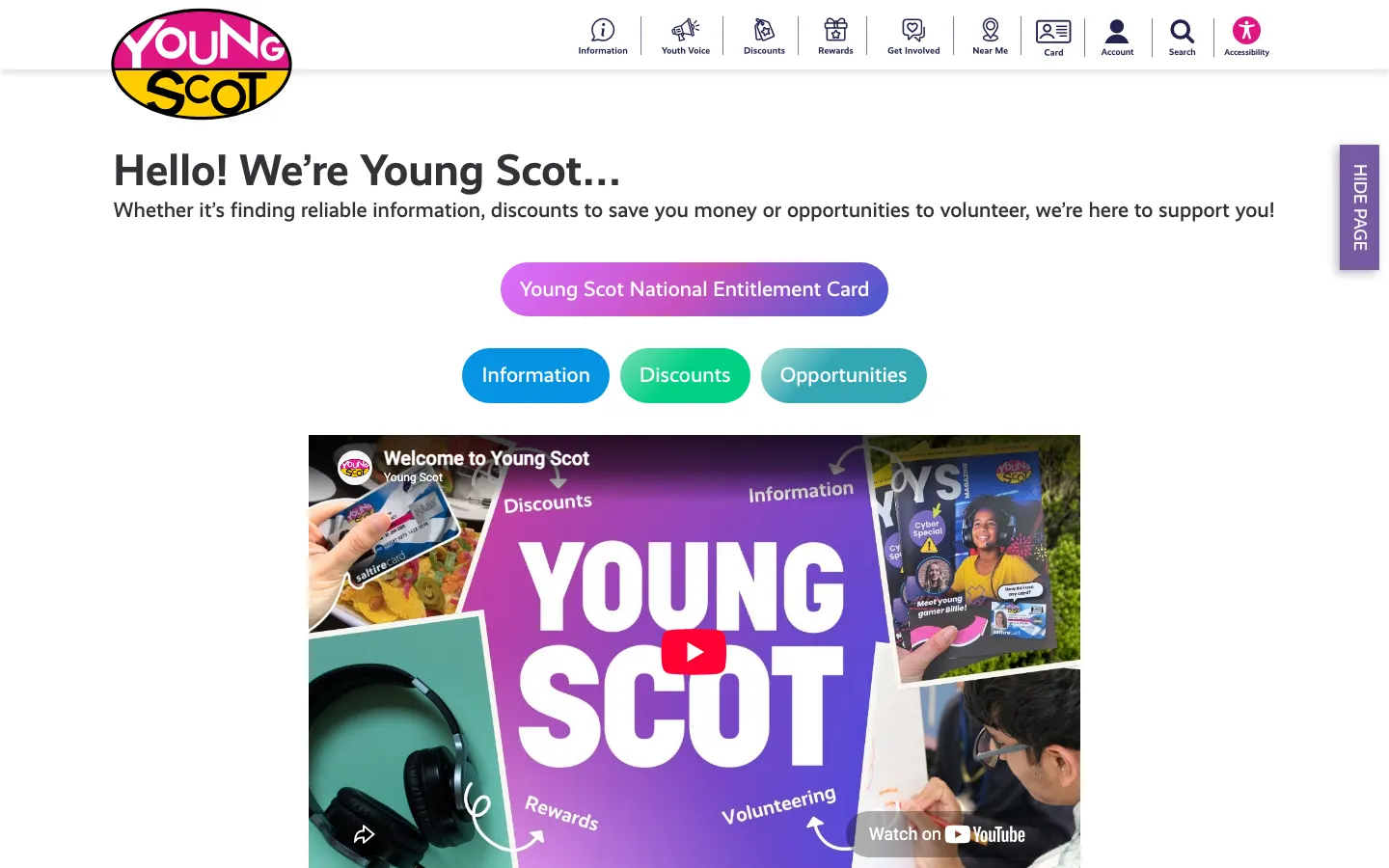
Young Scot
Young Scot is Scotland’s youth information and participation portal, with guidance, opportunities, discounts, volunteering, and practical information for young people. It is listed under Social-emotional and History & culture for ages 11–18. Children and families can use it through a website.
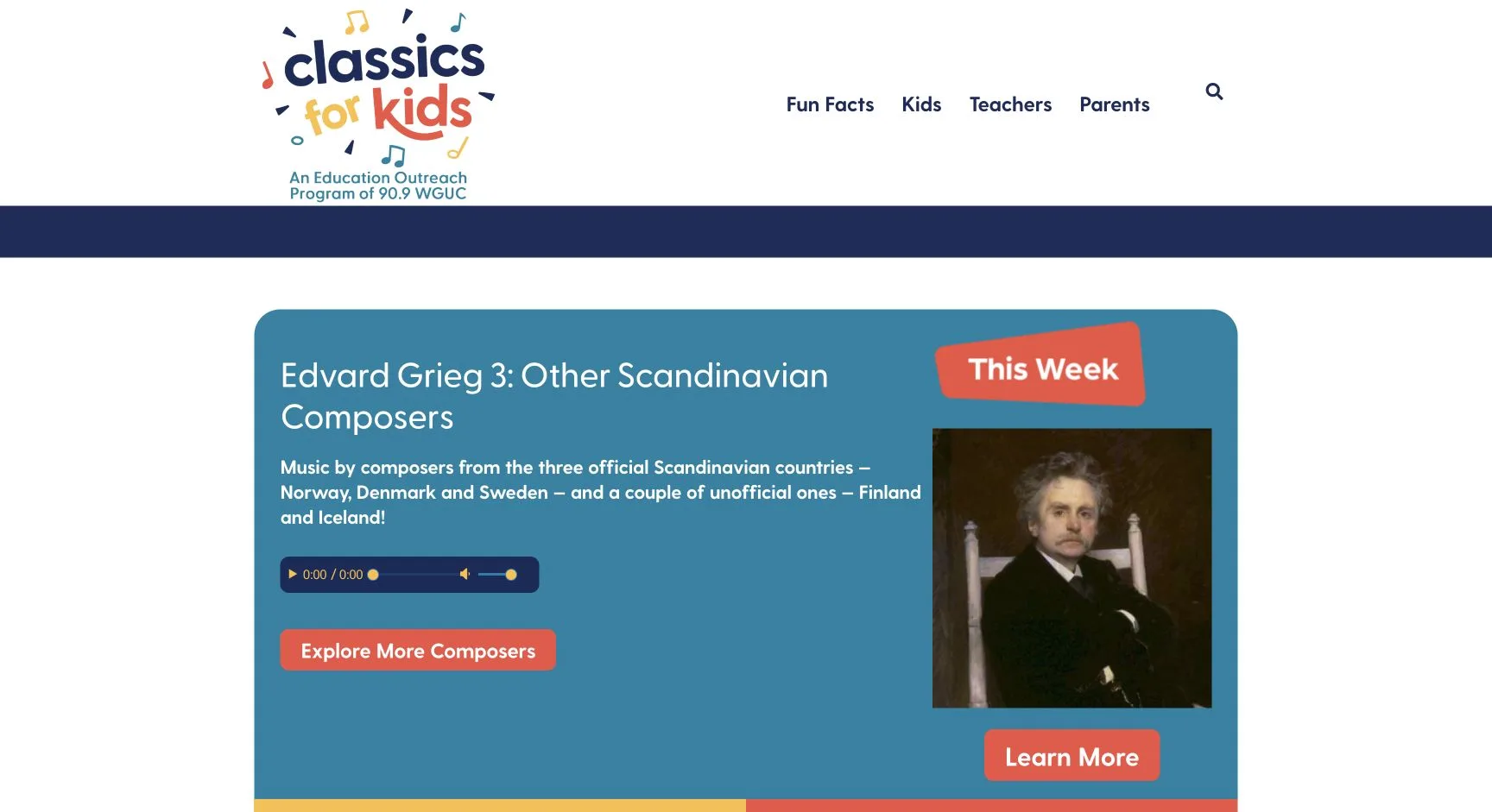
Classics for Kids
Composer stories, listening guides, music games, and classroom activities that introduce children to classical music. It is listed under Music, History & culture, and Parent & educator for ages 6-14. Children and families can use it through a website.
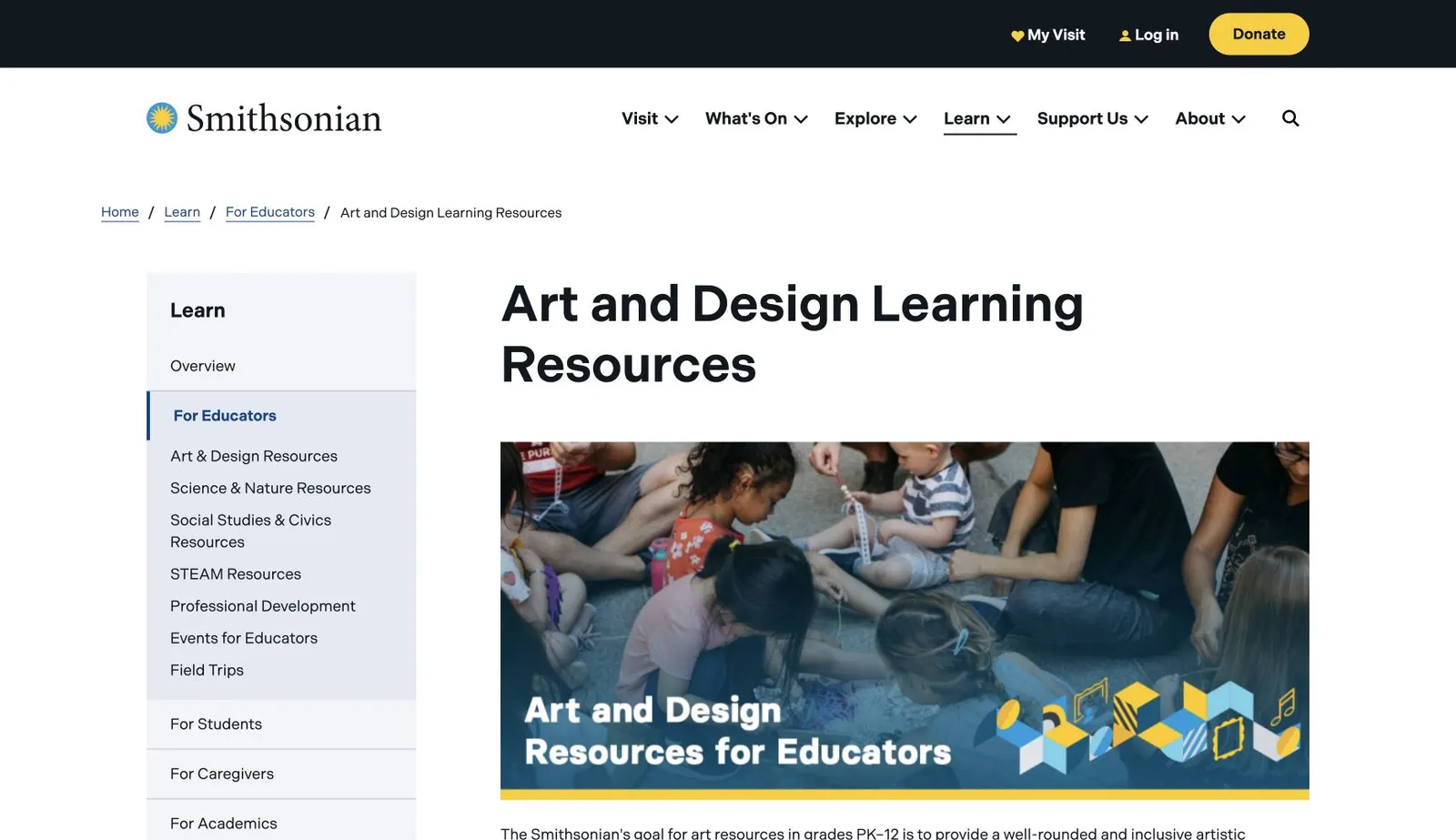
Smithsonian Art and Design Learning Resources
The Smithsonian art-and-design learning hub connects students, families, and educators with art, design, collections, and creative-learning resources. It is listed under Art & creativity and History & culture for ages 5–18; resource-specific. Children and families can use it through a website.
Museums for Digital Learning
A shared digital platform where museums contribute free K–12 educational resource kits, interactive narratives, timelines, slide shows, and games linked to museum collections. It is listed under History & culture and Science for ages 5–18.
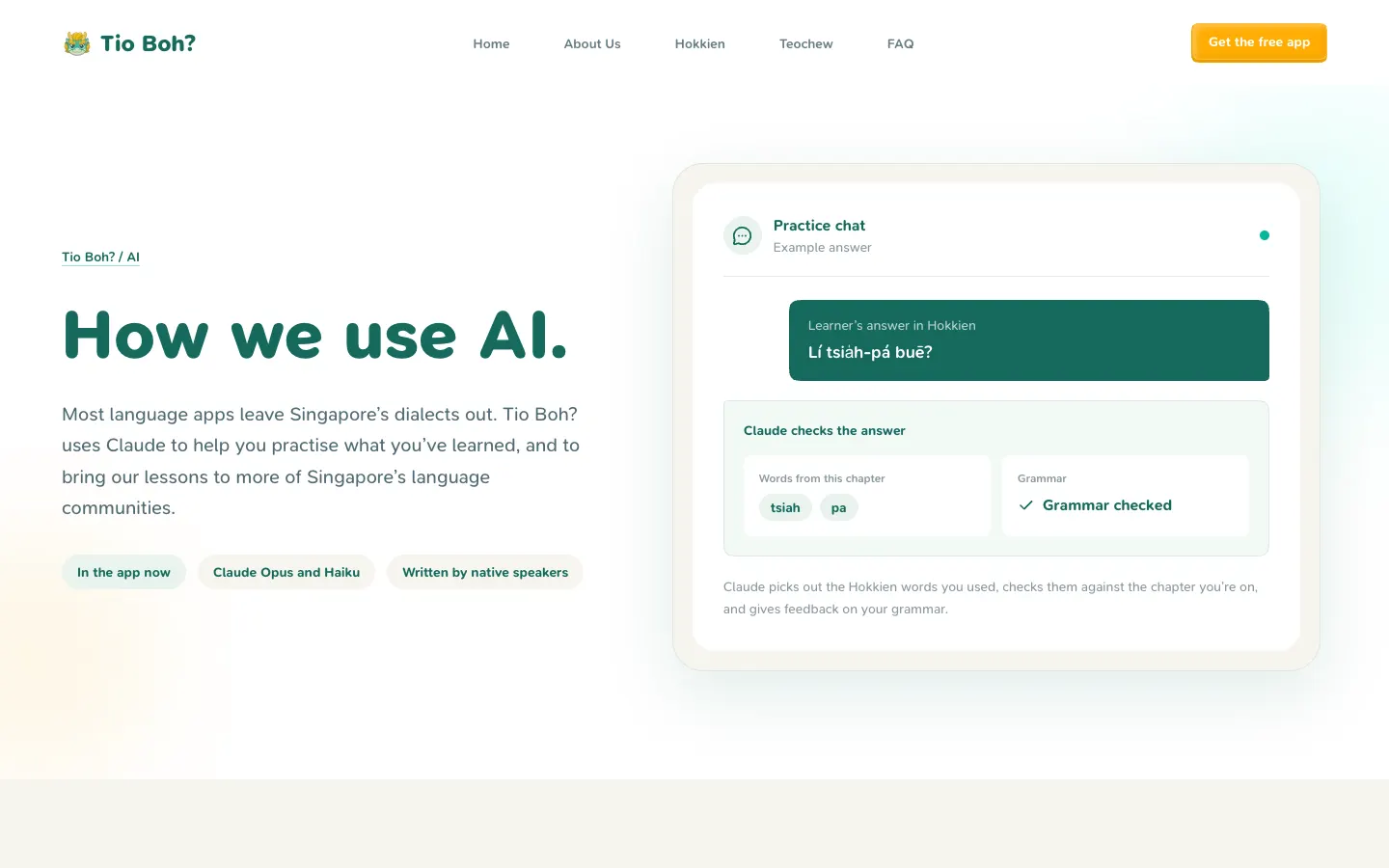
Tio Boh?
Tio Boh? is a free language-learning app for Singaporean Hokkien and Teochew, with lessons written and checked by native speakers and practice across both dialects. It is listed under Language and History & culture for ages Children, teens, and families; level varies.
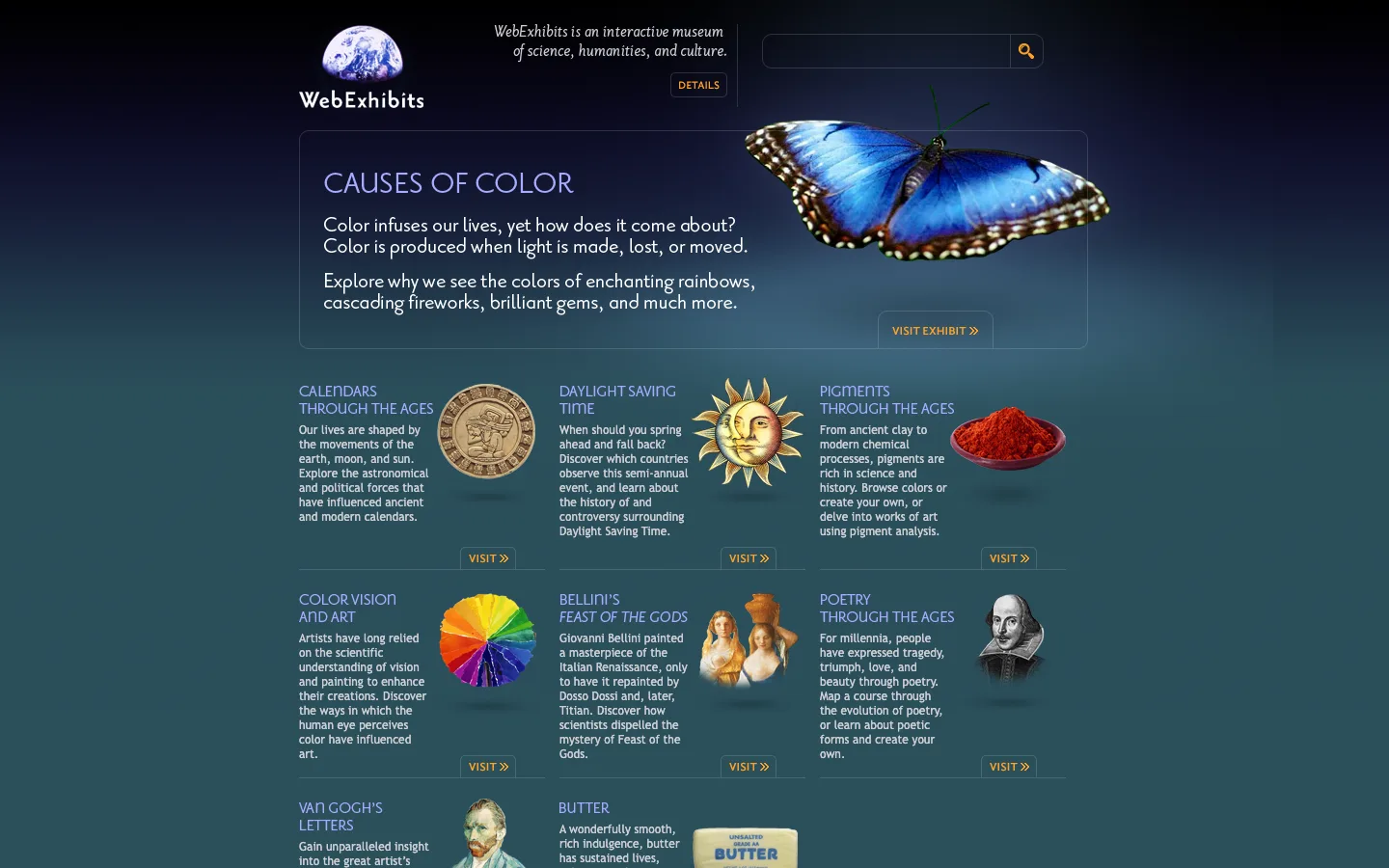
WebExhibits
An independent virtual museum of science, humanities, and culture with interactive exhibits about color, calendars, daylight, art, and other topics. It is listed under Science and History & culture for ages 8+ with adult guidance.
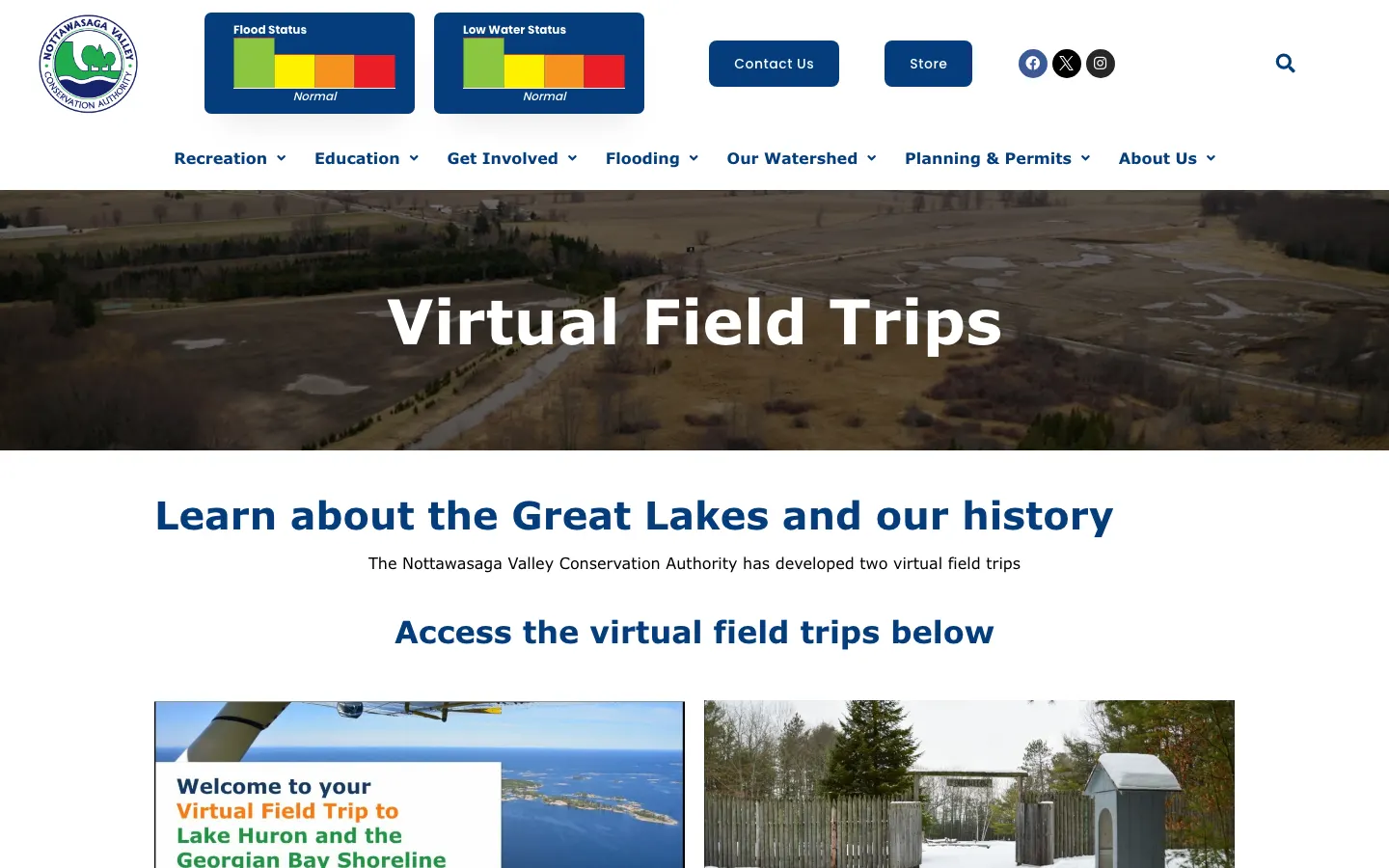
Nottawasaga Valley Virtual Field Trips
Nottawasaga Valley Conservation Authority offers virtual field trips and teacher resources about watersheds, glaciers, water quality, local ecology, and Fort Willow history. It is listed under Nature & environment and Science for ages 8–14.
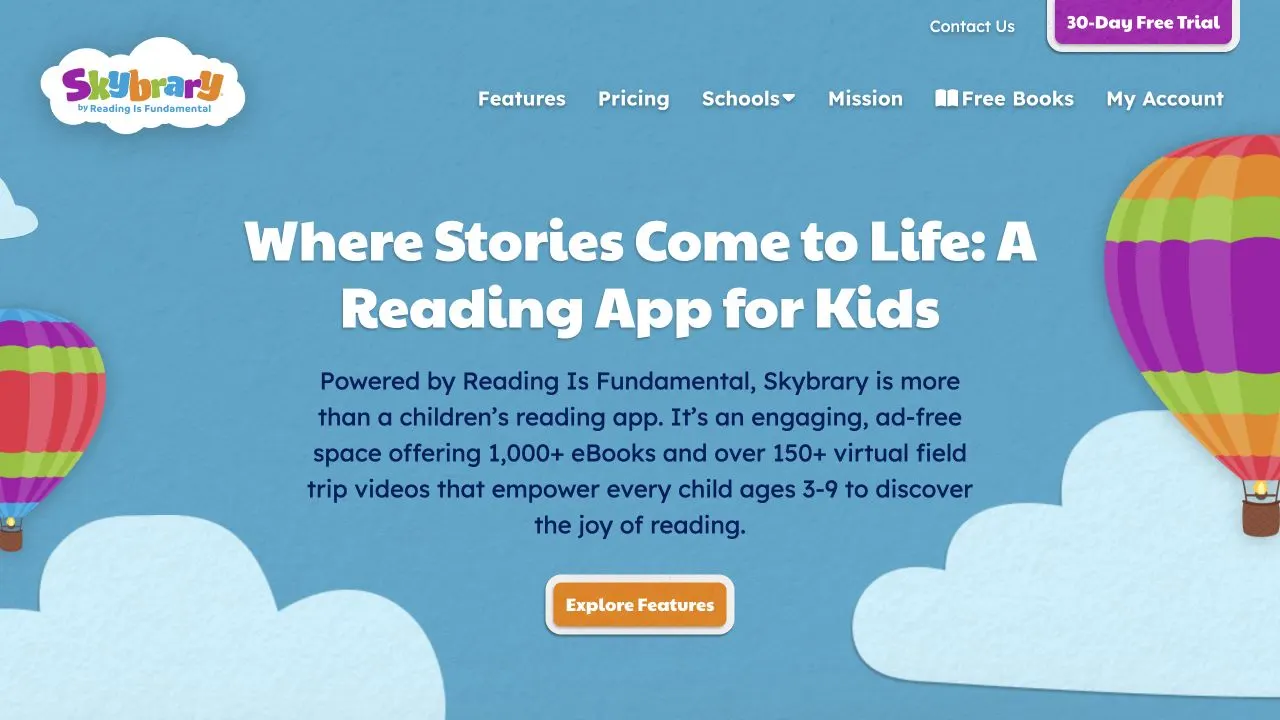
Skybrary
Skybrary by Reading Is Fundamental is an ad-free reading app for children ages 3–9 with more than 1,000 ebooks and virtual field-trip videos designed to build reading enjoyment and discovery.
Tate Kids
Artist stories, games, quizzes, and art-making ideas for children from Tate museums. It is listed under Art & creativity and History & culture for ages 5–13. Children and families can use it through a website.
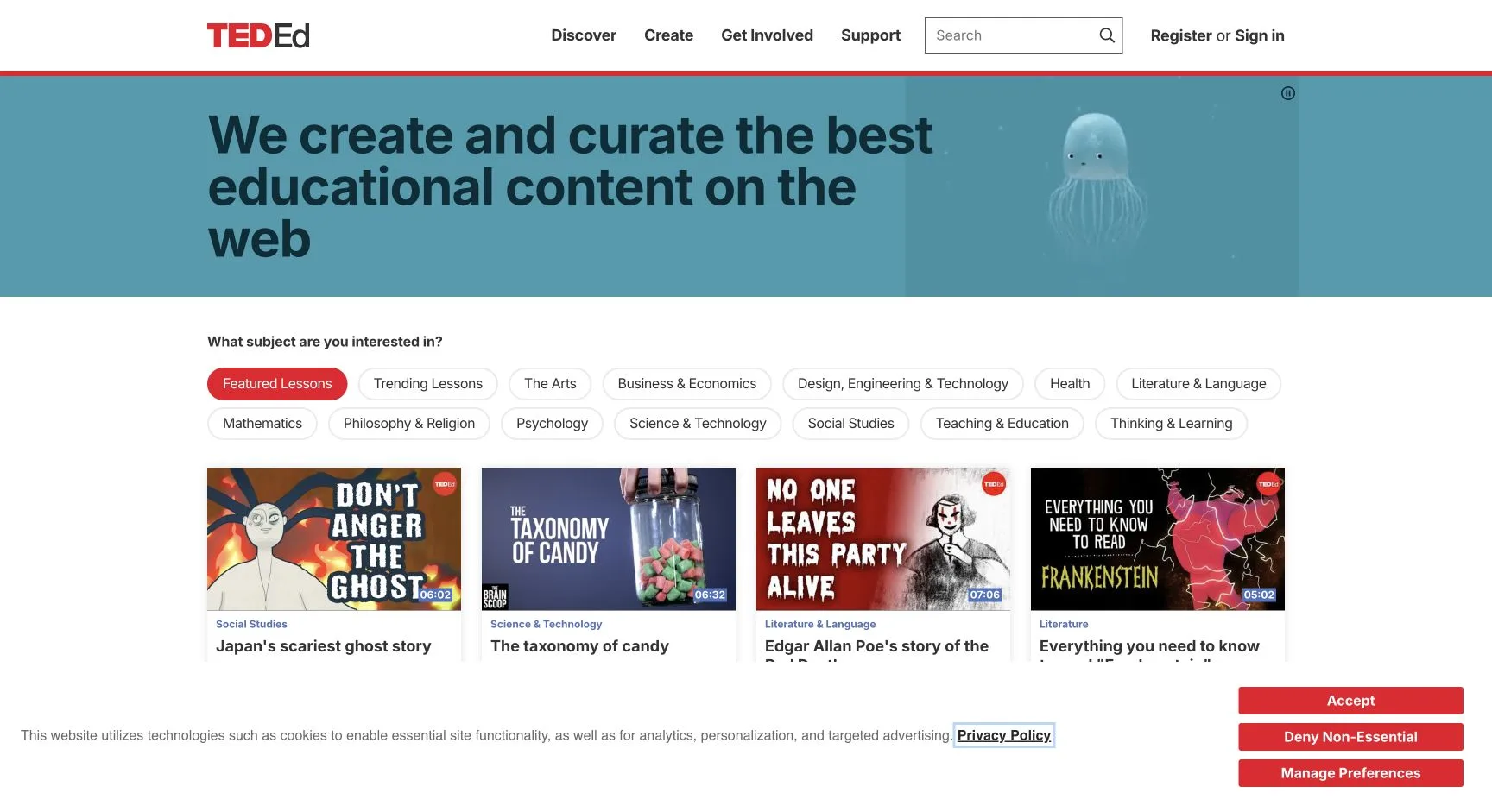
TED-Ed
Animated lessons and discussion prompts across science, culture, language, history, and ideas. It is listed under Parent & educator, Science, and History & culture for ages 8–18. Children and families can use it through a website.
Compare with context
Use this collection to find a direction, then open each resource page before sharing it with a child. The individual review shows languages, access formats, tags, age guidance, source links, and notes for grown-ups.
Search the full directory →