History & culture Science
for kids
Explore 20 trusted history & culture science resources selected for curious kids, with clear ages, access details, and parent context.
Two useful ways to narrow the directory
This page brings together history & culture resources that also match science. Each listing keeps its own age range, platform details, languages, links, and parent notes, so you can compare options without losing context.
Explore all history & culture resources →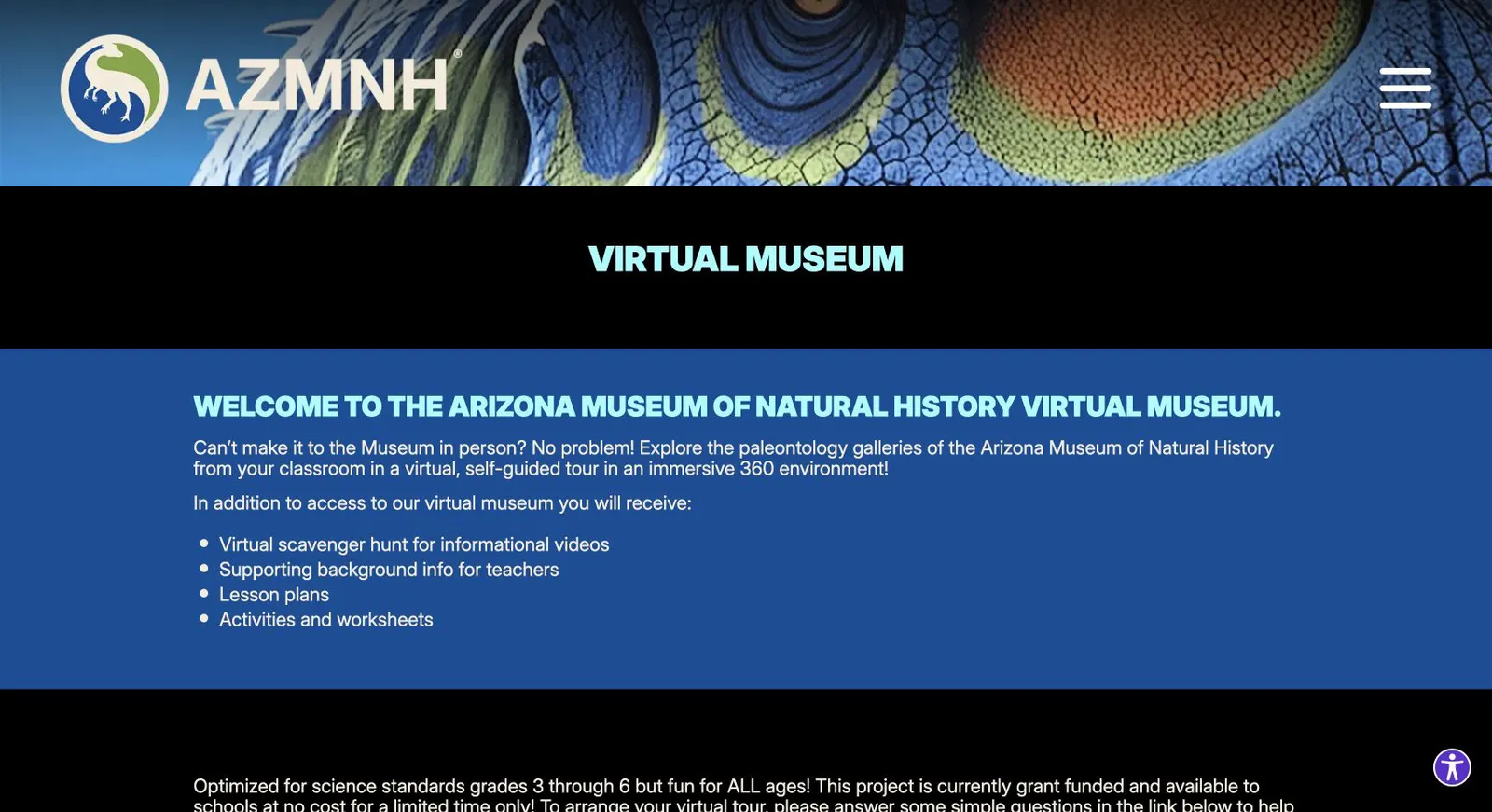
Arizona Museum of Natural History Virtual Museum
A self-guided virtual paleontology museum with an immersive 360 tour, scavenger hunt videos, teacher background information, lesson plans, and worksheets. It is listed under Science and History & culture for ages 8–14. Children and families can use it through a website.
Read the full resource review →More history & culture picks
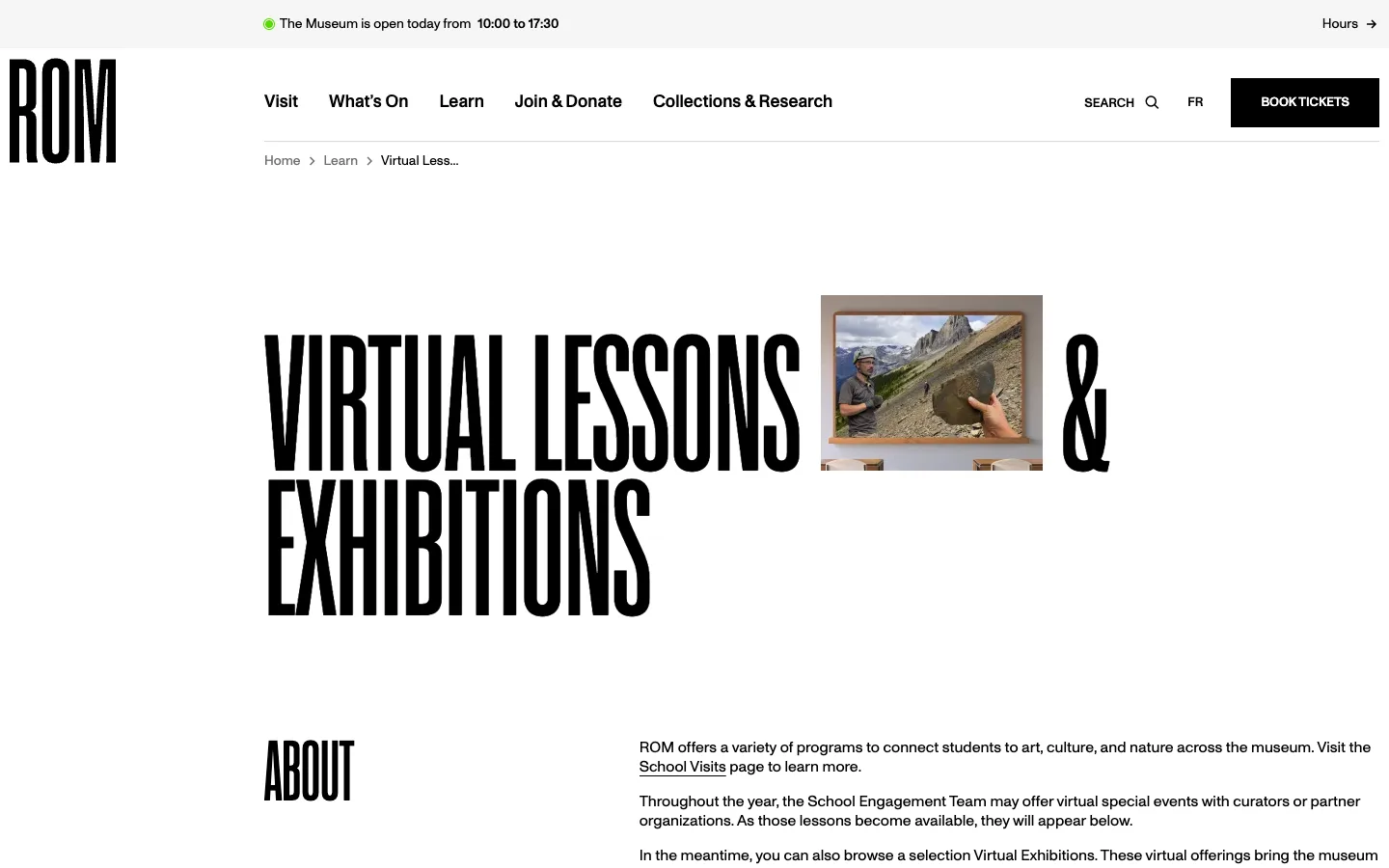
Royal Ontario Museum Virtual Lessons
Virtual museum lessons from the Royal Ontario Museum using 360 photos, video, and supporting activities to connect students with collections and cultures. It is listed under History & culture and Science for ages School-age; lesson-specific.
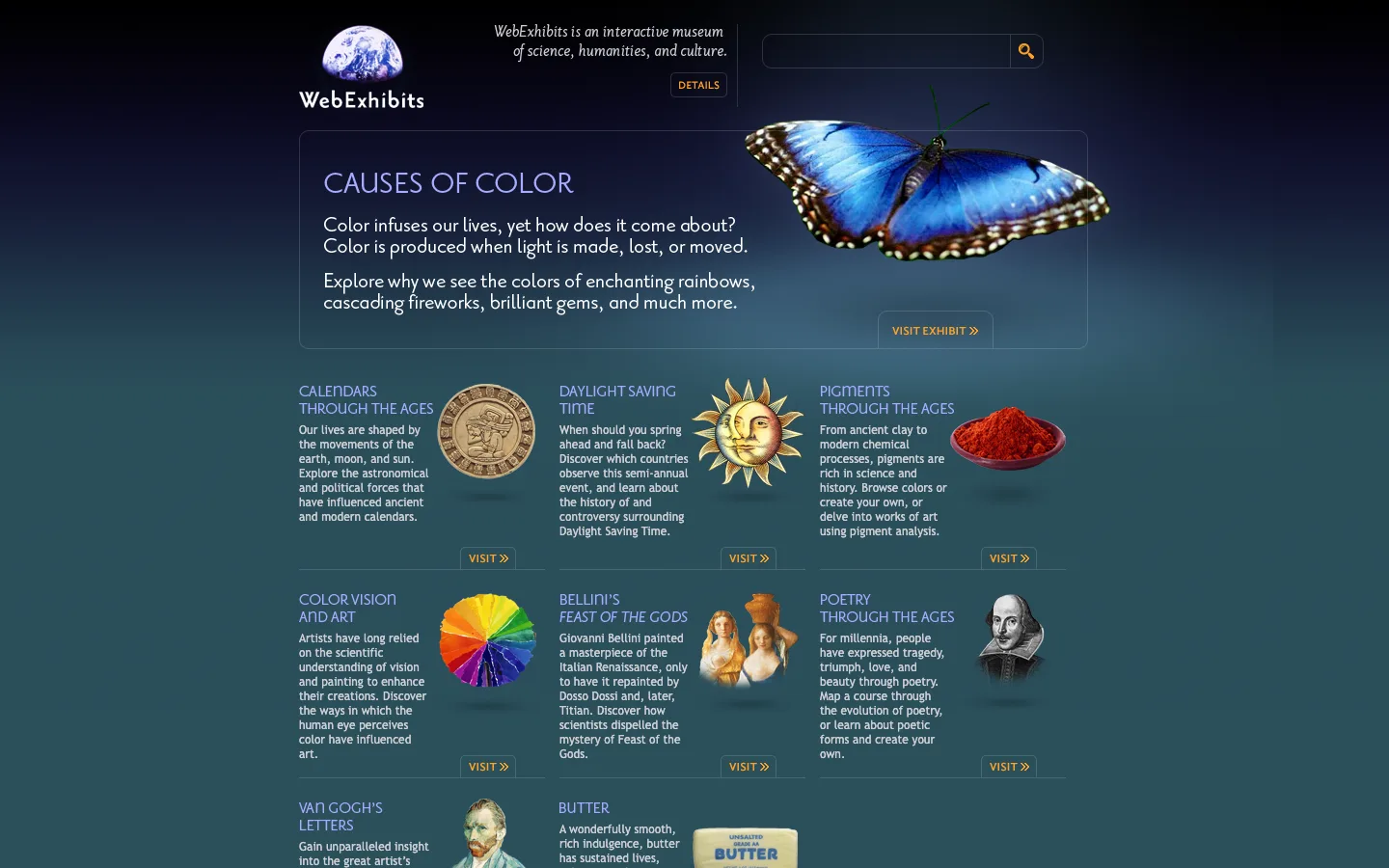
WebExhibits
An independent virtual museum of science, humanities, and culture with interactive exhibits about color, calendars, daylight, art, and other topics. It is listed under Science and History & culture for ages 8+ with adult guidance.
OpenLearn
Free learning materials and short courses from The Open University, with science, society, arts, and study-skills topics suitable for older learners. It is listed under Parent & educator, Science, and History & culture for ages 14–18.
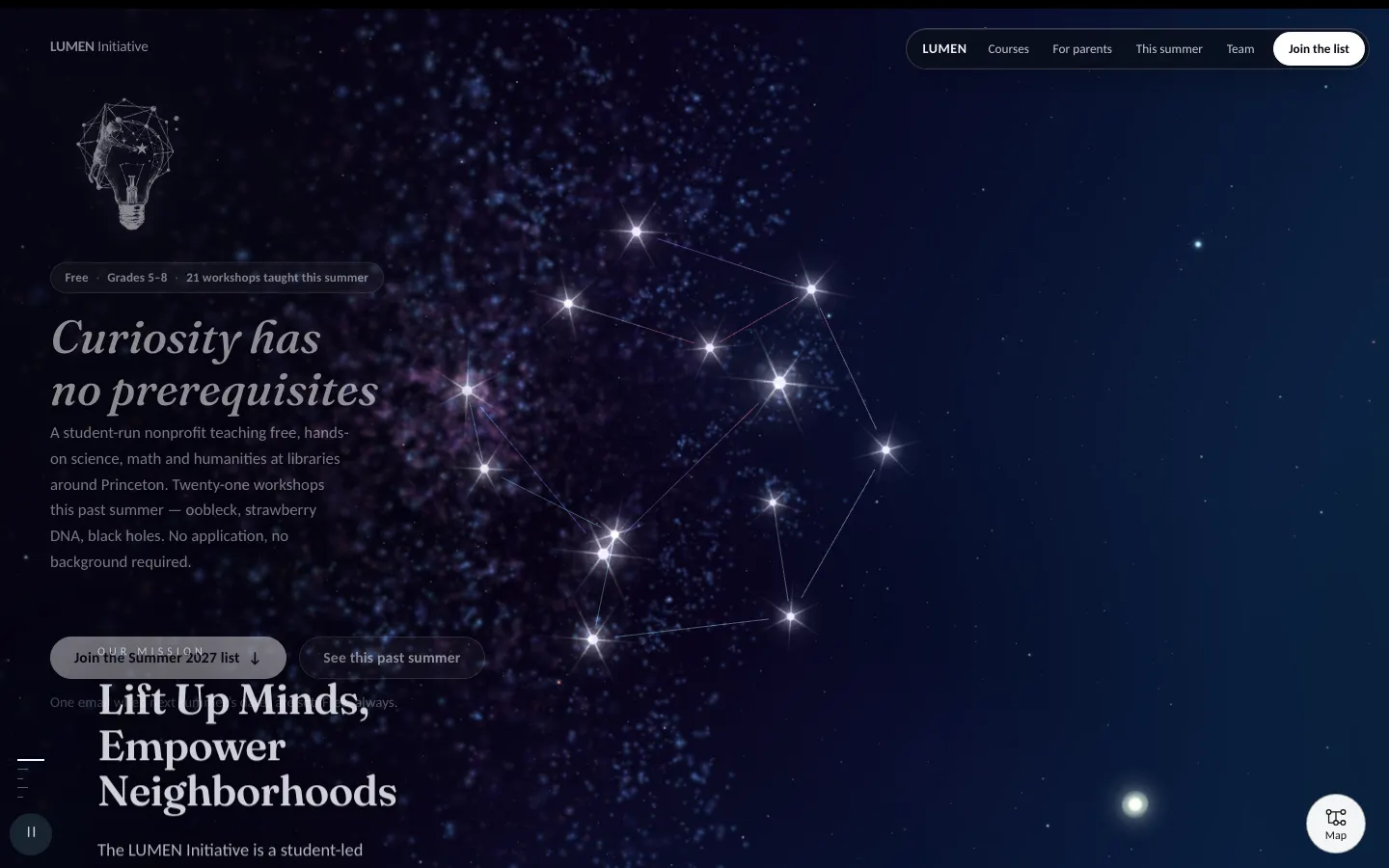
LUMEN Initiative
A student-run nonprofit offering free hands-on science, math, computer science, and humanities workshops for middle schoolers in Mercer County, New Jersey. It is listed under Science and Math for ages 10–14. Children and families can use it through a website.
TIME for Kids
Current-events stories, age-banded news, and classroom-friendly reading for children and families. It is listed under Reading, History & culture, and Parent & educator for ages 6-14. Children and families can use it through a website.
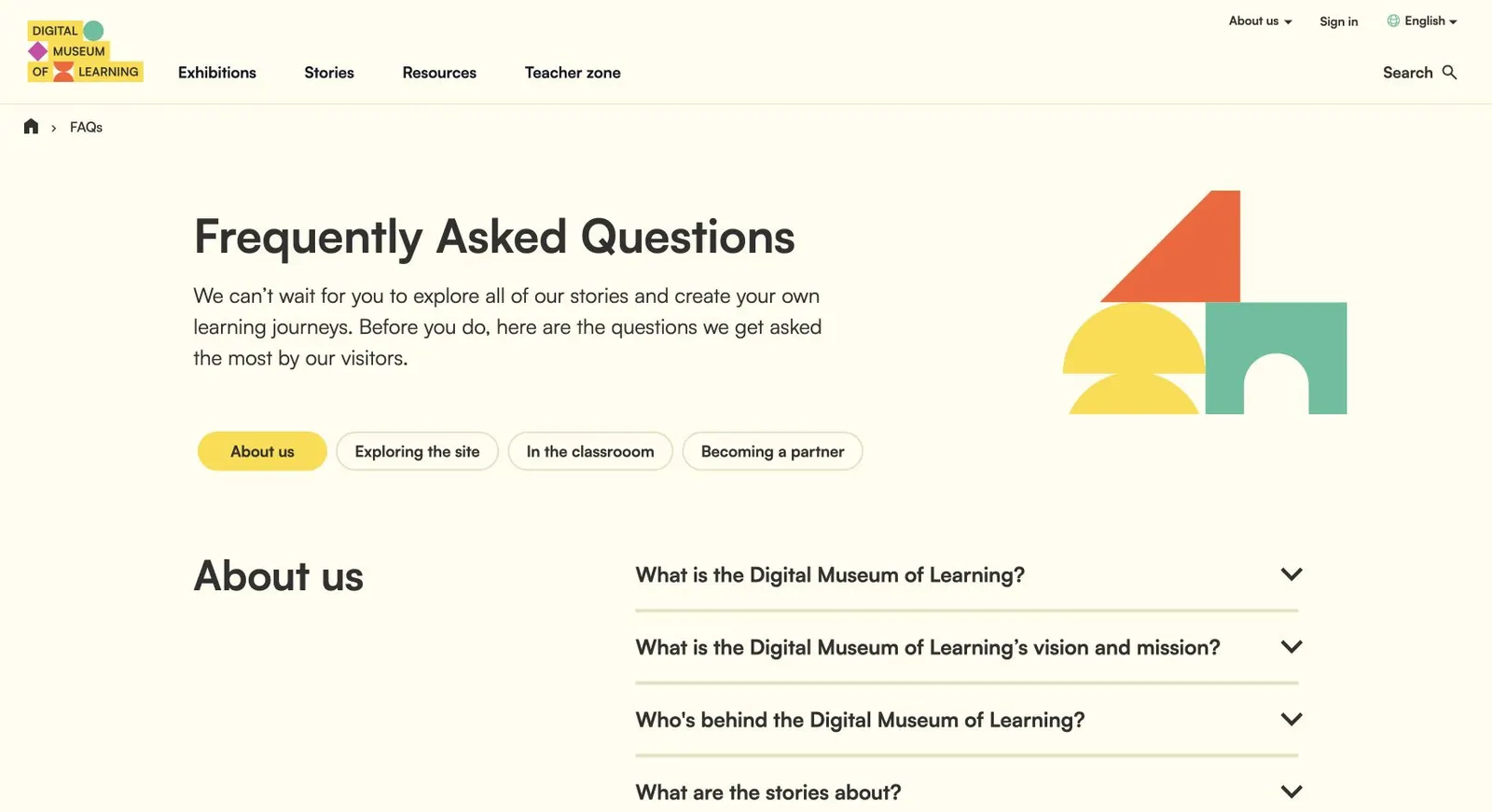
The Digital Museum of Learning
The Digital Museum of Learning is a free online museum for children ages 7–12 and educators, using interactive research-based stories, worksheets, videos, and teaching guides about how people learn. It is listed under Science and History & culture for ages 7–12.
Kids Discover Online
Interactive nonfiction articles and multimedia lessons that support elementary and middle-school learning. It is listed under Science, History & culture, and Geography for ages 6–14. Children and families can use it through a website.
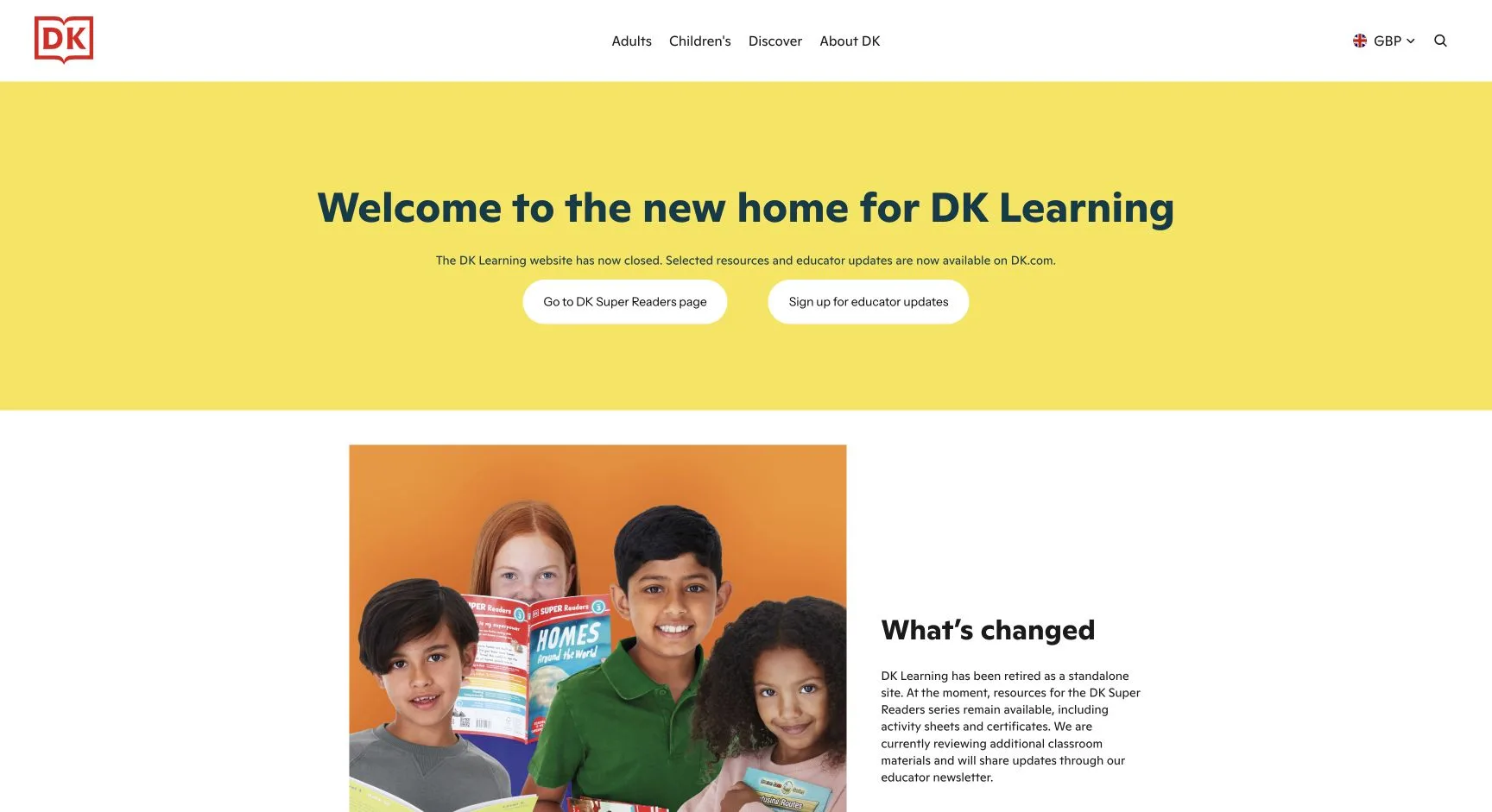
DK Find Out!
DK Learning has closed as a standalone site; selected resources and educator updates now continue through DK.com. It is listed under Science, History & culture, and Geography for ages 6–12. Children and families can use it through a website.
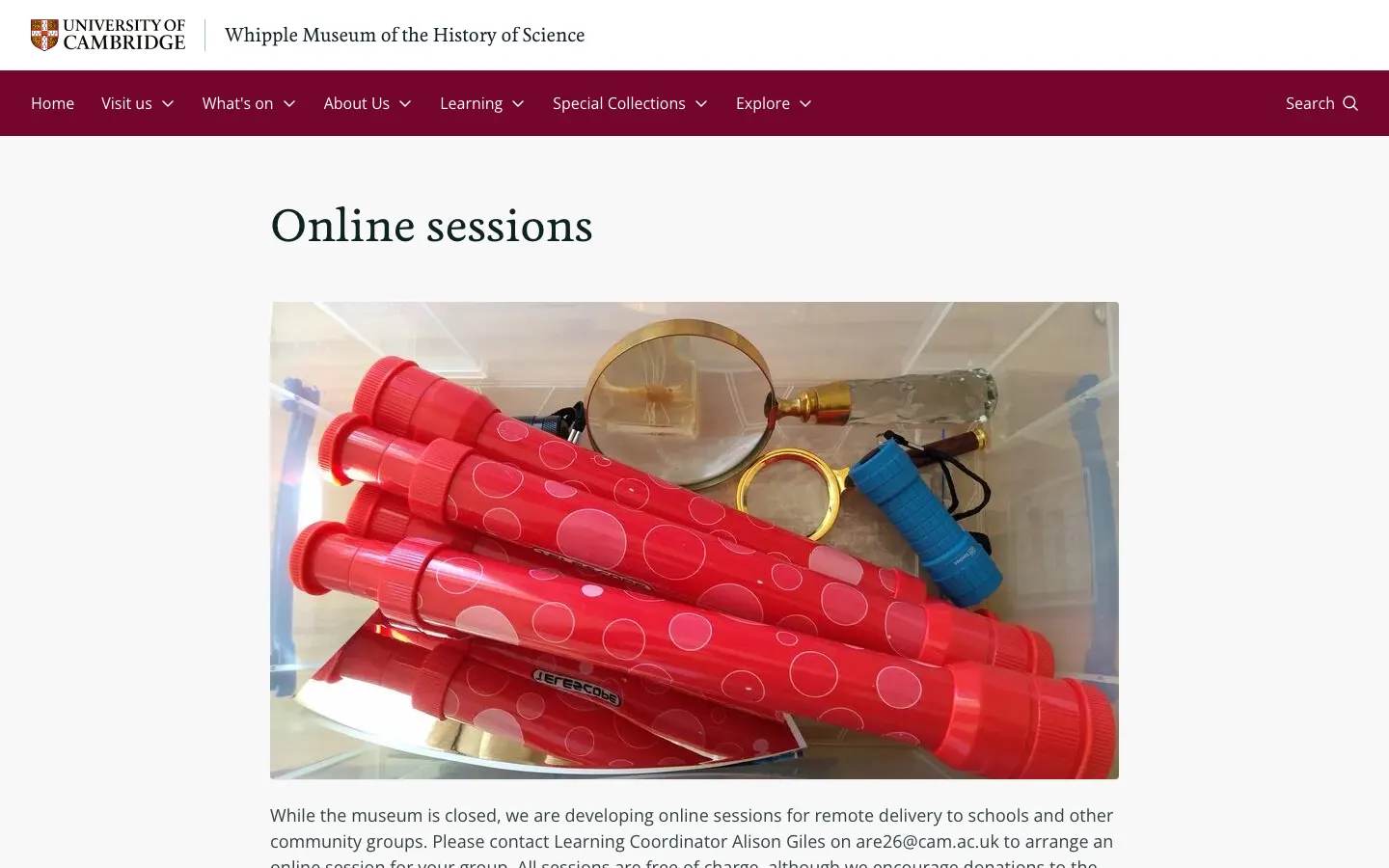
Whipple Museum Online Sessions
Whipple Museum Online Sessions use experiments, object-focused activities, talks, and astronomy sessions to explore the history and practice of science with young learners. It is listed under Science and History & culture for ages KS1–3; family.
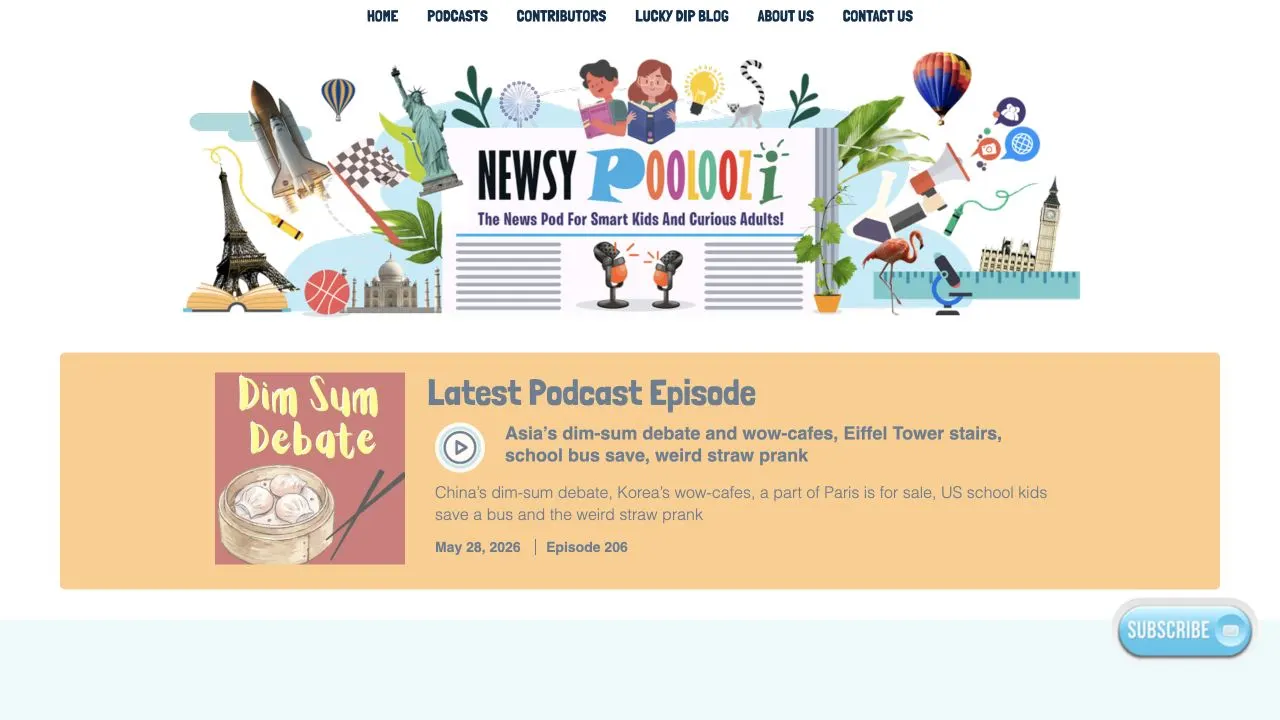
Newsy Pooloozi
Newsy Pooloozi is a weekly, family-friendly world-news podcast for kids covering science, technology, arts, culture, sports, and current events with child correspondents. It is listed under Podcasts & audio and History & culture for ages Children; exact range not stated.
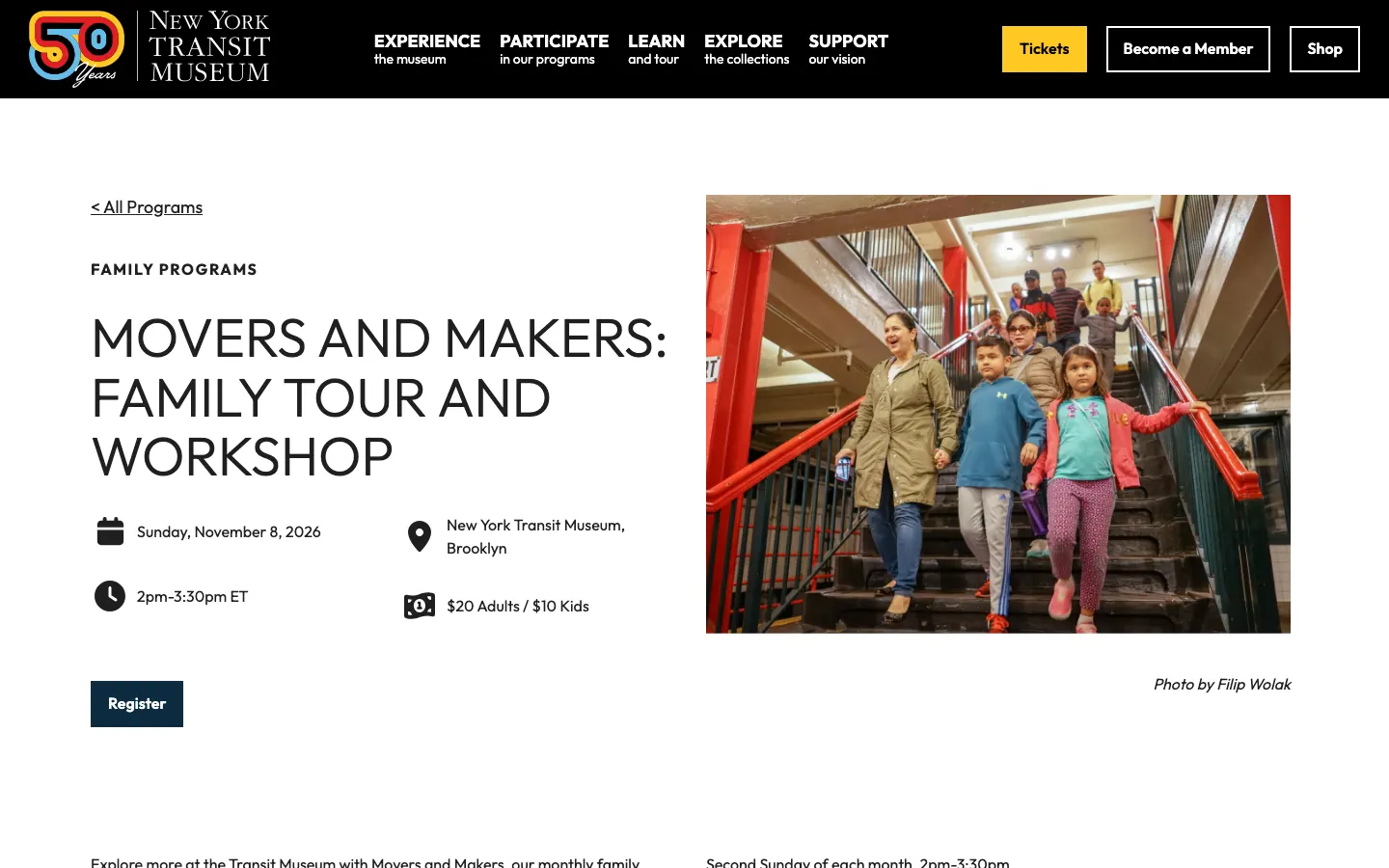
New York Transit Museum Movers and Makers
A monthly family program combining a museum tour, transit-themed stories or topics, and hands-on art and design projects in the museum makerspace. It is listed under Science and Art & creativity for ages 5–14 with adult.
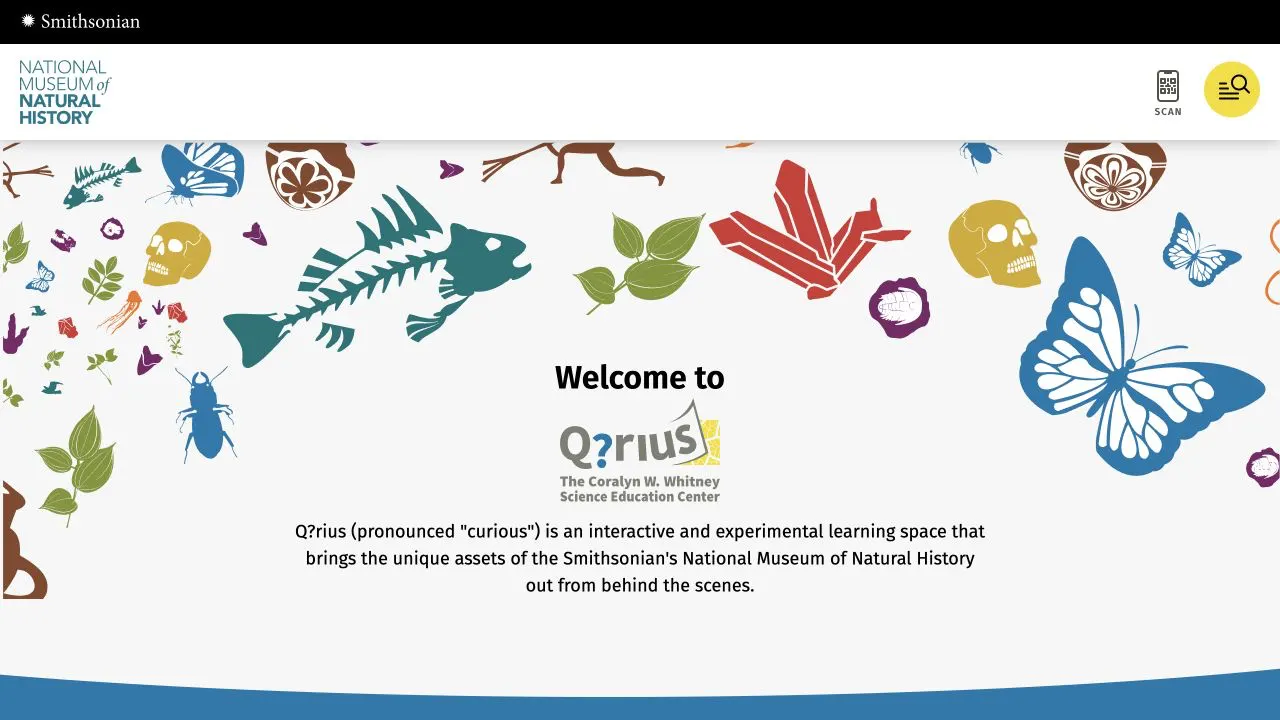
Q?rius
An interactive Smithsonian learning space and online collection where children can explore 6,000 objects, try activities, solve science puzzles, and meet experts. It is listed under Science and History & culture for ages 8–18.
Compare with context
Use this collection to find a direction, then open each resource page before sharing it with a child. The individual review shows languages, access formats, tags, age guidance, source links, and notes for grown-ups.
Search the full directory →