History & culture Games
for kids
Explore 20 trusted history & culture games resources selected for curious kids, with clear ages, access details, and parent context.
Two useful ways to narrow the directory
This page brings together history & culture resources that also match games. Each listing keeps its own age range, platform details, languages, links, and parent notes, so you can compare options without losing context.
Explore all history & culture resources →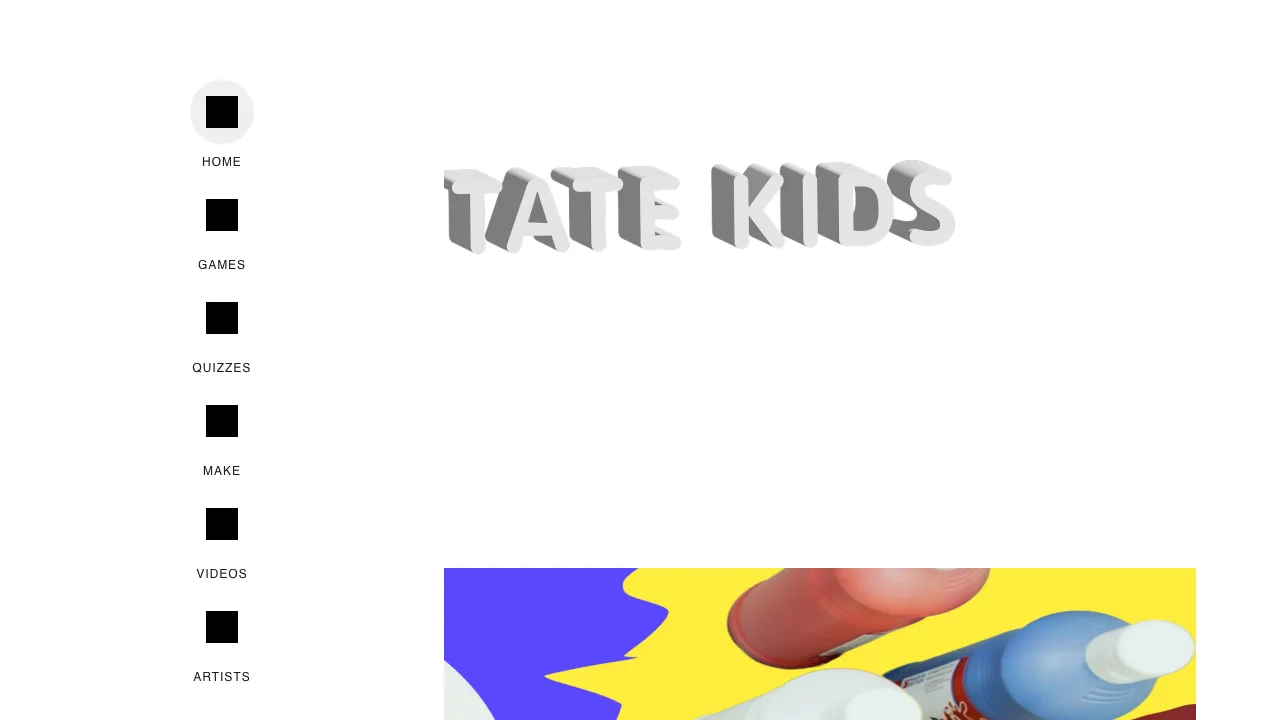
Tate Kids
Artist stories, games, quizzes, and art-making ideas for children from Tate museums. It is listed under Art & creativity and History & culture for ages 5–13. Children and families can use it through a website.
Read the full resource review →More history & culture picks
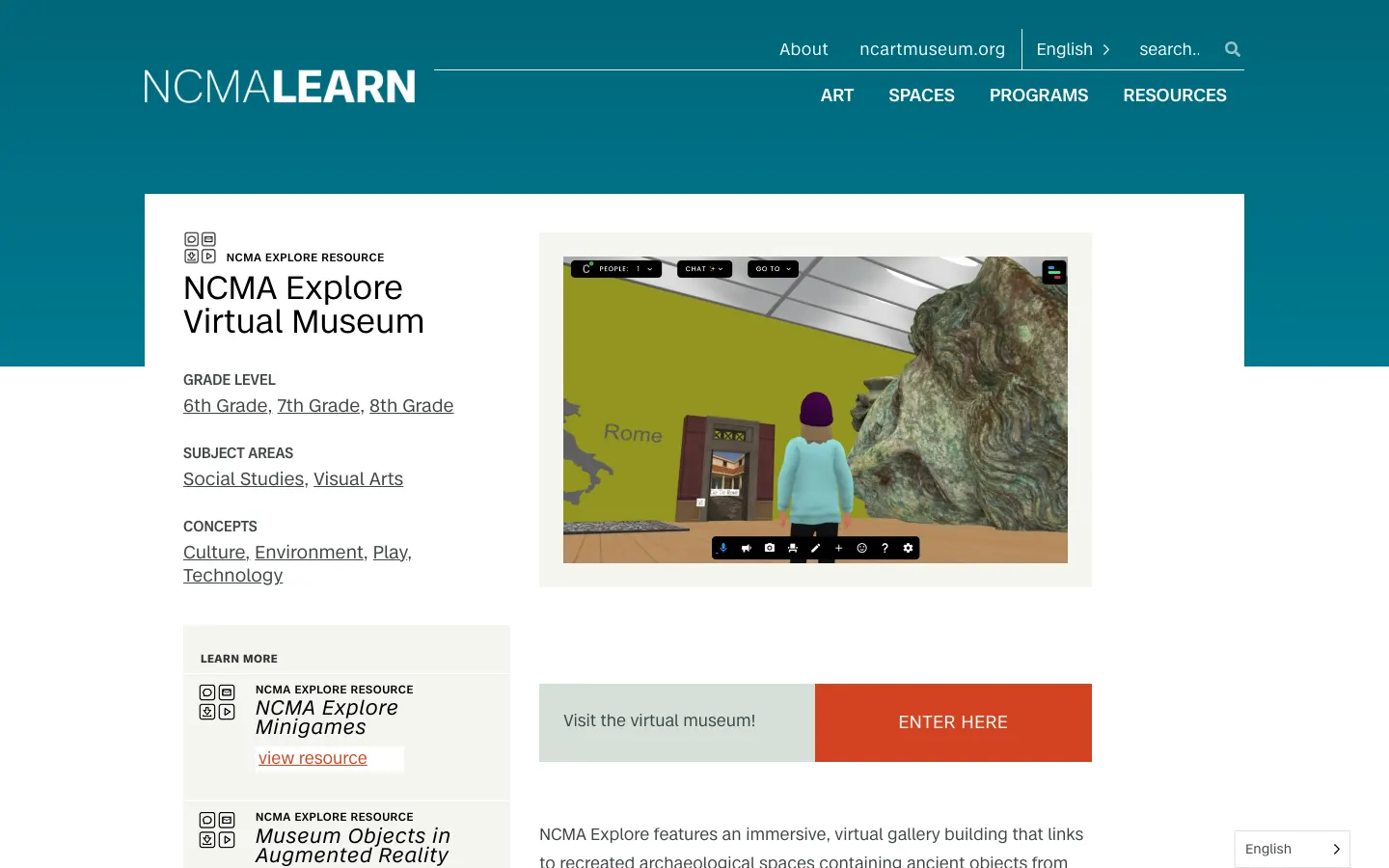
NCMA Explore Virtual Museum
A virtual North Carolina Museum of Art experience where children design an avatar, explore 3D objects, play mini-games, and complete scavenger hunts across world cultures. It is listed under History & culture and Art & creativity for ages 8–14.
Museums for Digital Learning
A shared digital platform where museums contribute free K–12 educational resource kits, interactive narratives, timelines, slide shows, and games linked to museum collections. It is listed under History & culture and Science for ages 5–18.
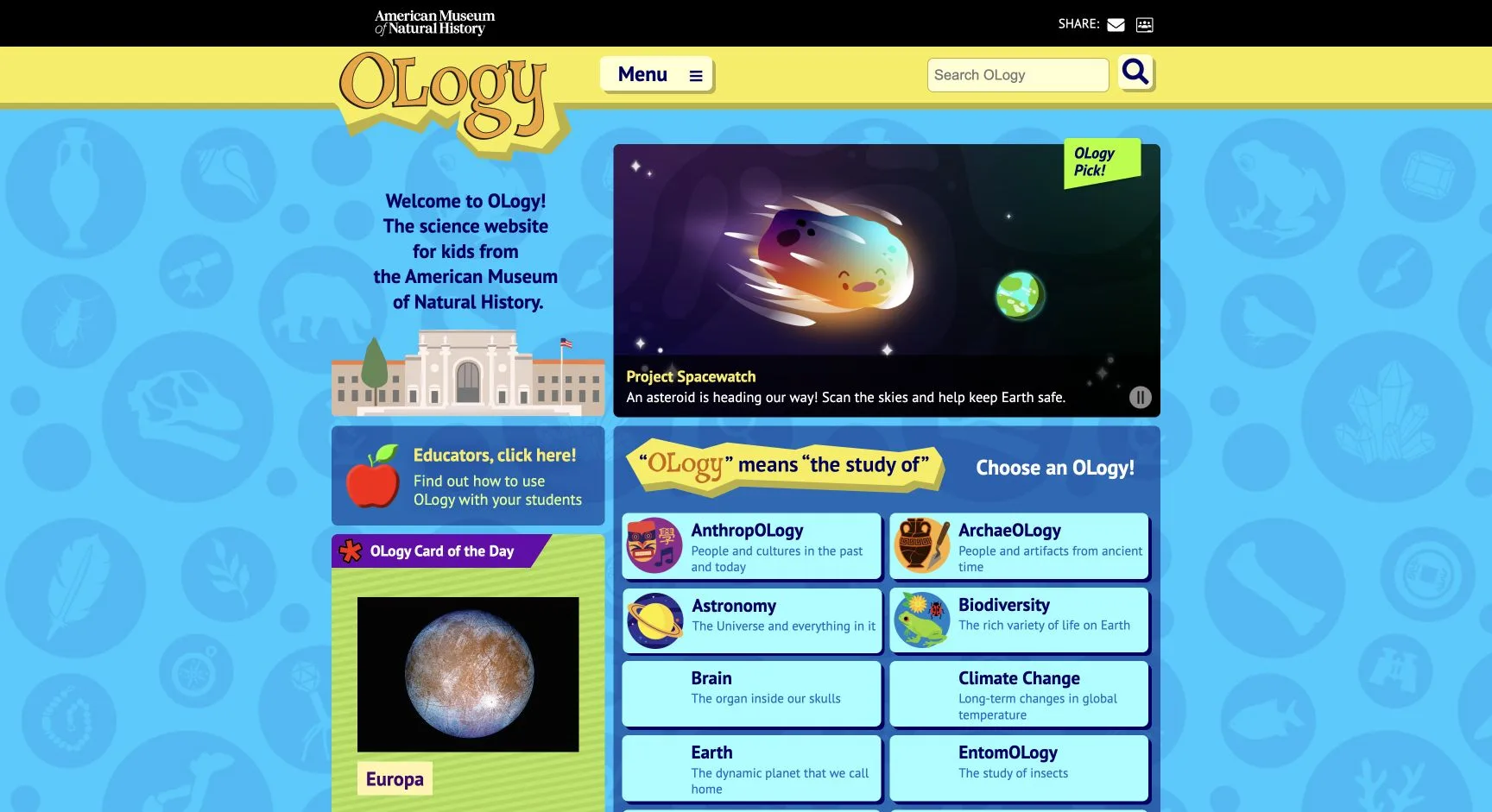
OLogy: Science Website for Kids
Museum science activities, games, stories, videos, and hands-on projects for curious kids. It is listed under Science, Nature & environment, and History & culture for ages 5-18. Children and families can use it through a website and downloadable resources.
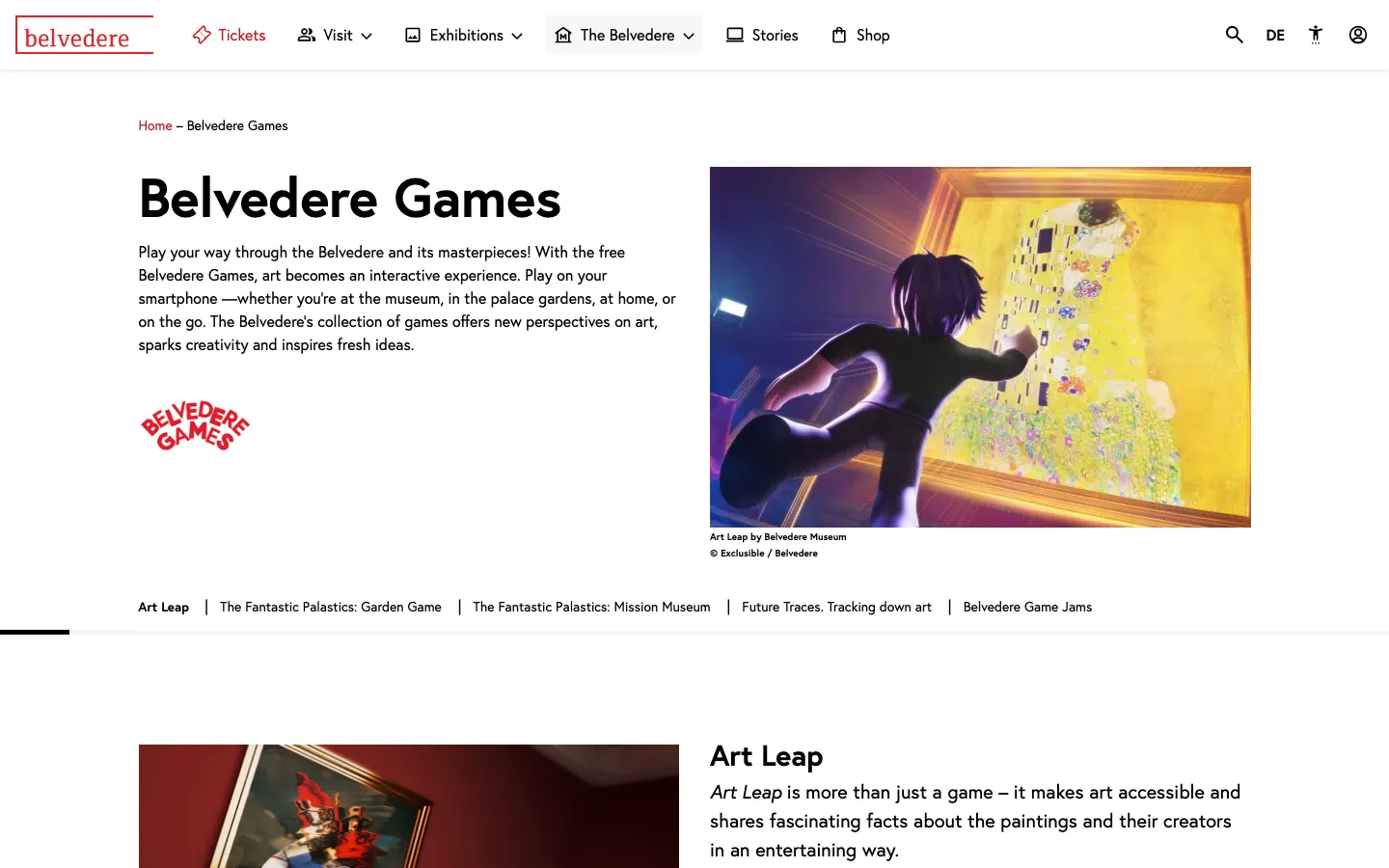
Belvedere Games
Belvedere Games is the Belvedere Museum’s collection of free interactive art games, including Art Leap, which introduces children and families to selected masterpieces. It is listed under Art & creativity and History & culture for ages 6–14.
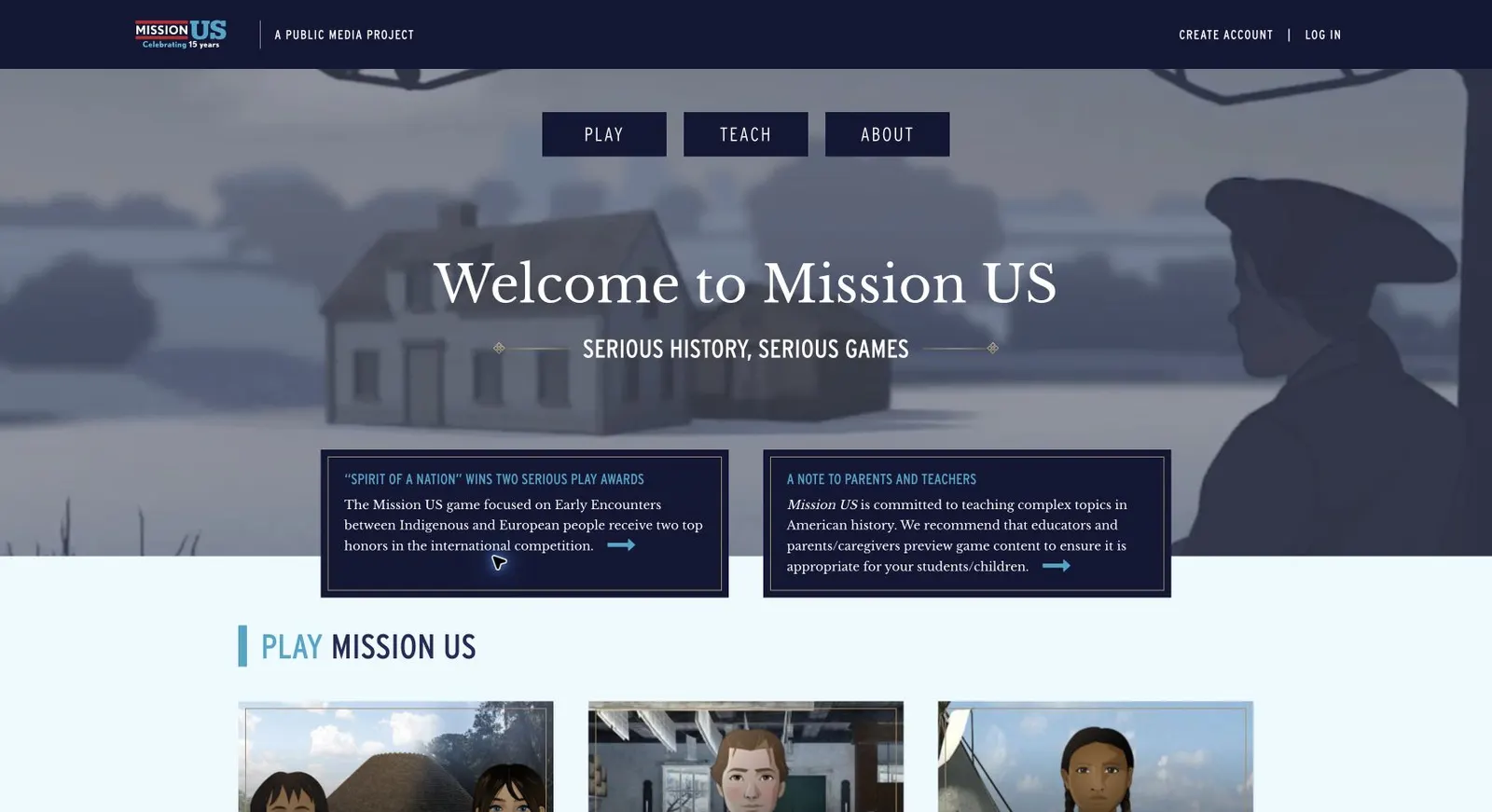
Mission US
Research-based history games and classroom materials that place middle-school learners inside complex moments in U.S. history. It is listed under History & culture, Games, and Parent & educator for ages 10–14. Children and families can use it through a website and downloadable resources.
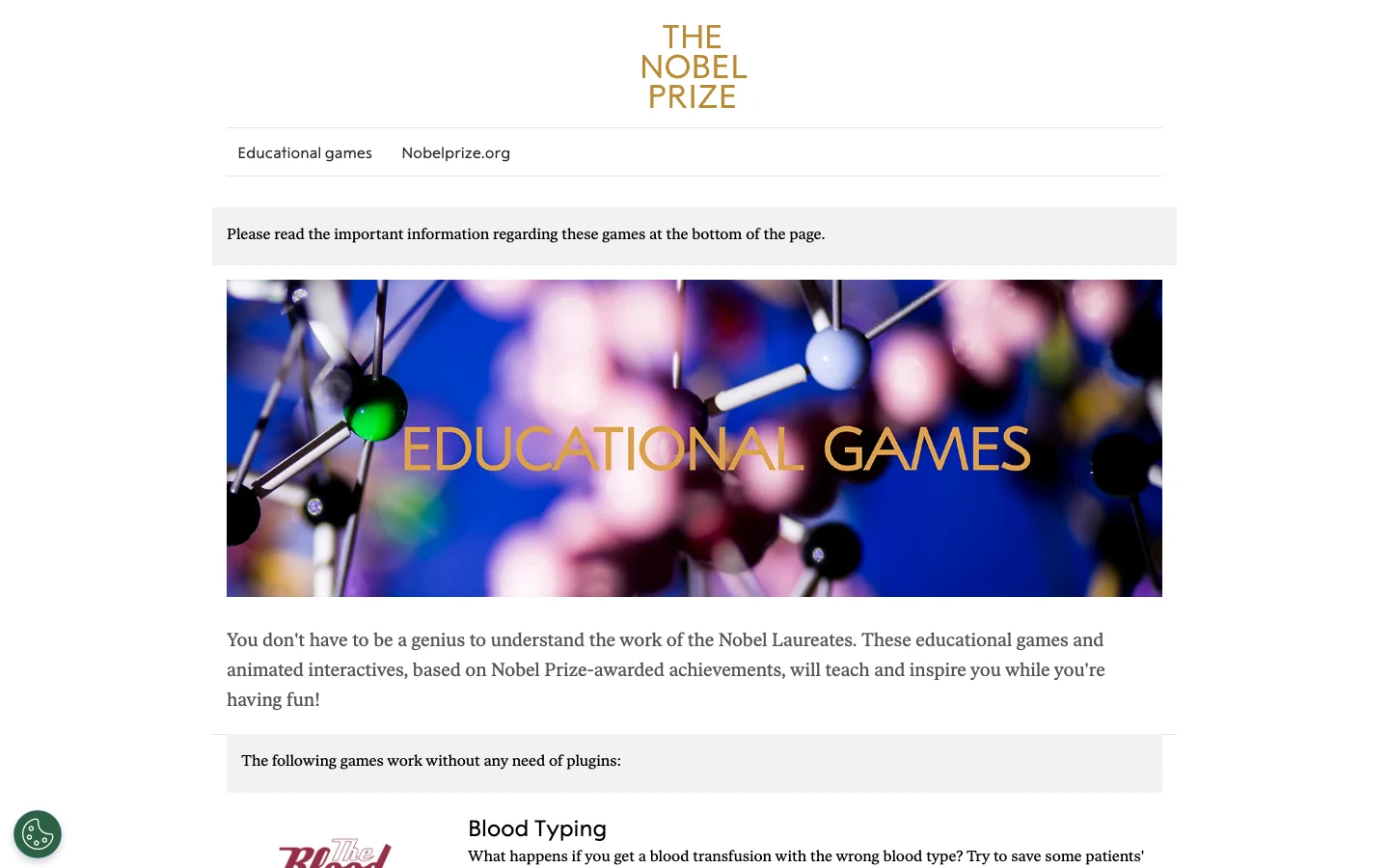
Nobel Prize Educational Games
Free educational games from Nobel Prize Outreach that introduce children to ideas and stories connected with Nobel Prize subjects. It is listed under Science and History & culture for ages Children; game-specific. Children and families can use it through a website.
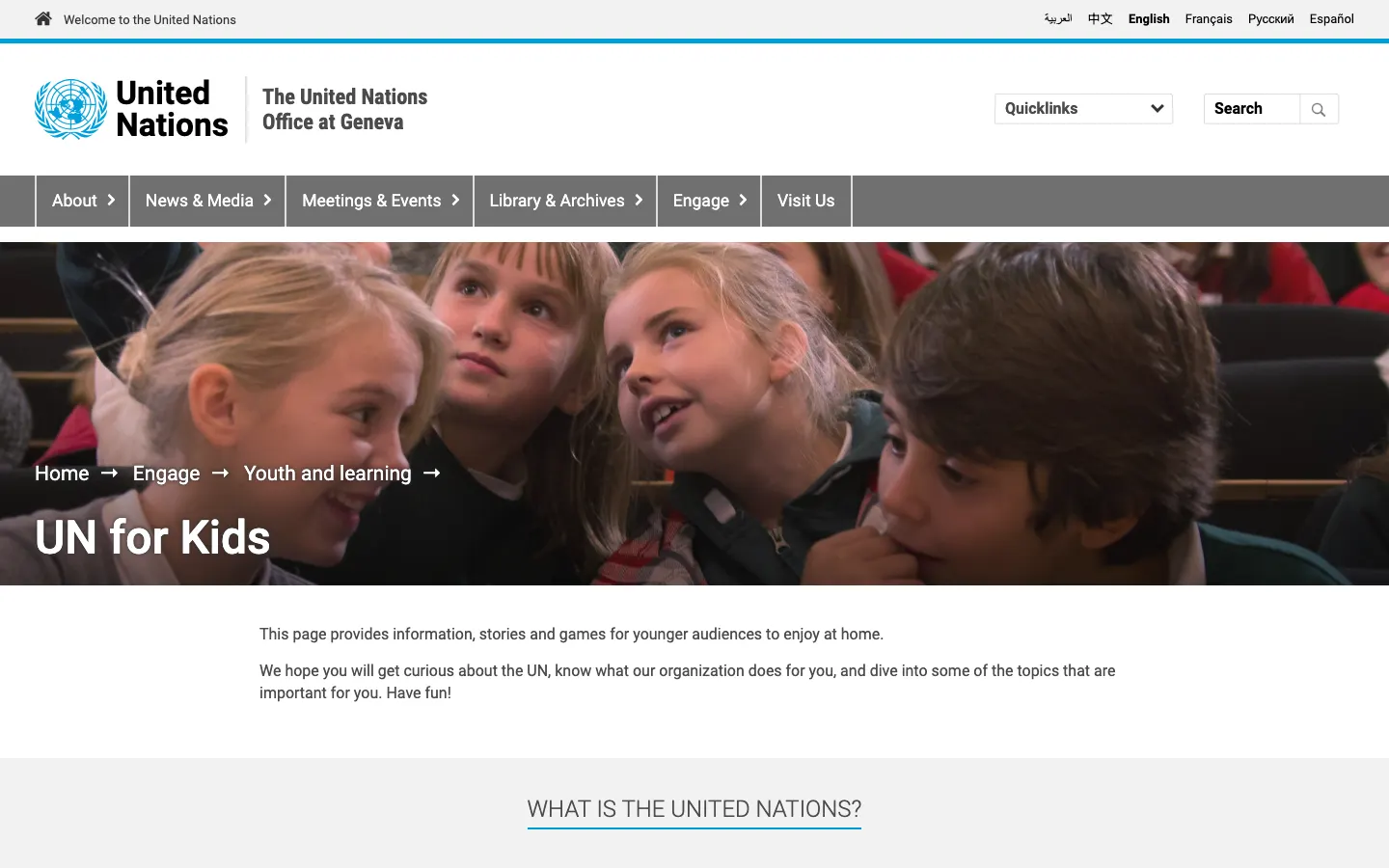
UN for Kids
The United Nations Geneva children’s hub with explainers, climate-action missions, sustainability games, and child-rights resources. It is listed under Geography and Nature & environment for ages 3–14; activity-specific. Children and families can use it through a website.
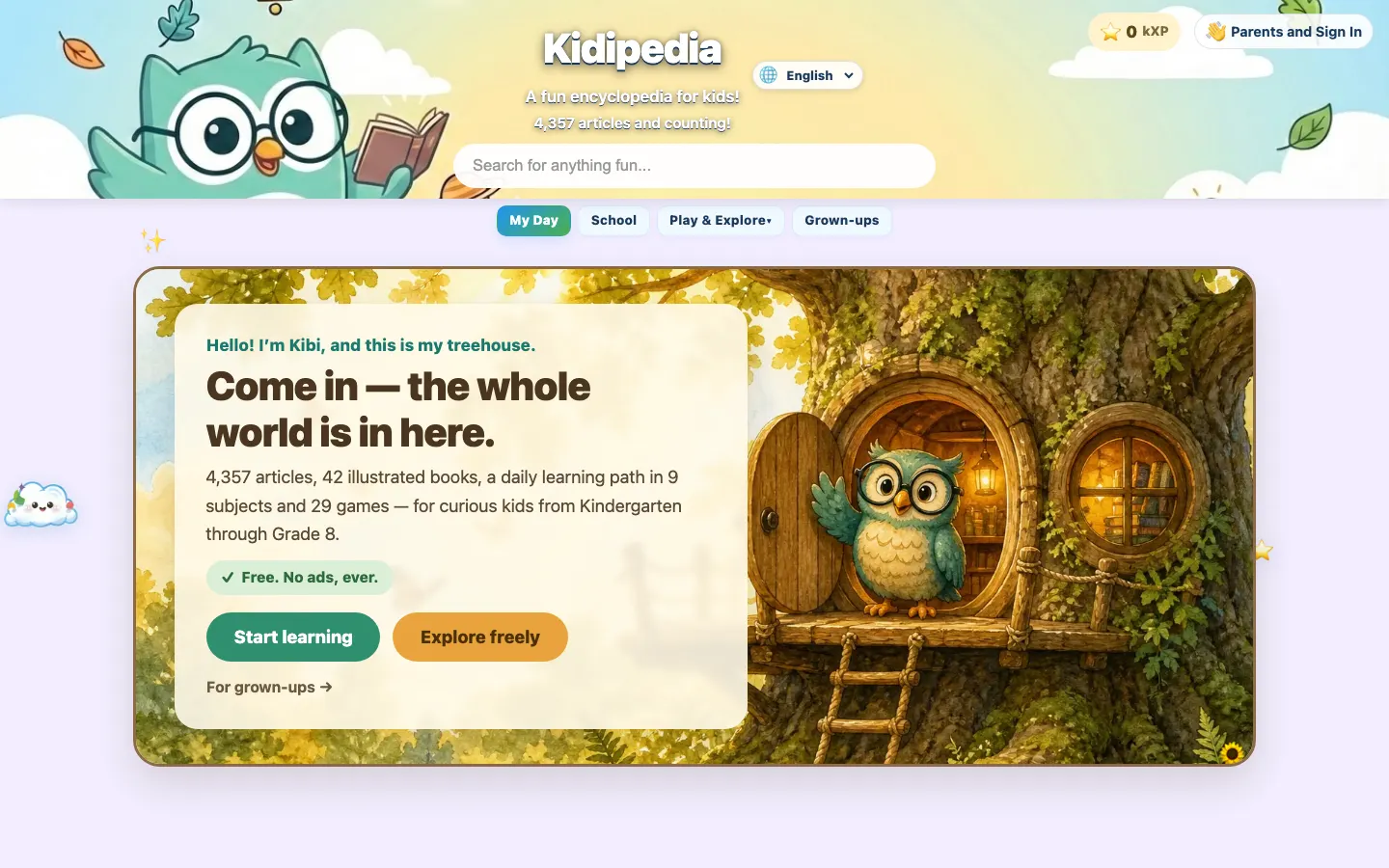
Kidipedia
Kidipedia is a free, ad-free encyclopedia and learning world for children, with illustrated articles, books, daily learning paths, and games across school subjects. It is listed under Science and Mathematics for ages 5–14. Children and families can use it through a website.
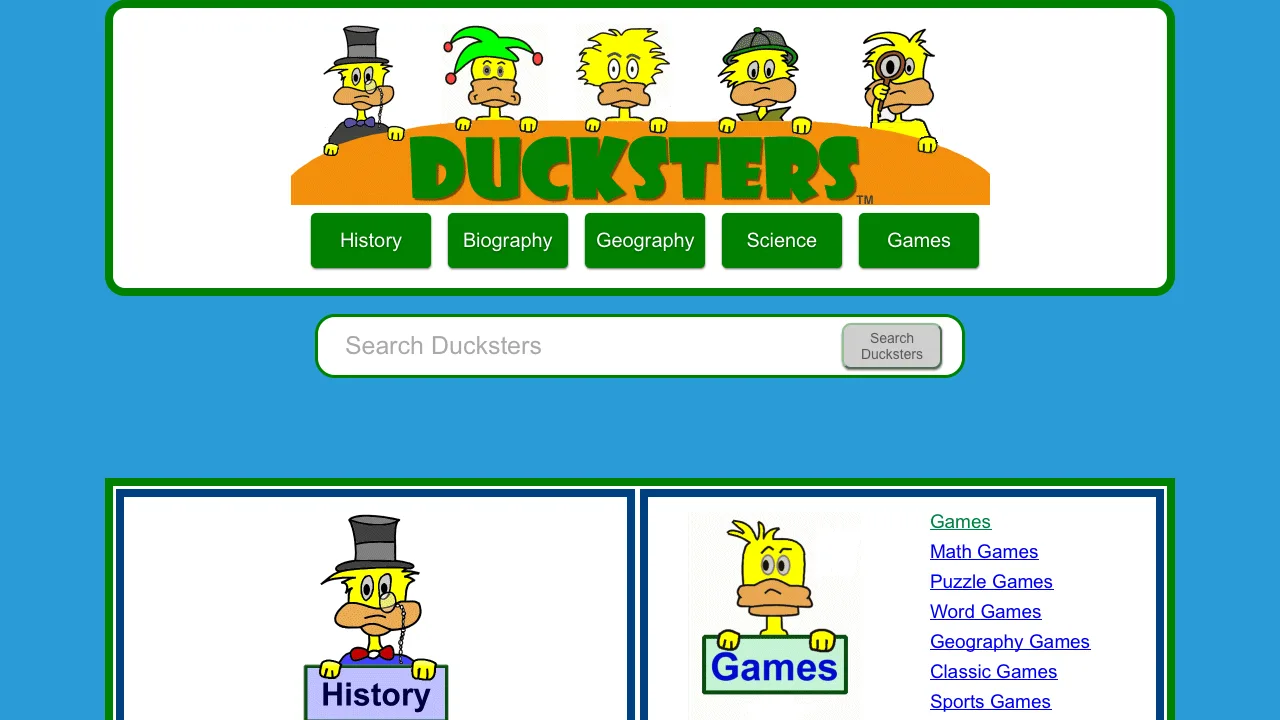
Ducksters
Readable reference pages for children covering history, geography, science, biographies, animals, and educational games. It is listed under Reading, Science, and History & culture for ages 7–14. Children and families can use it through a website.
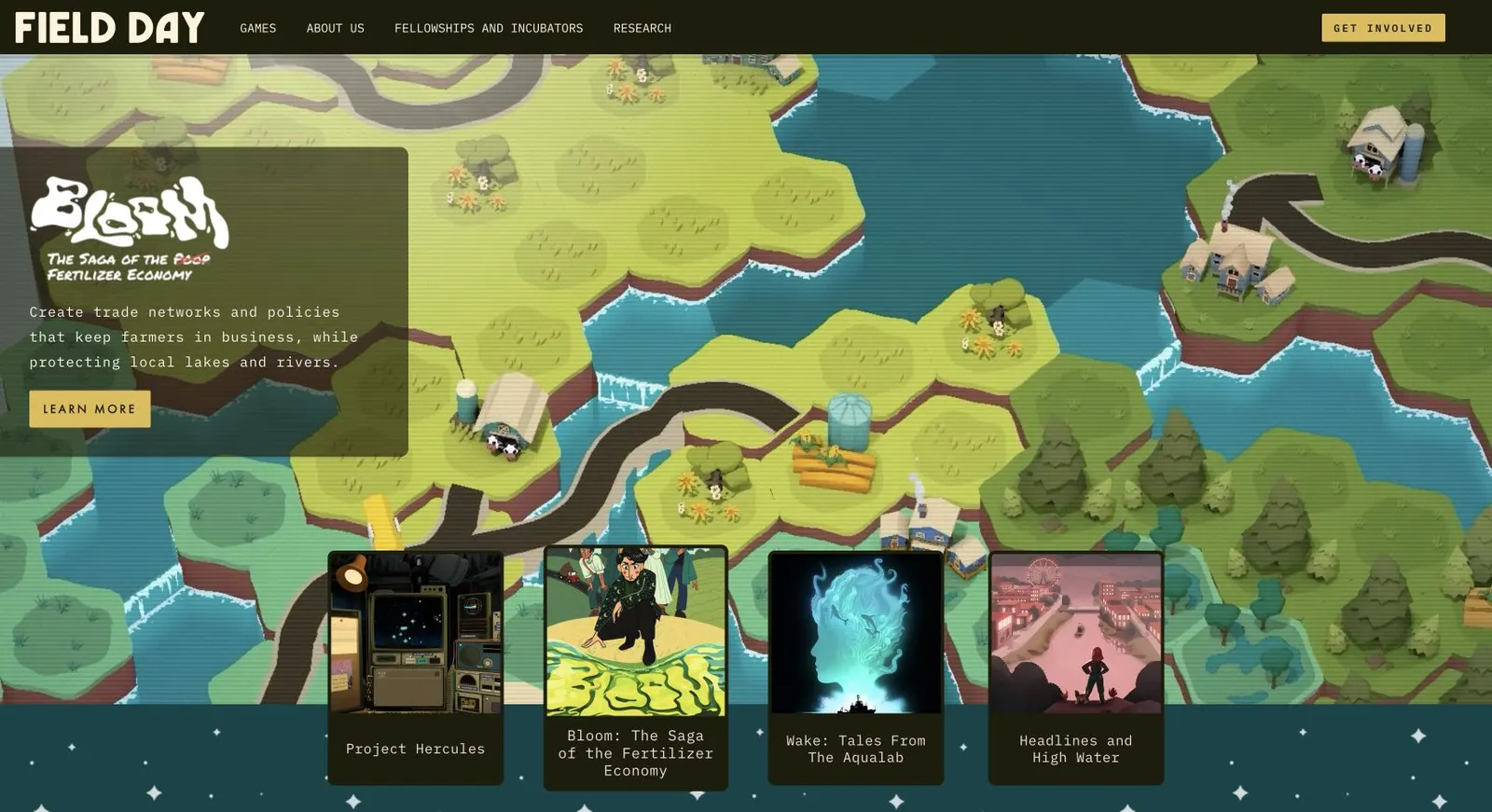
Field Day Learning Games
Free narrative learning games from a University of Wisconsin–Madison lab, designed with researchers and educators to explore science, history, journalism, and environmental topics. It is listed under Games and Science for ages 10–18. Children and families can use it through a website.
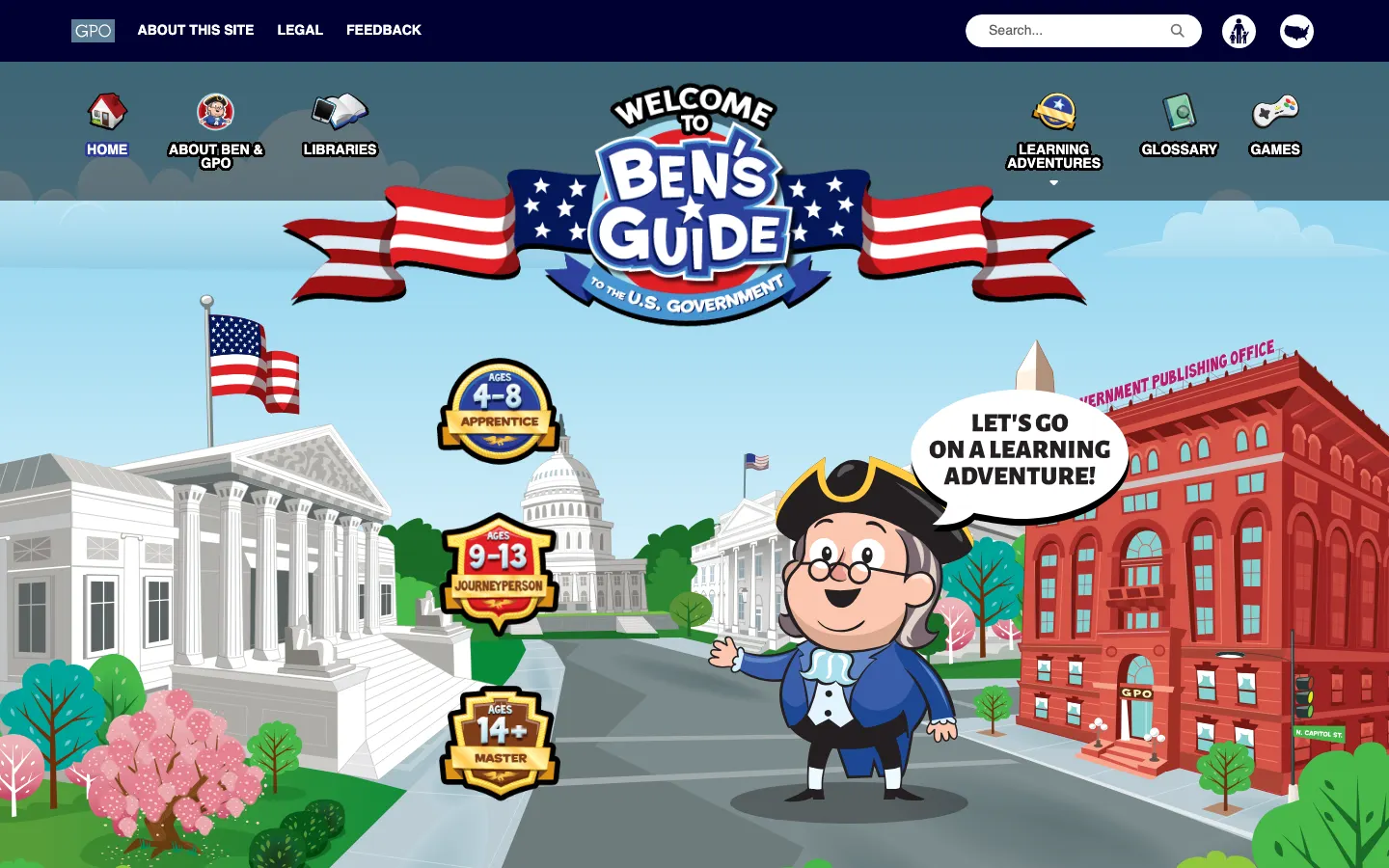
Ben’s Guide to the U.S. Government
Ben’s Guide is the U.S. Government Publishing Office’s child-facing civics and U.S. history site, with age-banded learning adventures, games, and a glossary. It is listed under Government & civics and History & culture for ages 4+ with levels for 4–8, 9–13, and 14+.
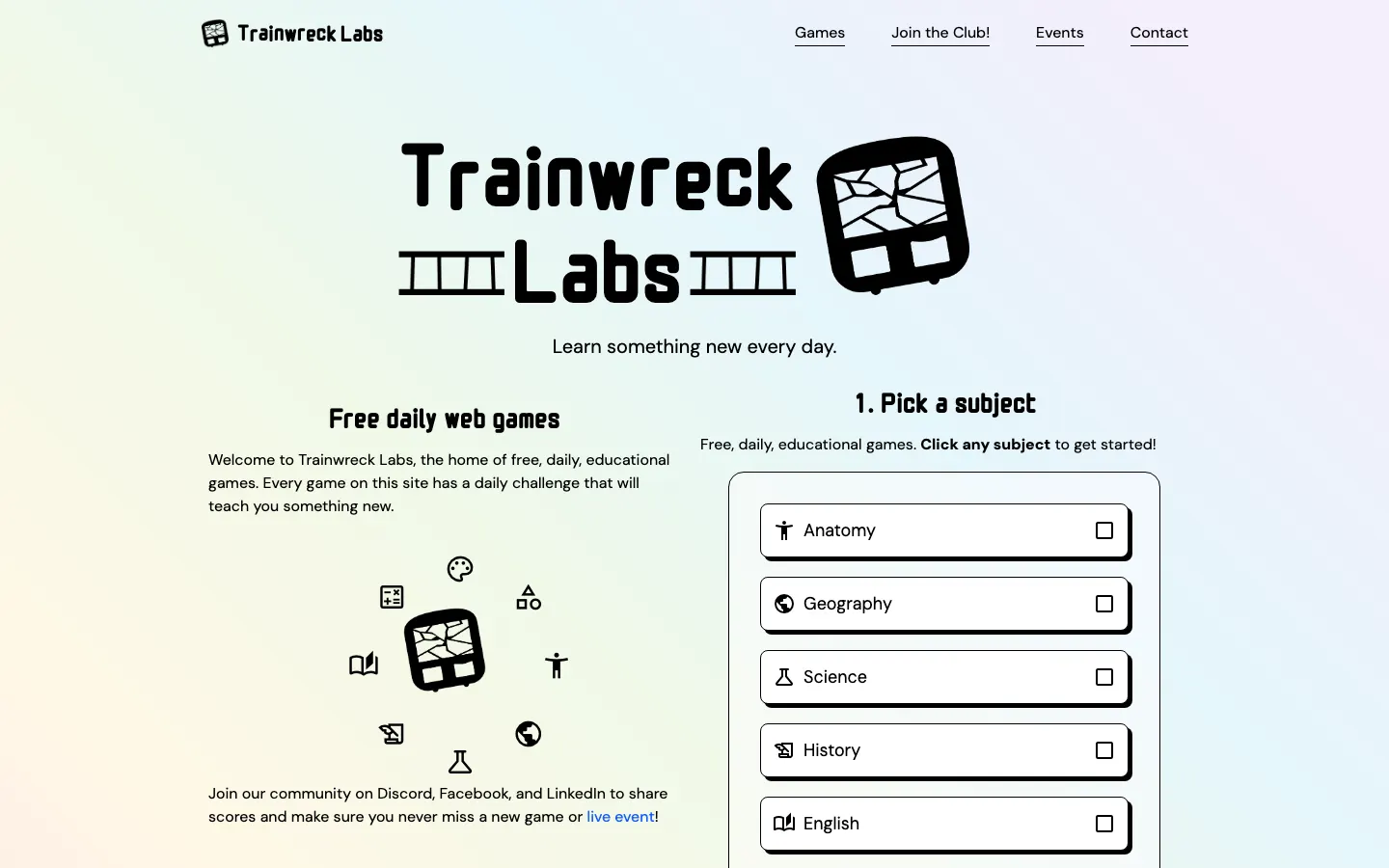
Trainwreck Labs
A collection of free daily educational web games across anatomy, geography, science, history, English, and math, each built around a new challenge. It is listed under Games and Science for ages 8–16. Children and families can use it through a website.
Compare with context
Use this collection to find a direction, then open each resource page before sharing it with a child. The individual review shows languages, access formats, tags, age guidance, source links, and notes for grown-ups.
Search the full directory →