Government education Science
for kids
Explore 15 trusted government education science resources selected for curious kids, with clear ages, access details, and parent context.
Two useful ways to narrow the directory
This page brings together government education resources that also match science. Each listing keeps its own age range, platform details, languages, links, and parent notes, so you can compare options without losing context.
Explore all government education resources →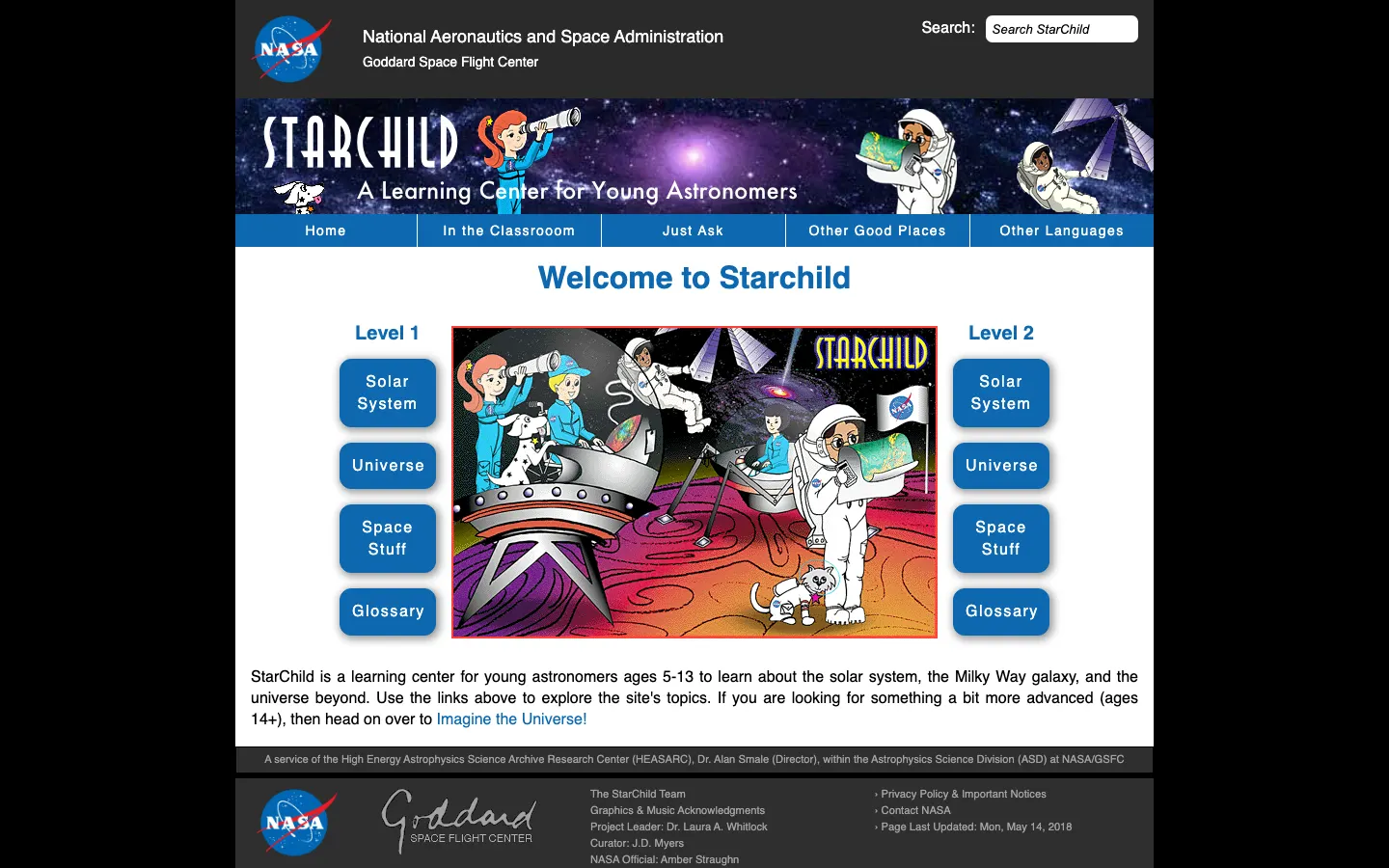
NASA StarChild
NASA StarChild is a learning center for young astronomers with levelled pages about the solar system, the universe, space science, and an astronomy glossary. It is listed under Space and Science for ages 5–13.
Read the full resource review →More government education picks
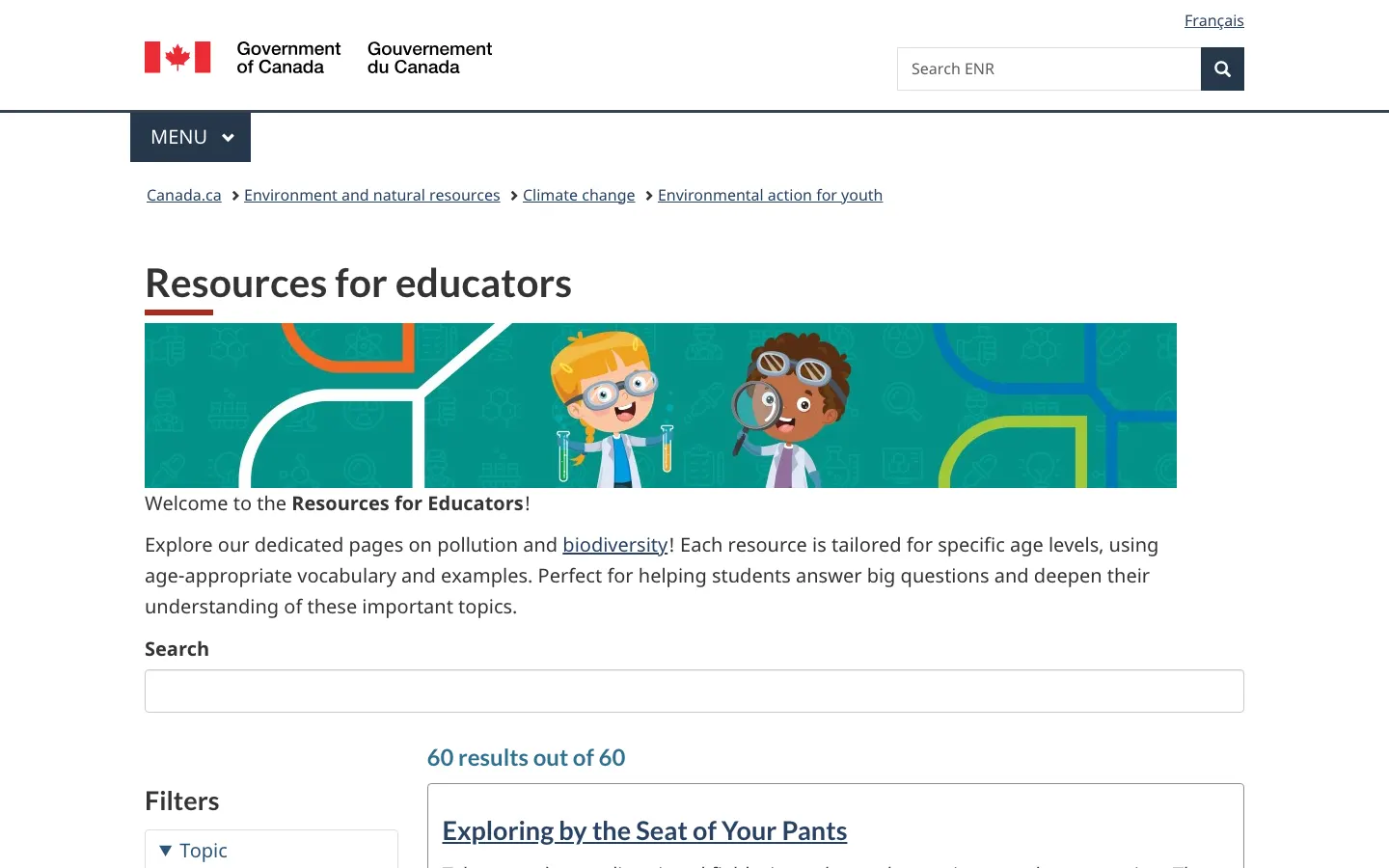
Canada Climate Resources for Educators
The Government of Canada’s climate-change resource collection helps educators and families explore climate science, impacts, adaptation, and action through official activities and teaching materials. It is listed under Science and Nature & environment for ages K–12; resource-specific.
NASA ASTRO CAMP Community Partners Program
NASA’s community-partner program connects youth with hands-on NASA science activities in astrophysics, Earth science, planetary science, robotics, and related STEM topics. It is listed under Space and Science for ages Youth; partner-specific. Children and families can use it through a website.
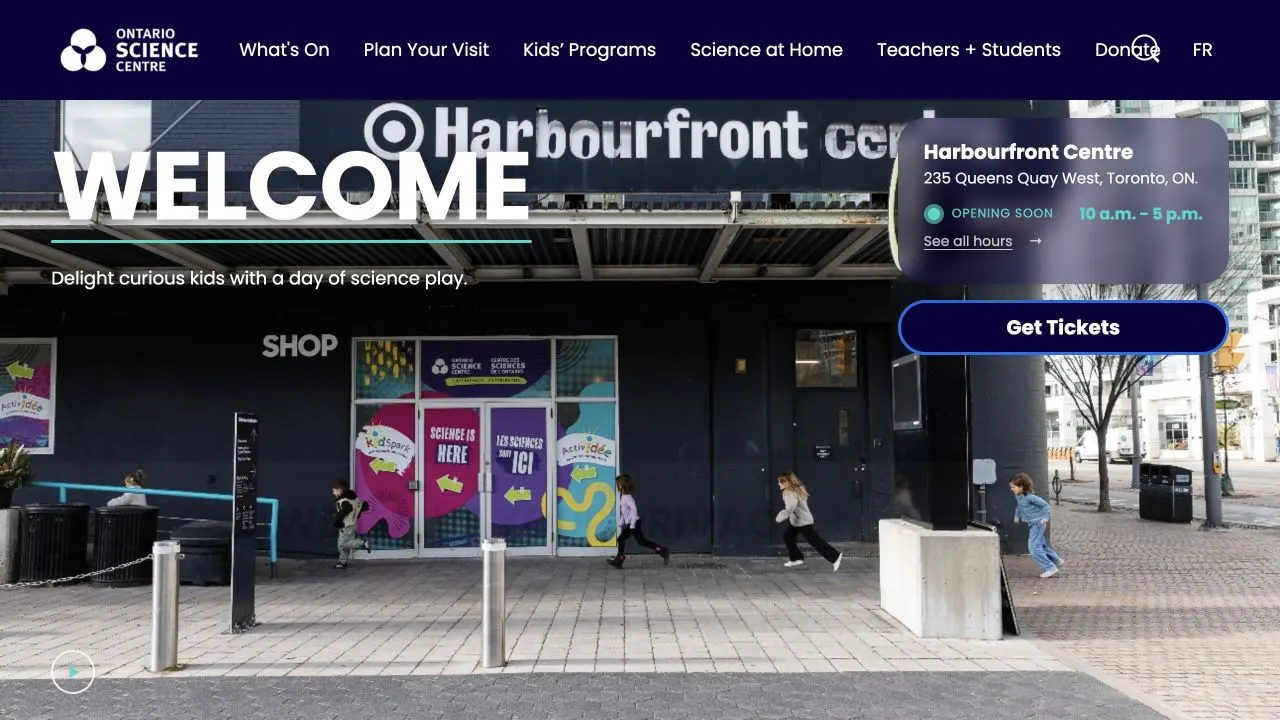
Ontario Science Centre
A government science-centre program with hands-on science play, kids’ programs, maker activities, pop-up events, and do-it-yourself science resources during its transition to a new home. It is listed under Science and Technology for ages 5–12+.
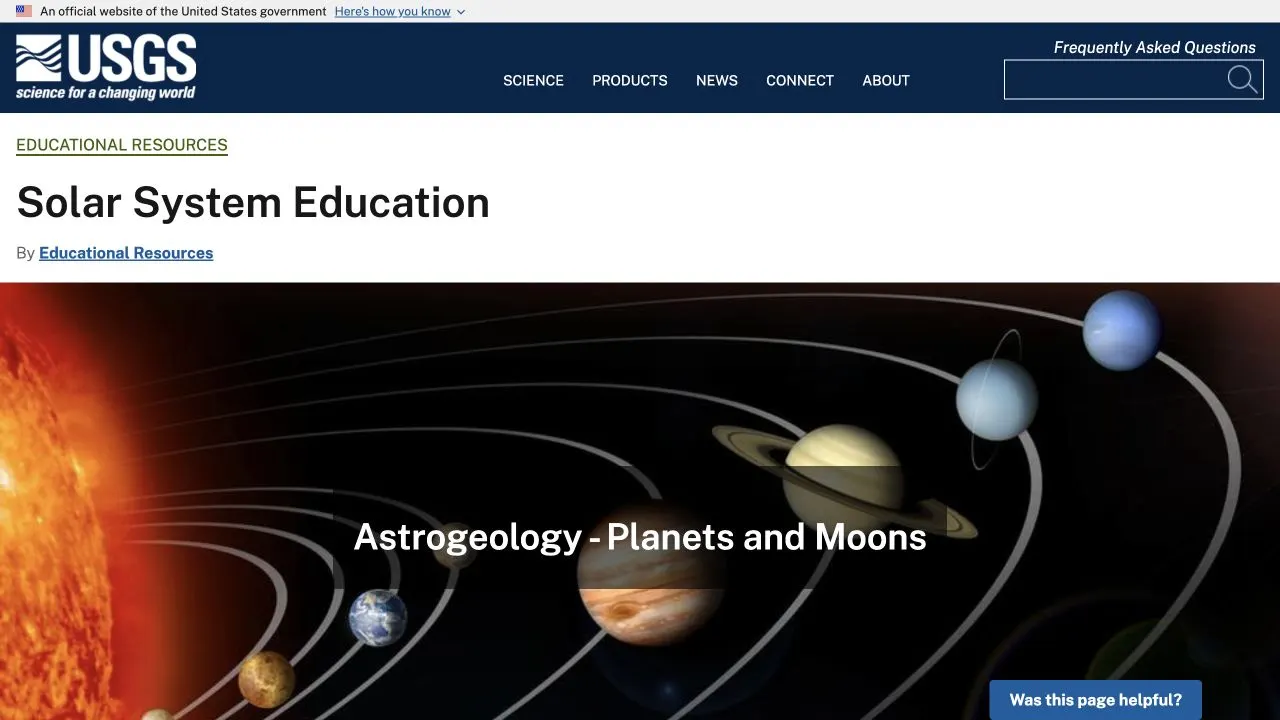
USGS Solar System Education
The U.S. Geological Survey solar-system education page connects elementary classroom lesson plans with planetary geology, lunar resources, Astrogeology, and additional official Earth-and-space materials. It is listed under Space and Science for ages 6–14. Children and families can use it through a website.
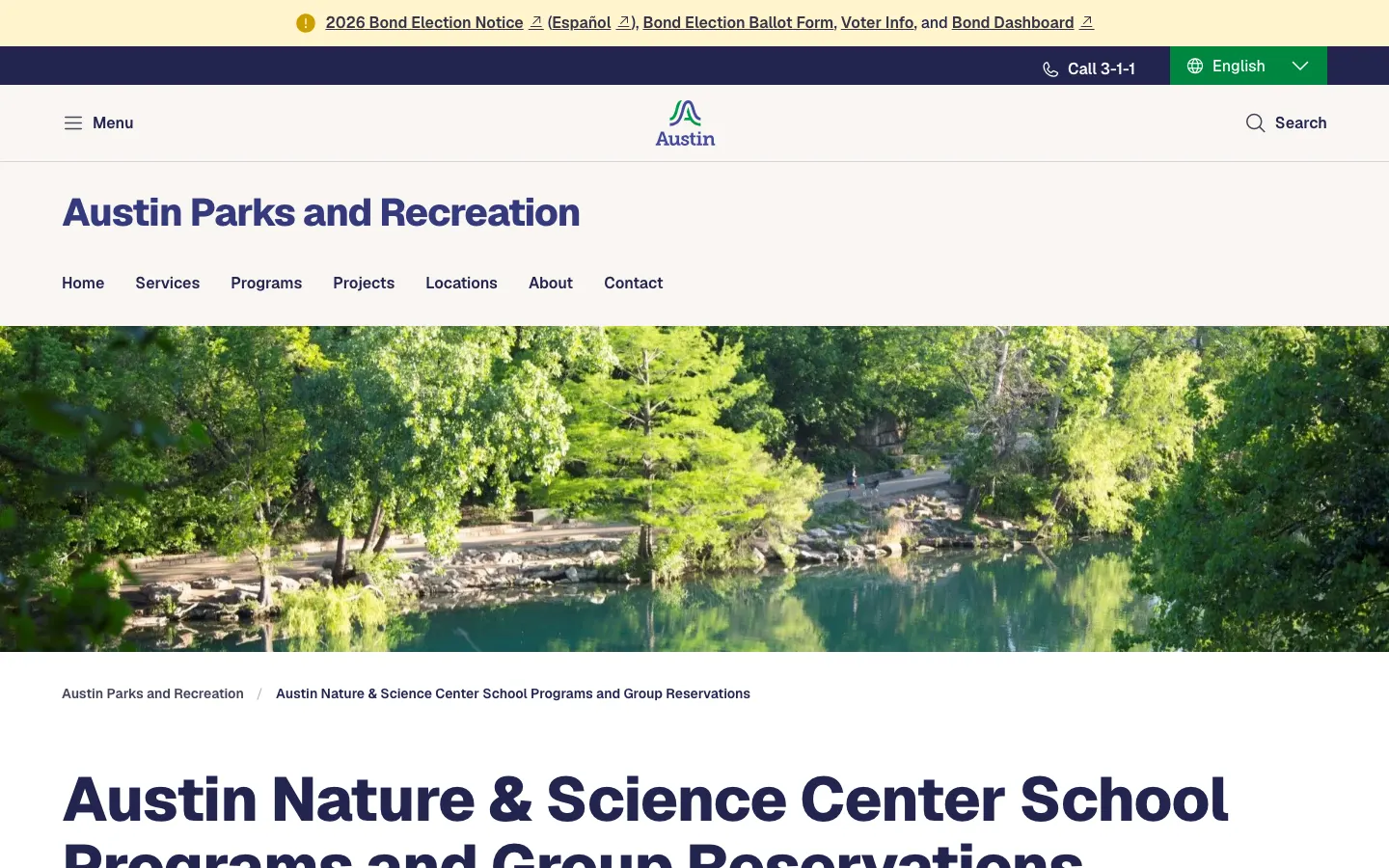
Austin Nature & Science Center School Programs
Austin Nature & Science Center school programs use live animals, outdoor exploration, classroom activities, and an inflatable planetarium to teach nature and science. It is listed under Science and Nature & environment for ages Pre-K–16; program-specific.
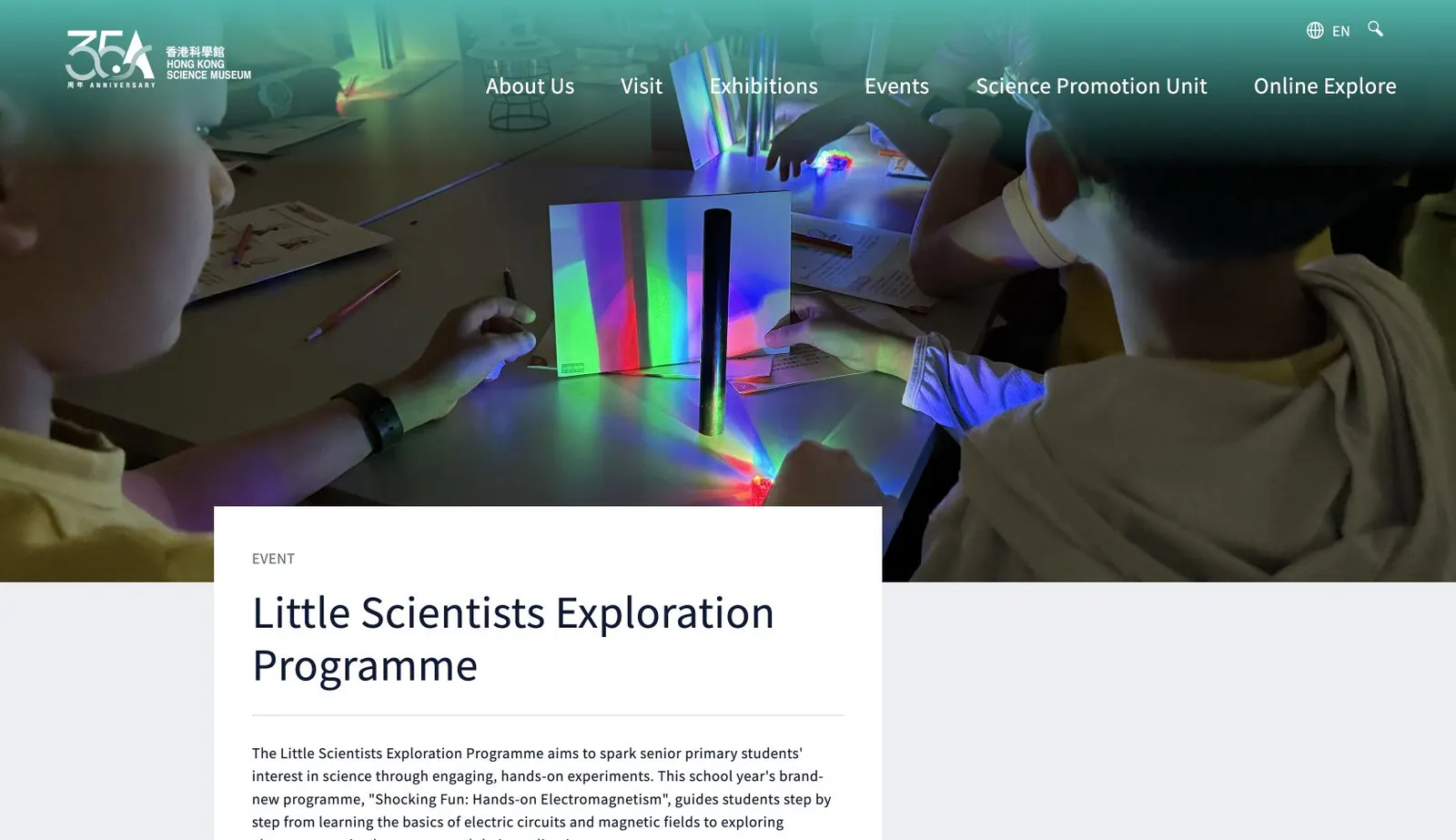
Hong Kong Science Museum Little Scientists Exploration Programme
The Hong Kong Science Museum’s Little Scientists Exploration Programme uses hands-on experiments to introduce senior primary students to science topics such as electromagnetism. It is listed under Science and Museums for ages P4–P6. Children and families can use it through a website.
NC Culture Kids Videos
North Carolina’s Department of Natural and Cultural Resources produces a children-and-family YouTube collection about state parks, wetlands, wildflowers, wildlife, ecosystems, museums, and natural history. It is listed under Nature & environment and Science for ages 5–14.
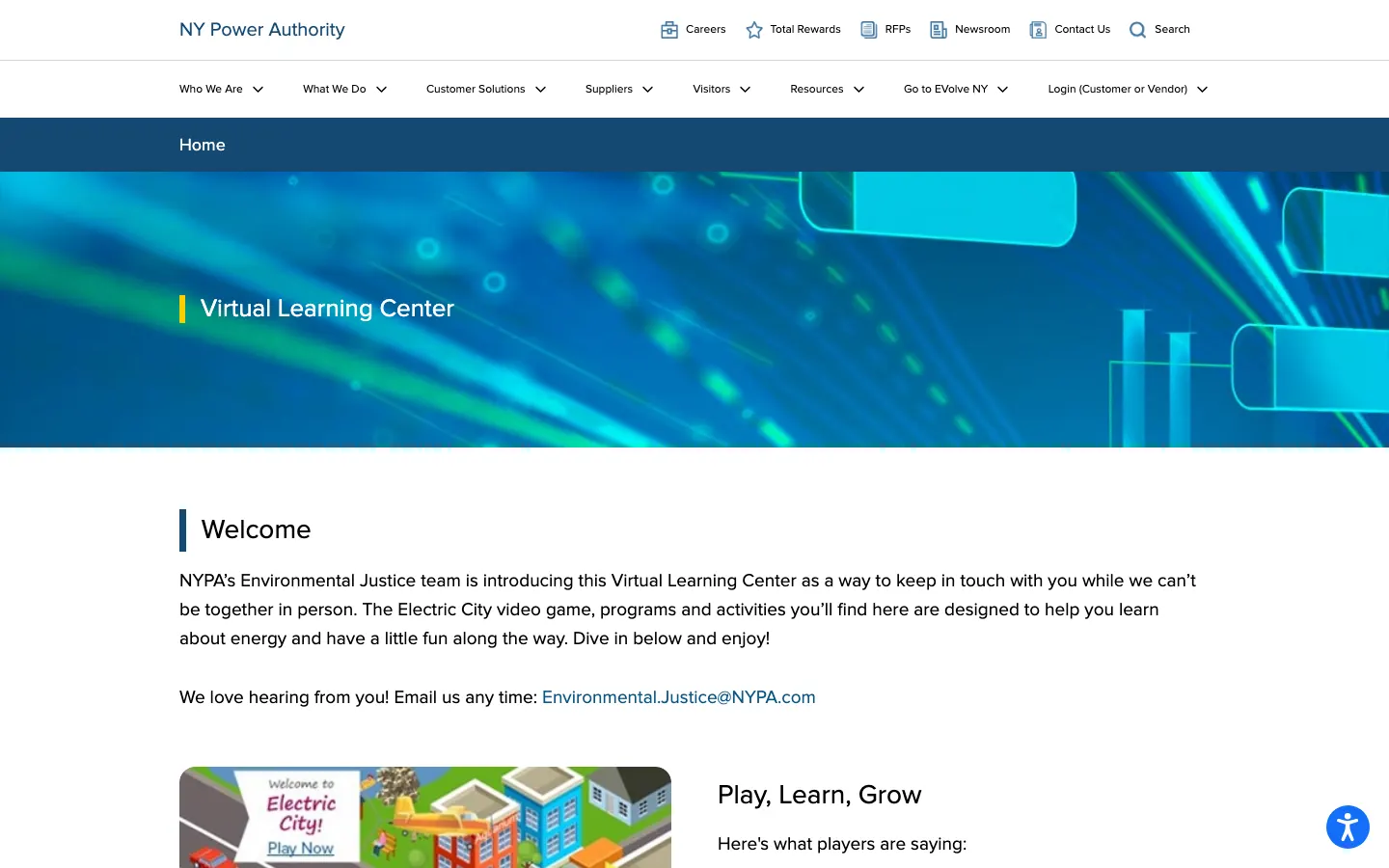
Electric City
Electric City is a free browser game and activity experience from the New York Power Authority that teaches children about energy while they explore an interactive virtual environment. It is listed under Science and Nature & environment for ages Children; exact age not stated.
U.S. Botanic Garden Field Trip Experiences
The U.S. Botanic Garden offers free self-guided, instructor-led, and virtual field trips from Pre-K through high school, with plant-science lessons aligned to Next Generation Science Standards. It is listed under Nature & environment and Science for ages 4–18.
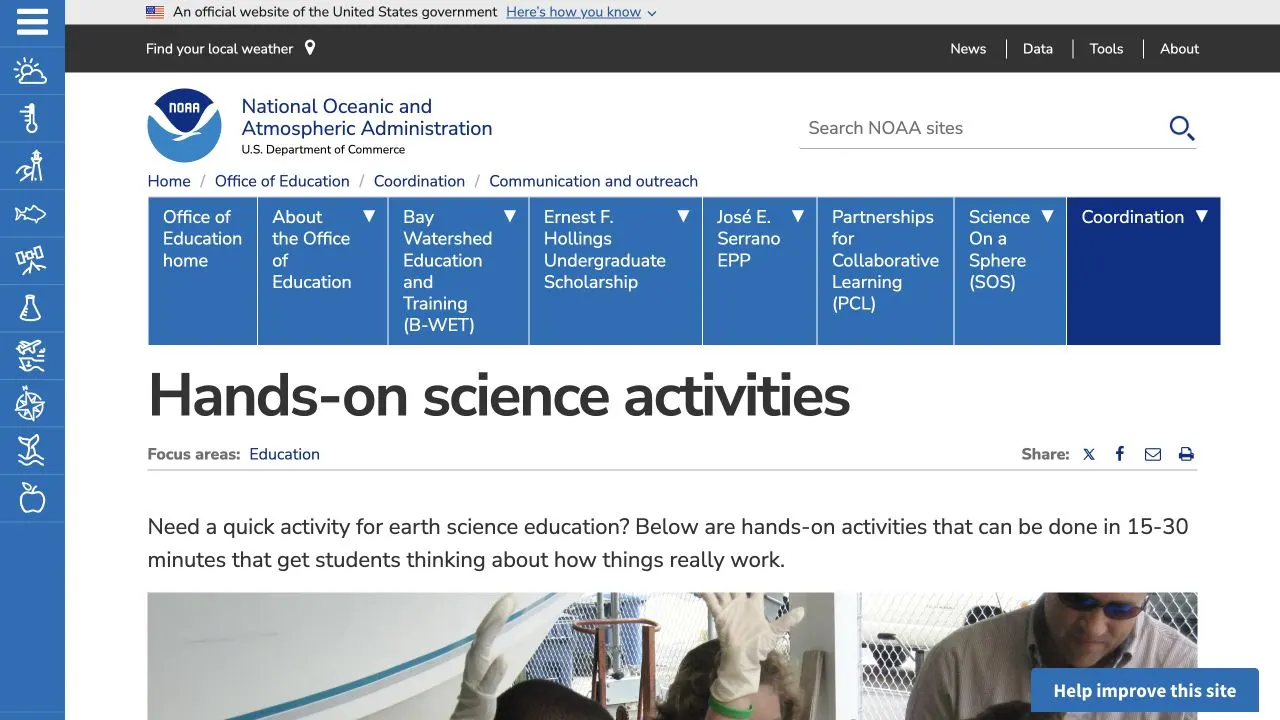
NOAA Hands-on Science Activities
NOAA’s hands-on science collection provides short earth, ocean, weather, and technology activities, including buoyancy, clouds, sea foam, marine-mammal insulation, ocean motion, plate tectonics, and tornado models. It is listed under Science and Nature for ages 8–14.
PBS Science U
PBS Science U is a youth science-literacy program from WPSU and Penn State that aims to educate and inspire young people through scientific knowledge and critical thinking. It is listed under Science and Nature & environment for ages 8–18.
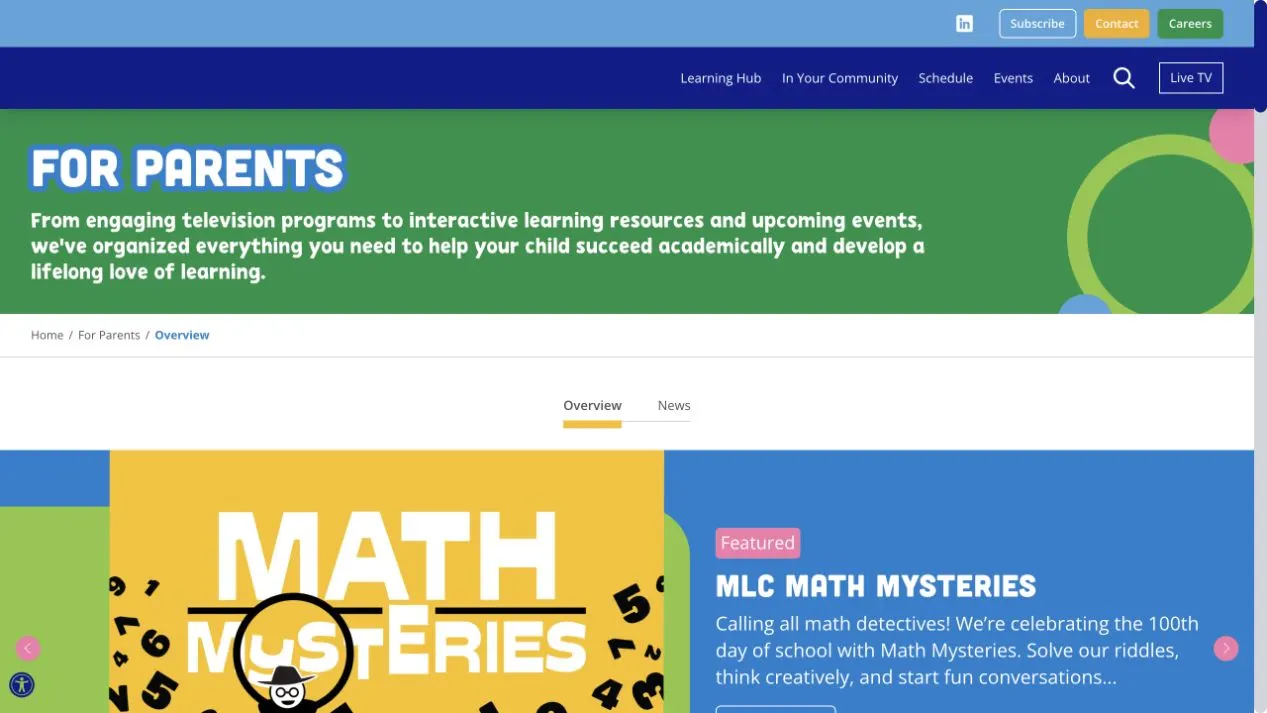
Michigan Learning Channel
Michigan Learning Channel provides on-demand educational programs, family learning resources, literacy and math shows, DIY science videos, and selected Spanish and Arabic content through its website and YouTube channel. It is listed under Parent & educator and Reading for ages 3–12.
Compare with context
Use this collection to find a direction, then open each resource page before sharing it with a child. The individual review shows languages, access formats, tags, age guidance, source links, and notes for grown-ups.
Search the full directory →