Games Puzzles
for kids
Explore 20 trusted games puzzles resources selected for curious kids, with clear ages, access details, and parent context.
Two useful ways to narrow the directory
This page brings together games resources that also match puzzles. Each listing keeps its own age range, platform details, languages, links, and parent notes, so you can compare options without losing context.
Explore all games resources →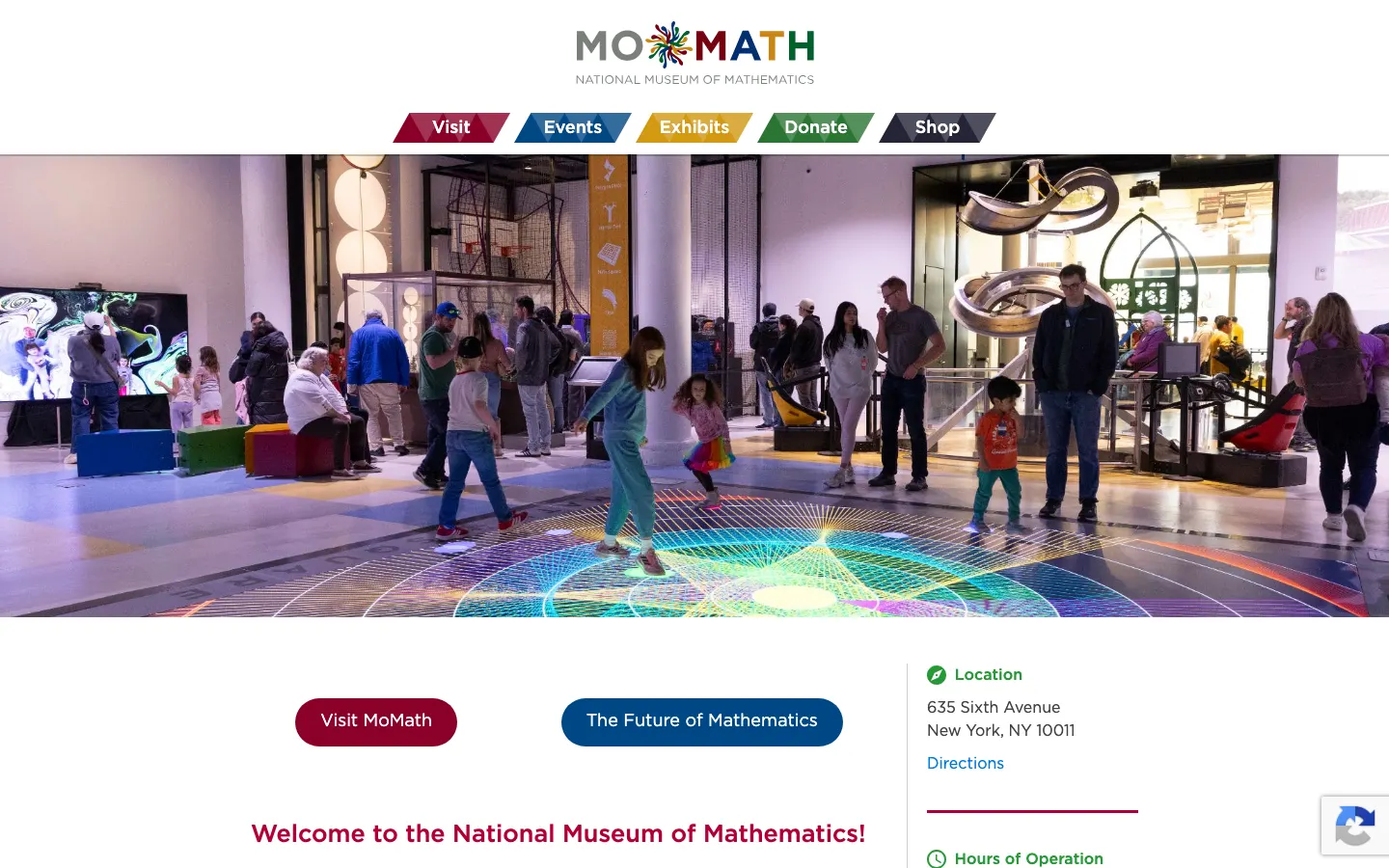
National Museum of Mathematics
The National Museum of Mathematics makes mathematics tangible through interactive exhibits, puzzles, games, programs, and family exploration. It is listed under Maths & logic and Games for ages 4–18. Children and families can use it through a website.
Read the full resource review →More games picks
DragonBox
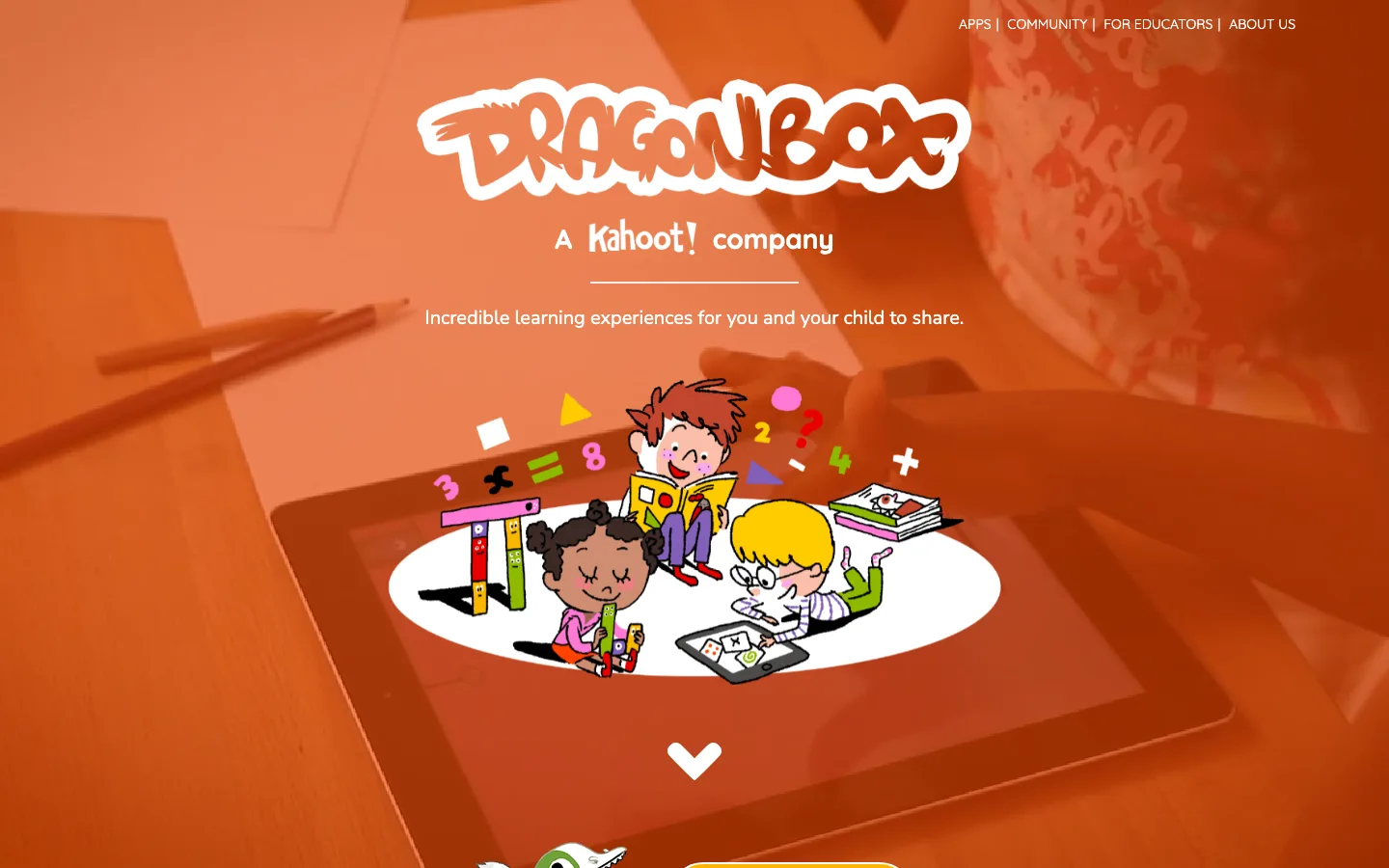
A child-focused learning game publisher whose math and literacy games use playful worlds, puzzles, and interactive challenges to build foundational skills. It is listed under Math & logic and Games for ages 5–12; product ages vary.
Math in a Box
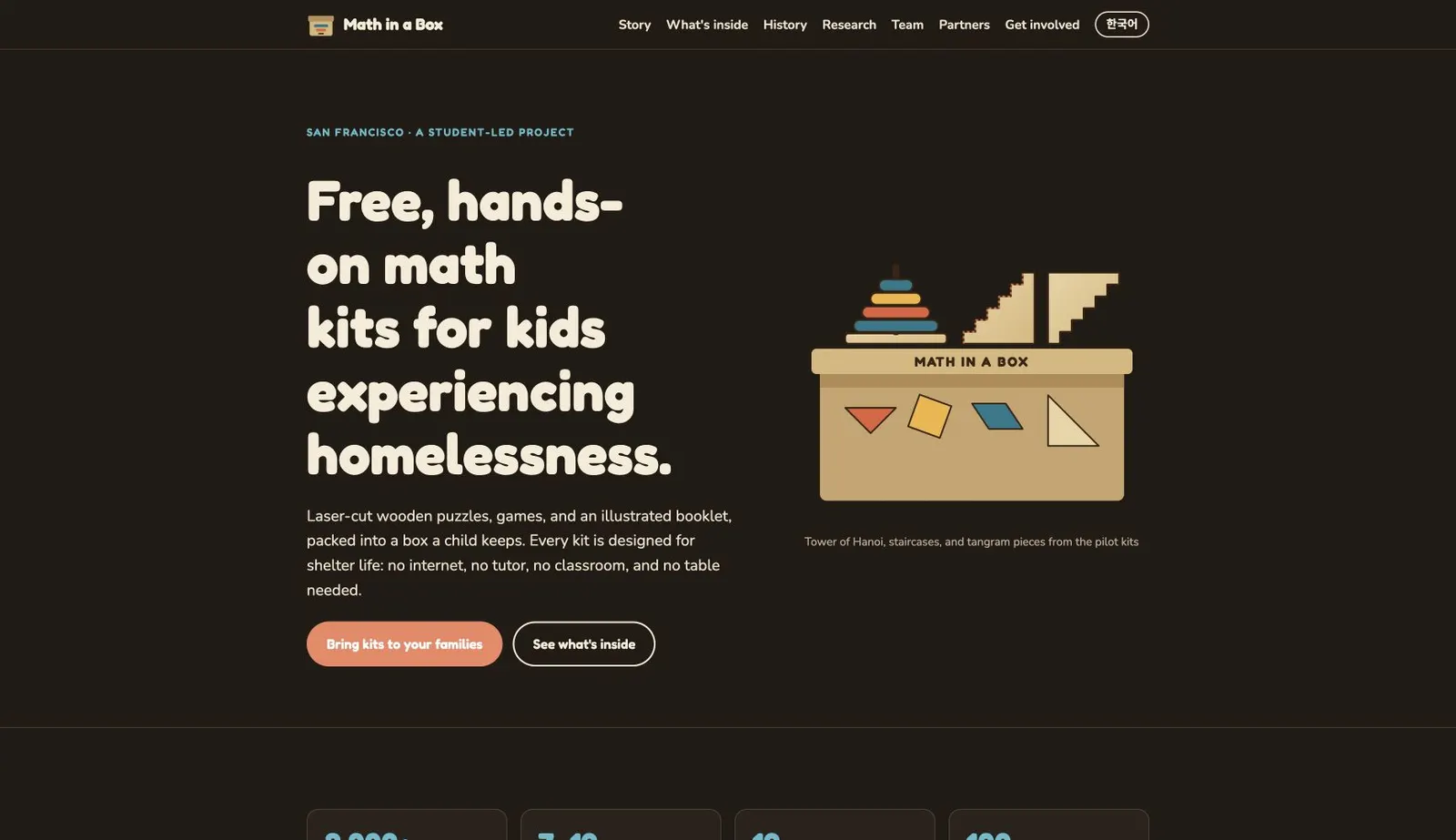
Math in a Box is a student-led nonprofit project creating screen-free hands-on puzzle kits for children experiencing homelessness, with math explanations designed to be read independently. It is listed under Maths & logic and Games for ages 7–12.
Maths Week England
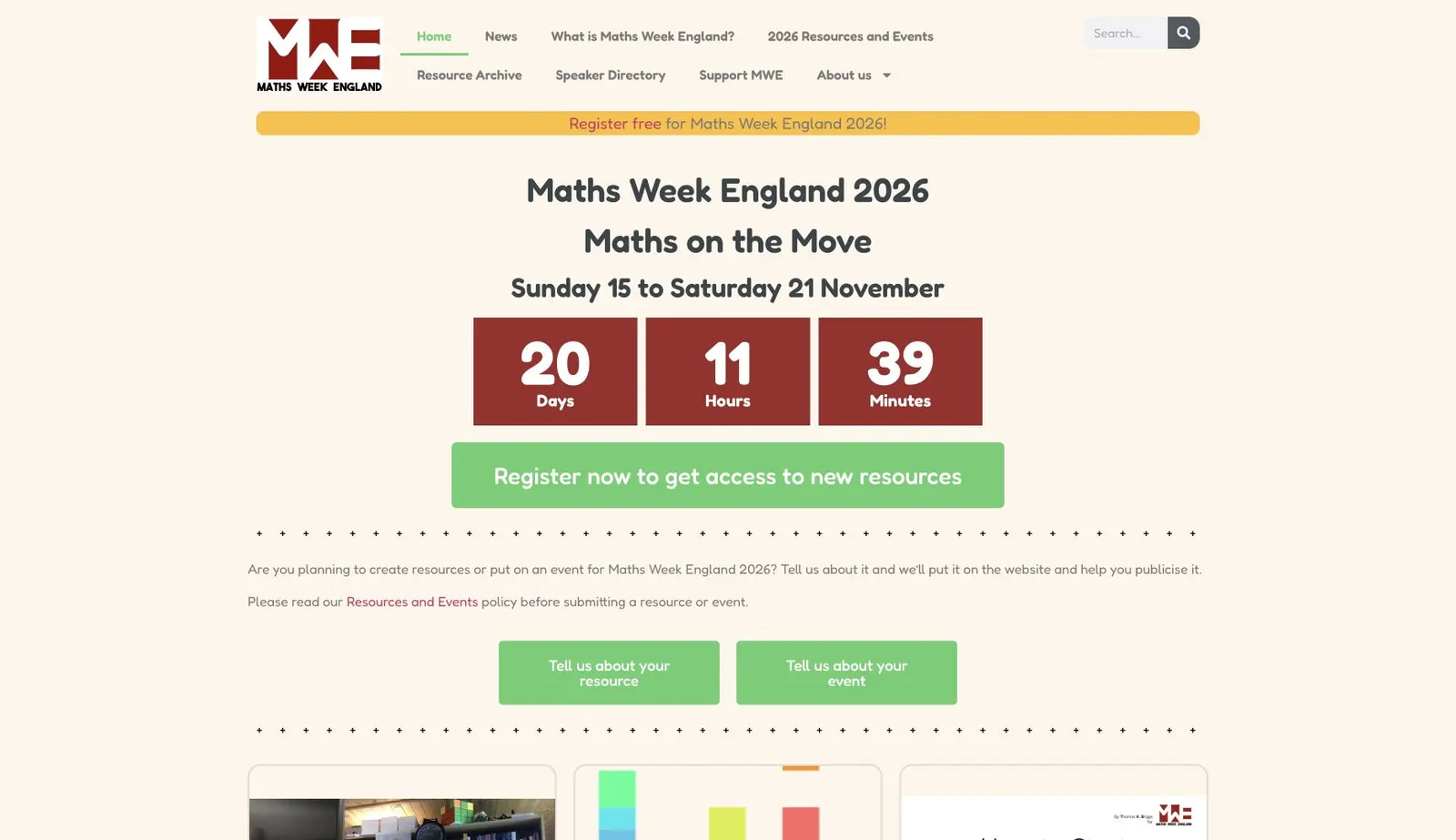
Free maths activities, lesson resources, and events that bring playful problem solving into schools and homes. It is listed under Math, Parent & educator, and Games for ages 5–16. Children and families can use it through a website and downloadable resources.
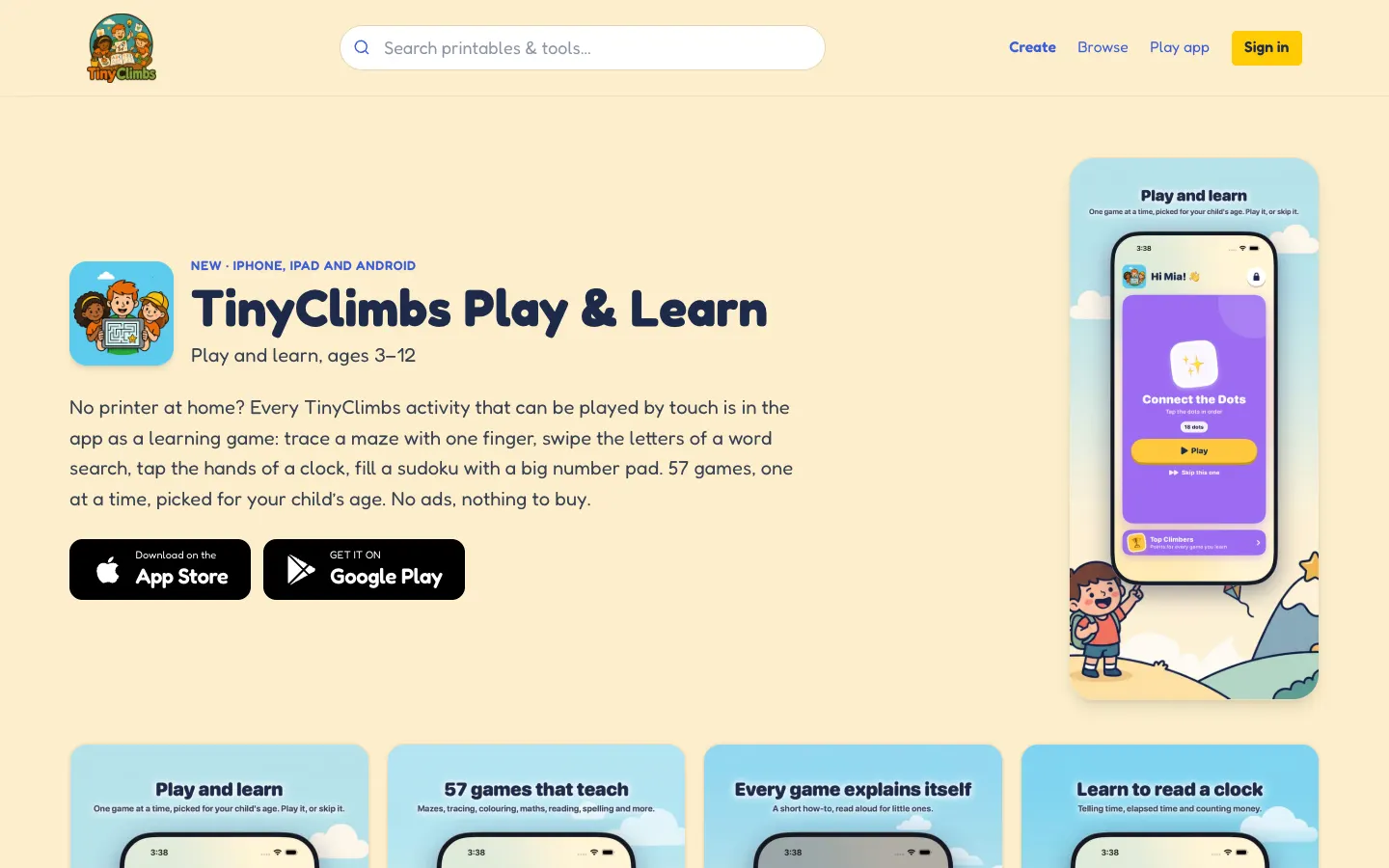
TinyClimbs Play & Learn
TinyClimbs is a collection of age-picked learning games covering numbers, words, puzzles, time, money, tracing, and early school skills. It is listed under Mathematics and Reading for ages 3–12. Children and families can use it through a website.
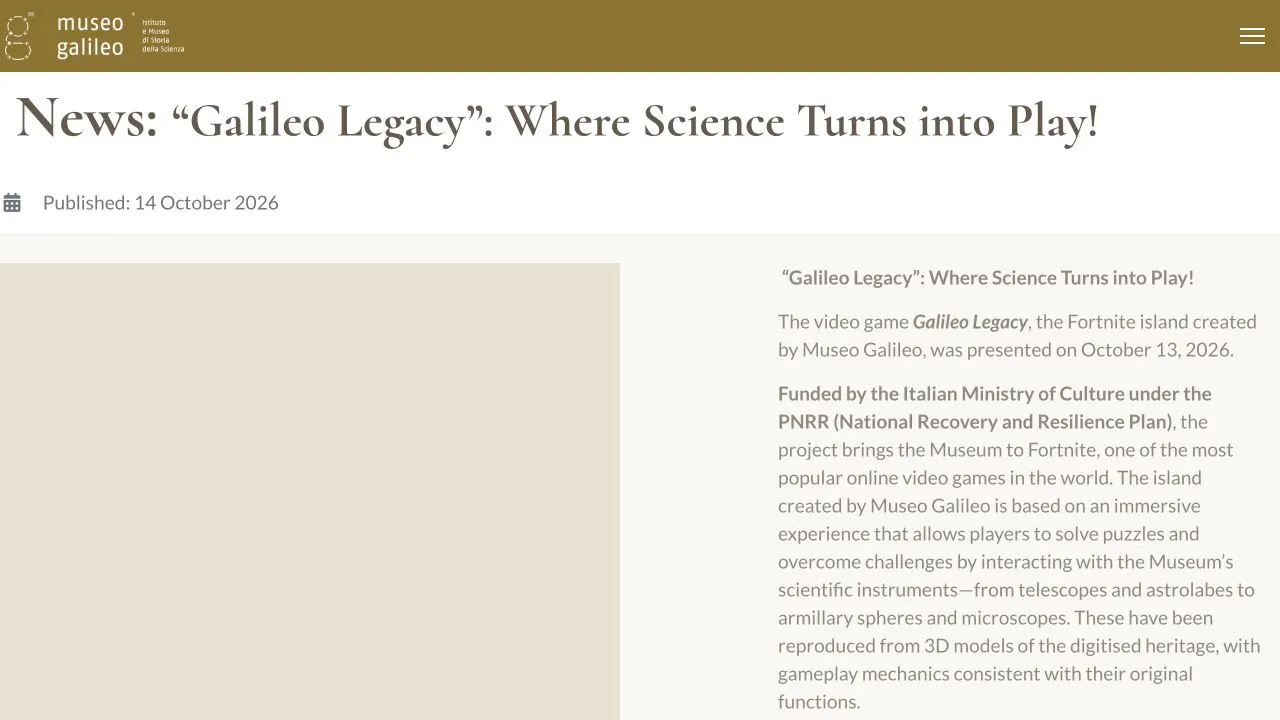
Galileo Legacy: Where Science Turns into Play
Museo Galileo’s Galileo Legacy activity turns the history of science into a playable Fortnite island with puzzles inspired by Galileo’s instruments, plus a teacher guide and museum context. It is listed under Science and History & culture for ages School-age learners; exact range not stated.
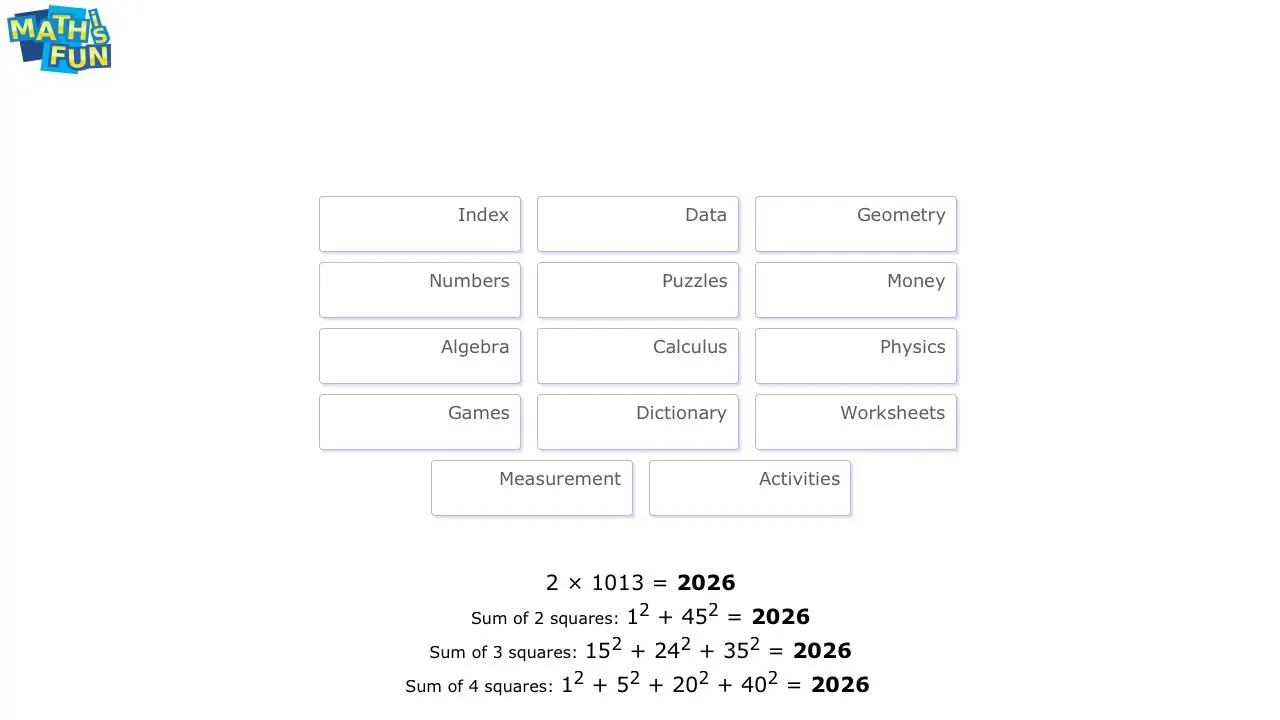
Math Is Fun
A reference and practice site explaining arithmetic, algebra, geometry, data, puzzles, and other mathematics with examples and interactive tools. It is listed under Math, Science, and Games for ages 7–18. Children and families can use it through a website.
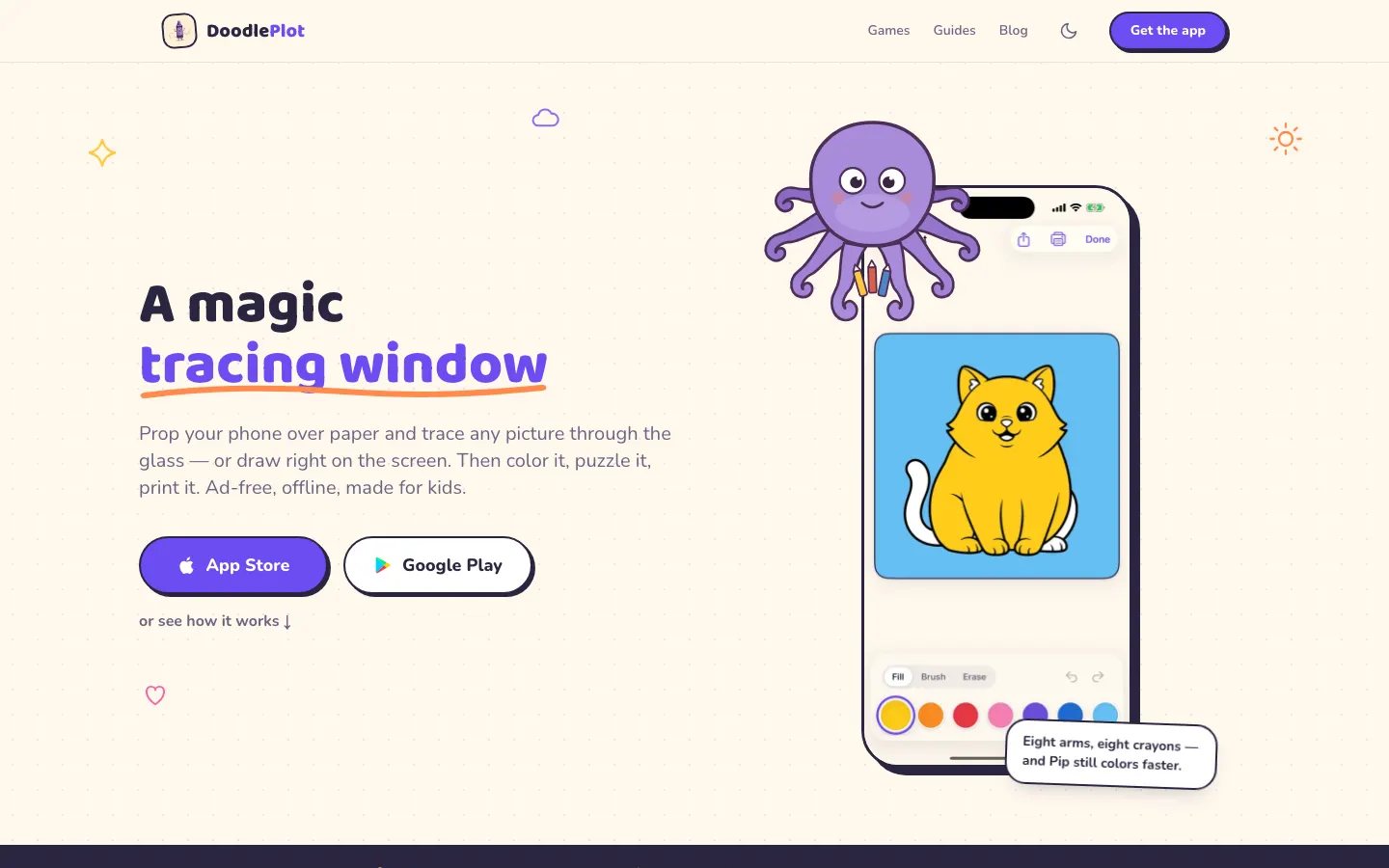
DoodlePlot
A creative drawing app where children trace, draw, color, solve visual puzzles, print activities, and explore guided art packs on mobile devices. It is listed under Art & creativity and Games for ages Children; exact range unknown.
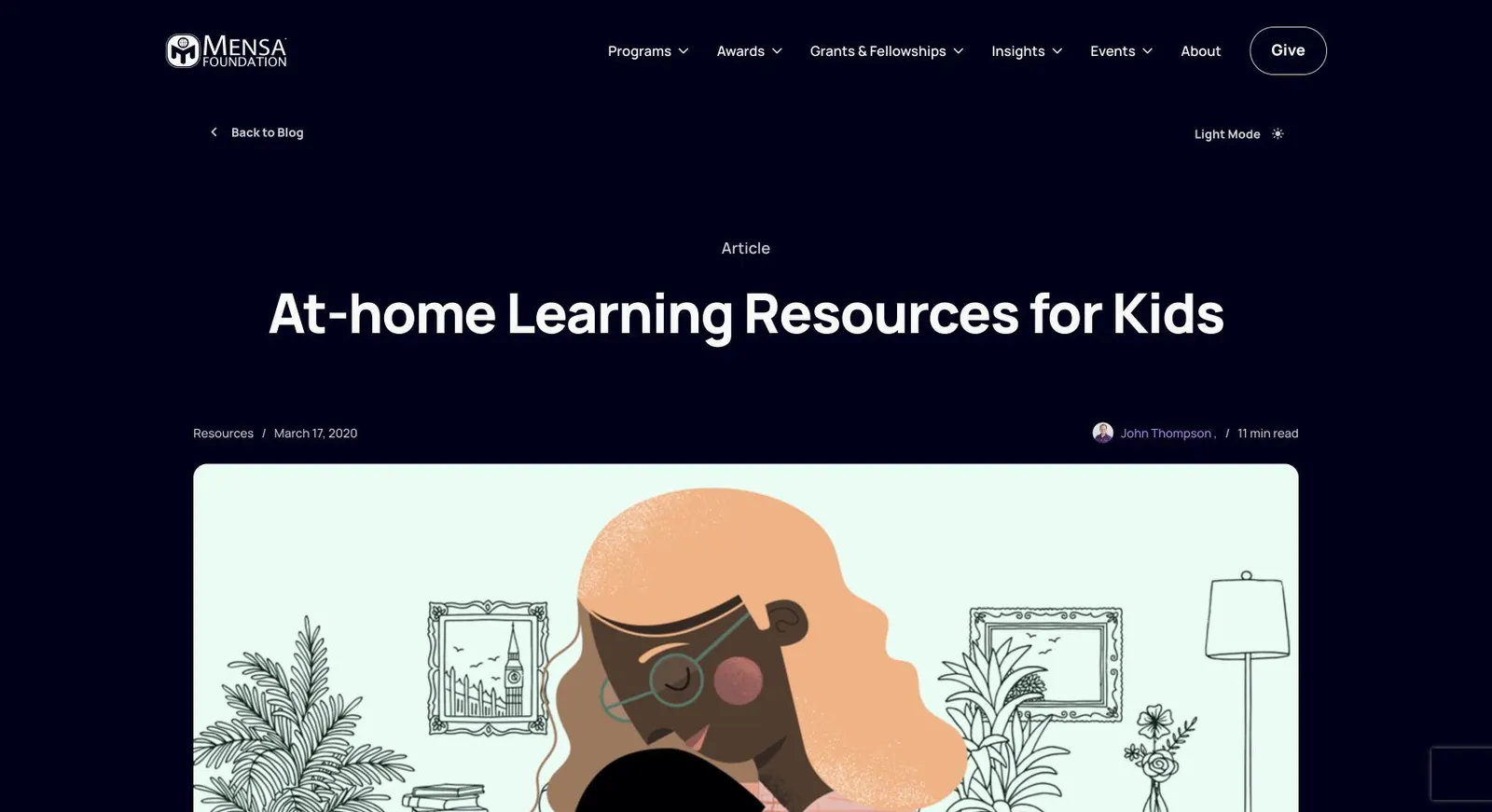
Mensa Foundation At-home Learning Resources for Kids
The Mensa Foundation’s children’s resource page links families to puzzles, learning ideas, and enrichment activities for curious young learners. It is listed under Games and Mathematics for ages 5–14; resource-specific. Children and families can use it through a website.
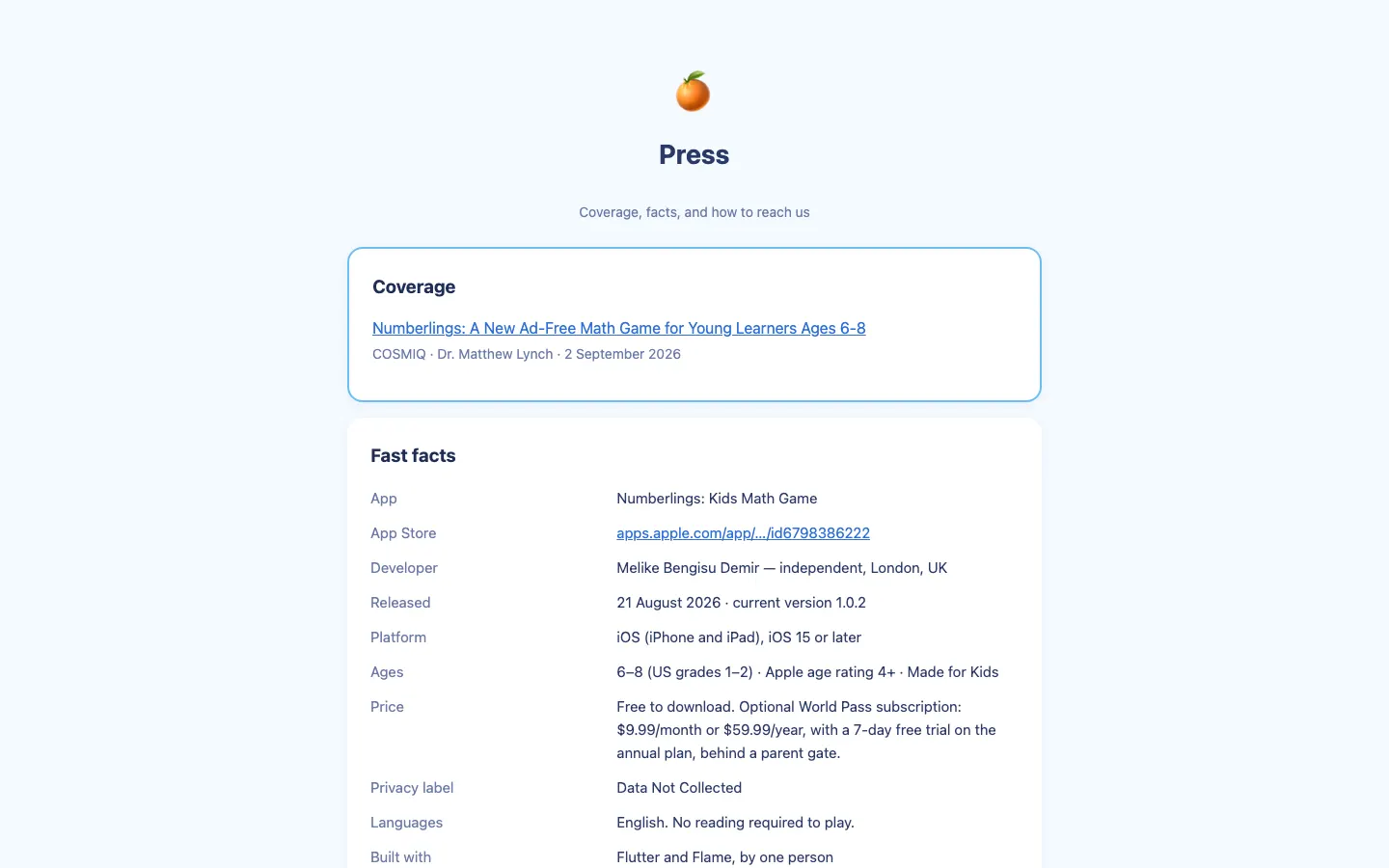
Numberlings
Numberlings is a free, ad-free maths game for children ages 6–8 that uses number puzzles and playful challenges to practise early numeracy on iOS. It is listed under Mathematics and Games for ages 6–8.
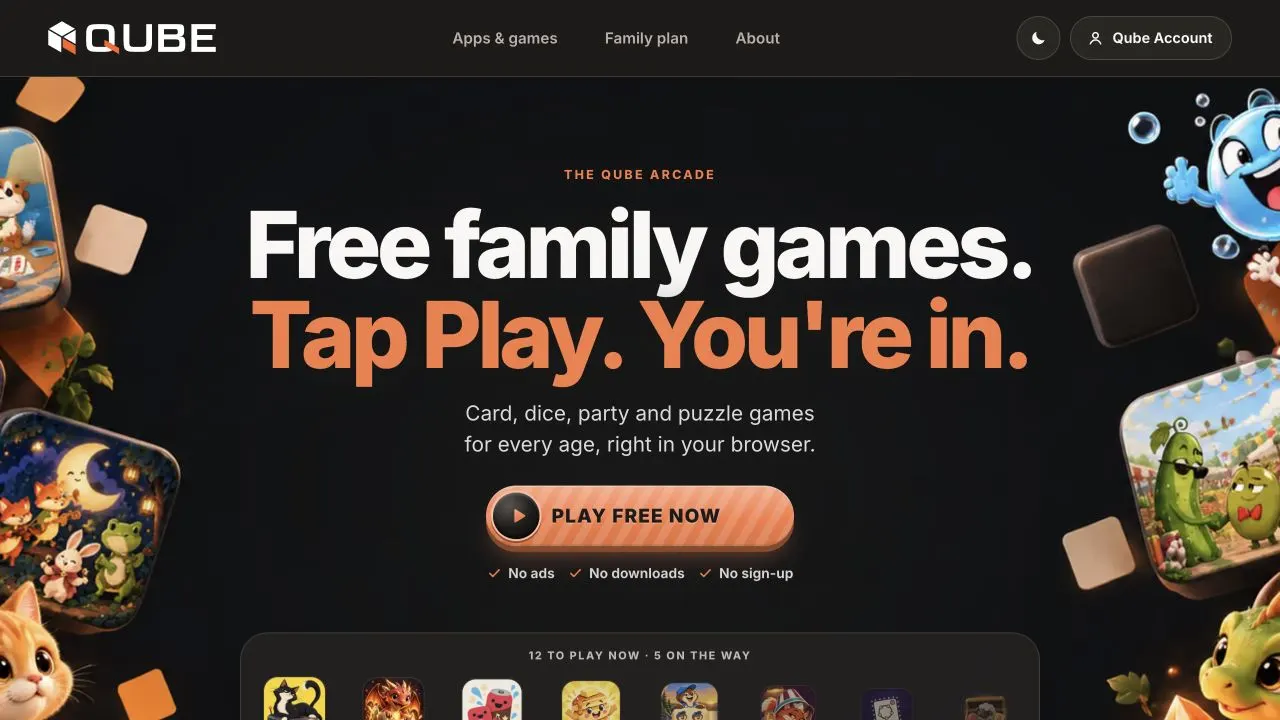
Qube Arcade
Qube Arcade is a free browser collection of family games designed to work without ads, downloads, or sign-up, with 17 playable games on the official landing page. It is listed under Games and Family learning for ages Family audience; exact range not stated.
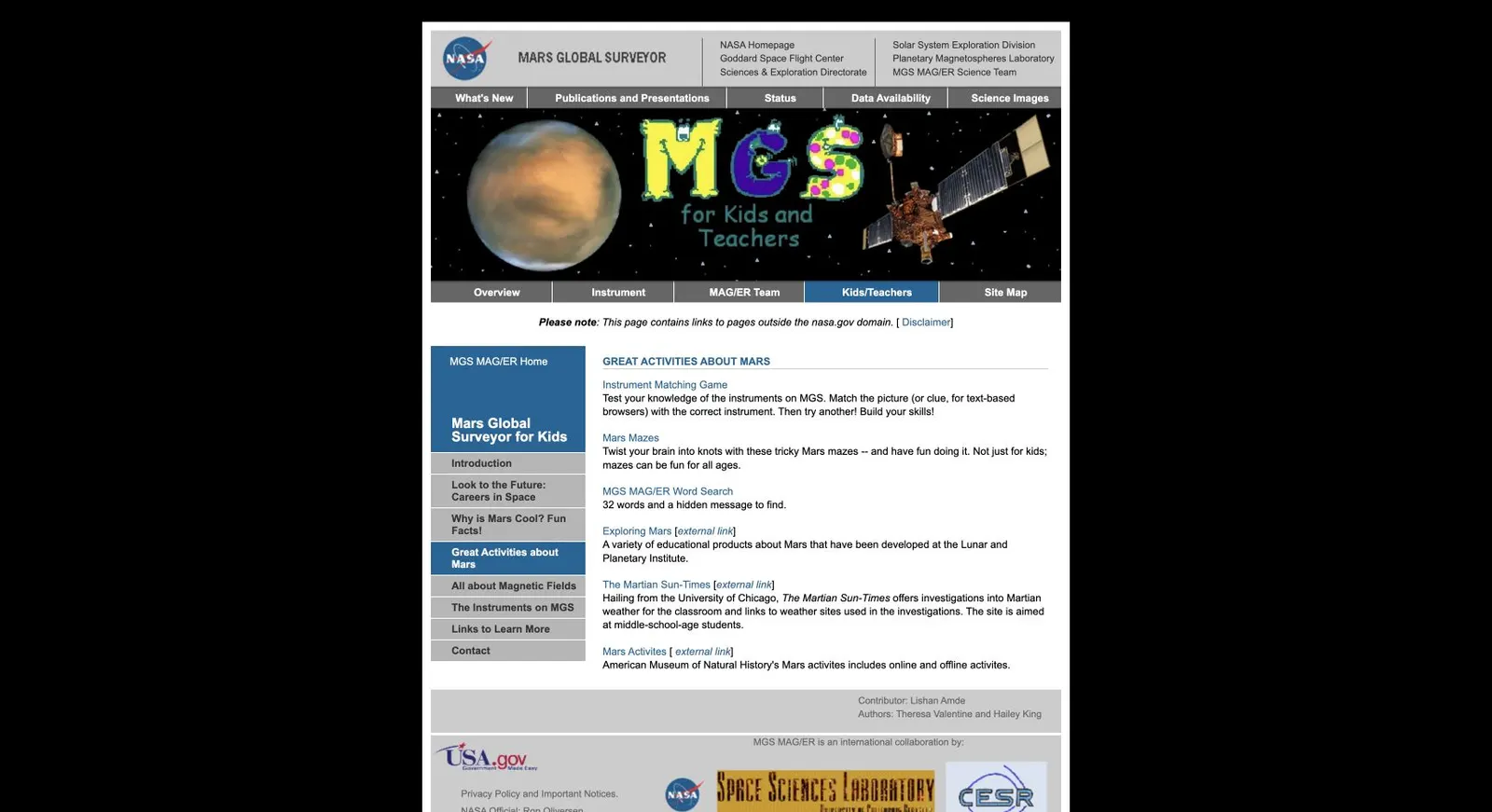
Mars Global Surveyor for Kids: Mars Activities
NASA’s Mars Global Surveyor for Kids page offers instrument-matching games, Mars mazes, and a Mars-themed word search, plus links to additional Mars learning activities. It is listed under Science and Space for ages 8–14.
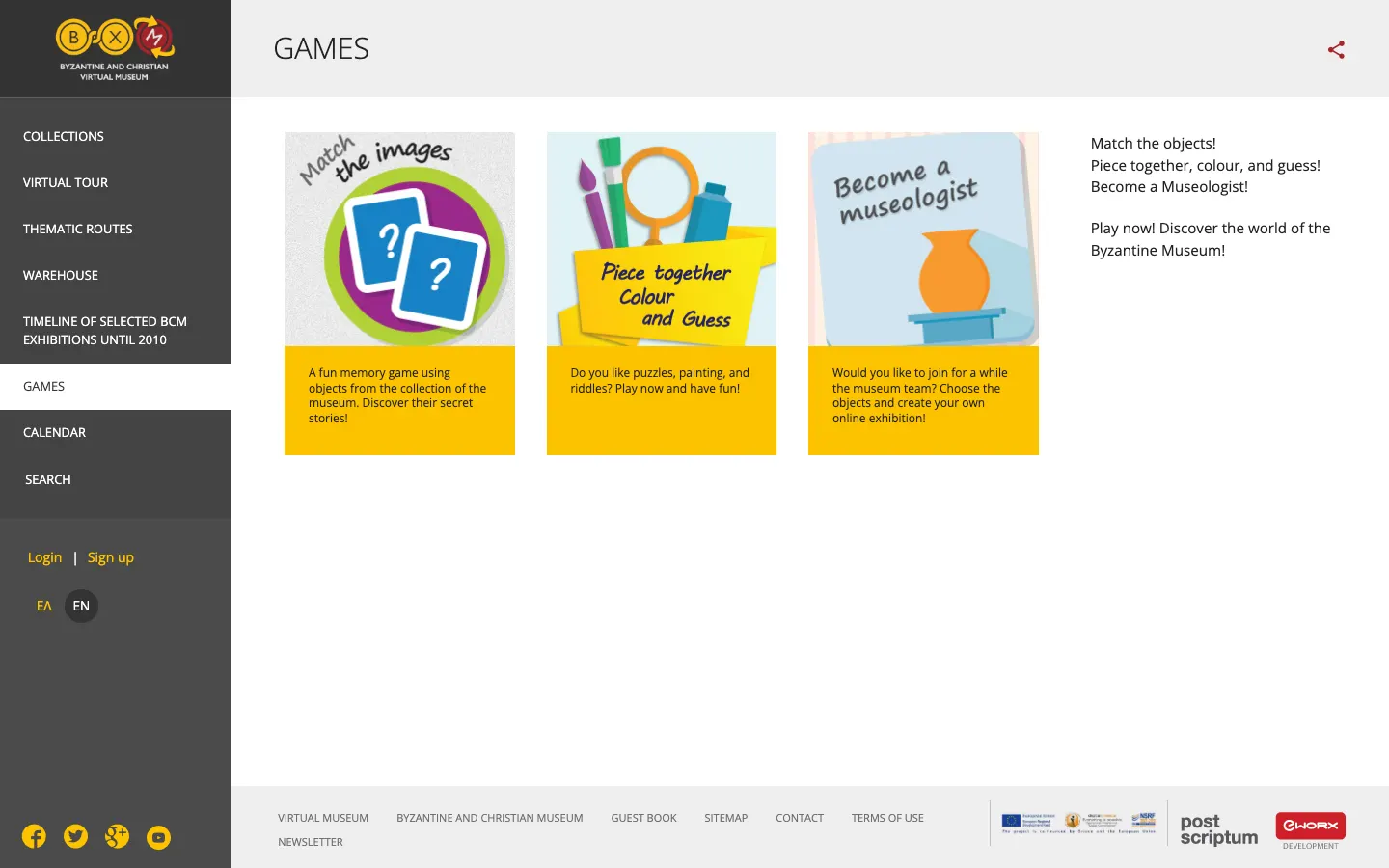
Byzantine and Christian Museum Games
The Byzantine and Christian Museum’s games introduce children to its collection through memory matching, puzzles, coloring, riddles, and a curator activity for building an online exhibition. It is listed under History & culture and Art & creativity for ages 6–14.
Compare with context
Use this collection to find a direction, then open each resource page before sharing it with a child. The individual review shows languages, access formats, tags, age guidance, source links, and notes for grown-ups.
Search the full directory →