Games & interactives Game
for kids
Explore 19 trusted games & interactives game resources selected for curious kids, with clear ages, access details, and parent context.
Two useful ways to narrow the directory
This page brings together games & interactives resources that also match game. Each listing keeps its own age range, platform details, languages, links, and parent notes, so you can compare options without losing context.
Explore all games & interactives resources →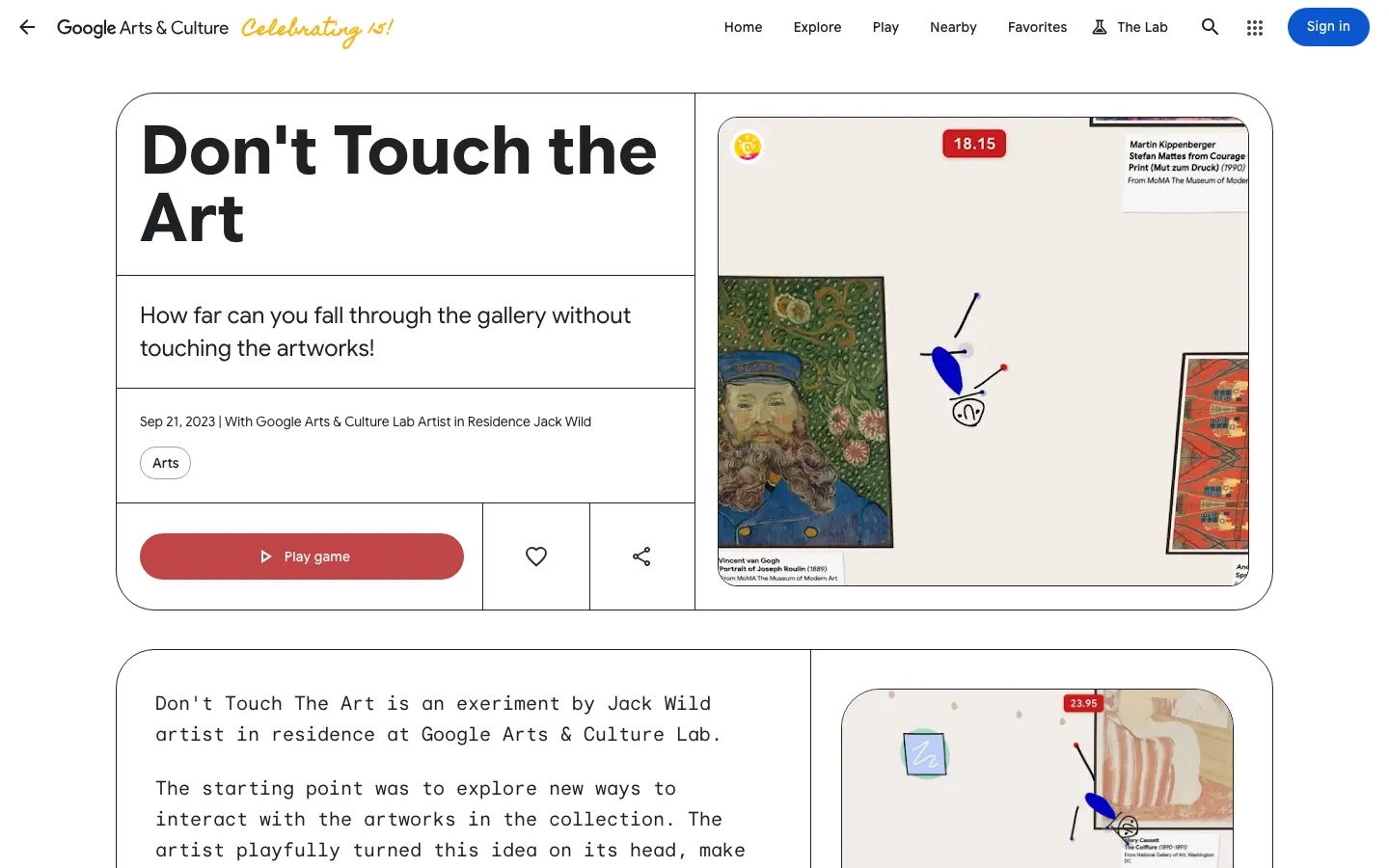
Don’t Touch the Art
A movement-based Google Arts & Culture game that turns a gallery into a playful challenge, asking children and families to move through the space without touching the art. It is listed under Arts and Games & interactives for ages Families; activity-specific.
Read the full resource review →More games & interactives picks
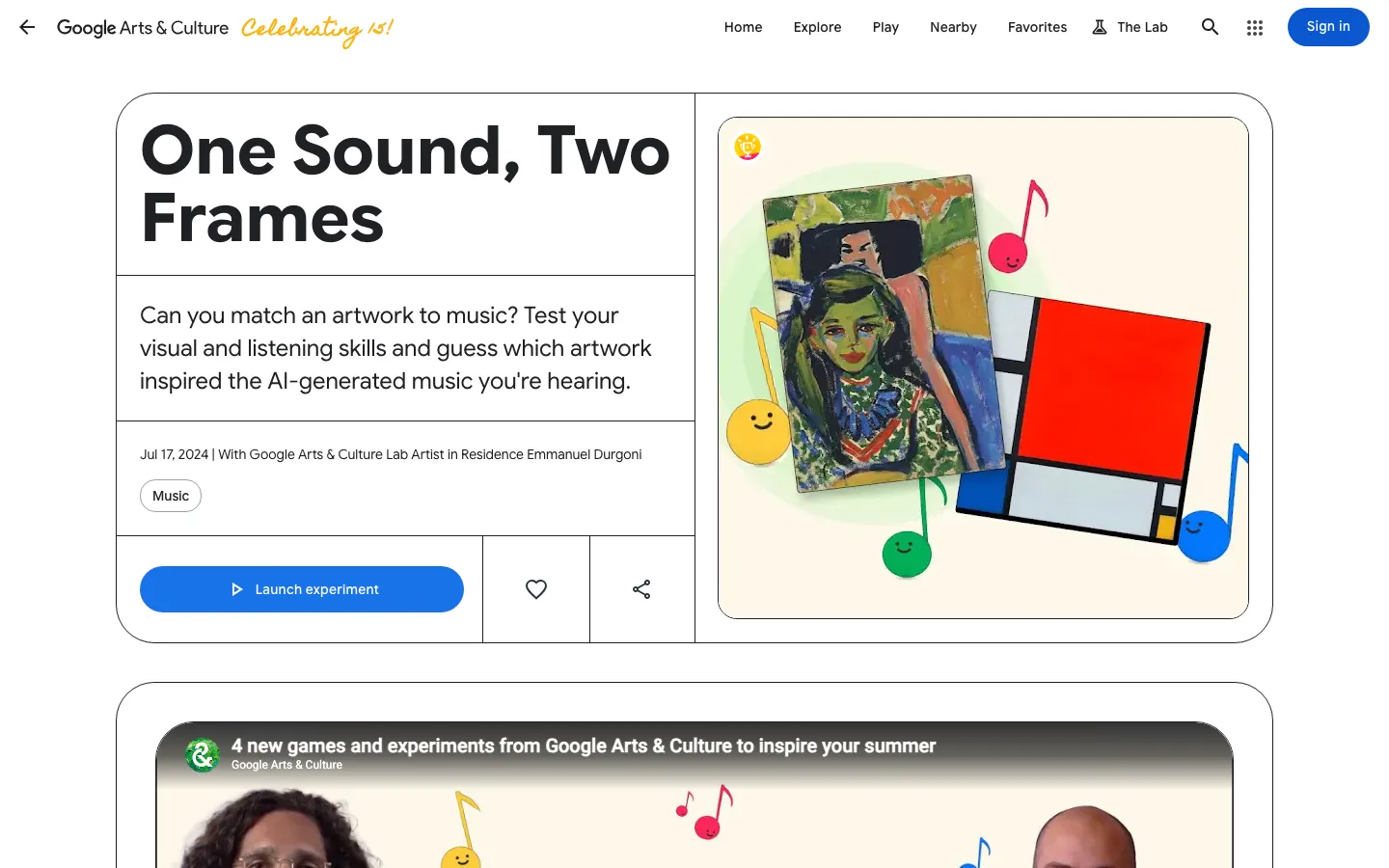
One Sound, Two Frames
An interactive Google Arts & Culture experiment that asks players to match music with artworks, encouraging careful listening, visual comparison, and playful art discovery. It is listed under Arts and Music for ages Families; activity-specific.
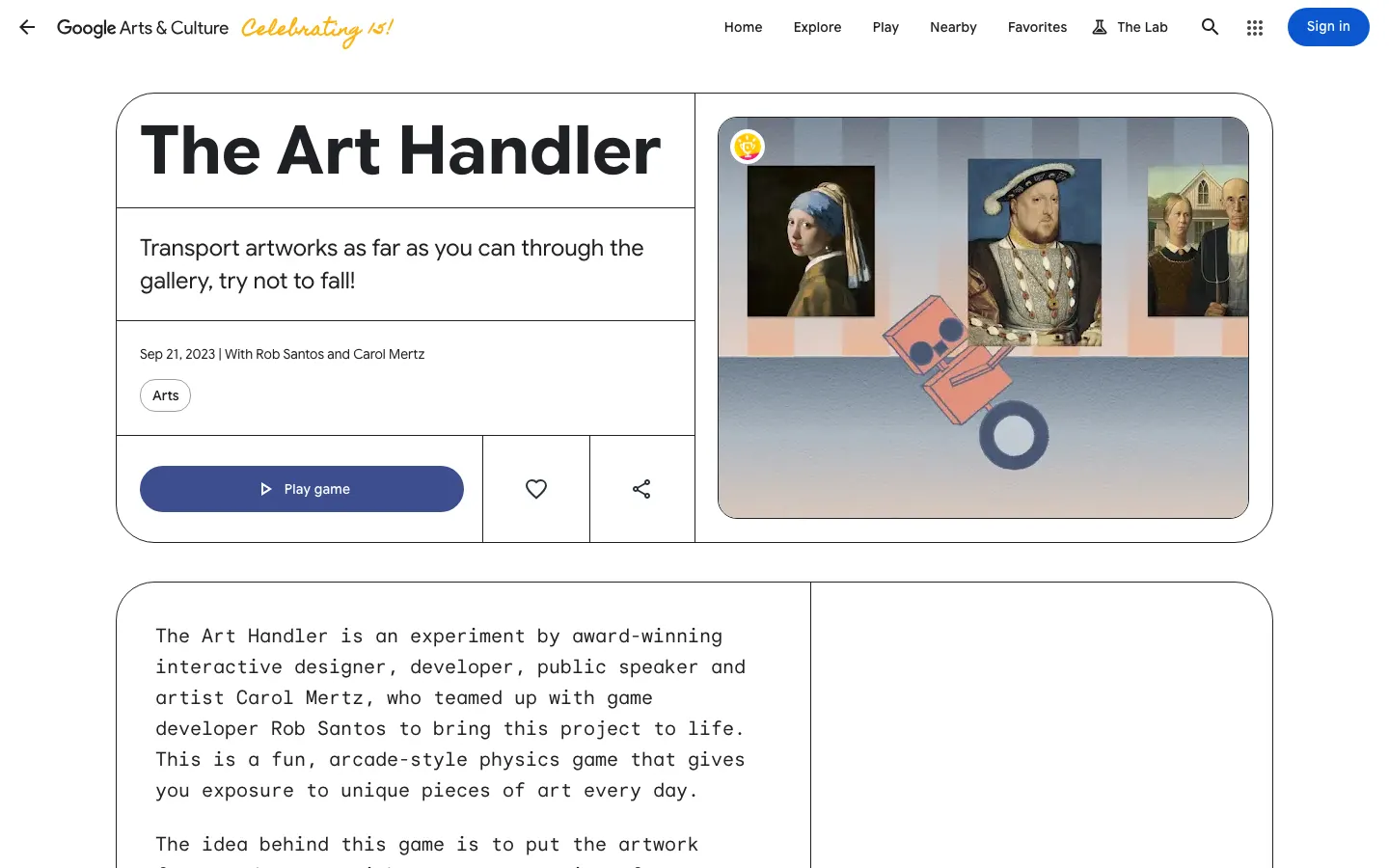
The Art Handler
A Google Arts & Culture game about transporting artworks through a gallery, combining visual art discovery with spatial reasoning and playful timing. It is listed under Arts and Games & interactives for ages Families; activity-specific.
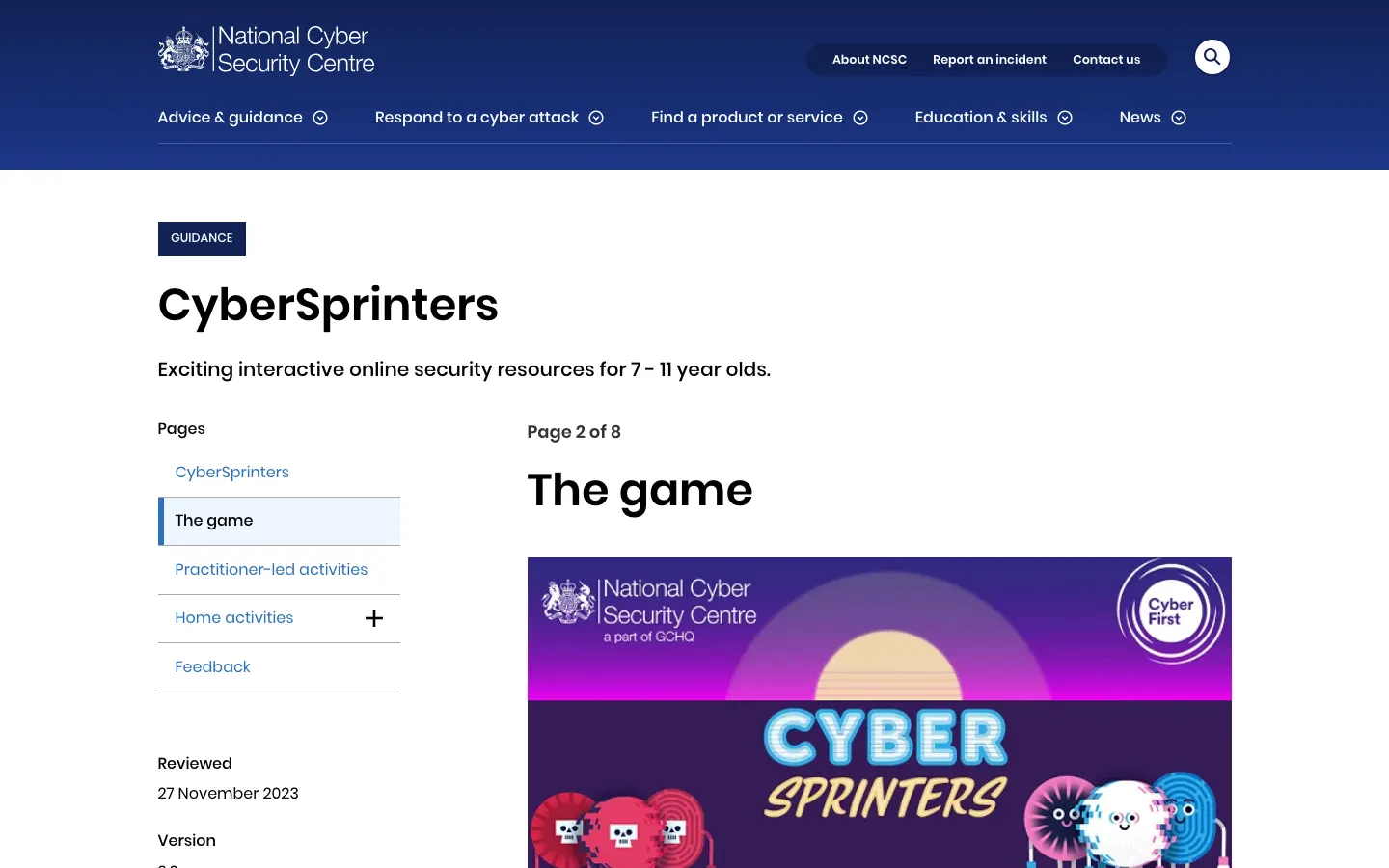
CyberSprinters
A UK National Cyber Security Centre interactive game and activity resource that introduces online safety and cybersecurity concepts to children through missions and scenarios. It is listed under Technology and Coding for ages 7–11.
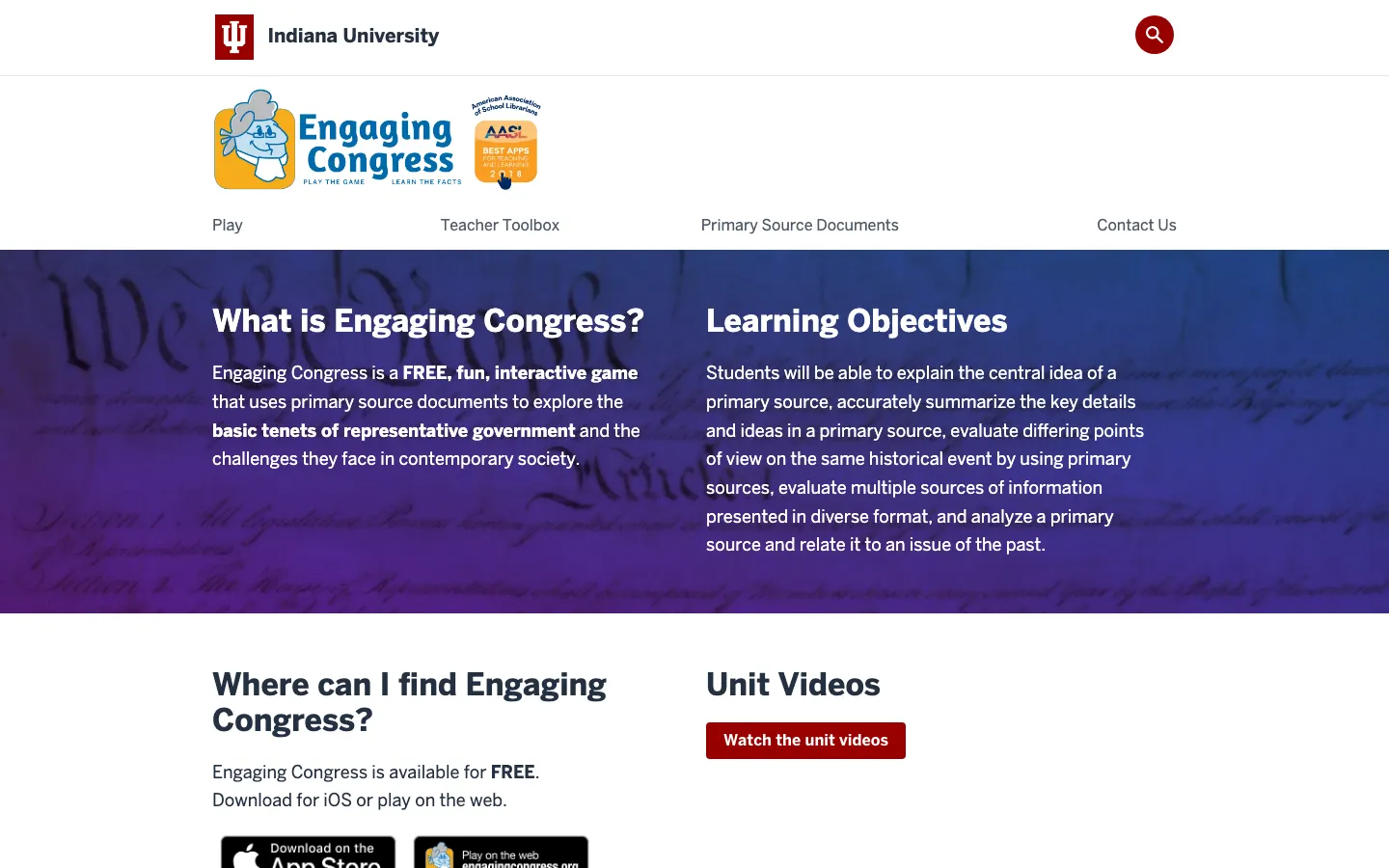
Engaging Congress
A free interactive civics game from Indiana University that uses primary-source documents to explore representative government, historical evidence, and the challenges of civic decision-making. It is listed under Social studies and Literacy for ages School-age; classroom use varies.
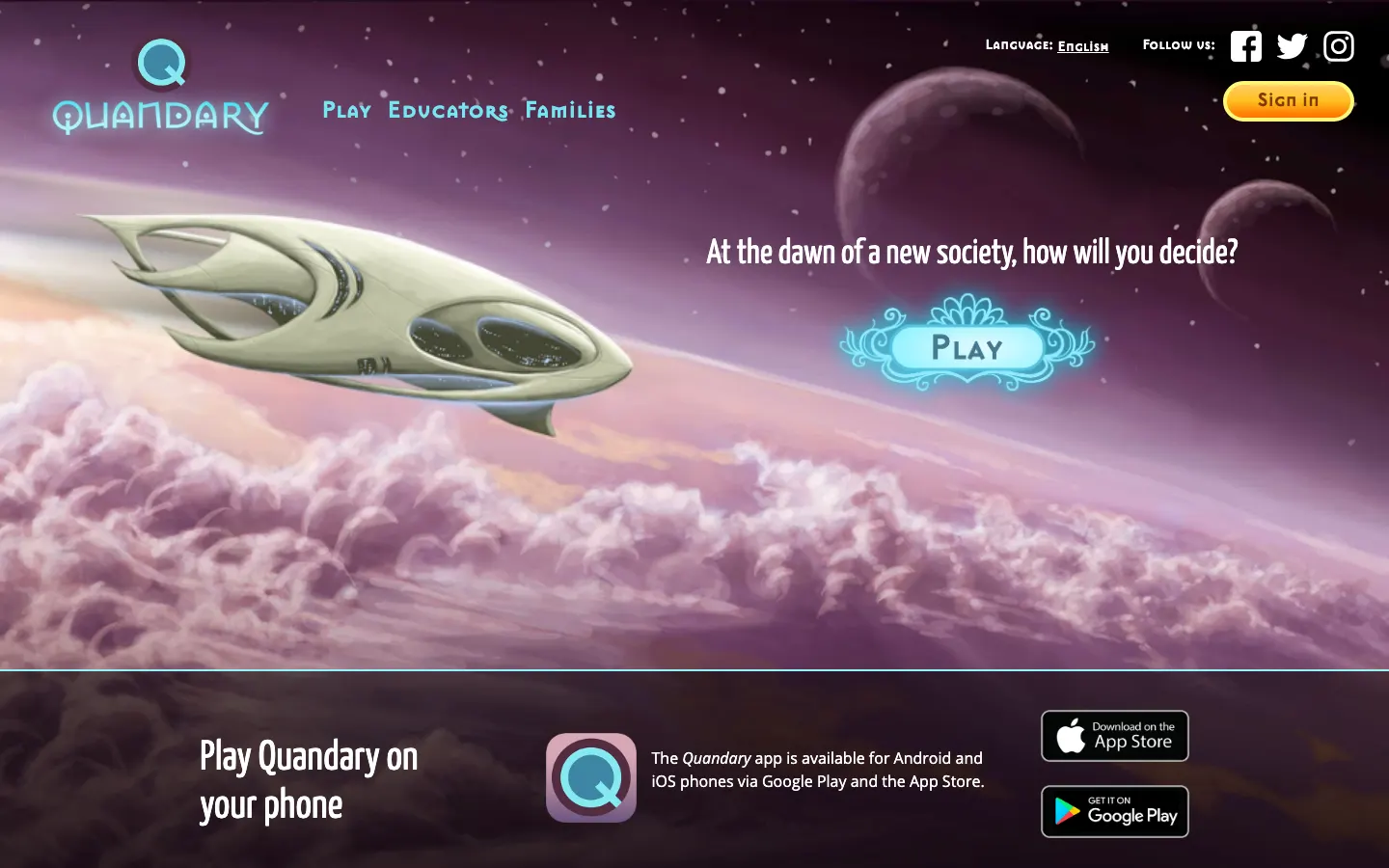
Quandary
A free nonprofit interactive game in ethical decision-making where children consider community dilemmas, weigh consequences, and practice citizenship through play. It is listed under Games & interactives and Social studies for ages 8–14; activity-specific.
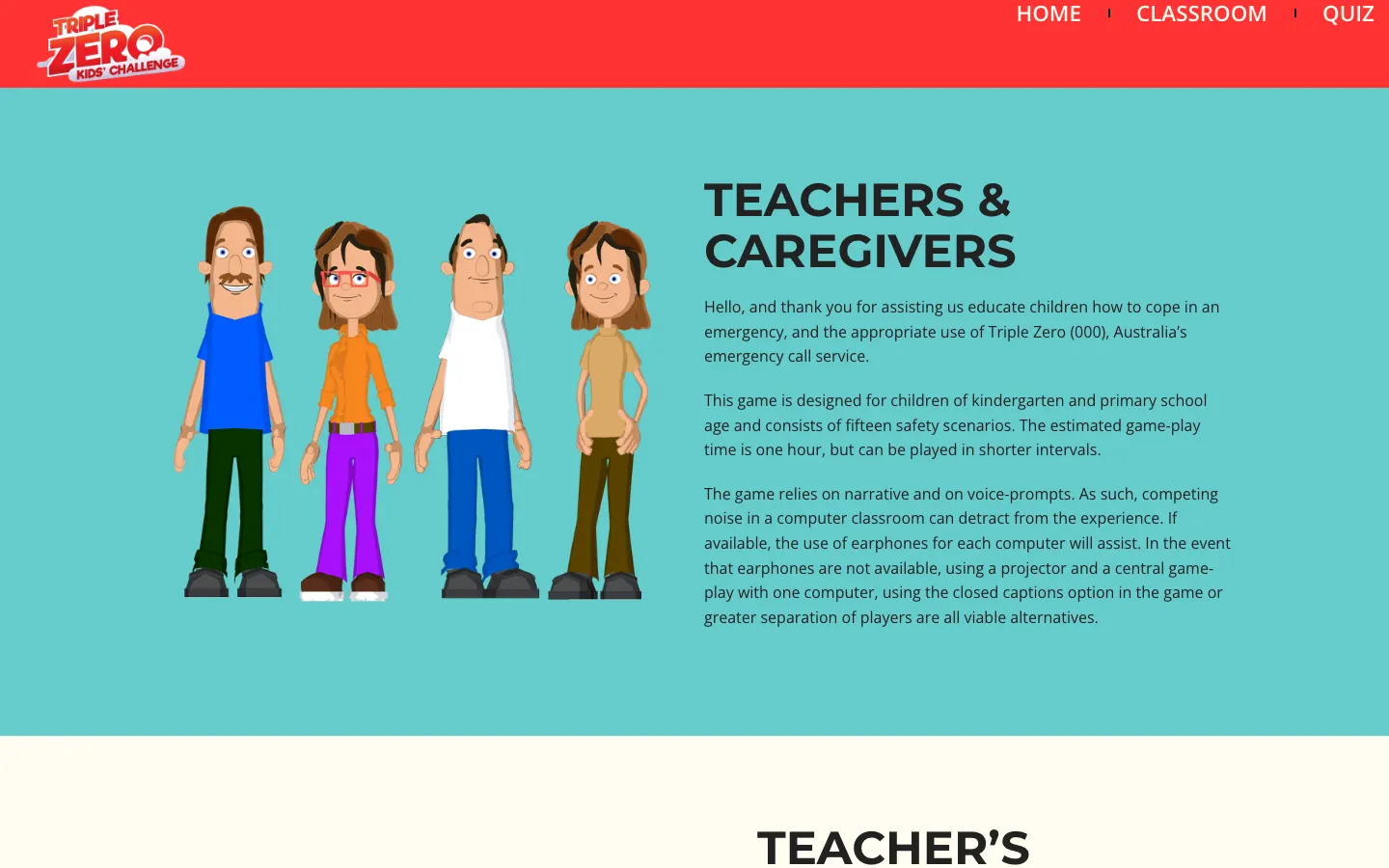
Triple Zero Kids’ Challenge
An Australian emergency-preparedness game for kindergarten and primary-school children with fifteen safety scenarios and classroom activities about using the 000 emergency service. It is listed under Safety and Social studies for ages Kindergarten and primary school.
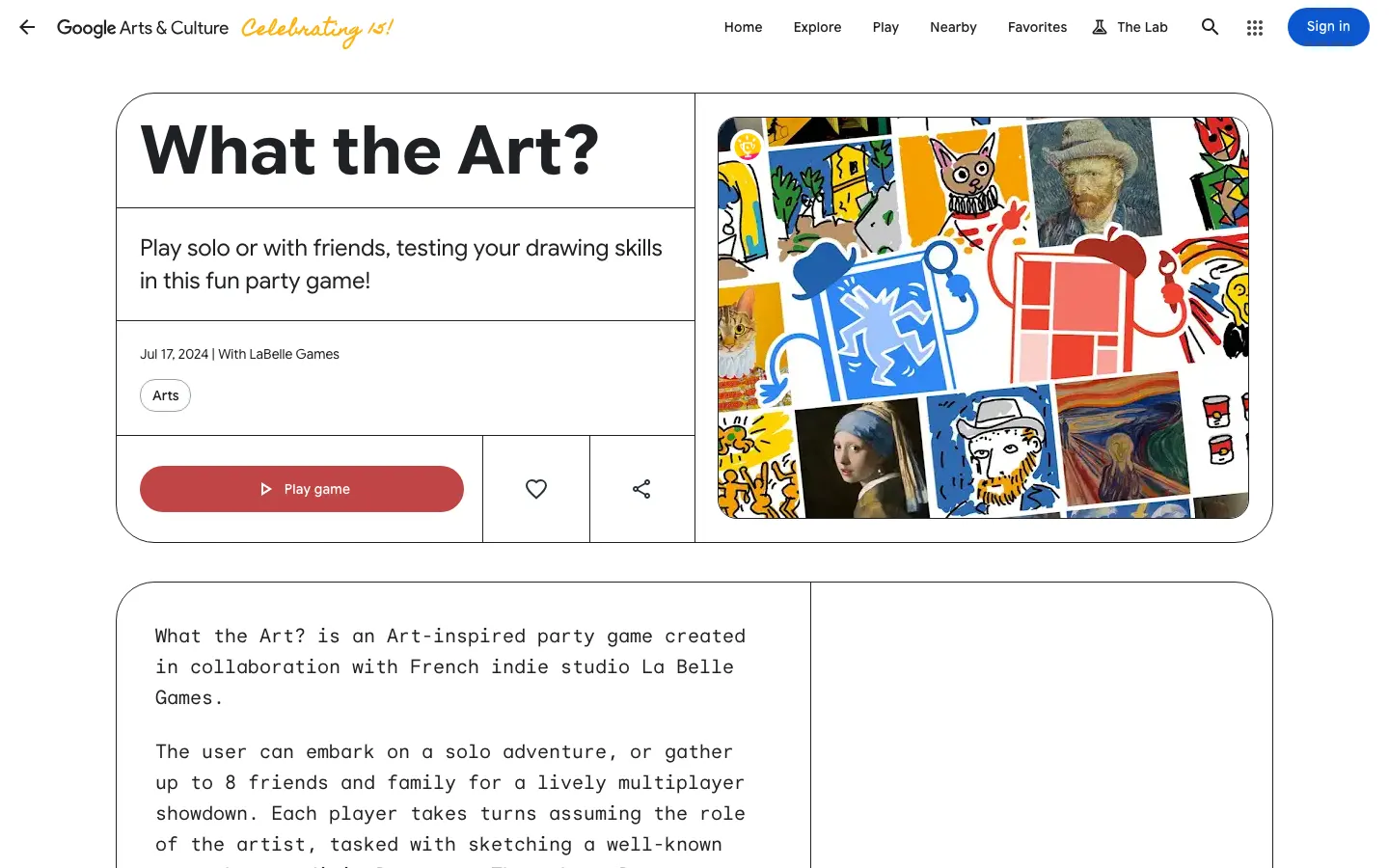
What the Art?
A playful Google Arts & Culture drawing-and-guessing game where children and families sketch artwork-inspired clues and race to identify the artwork from a selection. It is listed under Arts and Games & interactives for ages Families; activity-specific.
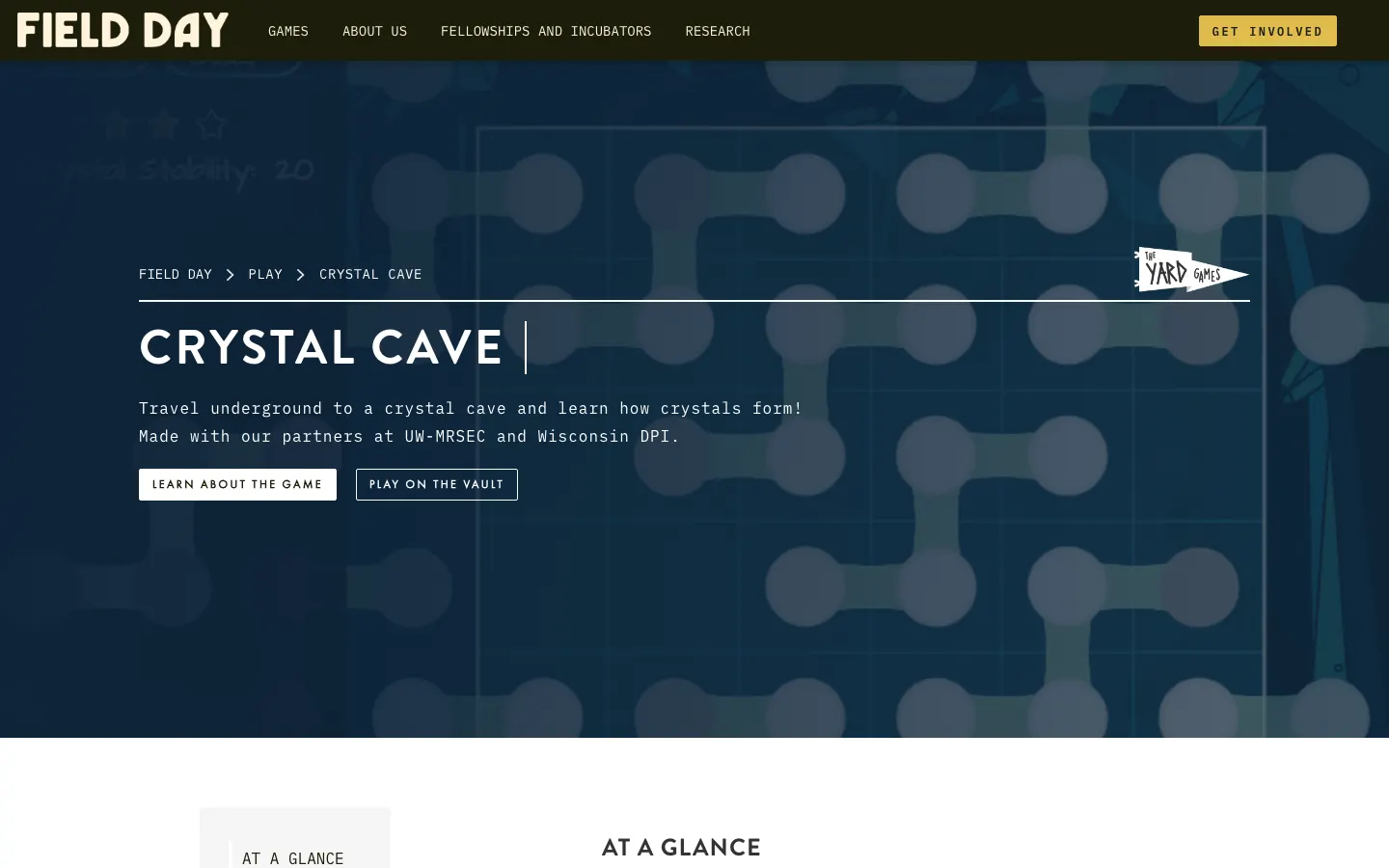
Crystal Cave
A Field Day Lab puzzle game in which learners arrange molecules into stable configurations while exploring how crystals form, repeat, and hold molecular charges. It is listed under Science and Chemistry for ages Grades 5–8.
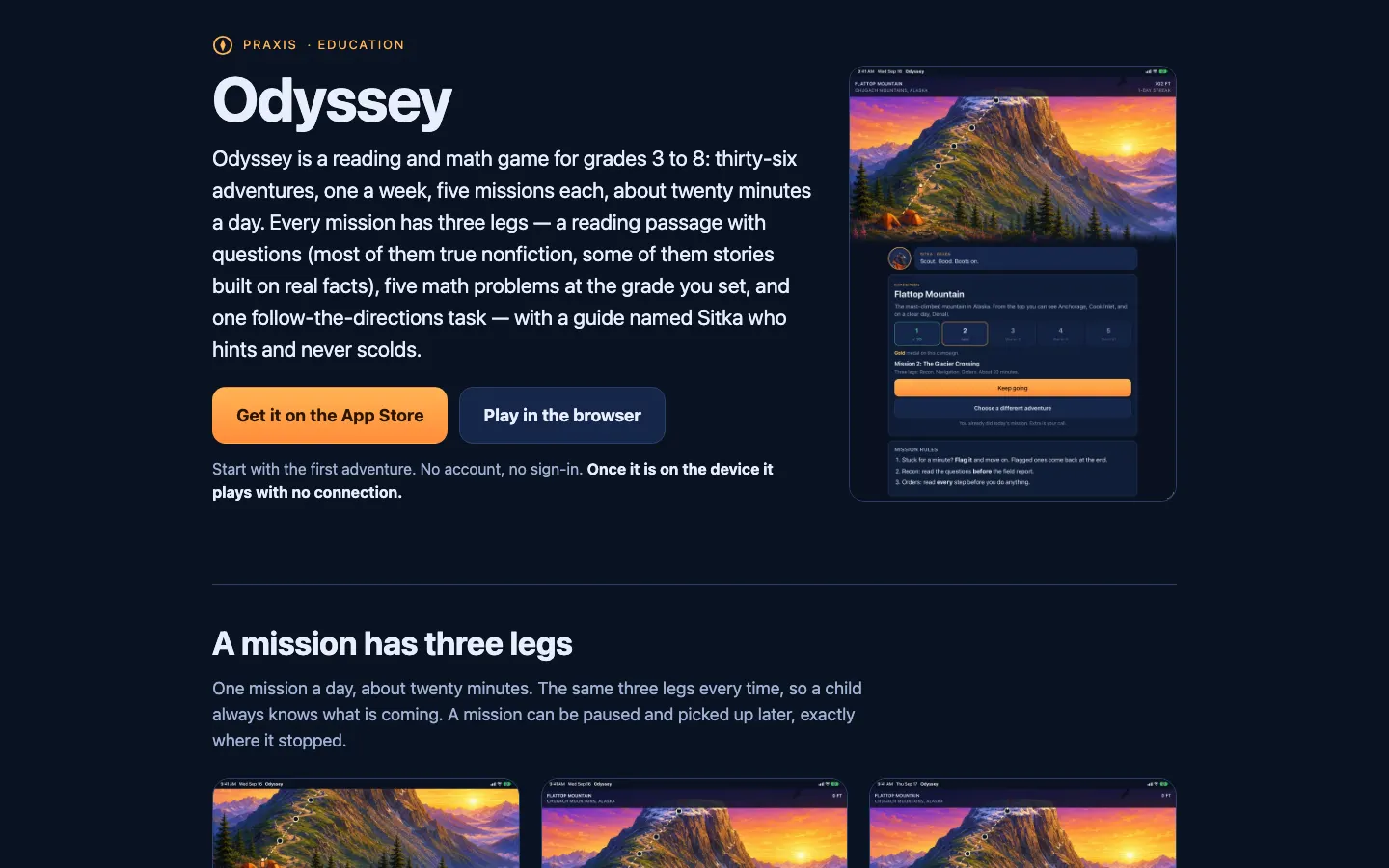
Odyssey: Reading & Math
A reading and math game for grades 3–8 with thirty-six weekly adventures, nonfiction and story passages, grade-level math problems, and short follow-the-directions missions. It is listed under Math and Literacy for ages Grades 3–8.
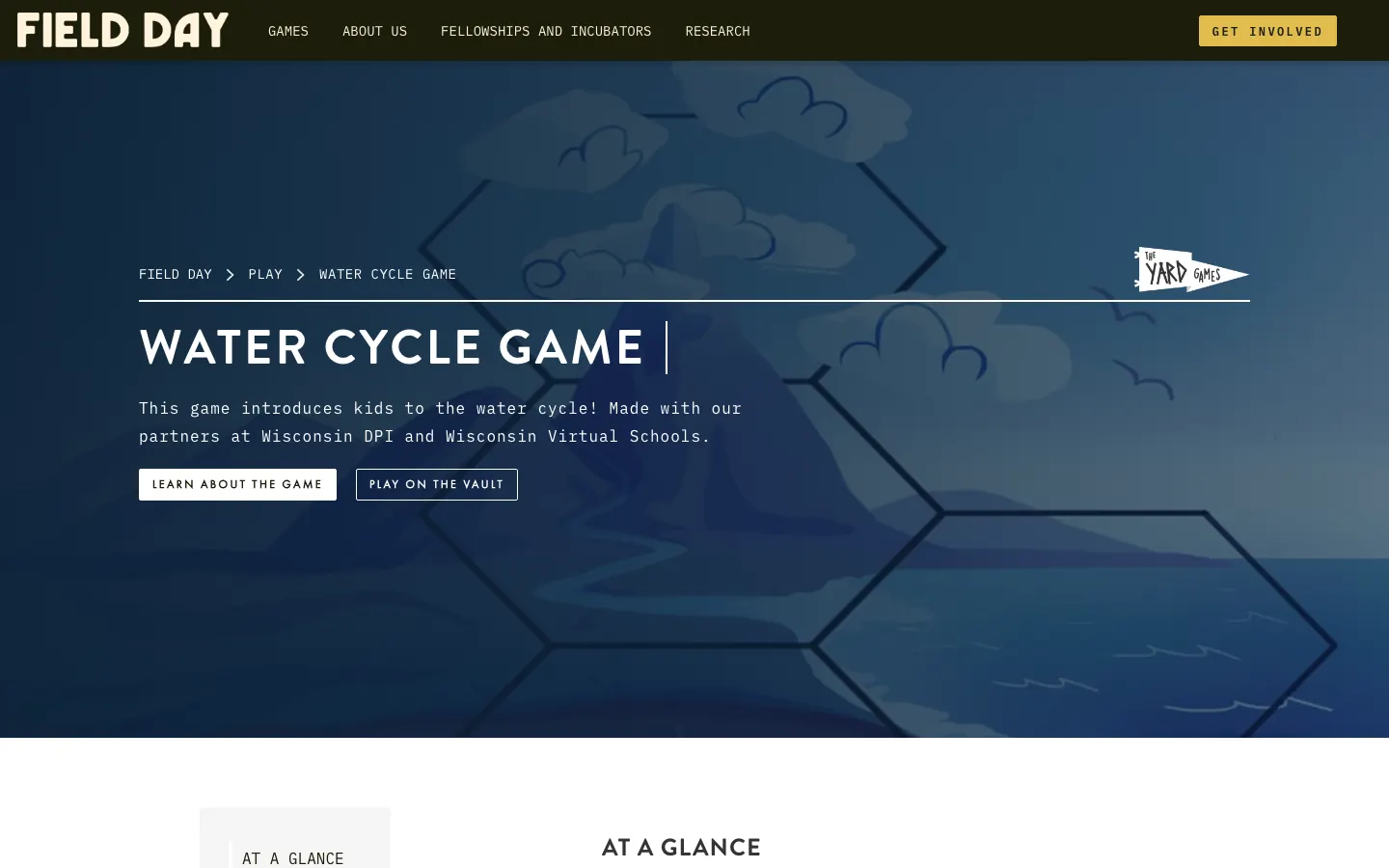
Water Cycle Game
A Field Day Lab board-game-style activity that helps learners trace water through evaporation, condensation, precipitation, runoff, groundwater, and soil absorption. It is listed under Science and Nature for ages Grades 5–8. Children and families can use it through a website.
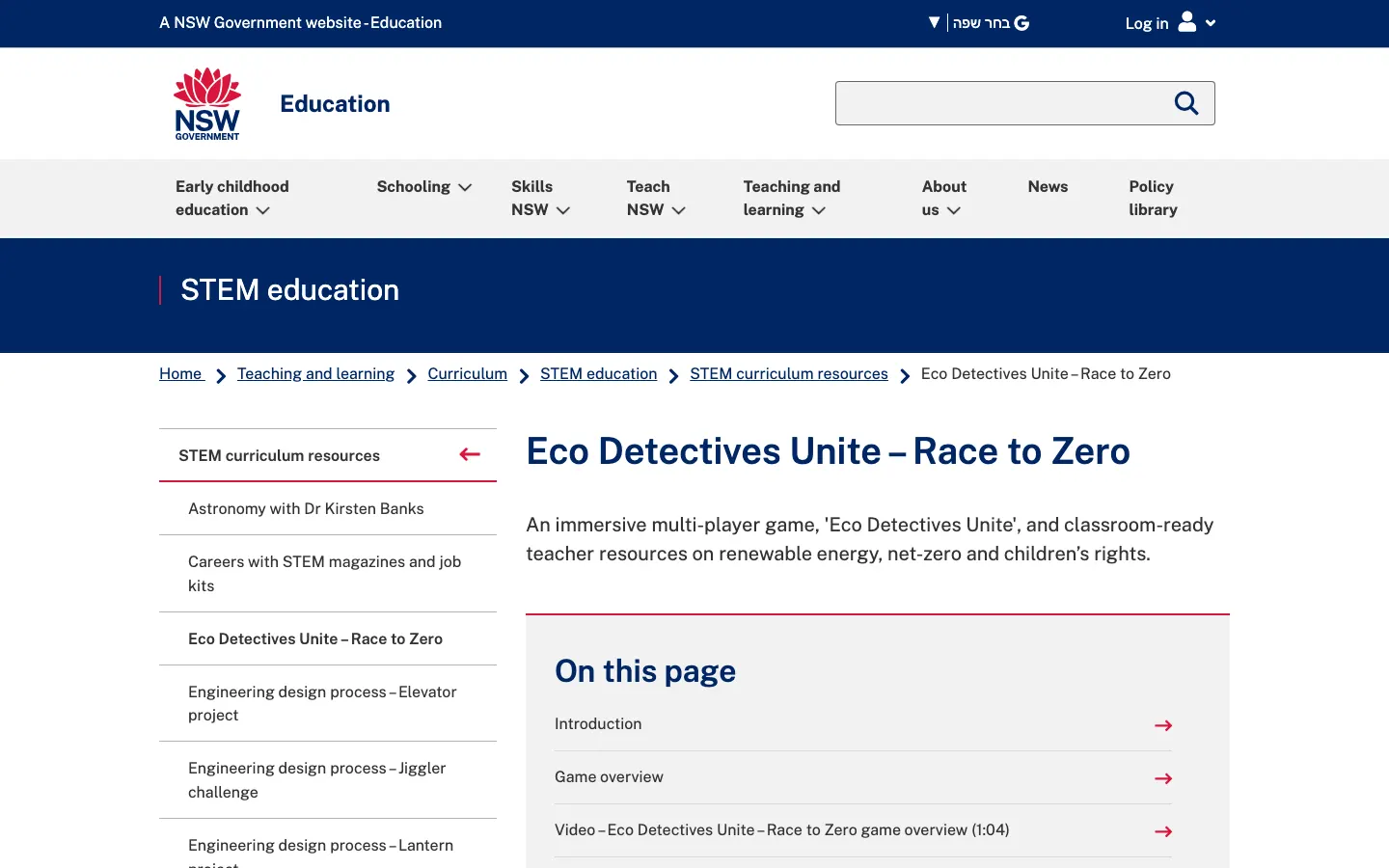
Eco Detectives Unite — Race to Zero
An immersive multiplayer game and classroom resource from NSW Education about renewable energy, net-zero choices, and children’s rights. It is listed under Science and Nature for ages School-age; classroom use varies. Children and families can use it through a website.
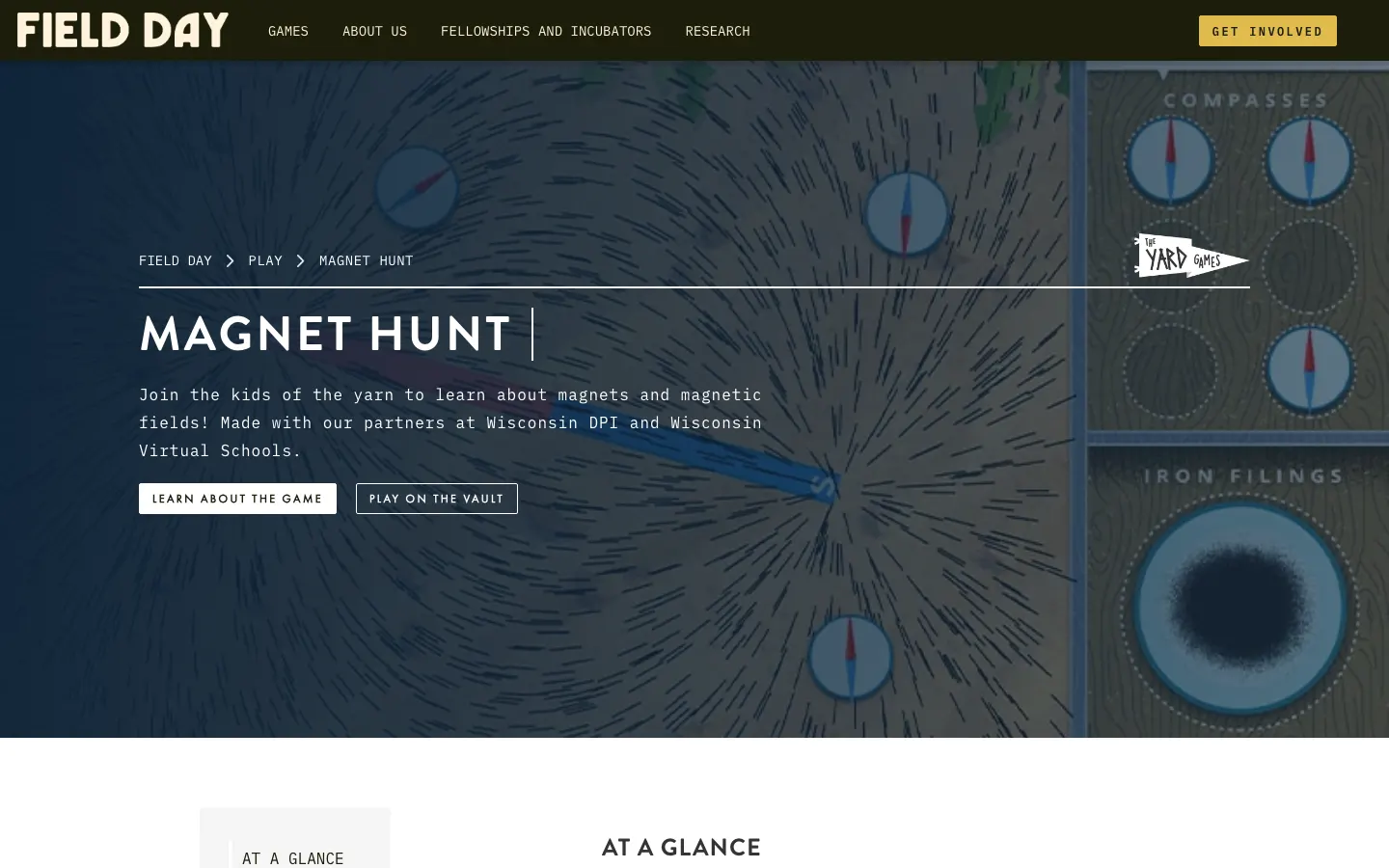
Magnet Hunt
A Field Day Lab physics game where learners use magnetic fields and iron filings to find hidden magnets while exploring poles, forces, and interactions. It is listed under Science and Physics for ages Grades 5–8.
Compare with context
Use this collection to find a direction, then open each resource page before sharing it with a child. The individual review shows languages, access formats, tags, age guidance, source links, and notes for grown-ups.
Search the full directory →