Family learning STEM
for kids
Explore 12 trusted family learning stem resources selected for curious kids, with clear ages, access details, and parent context.
Two useful ways to narrow the directory
This page brings together family learning resources that also match stem. Each listing keeps its own age range, platform details, languages, links, and parent notes, so you can compare options without losing context.
Explore all family learning resources →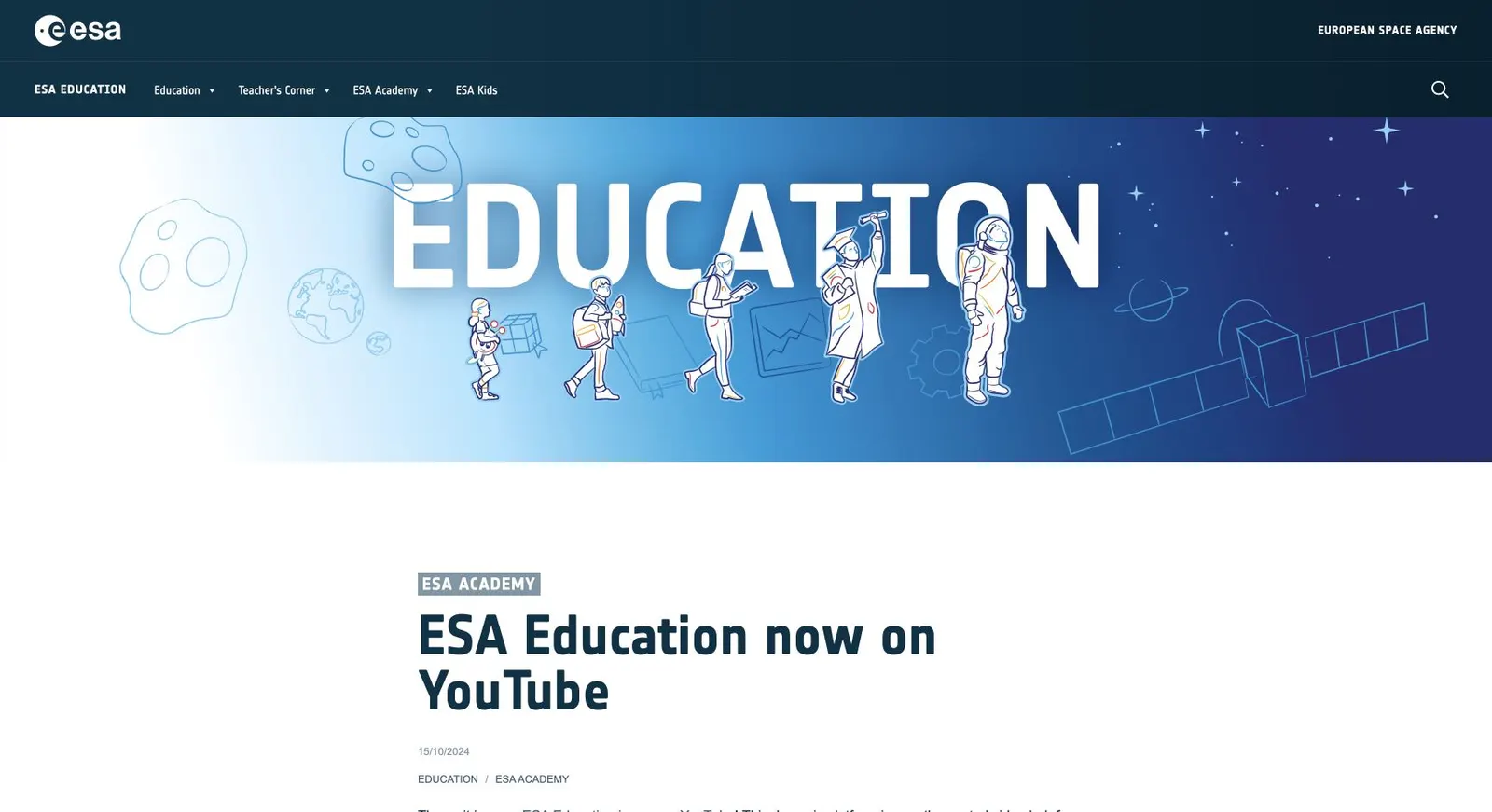
ESA Education YouTube
The European Space Agency’s education video hub offers space-STEM explainers, experiments, student mission documentaries, expert interviews, and behind-the-scenes learning videos. It is listed under Science and Space for ages 6–18+. Children and families can use it through a website and a YouTube channel.
Read the full resource review →More family learning picks
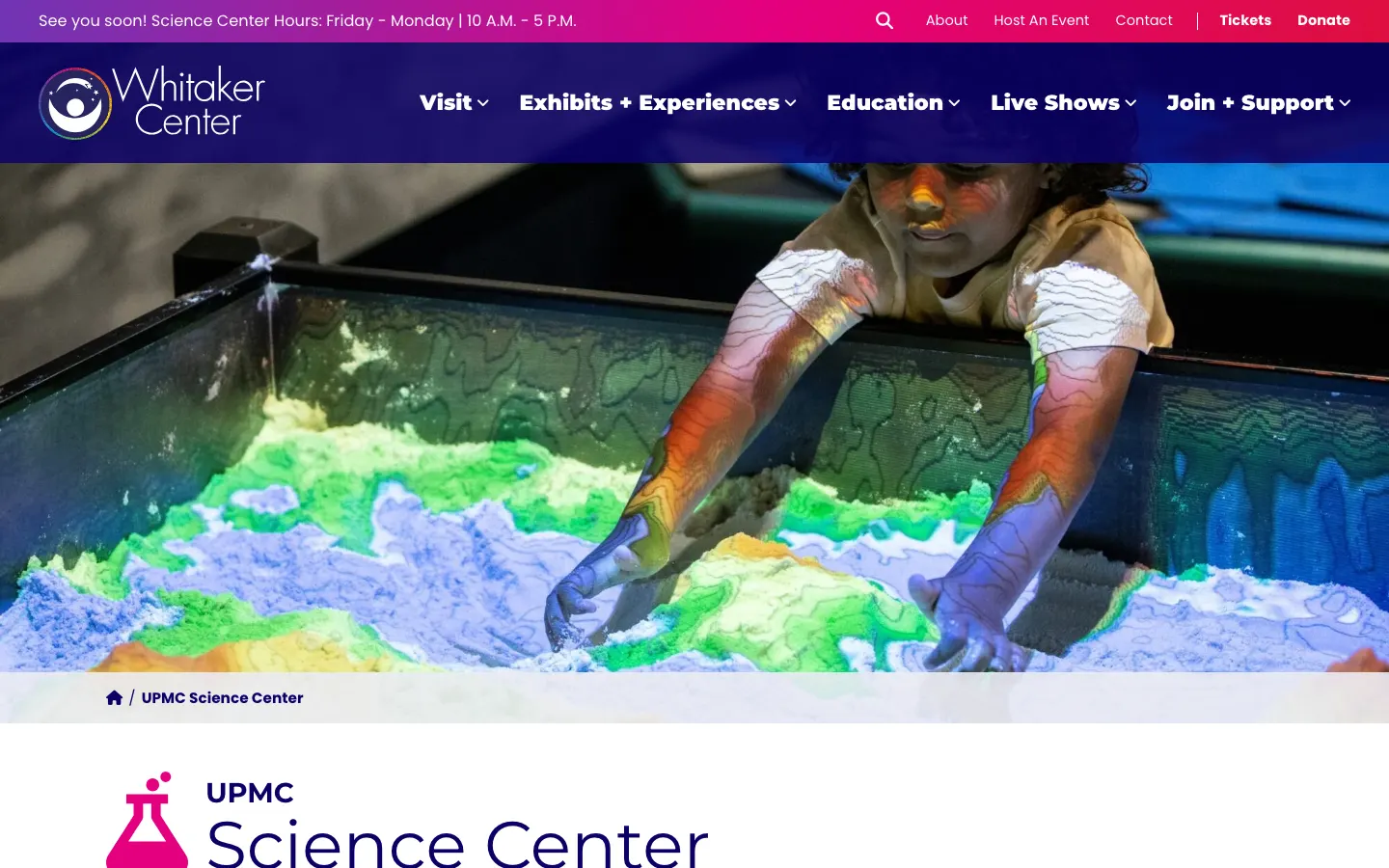
UPMC Science Center at Whitaker Center
UPMC Science Center at Whitaker Center combines interactive exhibits, STEM design studios, scout workshops, sensory-friendly sessions, and toddler science exploration. It is listed under Science and Museums for ages 0–12; program-specific. Children and families can use it through a website and a physical place.
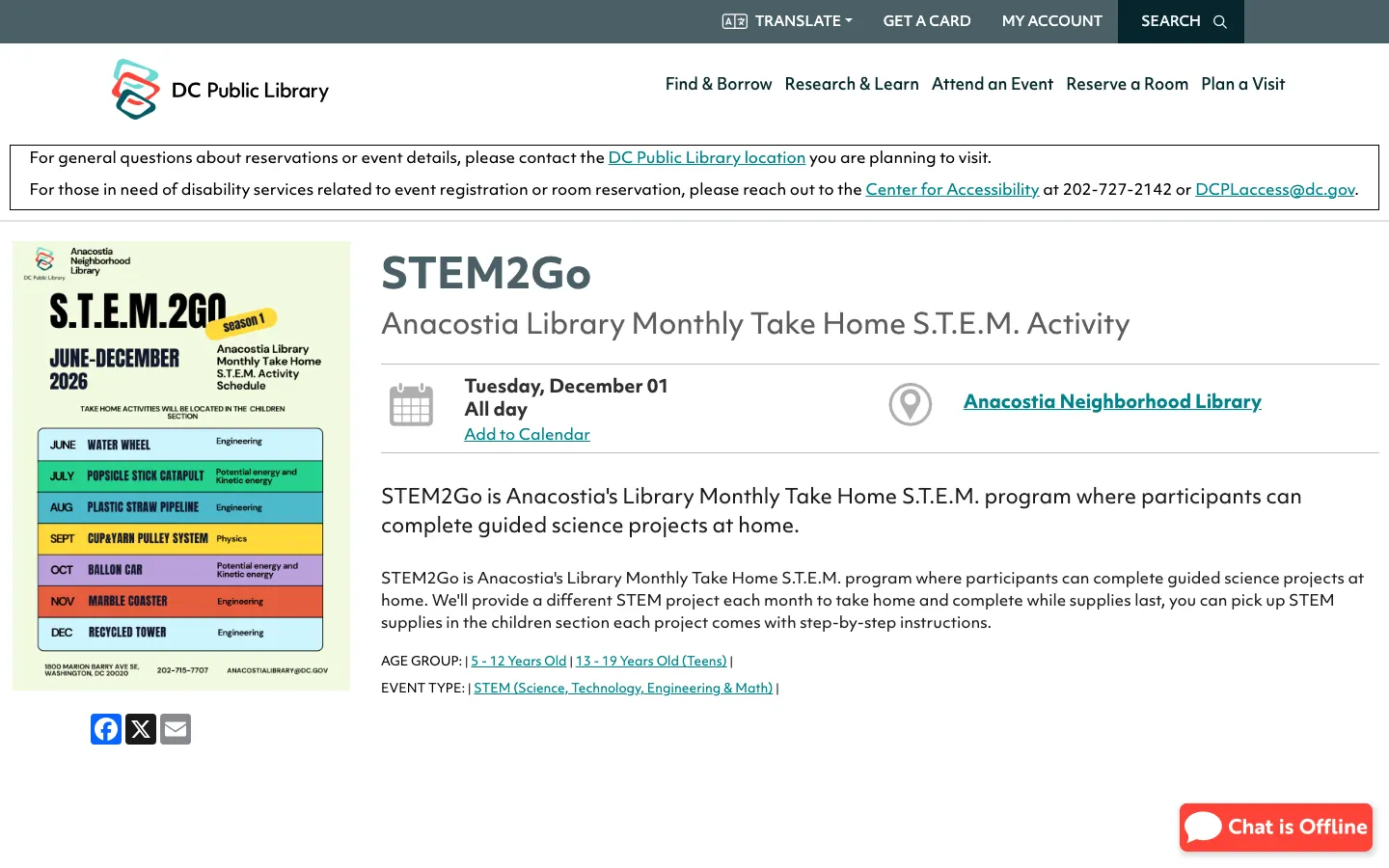
DC Public Library STEM2Go
A monthly take-home STEM program at Anacostia Library with guided science and engineering projects, supplies while available, and step-by-step instructions for home. It is listed under Science and Engineering for ages 5–12 and teens.
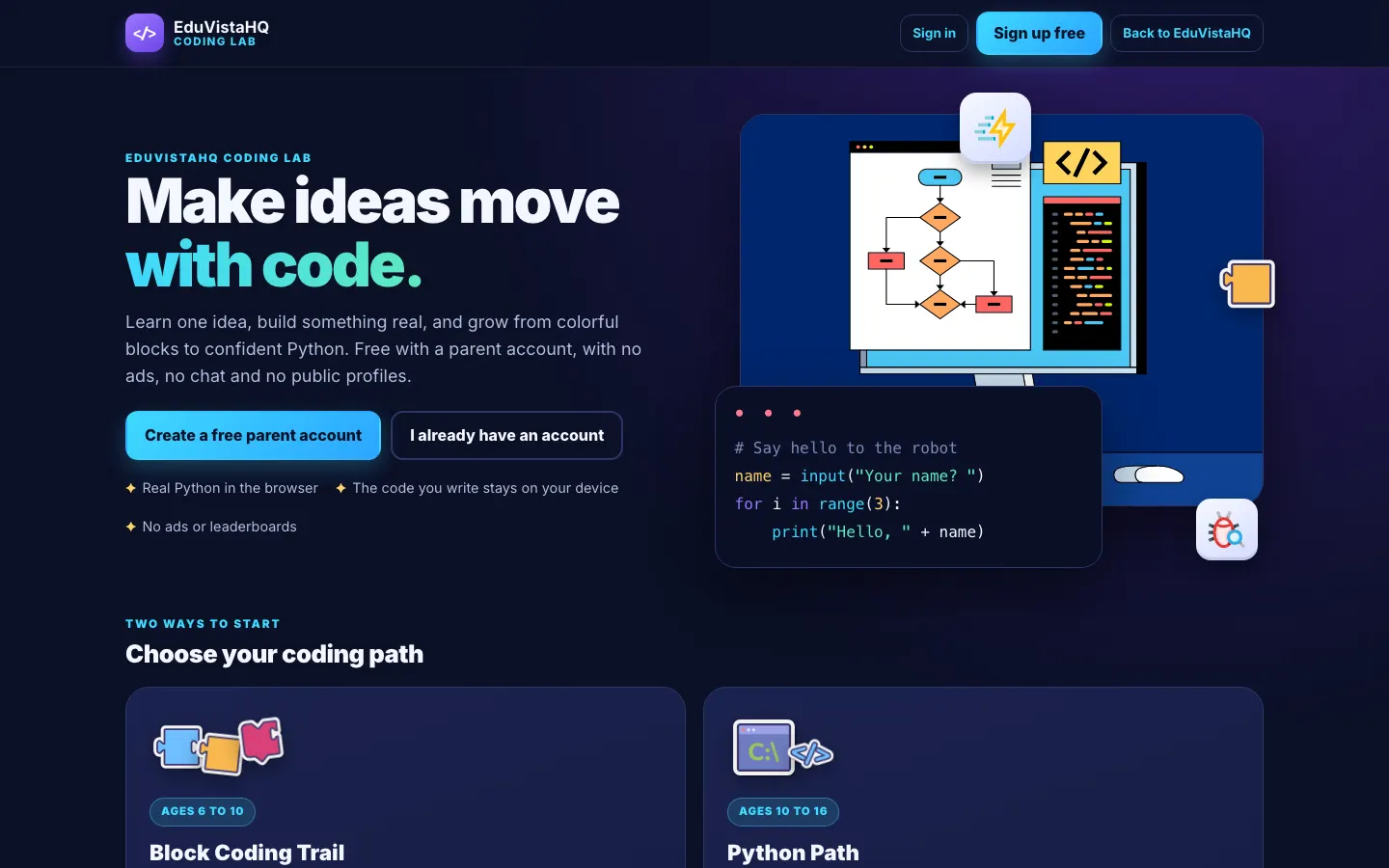
EduVista Coding Lab
EduVista Coding Lab is a browser learning environment with visual coding paths, Python practice, and project-oriented exercises designed to make programming approachable for young learners. It is listed under Coding and Science for ages 7–14.
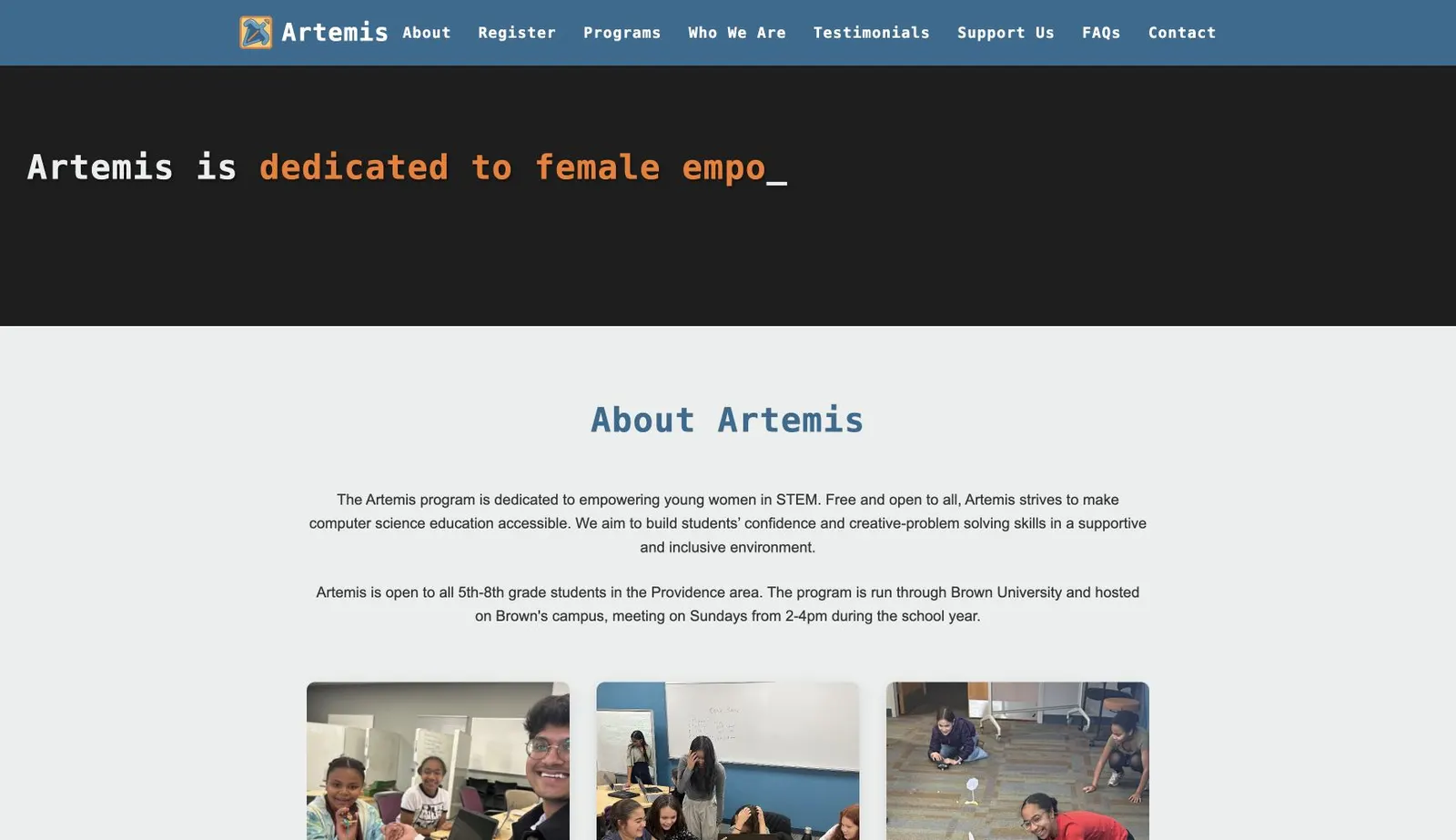
Brown University Artemis Coding Program
Brown University’s Artemis program offers free, supportive computer-science learning for Providence-area students in grades 5–8 through Microbits, Scratch, and Python tracks. It is listed under Coding and Science for ages 10–14. Children and families can use it through a website.
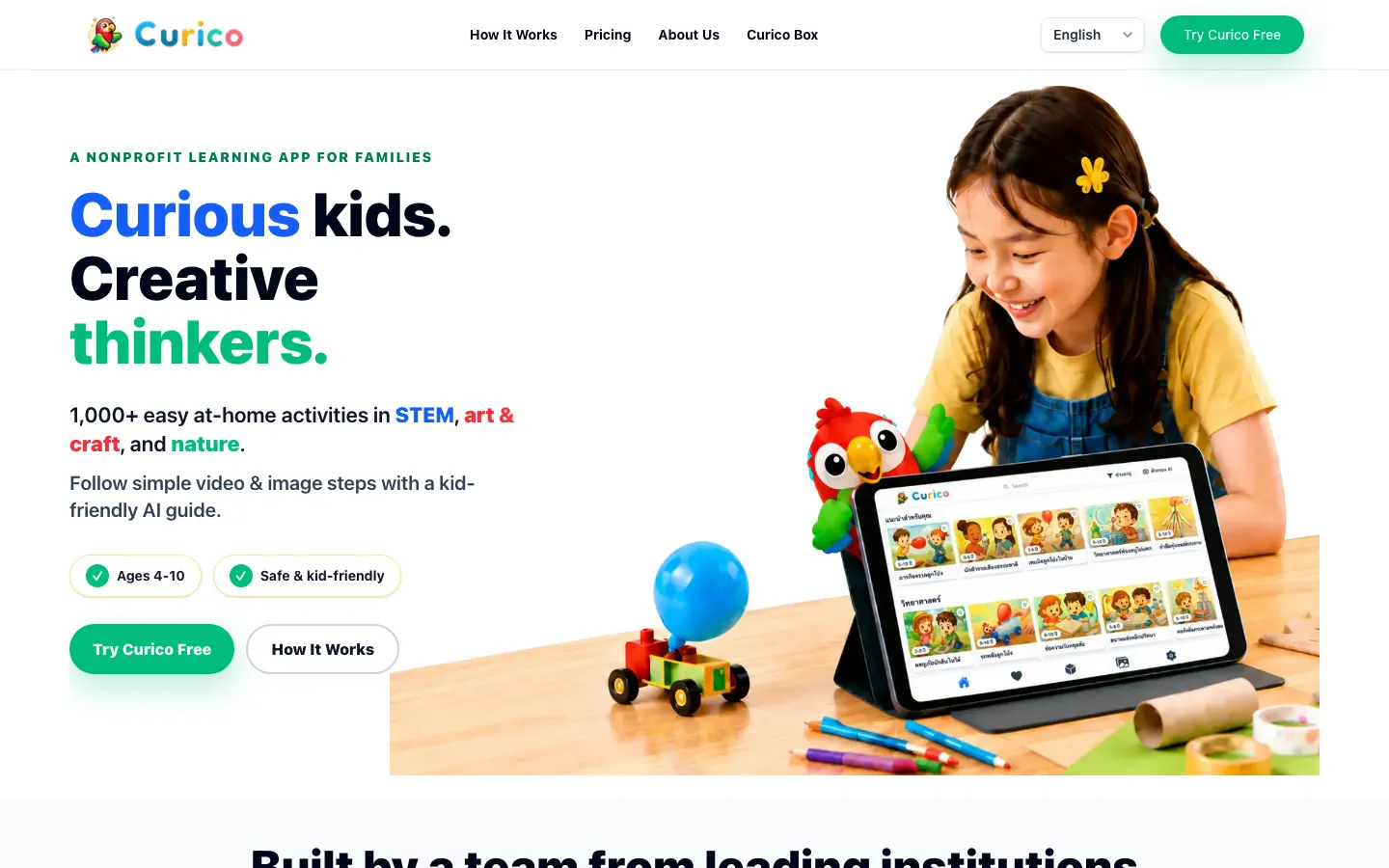
Curico
A nonprofit family-learning app with more than 1,000 guided STEM, art, craft, and nature activities, using short videos, images, and a kid-friendly guide for hands-on learning at home. It is listed under Science and Art & creativity for ages 4–10.
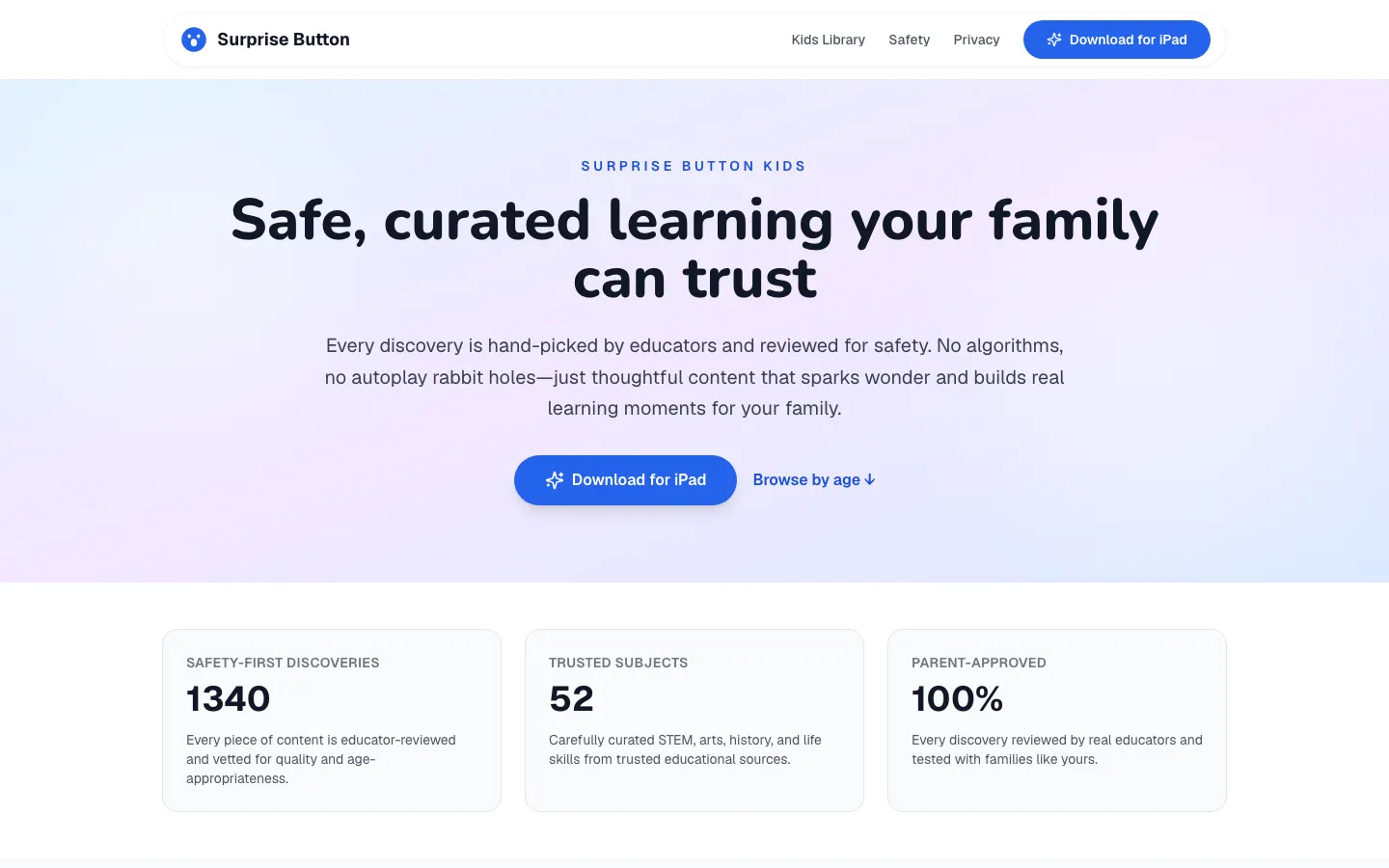
Surprise Button Kids Library
Surprise Button is a curated learning library that organizes educator-reviewed videos, articles, and lessons by age and subject across STEM, arts, history, nature, and life skills. It is listed under Family learning and Science for ages 3–16.
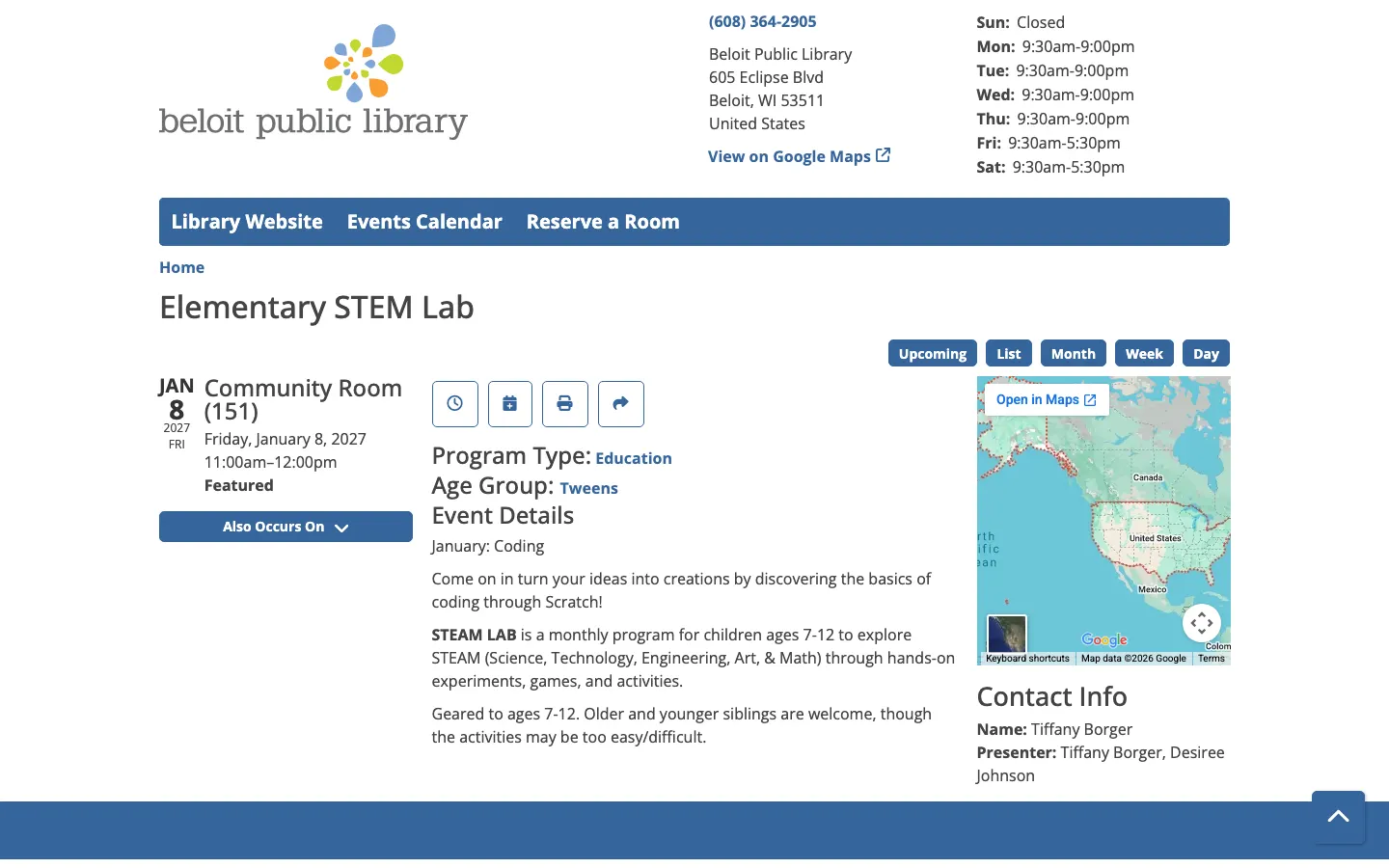
Beloit Public Library Elementary STEM Lab
A monthly STEAM lab for ages 7–12 using hands-on experiments, games, and creative activities; the January session introduces coding through Scratch. It is listed under Science and Coding for ages 7–12. Children and families can use it through a website.
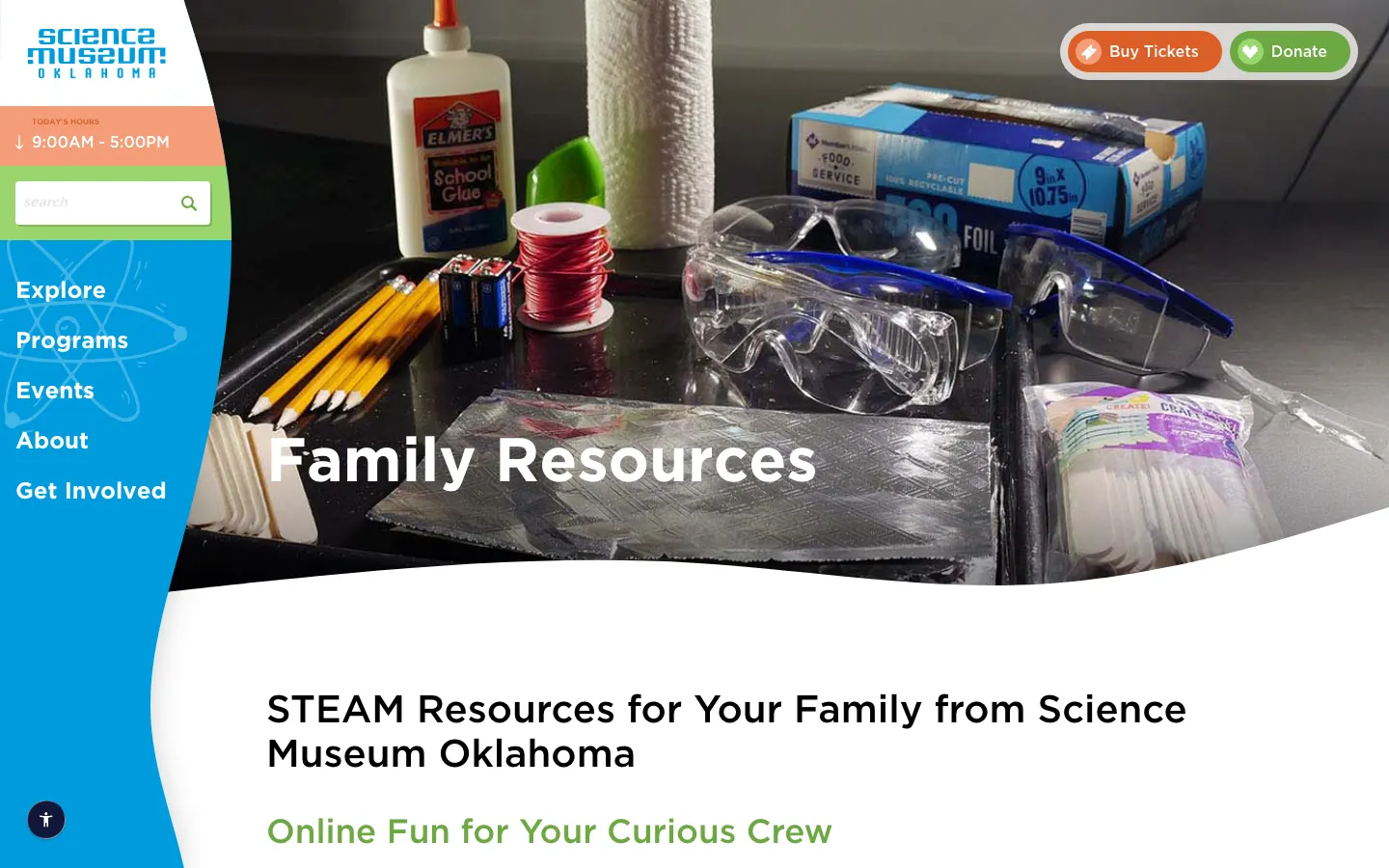
Science Museum Oklahoma Family Resources
Science Museum Oklahoma Family Resources provide SMO at Home experiments and learning videos created by museum educators, using simple materials to explore science with children and adults. It is listed under Science and Museums & places for ages 5–14; adult participation encouraged.
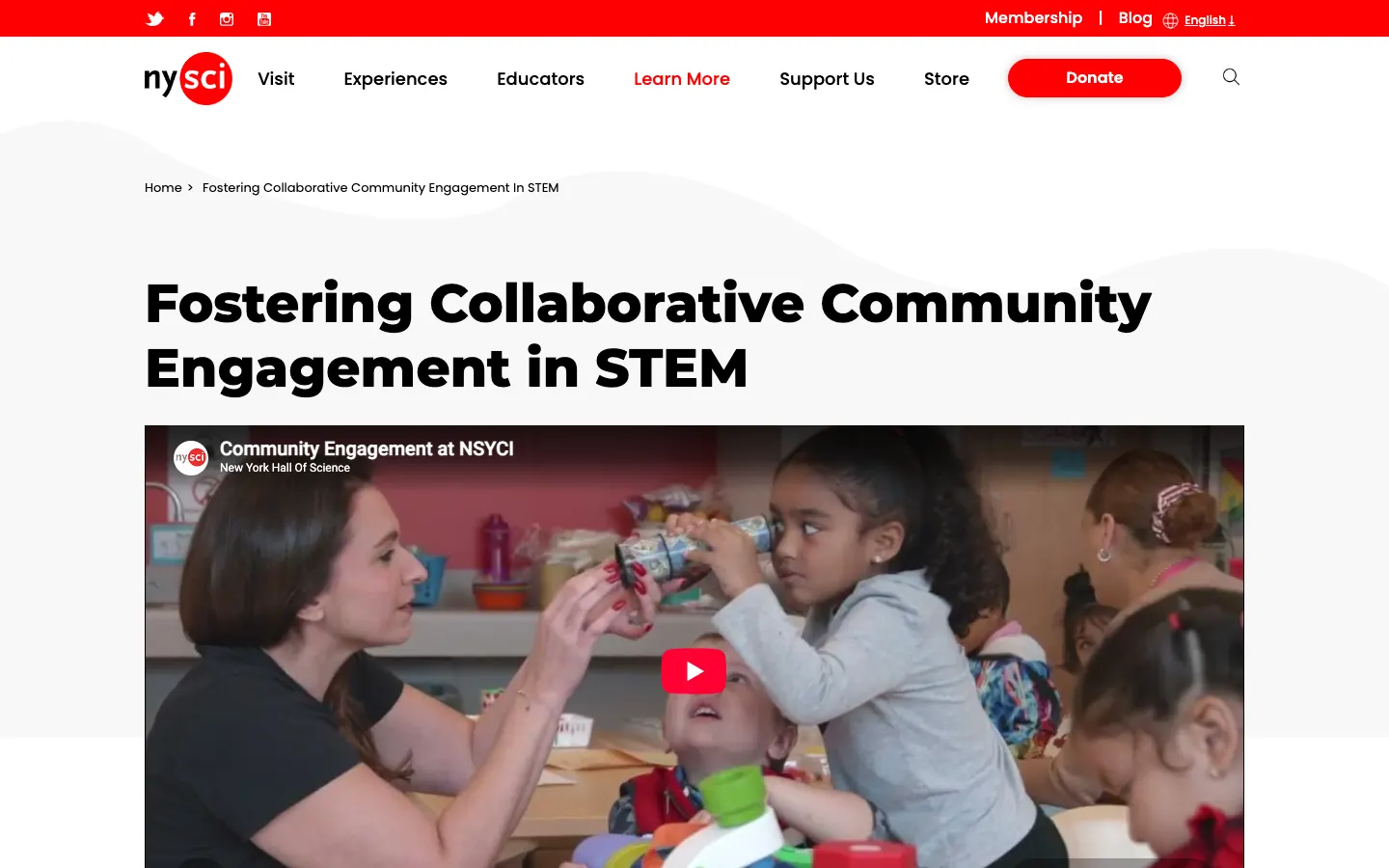
New York Hall of Science Families Learning Together
Families Learning Together is a New York Hall of Science community program in which caregivers and children use simple materials for hands-on STEM exploration and receive activity resources to continue at home.
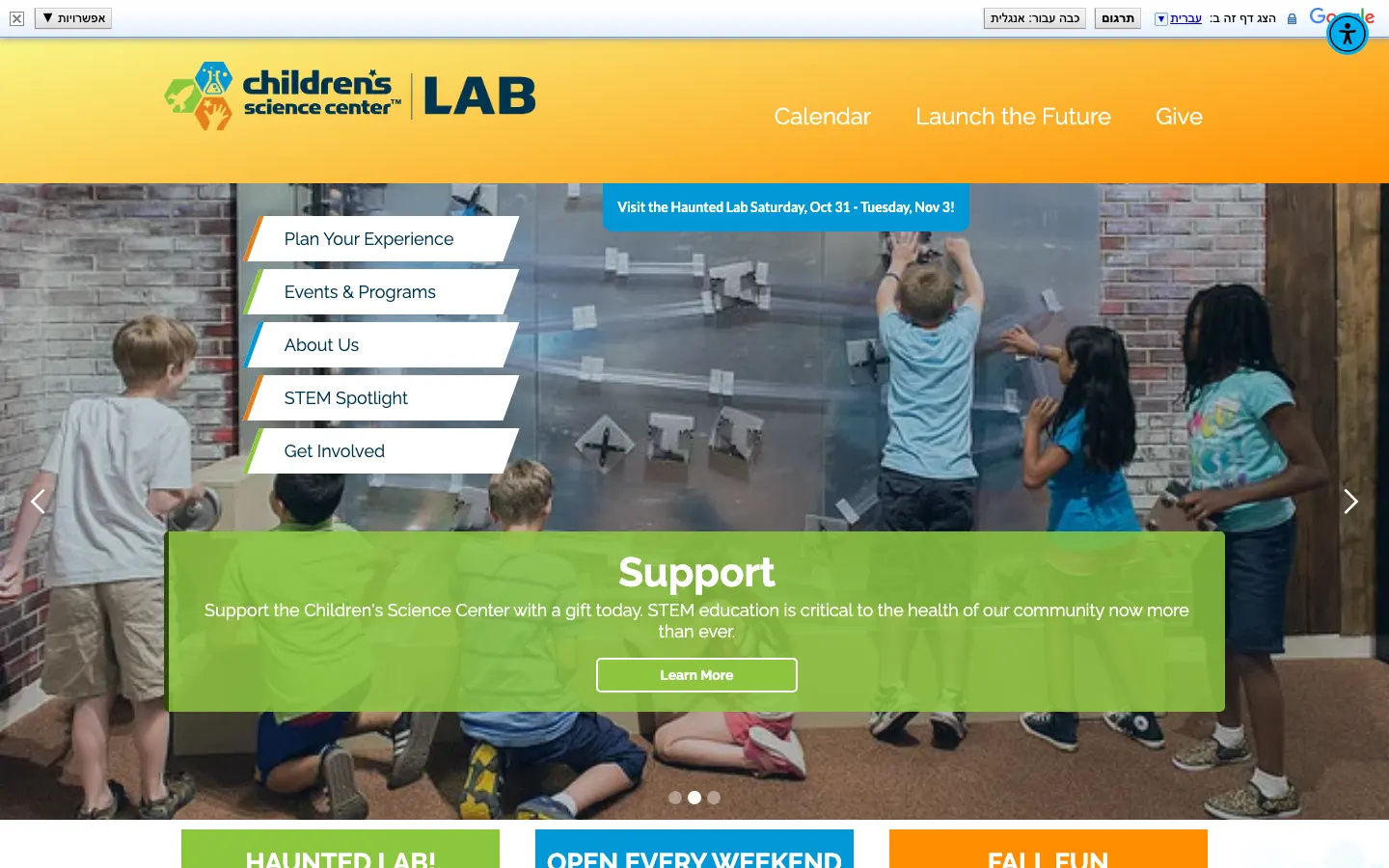
Children’s Science Center Lab
Children’s Science Center Lab offers hands-on STEM experiences, family science nights, special events, and interactive learning for children and families in Northern Virginia. It is listed under Science and Museums for ages 2–12 with adult.
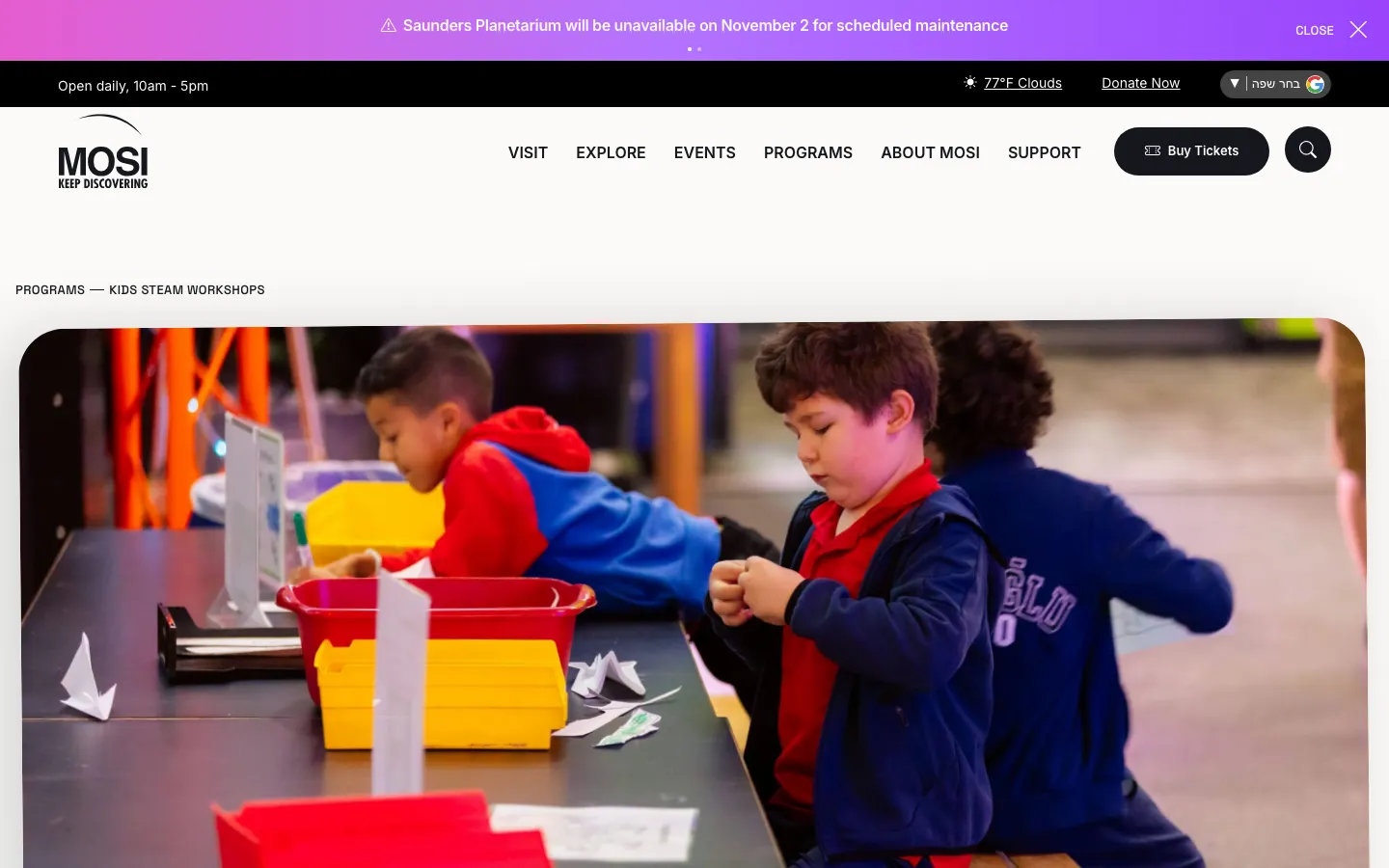
MOSI Kids STEAM Workshops
A recurring hands-on workshop series at the Museum of Science and Industry in Tampa covering space, engineering, design, filmmaking, forensics, and nature through themed activities. It is listed under Science and Engineering for ages Kindergarten–6th grade; topic varies.
Compare with context
Use this collection to find a direction, then open each resource page before sharing it with a child. The individual review shows languages, access formats, tags, age guidance, source links, and notes for grown-ups.
Search the full directory →