Family learning Literacy
for kids
Explore 20 trusted family learning literacy resources selected for curious kids, with clear ages, access details, and parent context.
Two useful ways to narrow the directory
This page brings together family learning resources that also match literacy. Each listing keeps its own age range, platform details, languages, links, and parent notes, so you can compare options without losing context.
Explore all family learning resources →
Early Read Activity Toolkit
The National Library Board Singapore Early Read Activity Toolkit provides playful shared-reading and early-literacy activities for young children and the adults who read with them. It is listed under Literacy and Early childhood for ages 0–6.
Read the full resource review →More family learning picks
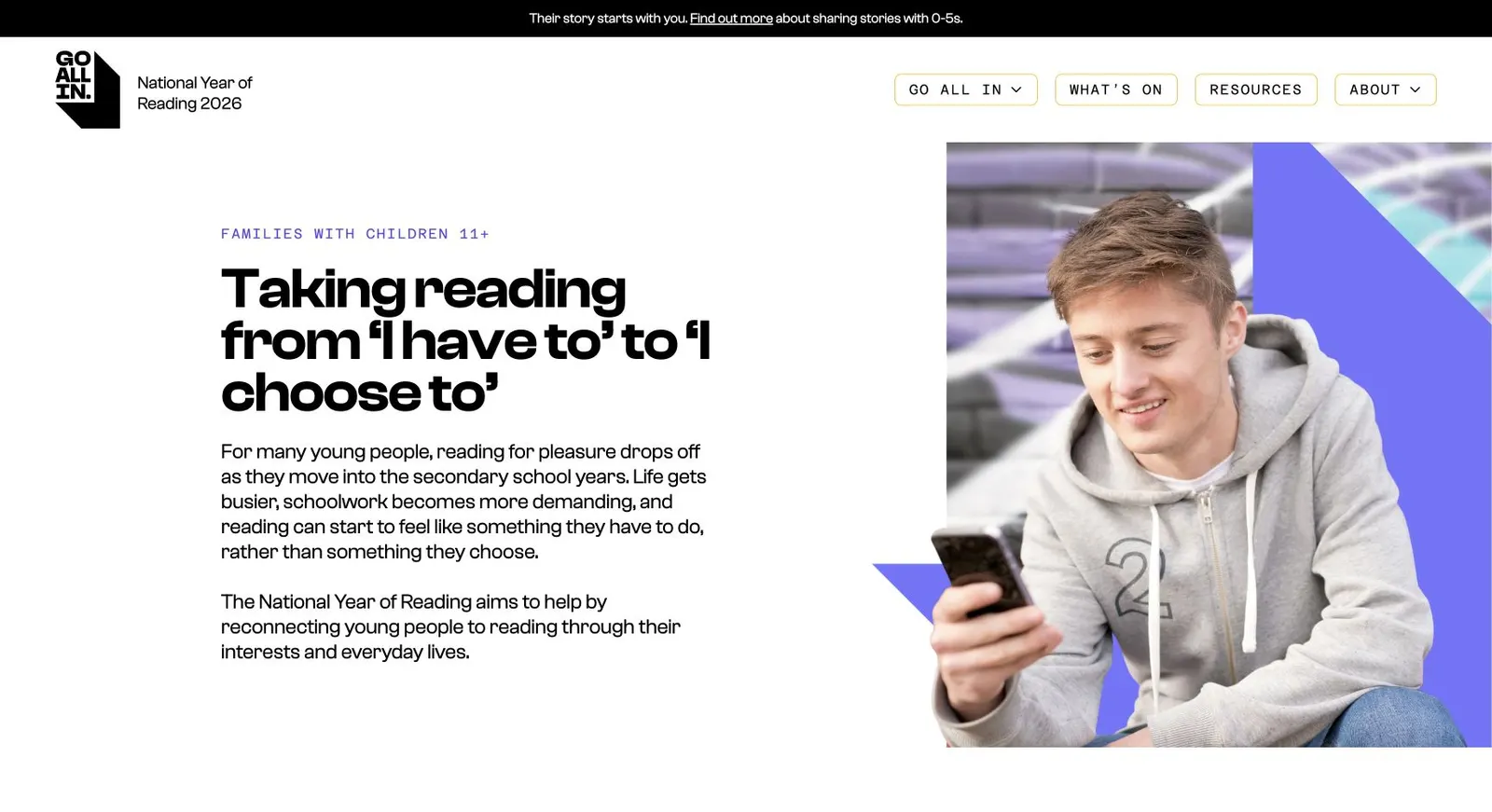
Go All In Families: Ages 11+
This official National Year of Reading 2026 guide is for older children and teens, with reading-for-pleasure ideas spanning fiction, graphic novels, nonfiction, podcasts, wellbeing, and digital library resources. It is listed under Reading and Parent & educator for ages 11–18.
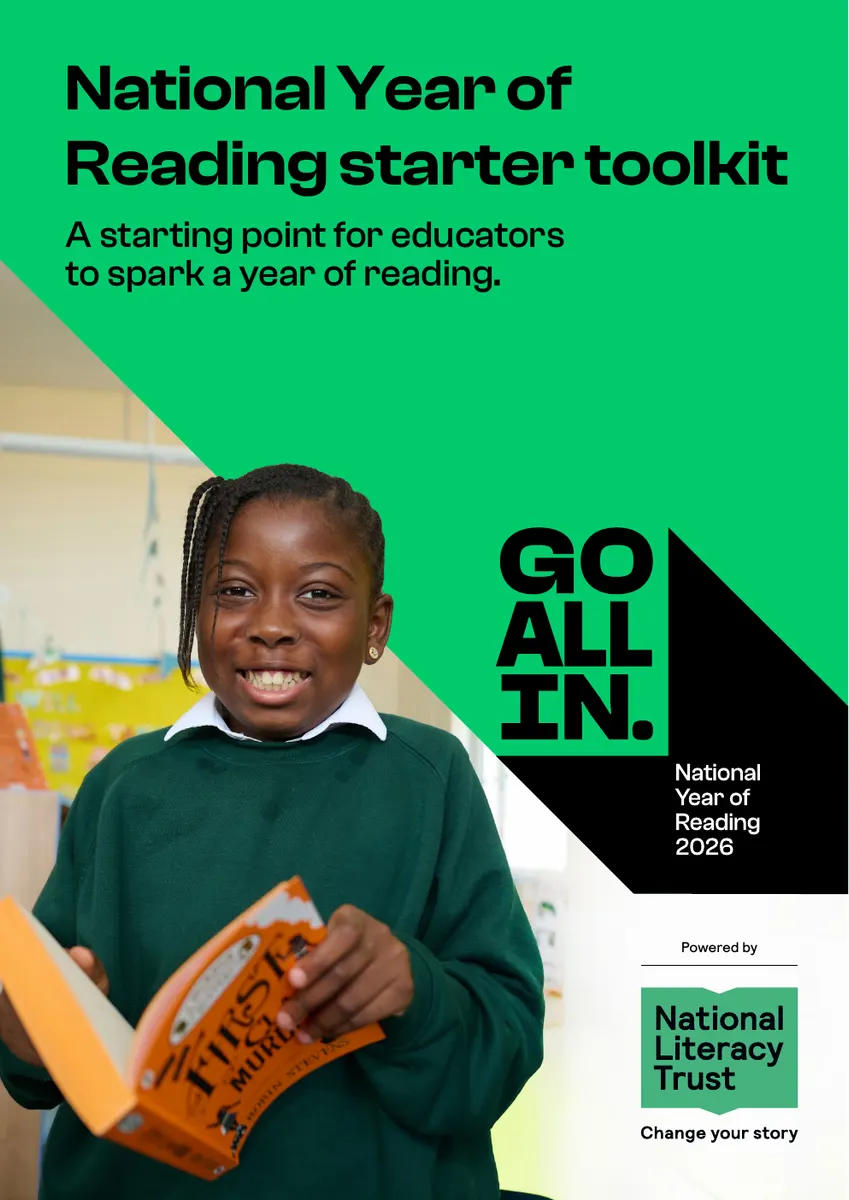
National Year of Reading Starter Toolkit
The National Literacy Trust’s National Year of Reading starter toolkit gives educators a free starting point for sparking a year of reading, with school and early-years launch materials for the 2026 campaign.
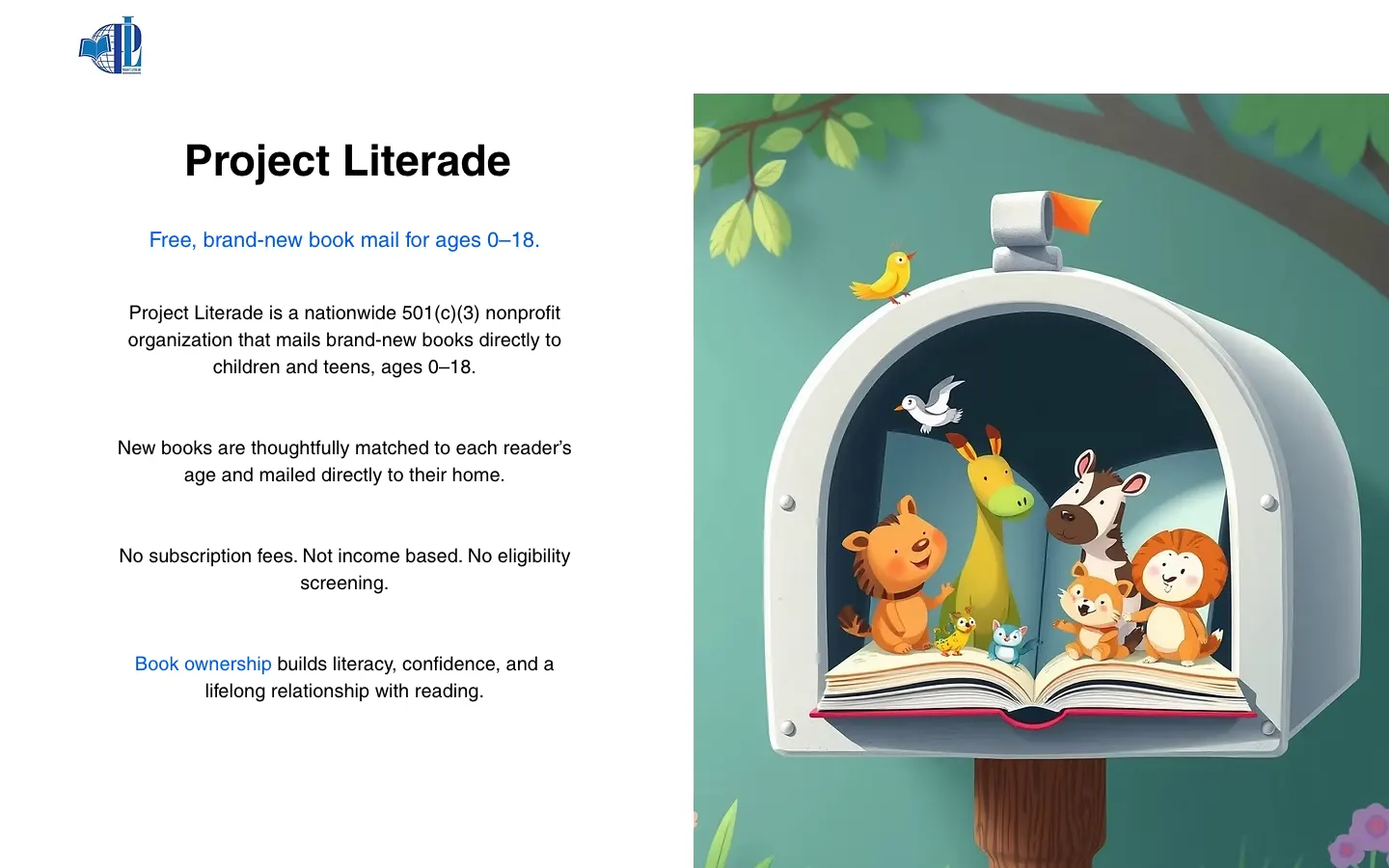
Project Literade
A nationwide nonprofit book-mail program that sends brand-new, age-matched books to children and teens from birth through age 18, supporting book ownership and literacy. It is listed under Reading and Family learning for ages 0–18.
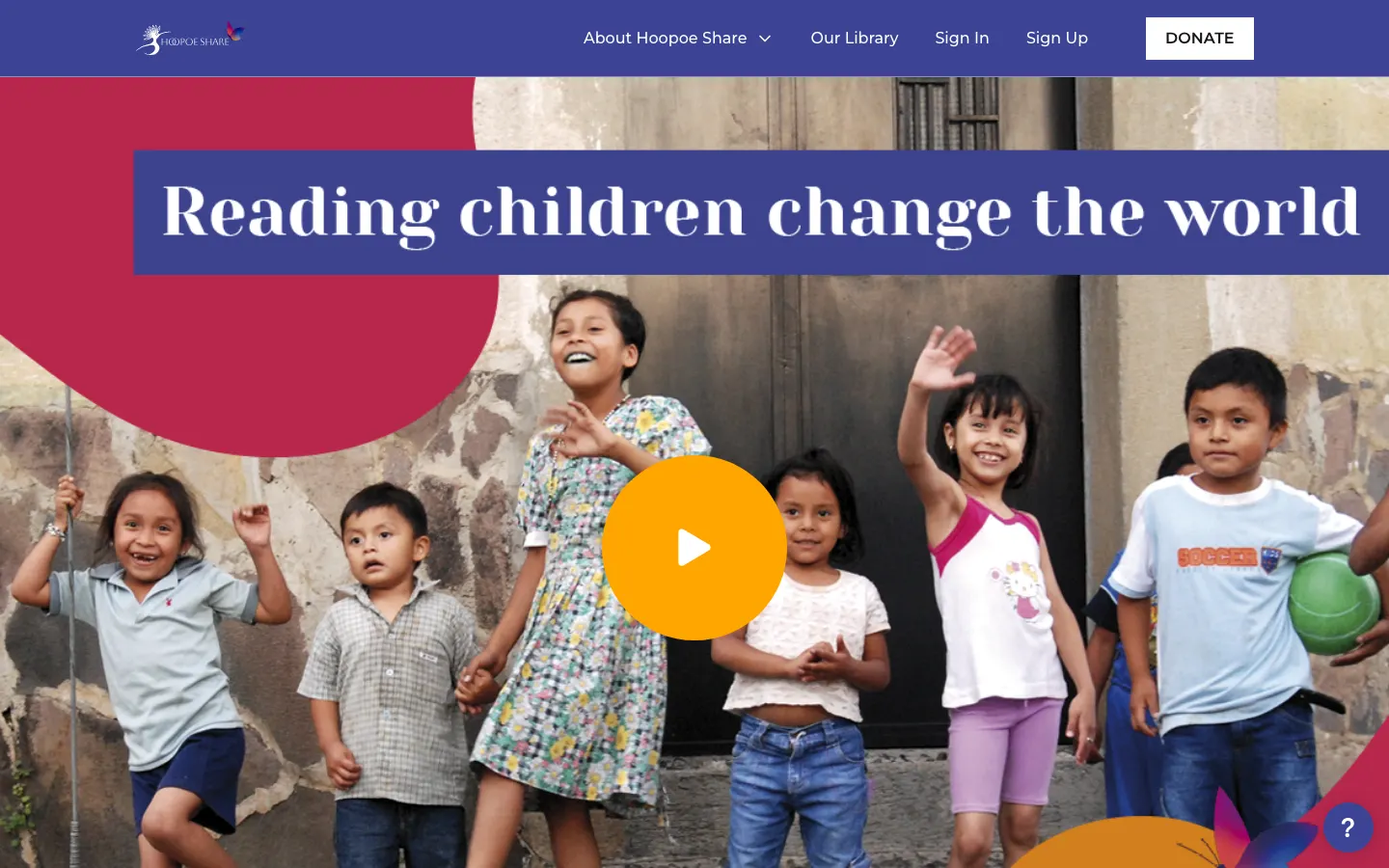
Hoopoe Share
A children’s literacy and book-sharing platform that promotes reading access through stories, family participation, and community support. It is listed under Reading and Family learning for ages 3–12. Children and families can use it through a website.
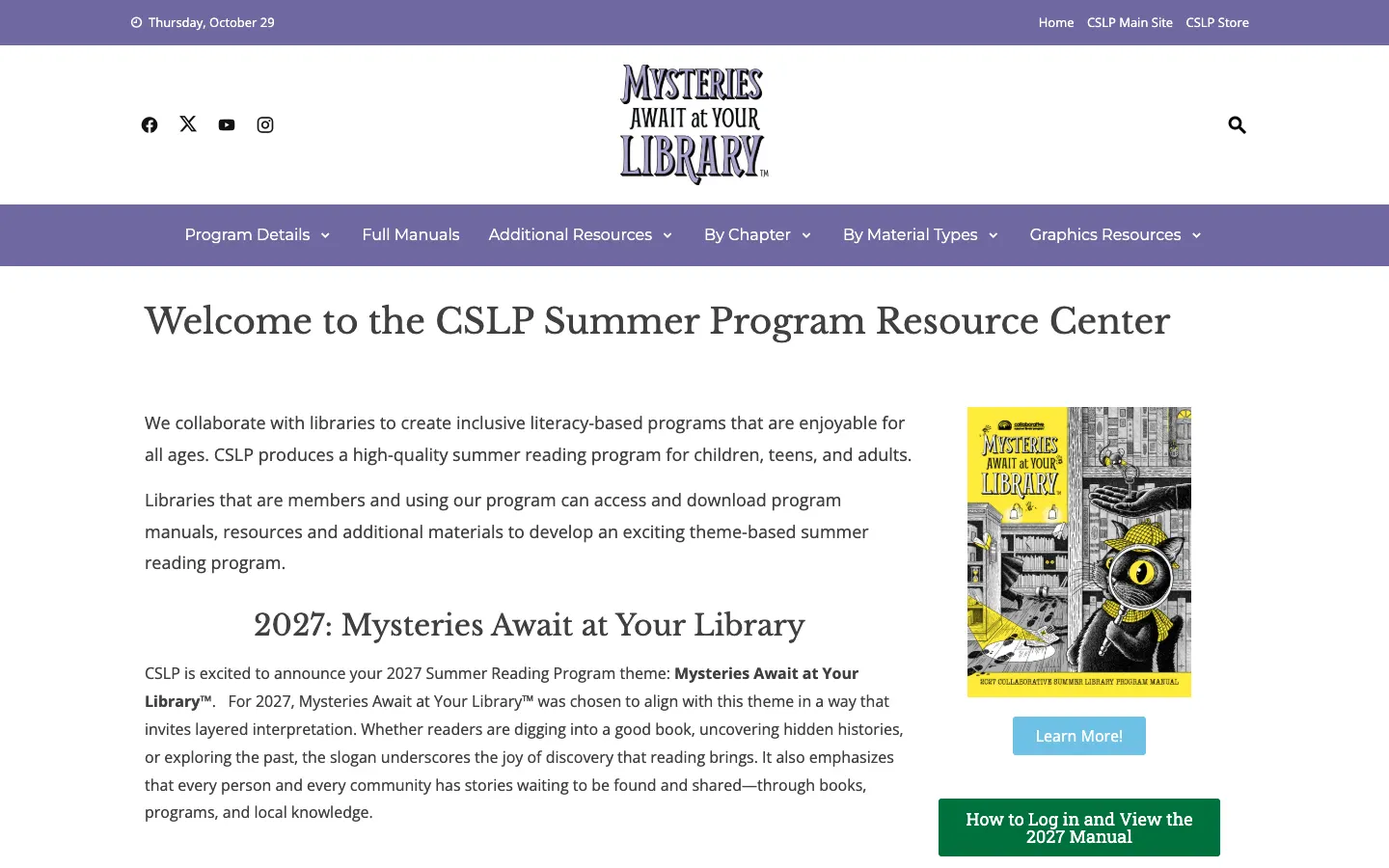
CSLP 2027 Mysteries Await at Your Library
The Collaborative Summer Library Program’s official 2027 resource center supports member libraries running inclusive, literacy-based summer programs for children, teens and adults under the theme Mysteries Await at Your Library.
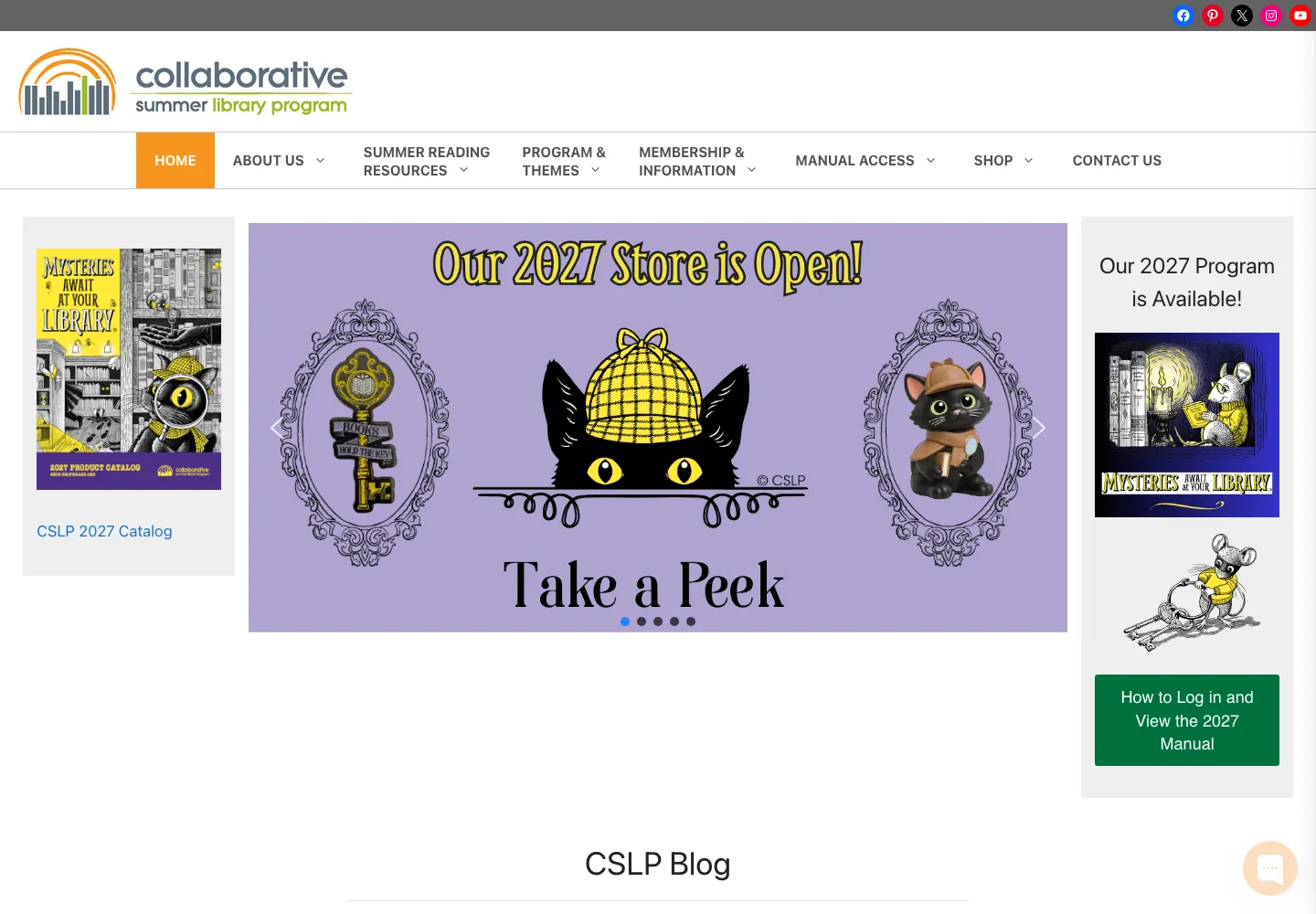
Collaborative Summer Library Program
The Collaborative Summer Library Program is a public-library program hub offering children’s summer reading themes, promotional materials and family literacy resources that libraries can use with local communities. It is listed under Literacy and Libraries for ages 3–12.
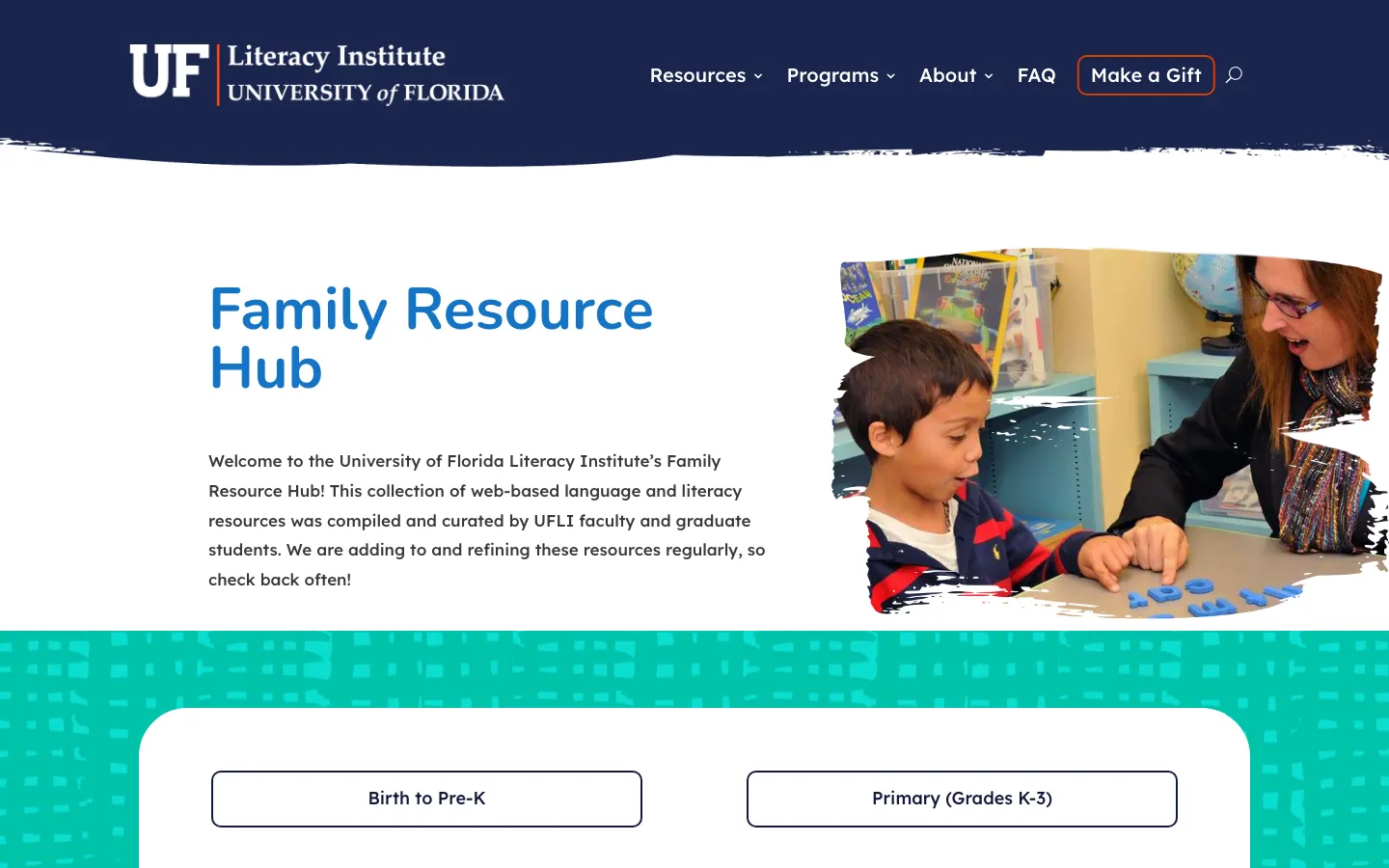
UFLI Family Resource Hub
The University of Florida Literacy Institute Family Resource Hub is a curated collection of web-based language and literacy resources organized for birth to pre-K, primary, intermediate, and secondary learners. It is listed under Reading and Literacy for ages Birth–18; resource-specific.

Kids Read Now
Kids Read Now is a literacy program that helps children build reading habits with curated books, family resources, and support for closing early reading gaps. It is listed under Literacy and Reading for ages 4–12.
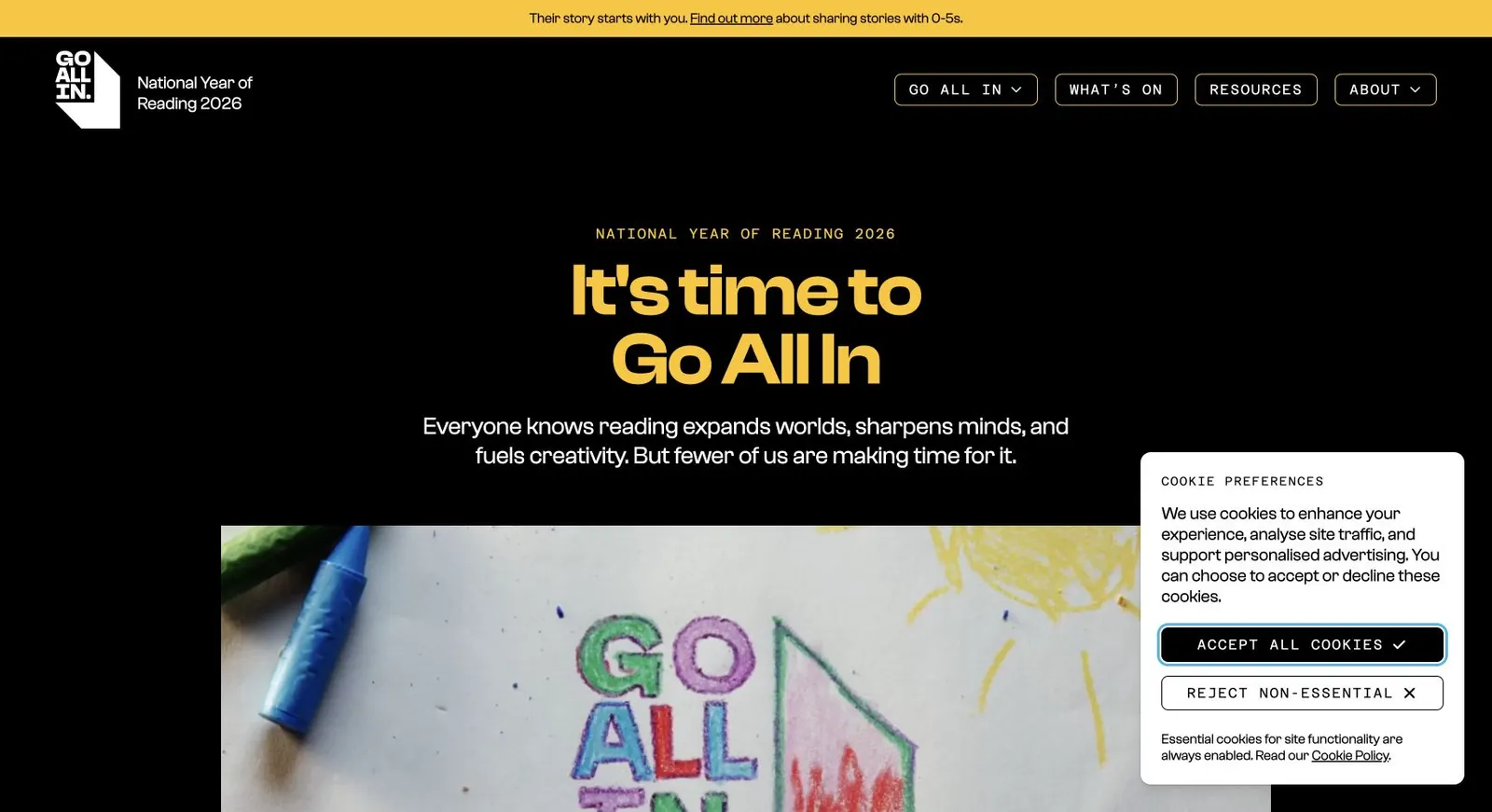
Go All In: National Year of Reading 2026
Go All In is the official National Year of Reading 2026 campaign hub, with family guides, educator resources, events, and reading-for-pleasure support for children and young people across the UK.
National Year of Reading 2026 – The Reading Agency
The Reading Agency’s official National Year of Reading 2026 page explains the UK campaign, its public-library support, free activity and communications toolkits, and the Summer Reading Challenge for children aged 4–11.
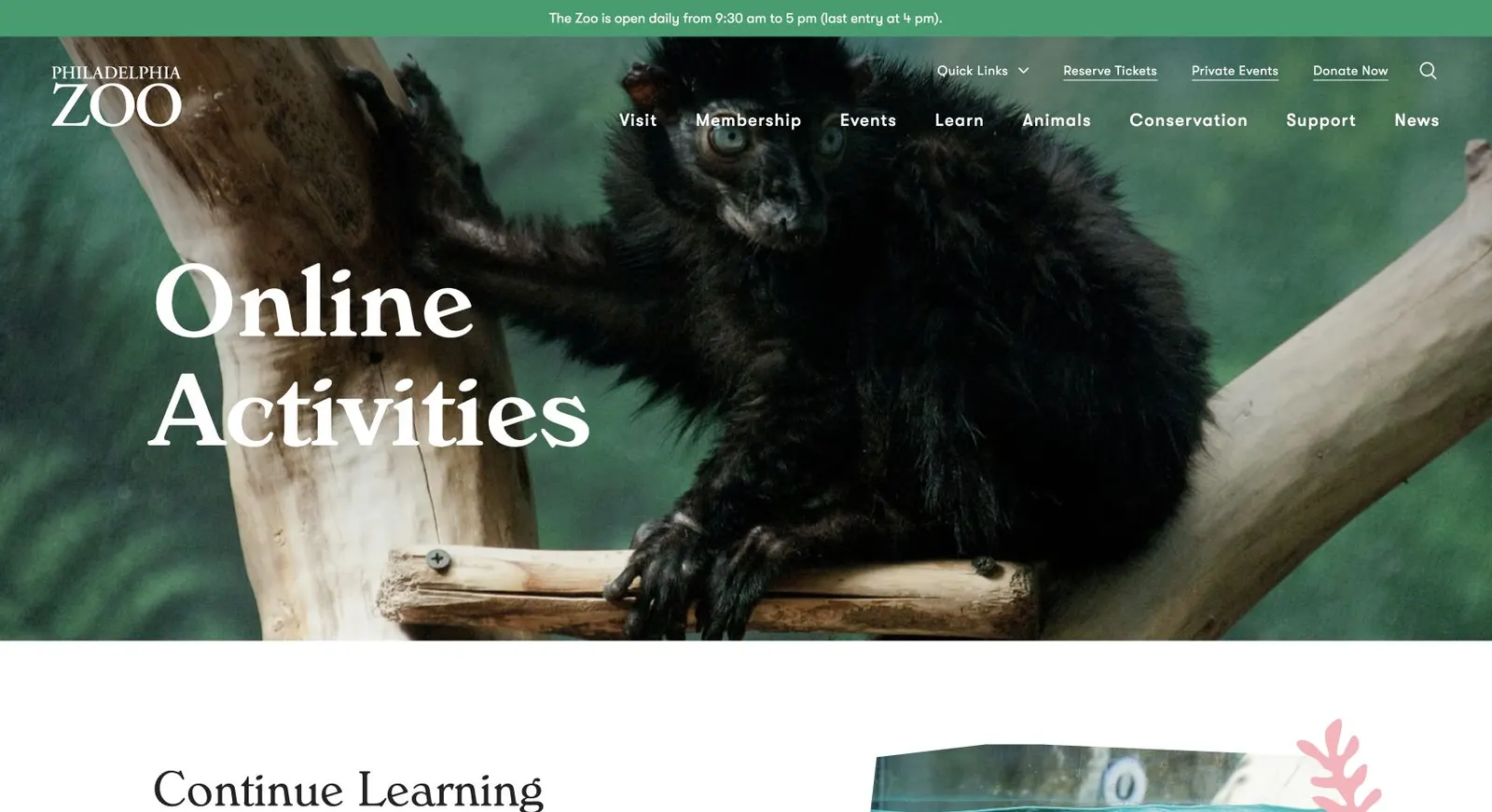
Philadelphia Zoo Online Activities
The Philadelphia Zoo provides DIY animal activities, science worksheets, scavenger hunts, reading and writing prompts, puzzles, and coloring pages for home learning. It is listed under Nature & environment and Science for ages 5–14.
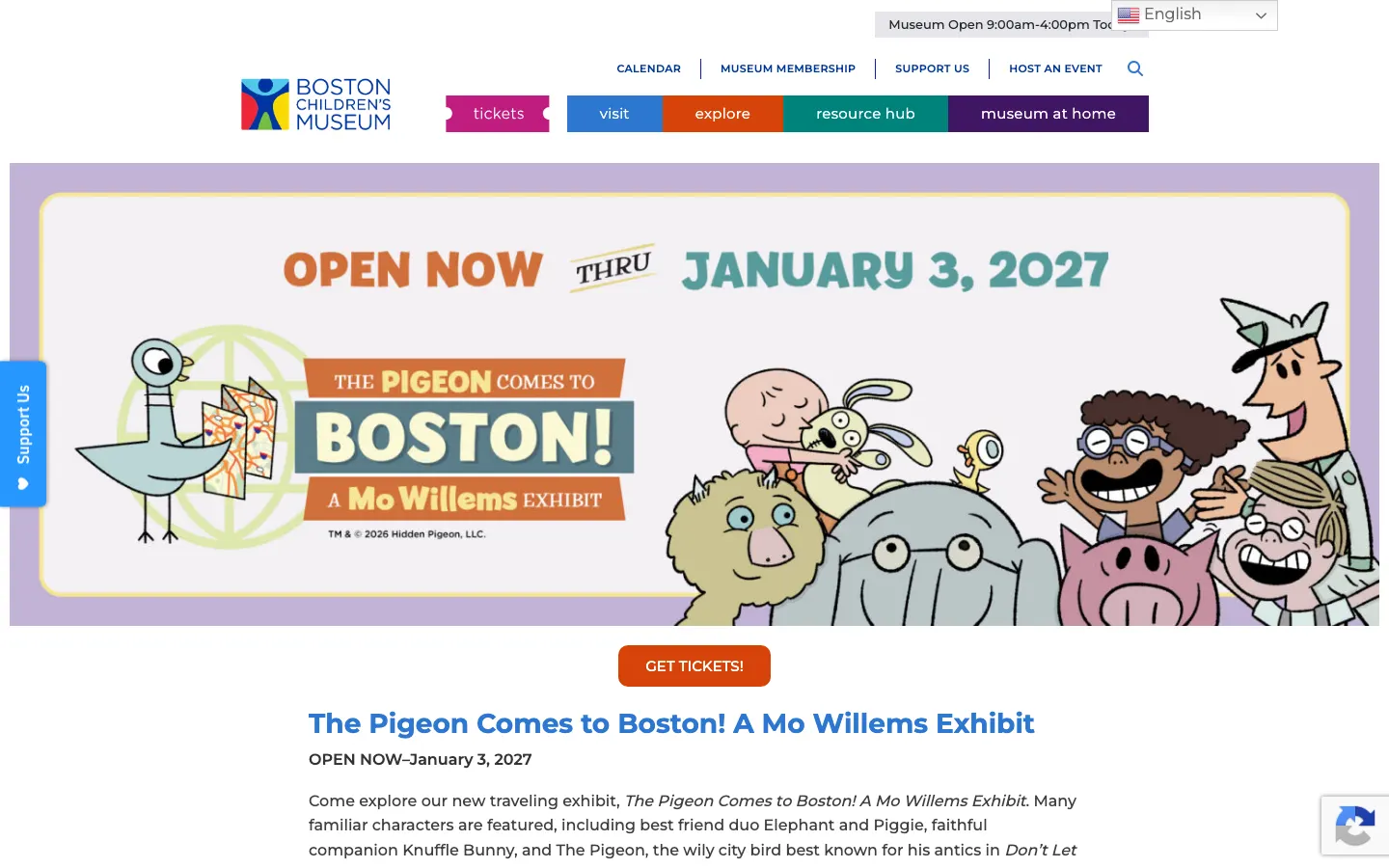
The Pigeon Comes to Boston! A Mo Willems Exhibit
The Pigeon Comes to Boston! is a Boston Children’s Museum art and literacy exhibit inviting children and families to explore Mo Willems characters through drawing, storytelling, play, and hands-on creative activities.
Compare with context
Use this collection to find a direction, then open each resource page before sharing it with a child. The individual review shows languages, access formats, tags, age guidance, source links, and notes for grown-ups.
Search the full directory →