Family learning Coding
for kids
Explore 20 trusted family learning coding resources selected for curious kids, with clear ages, access details, and parent context.
Two useful ways to narrow the directory
This page brings together family learning resources that also match coding. Each listing keeps its own age range, platform details, languages, links, and parent notes, so you can compare options without losing context.
Explore all family learning resources →
Code{Kidz}
A child-focused coding and digital-literacy platform that introduces coding, AI, and cybersecurity through stories, books, and an official cartoon series. It is listed under Coding and Digital literacy for ages Children; exact age range not stated.
Read the full resource review →More family learning picks
CodingToAll
CodingToAll is a student-created nonprofit offering free coding education, personalized curriculum, and online sessions in partnership with libraries and community organizations. It is listed under Coding and Technology for ages School-age; session-specific. Children and families can use it through a website.
Scratch Foundation
The Scratch Foundation supports Scratch as a free creative-learning community where young people make stories, games, and animations and share projects in a moderated environment. It is listed under Coding and Arts & creativity for ages 8–16.
Kids Code and Play
Kids Code and Play is a Calgary nonprofit providing free coding education for children ages 5–15, including programming, AI, algorithms, and creative app-building projects. It is listed under Coding and Science for ages 5–15.

Kids Code & Computer Science STEAM
Kids Code & Computer Science is a nonprofit source of kid-friendly STEAM content for adults and children to learn together, with a computing publication restarting as a weekly newsletter in 2026.
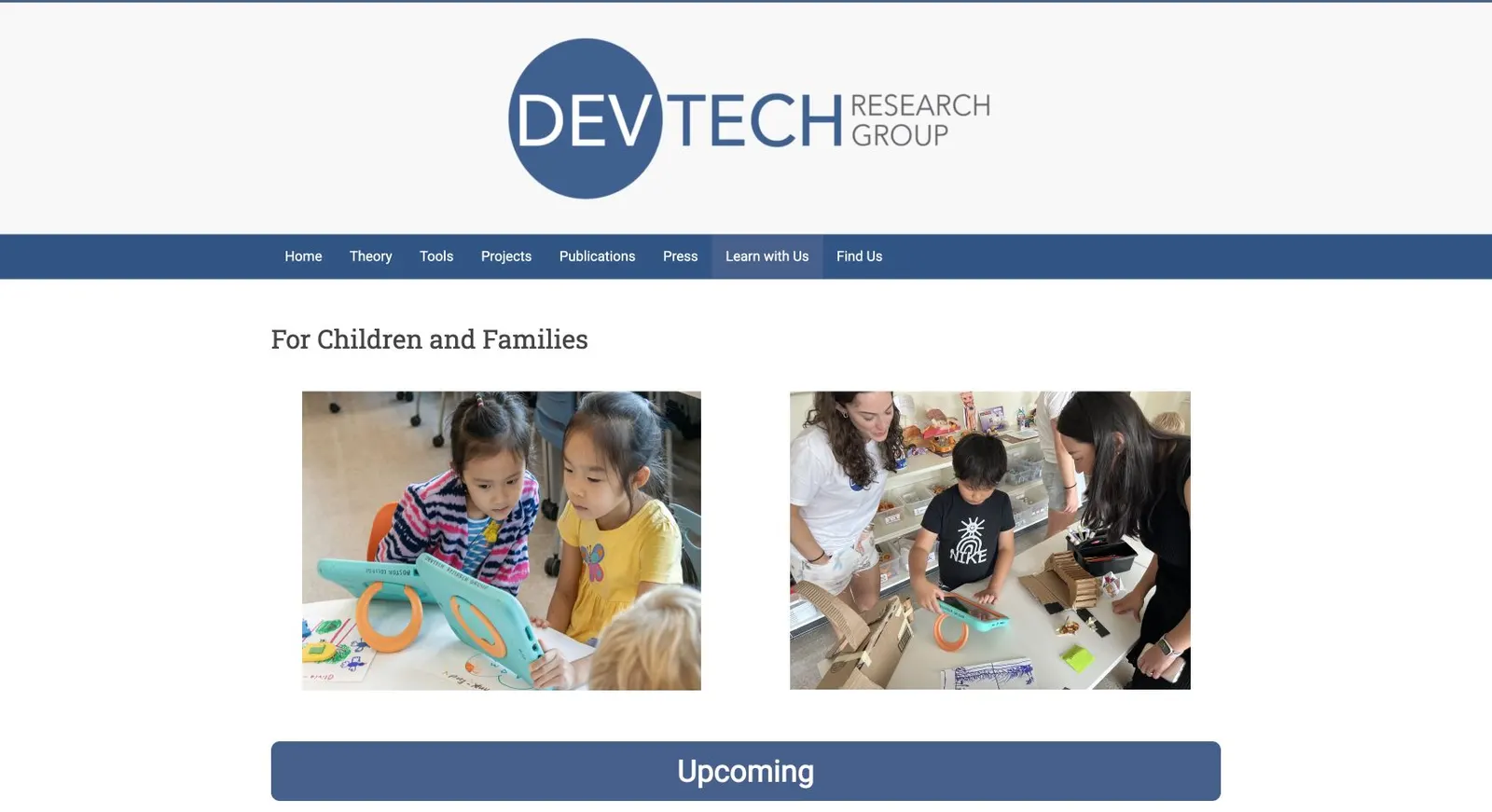
DevTech Children and Families
Boston College’s DevTech Research Group offers family coding activities using ScratchJr and KIBO, including family coding days, beginner workshops, and child-friendly robotics and storytelling projects. It is listed under Coding and Maker & DIY for ages 5–14.
Computer4Kids
Computer4Kids is a free nonprofit technology-learning site for families, with age-starting programs, cyber-safety guidance, typing, games, workshops, and beginner computer skills. It is listed under Coding and Digital literacy for ages 5+. Children and families can use it through a website.
Stanford Code in Place
Stanford’s Code in Place is a free online introduction to Python based on CS106A, with weekly sections, assignments, a six-week syllabus, and a supportive global learning community. It is listed under Coding and Programming for ages 13–18+.
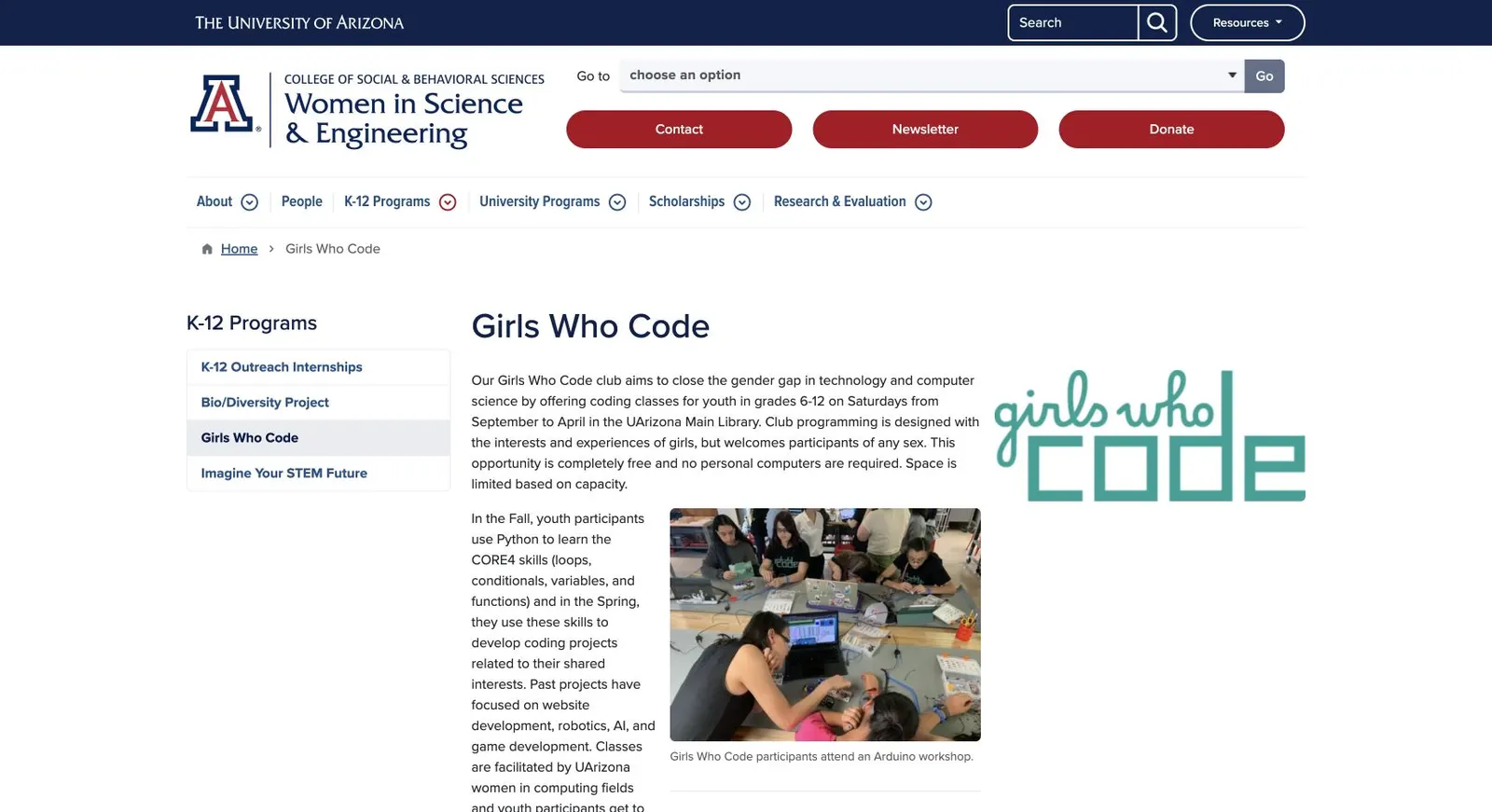
UArizona Girls Who Code Club
The University of Arizona’s Girls Who Code club offers free Saturday coding classes for grades 6–12, including Python, Arduino, robotics, AI, website development, and game projects. It is listed under Coding and Science for ages 11–18.
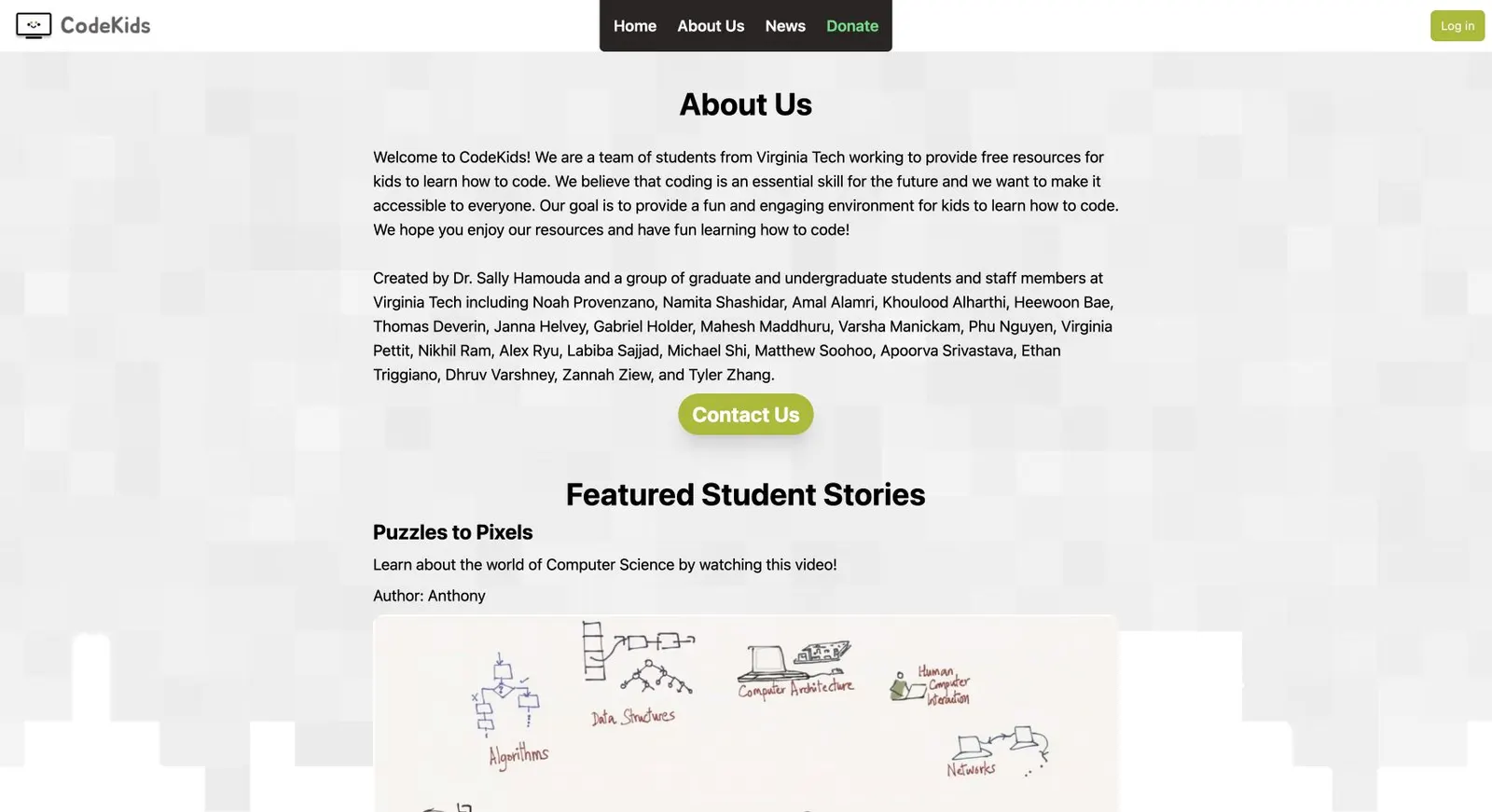
Virginia Tech CodeKids
Virginia Tech’s CodeKids project provides free child-facing coding resources and stories designed to make computer science approachable and engaging. It is listed under Coding and Problem solving for ages 7–14. Children and families can use it through a website and downloadable resources.
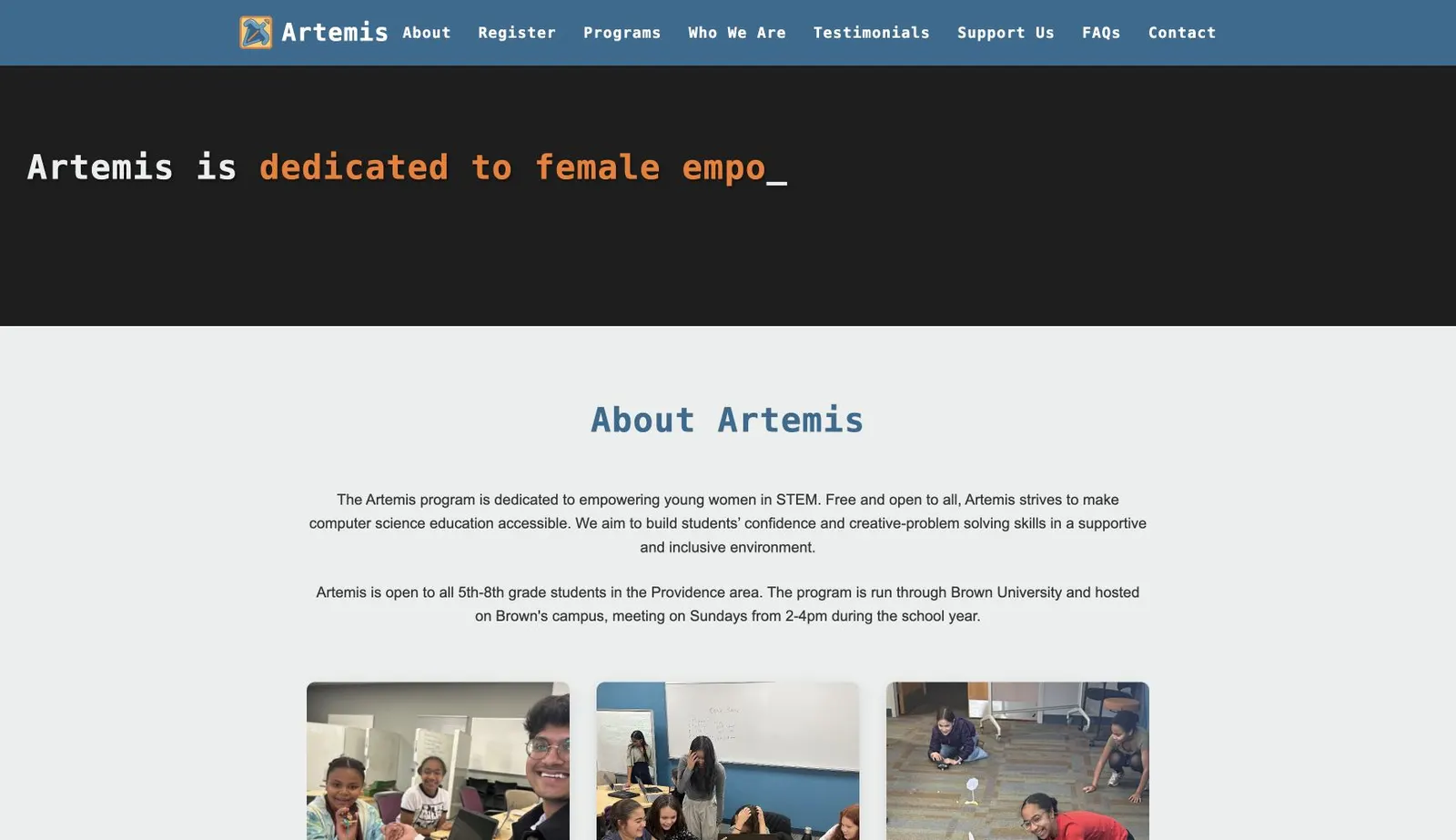
Brown University Artemis Coding Program
Brown University’s Artemis program offers free, supportive computer-science learning for Providence-area students in grades 5–8 through Microbits, Scratch, and Python tracks. It is listed under Coding and Science for ages 10–14. Children and families can use it through a website.
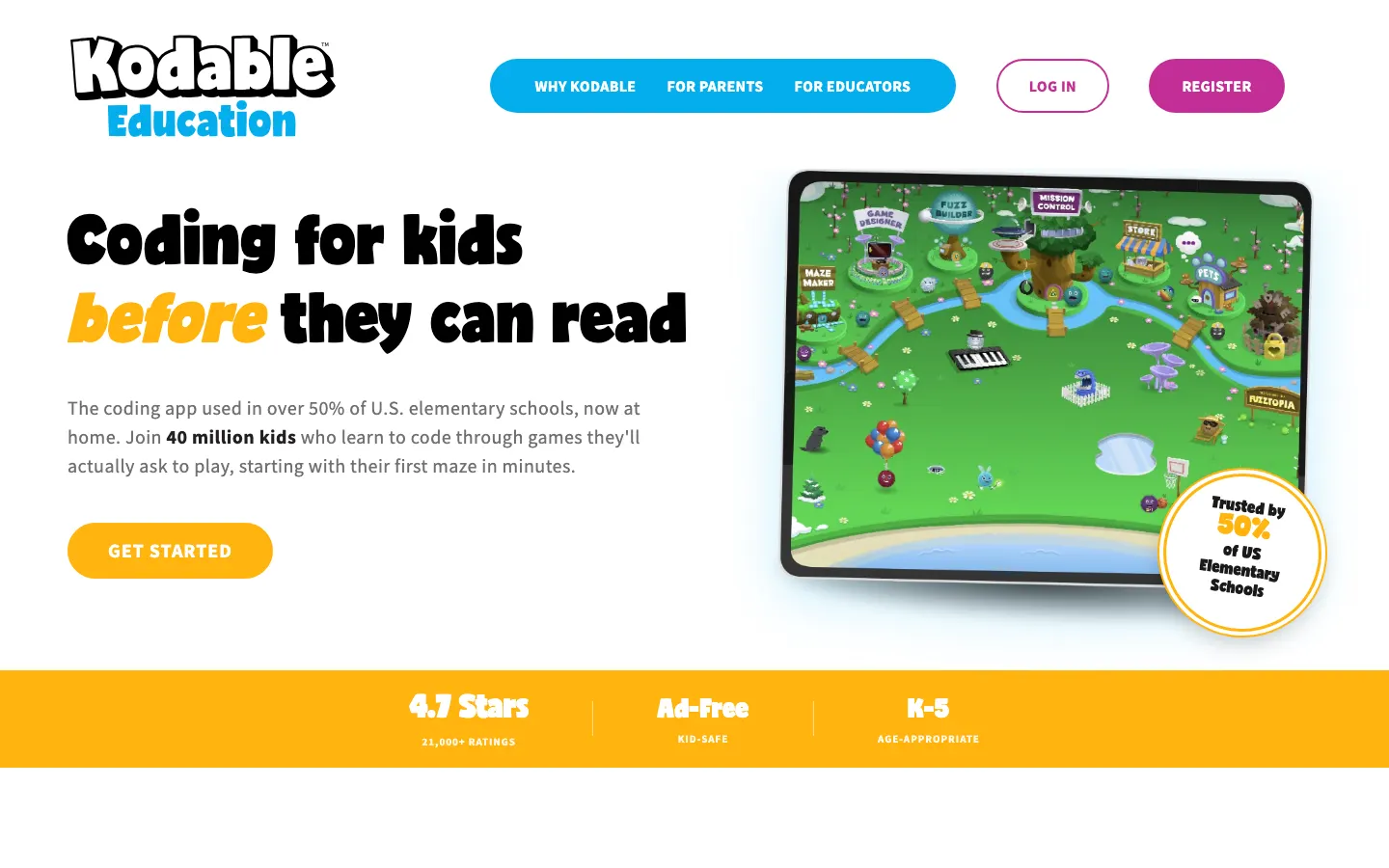
Kodable Coding for Kids
Kodable teaches foundational programming through playful puzzles, games, and guided coding activities, with a clear early-reader-friendly focus on logic and sequencing. It is listed under Coding and Math for ages 4–10. Children and families can use it through a website.
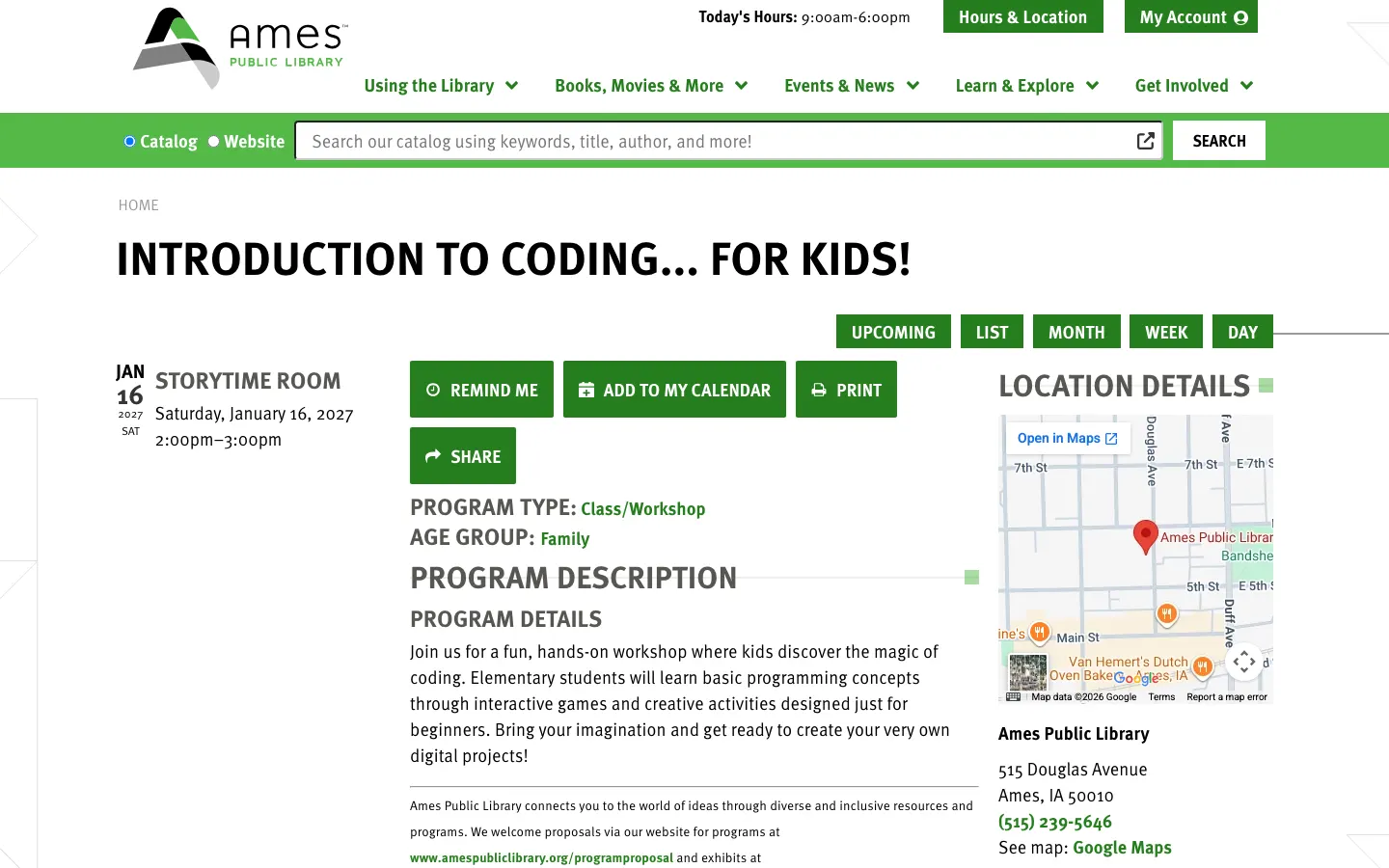
Ames Public Library: Introduction to Coding for Kids
A hands-on beginner coding workshop where elementary students learn programming concepts through interactive games and creative activities, then create digital projects. It is listed under Coding and Libraries for ages Elementary students and families.
Compare with context
Use this collection to find a direction, then open each resource page before sharing it with a child. The individual review shows languages, access formats, tags, age guidance, source links, and notes for grown-ups.
Search the full directory →