Early learning Vocabulary
for kids
Explore 19 trusted early learning vocabulary resources selected for curious kids, with clear ages, access details, and parent context.
Two useful ways to narrow the directory
This page brings together early learning resources that also match vocabulary. Each listing keeps its own age range, platform details, languages, links, and parent notes, so you can compare options without losing context.
Explore all early learning resources →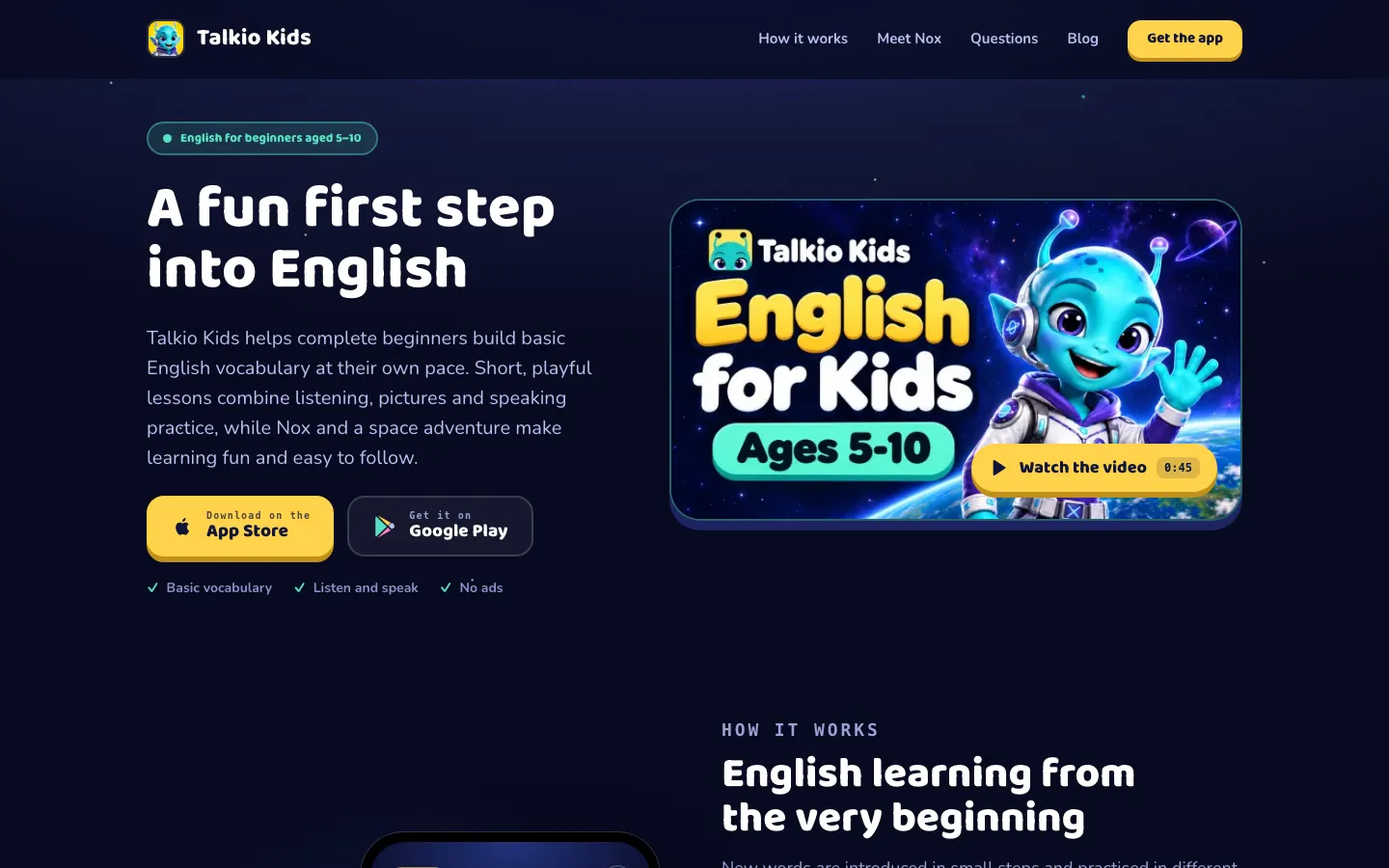
Talkio Kids
Talkio Kids is an English-learning app for beginners ages 5–10, combining short listening, picture, and speaking lessons with a playful space adventure. It is listed under Language and Early learning for ages 5–10. Children and families can use it through a website and an Android app.
Read the full resource review →More early learning picks
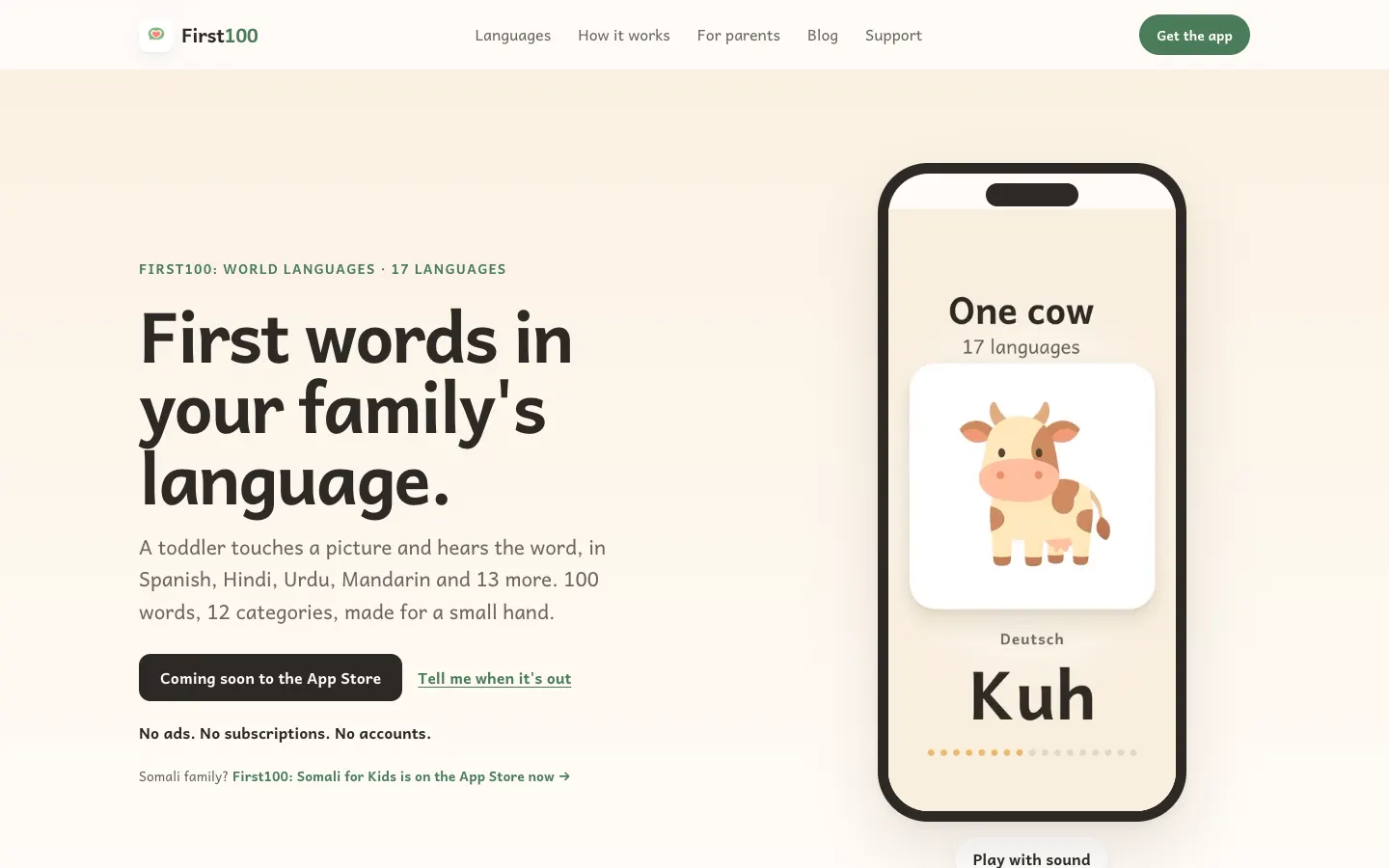
First100
First100 is a calm first-words app that lets toddlers hear 100 everyday words in a family language, with the Somali edition available on the App Store. It is listed under Language and Early learning for ages Toddlers and young children.
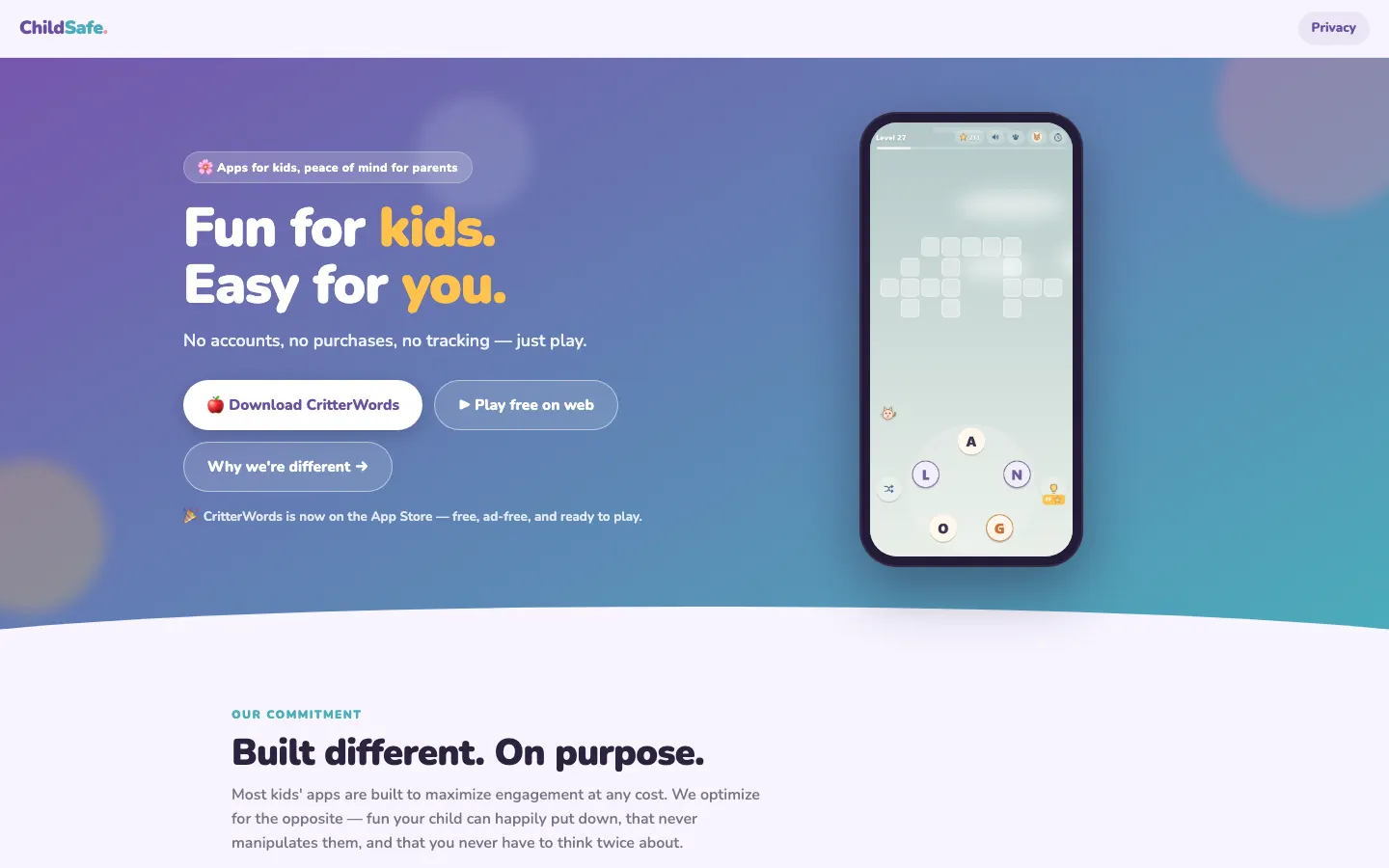
ChildSafe
ChildSafe is a small collection of calm, ad-free kids apps, currently featuring CritterWords for vocabulary and spelling with a playable web version and an official iOS listing. It is listed under Apps and Literacy for ages 6+.
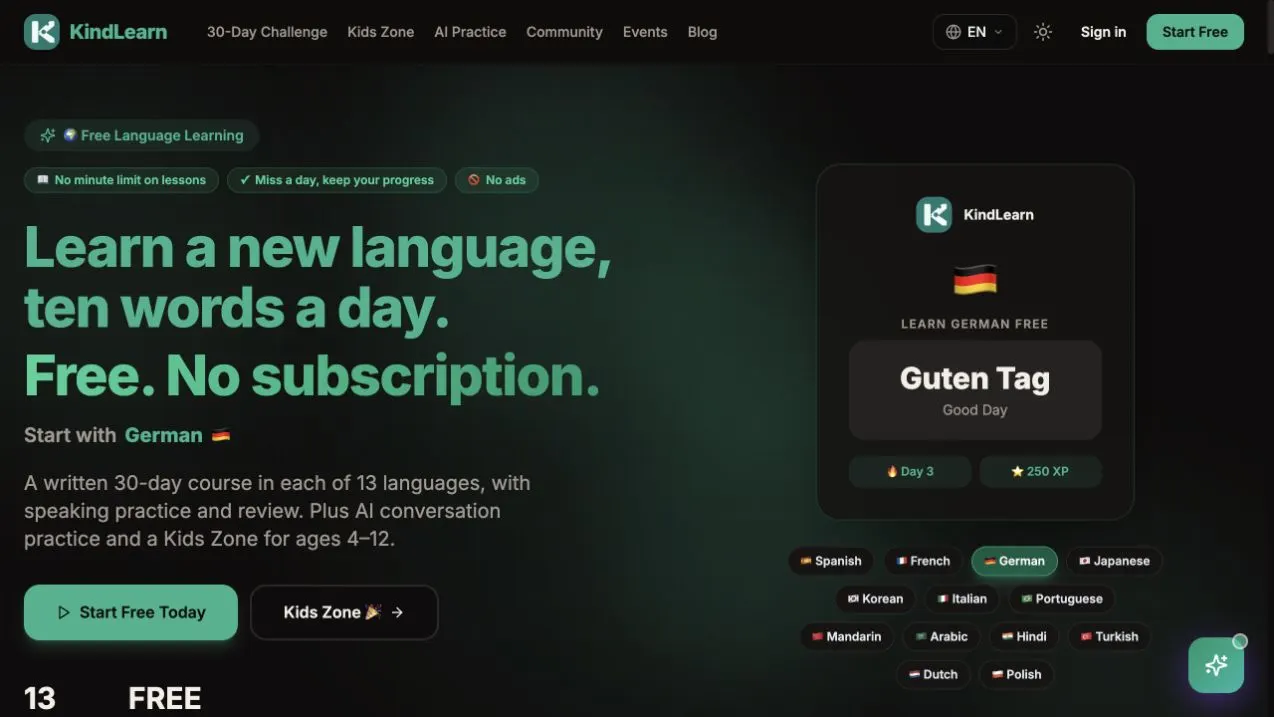
KindLearn Kids Zone
KindLearn is a free browser language-learning app with a Kids Zone for ages 4–12, offering 30-day beginner courses, listening practice, quizzes, and read-aloud word cards across 13 languages. It is listed under Language and Early learning for ages 4–12.
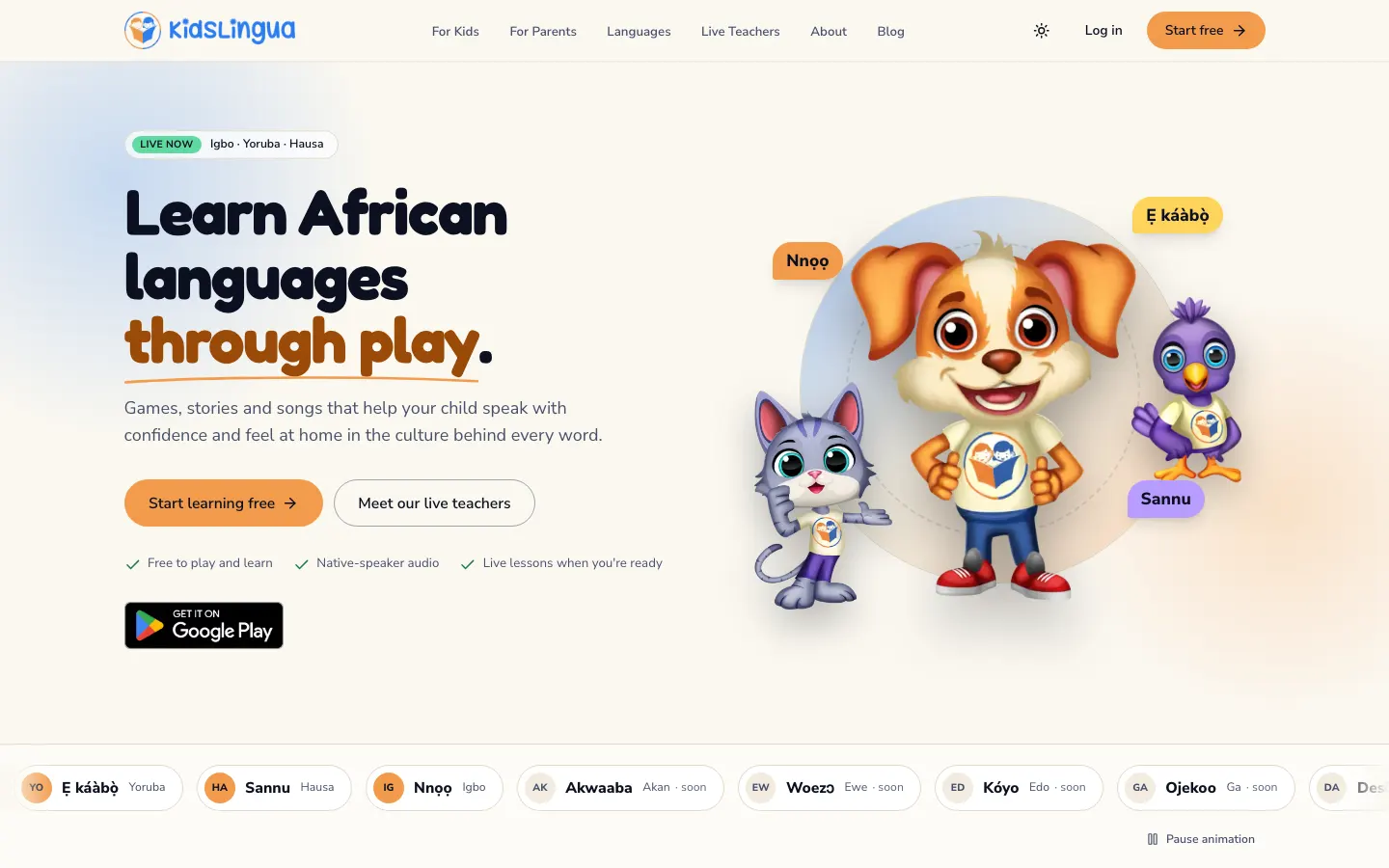
KidsLingua
A playful language-learning platform focused on African languages, with word puzzles, memory games, quizzes, cultural context, and optional live lessons with native-speaking teachers. It is listed under Languages and Early learning for ages Children and families; activity-specific.
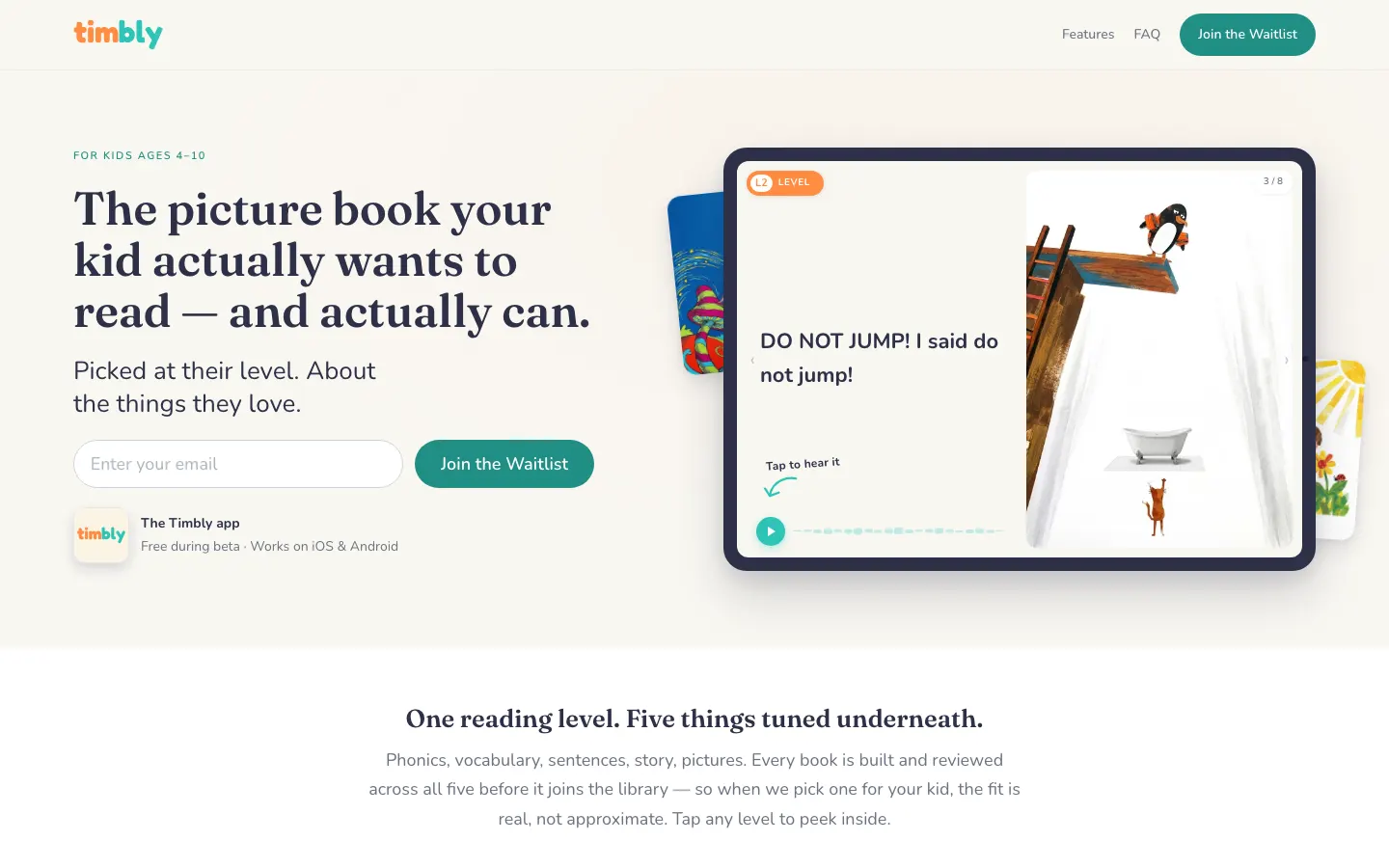
Timbly
Timbly gives children ages 4–10 picture books matched to their reading level, with phonics, vocabulary, sentence, story, and picture progression plus parent-visible reading habits. It is listed under Reading & literacy and Apps for ages 4–10.
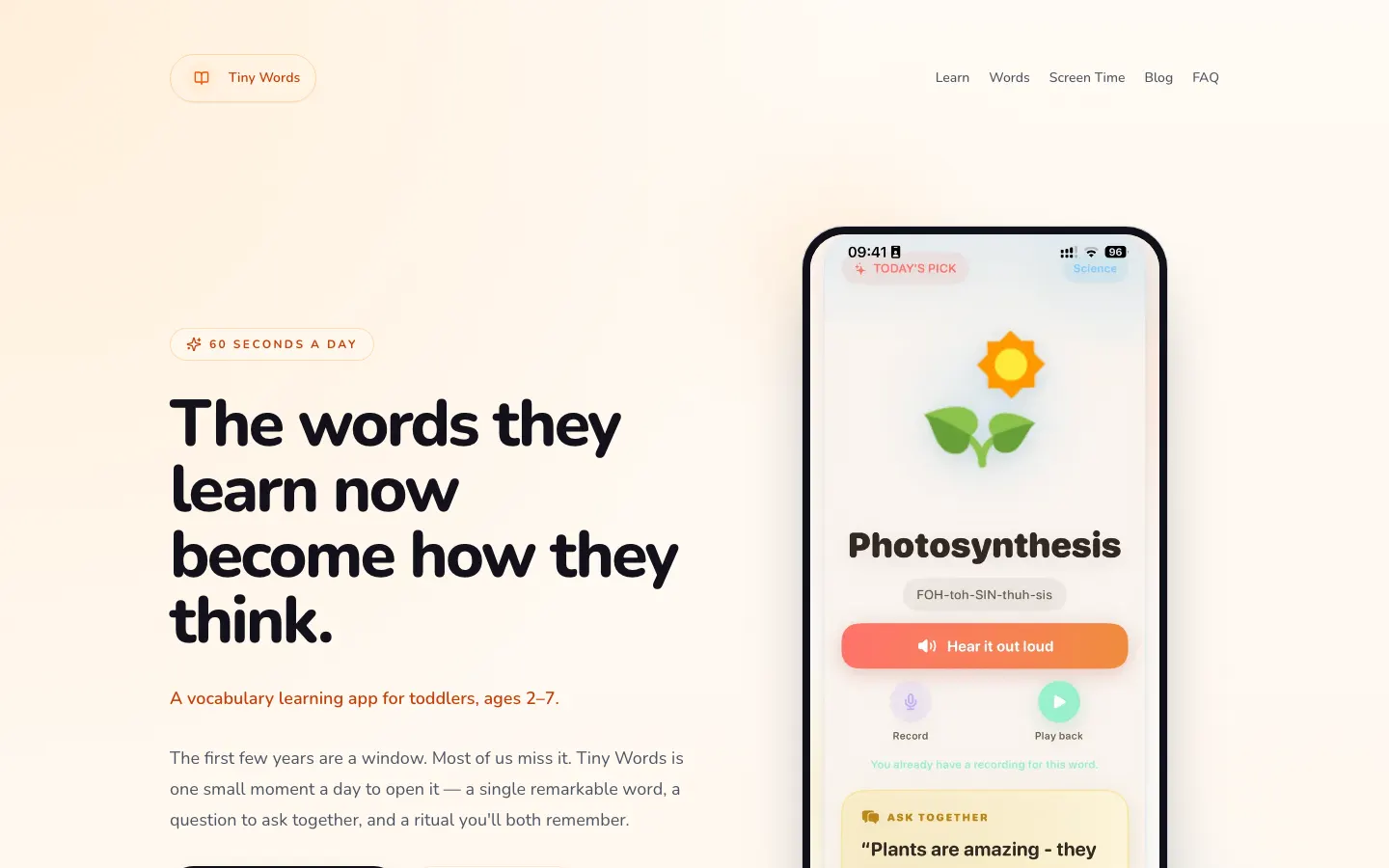
Tiny Words
A vocabulary learning app for ages 2–7 built around one meaningful word a day, pronunciation support, a question to discuss together, and a short family learning ritual. It is listed under Language and Early learning for ages 2–7.
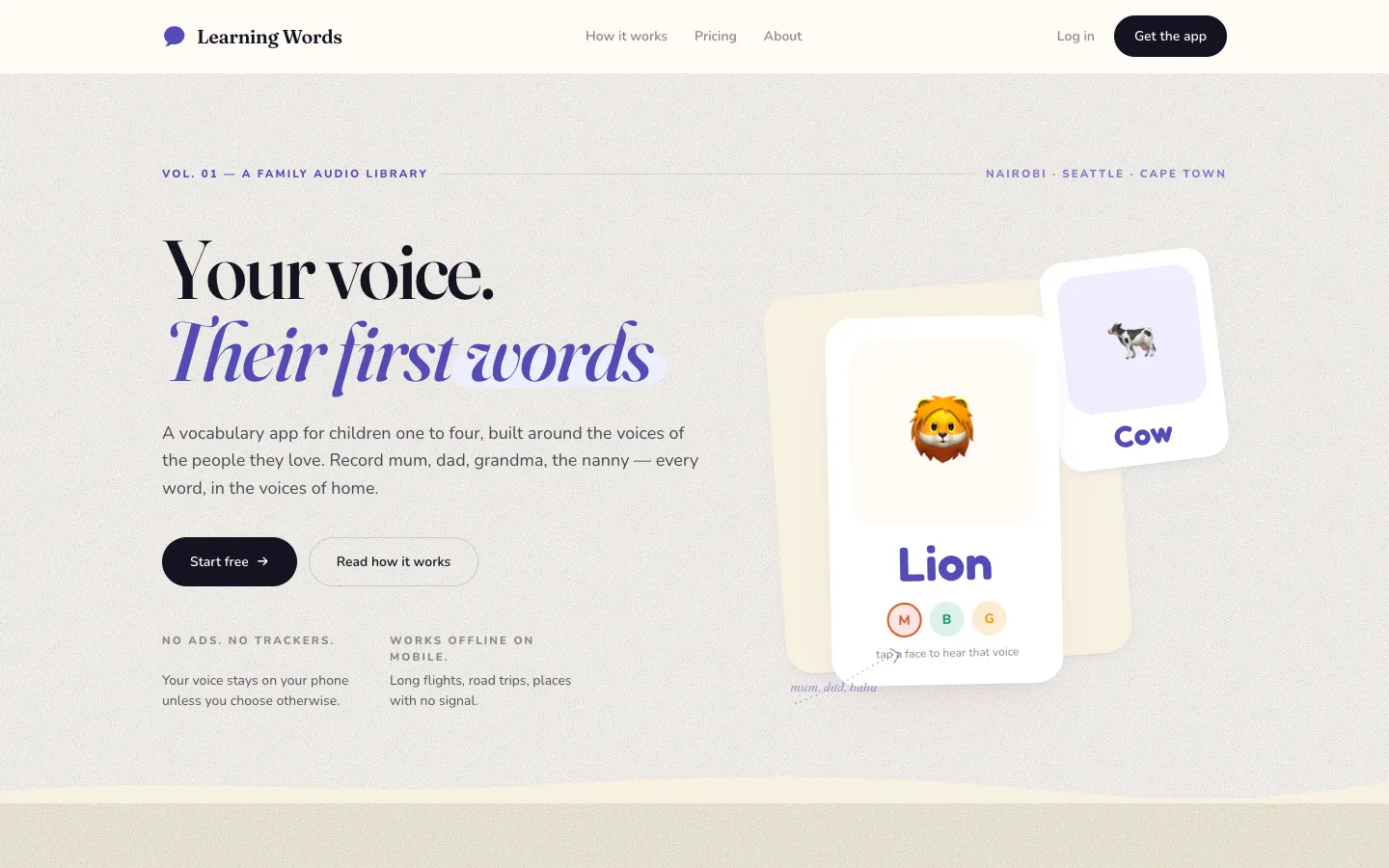
Learning Words
Learning Words is a parent-led vocabulary app for children ages 1–4 built around recorded voices from family members, offline use, and calm picture-and-audio exploration. It is listed under Language and Early learning for ages 1–4.
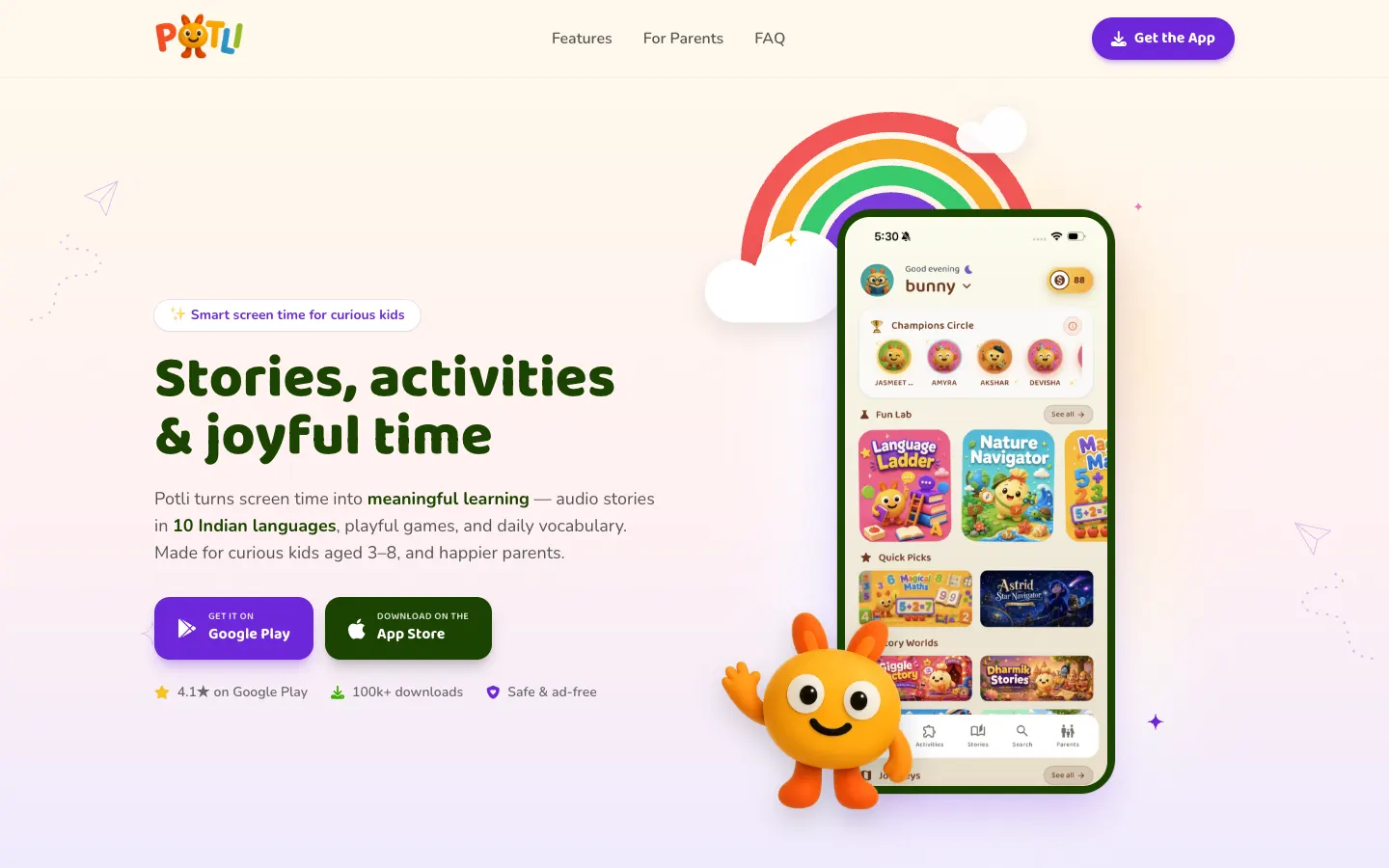
Potli
Potli combines children’s audio stories, games, and daily vocabulary practice to support early learning across Indian family languages. It is listed under Early learning and Reading for ages 3–8. Children and families can use it through a website.
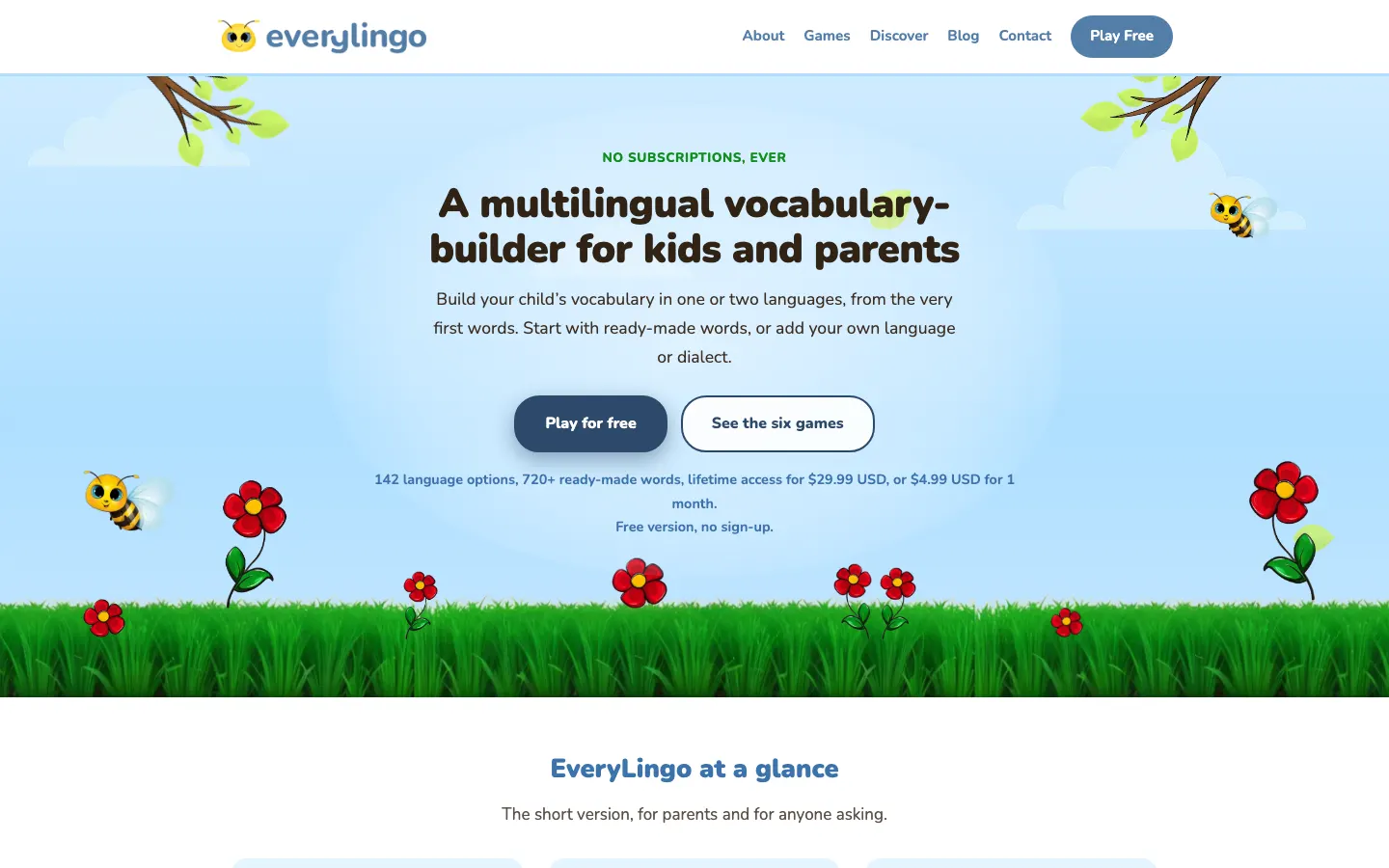
EveryLingo
EveryLingo is a multilingual vocabulary app for young children ages 0–6, using picture-and-audio cards, matching, and repetition games across language pairs. It is suited to short adult-guided practice that connects new words with everyday objects and routines. Adults should verify the current language pairs, pronunciation content, device requirements, and any account or pricing conditions.
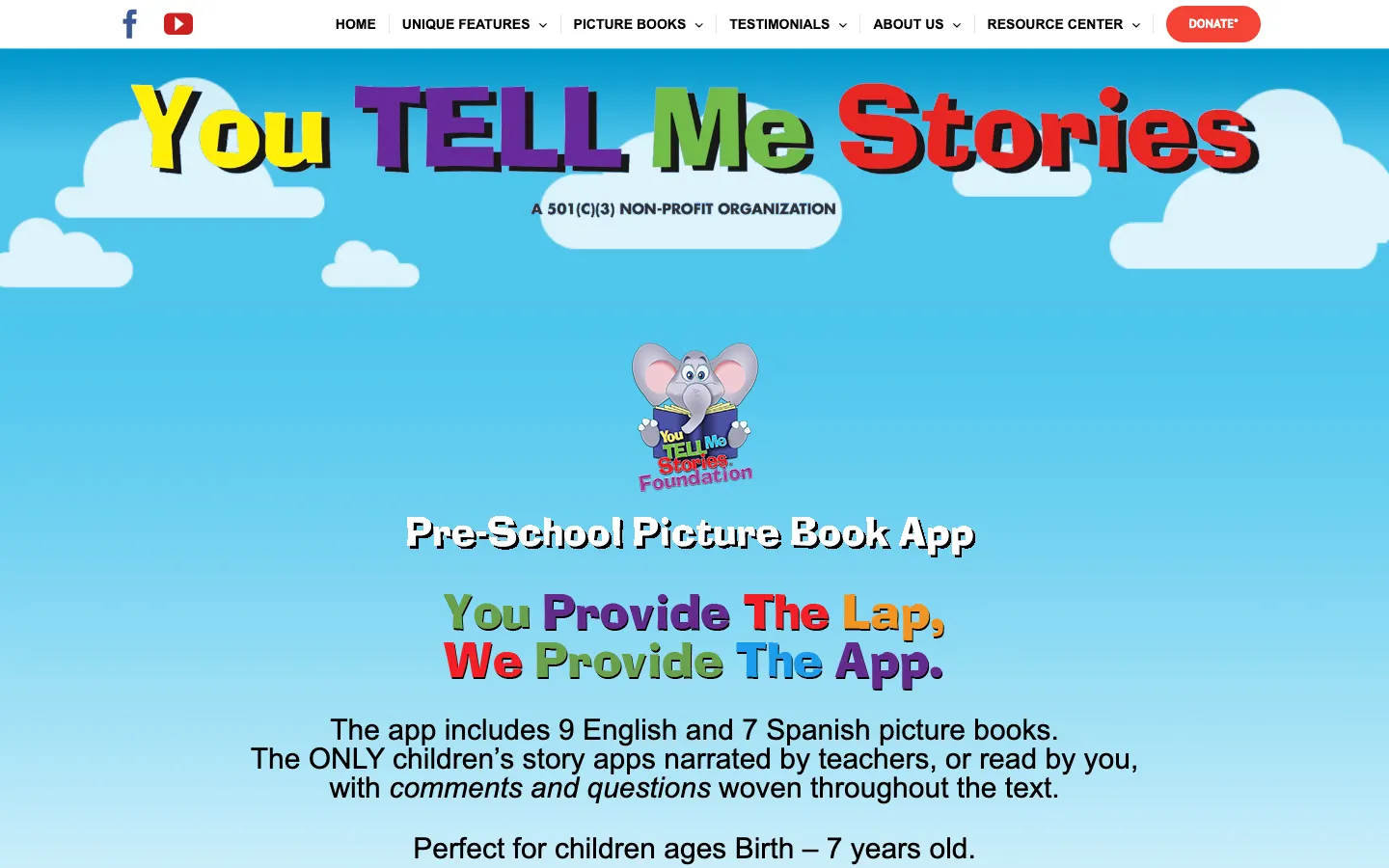
You TELL Me Stories
A nonprofit interactive picture-book library that models dialogic reading with teacher narration, WordWinks prompts, and retell, record, and share activities for young children and caregivers. It is listed under Reading and Early learning for ages Birth–7.
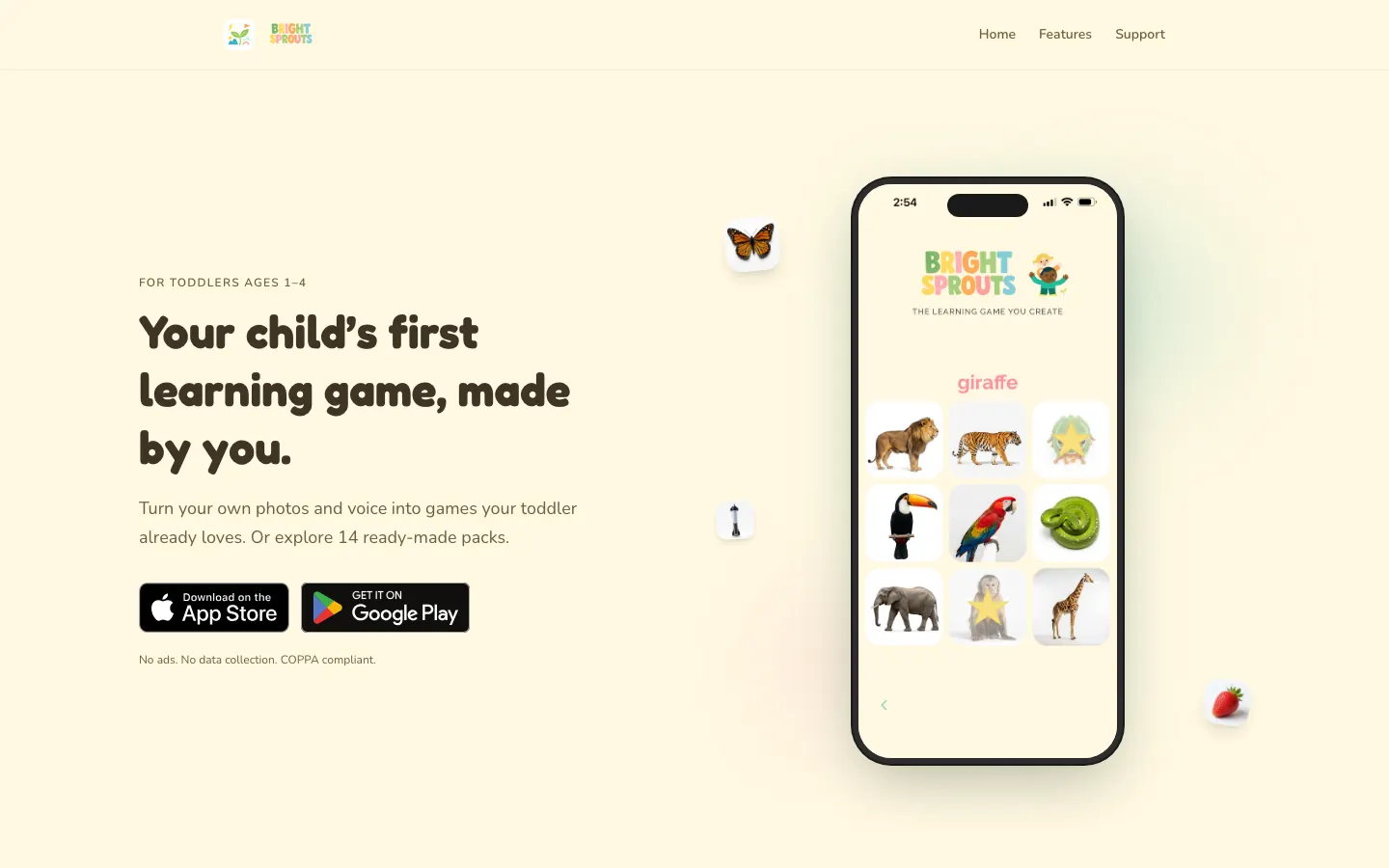
Bright Sprouts
A toddler learning game for ages 1–4 that lets families turn their own photos and voice into simple learning games, alongside 14 ready-made packs, with no ads and no data collection.
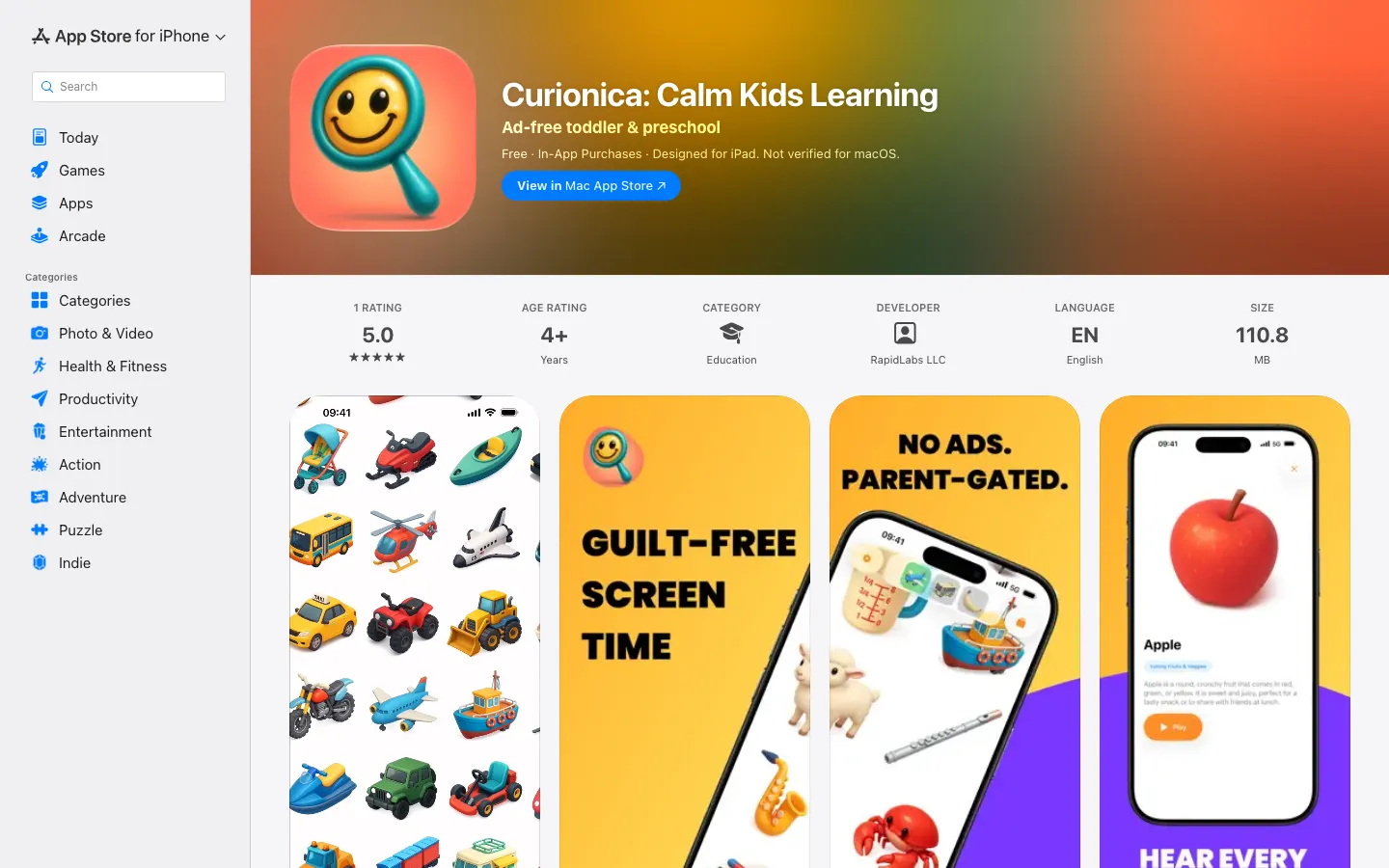
Curionica
Curionica is a calm vocabulary and discovery app for ages 3–7 with narrated everyday objects, daily quests, stickers, and parent-gated access. It is listed under Language and Early learning for ages 3–7. Children and families can use it through an iOS app.
Compare with context
Use this collection to find a direction, then open each resource page before sharing it with a child. The individual review shows languages, access formats, tags, age guidance, source links, and notes for grown-ups.
Search the full directory →