Early learning Nature
for kids
Explore 20 trusted early learning nature resources selected for curious kids, with clear ages, access details, and parent context.
Two useful ways to narrow the directory
This page brings together early learning resources that also match nature. Each listing keeps its own age range, platform details, languages, links, and parent notes, so you can compare options without losing context.
Explore all early learning resources →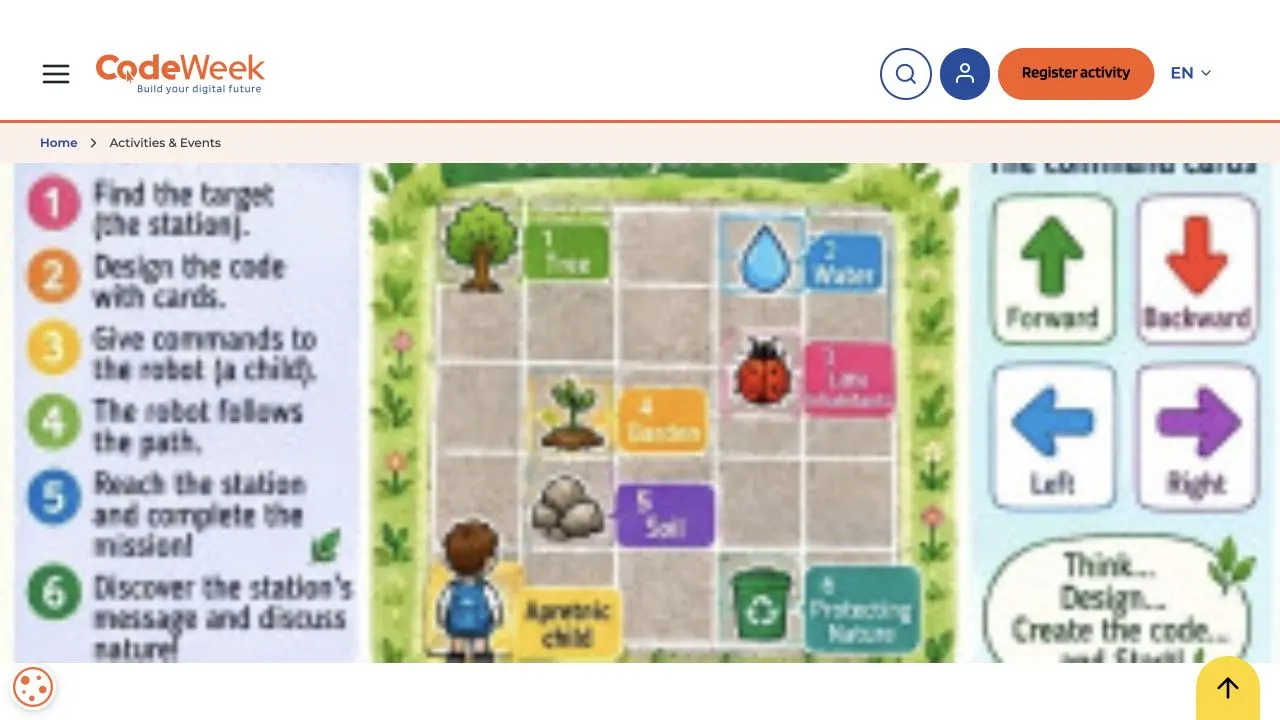
The Code of Nature
EU Code Week’s early-learning activity combines unplugged or Bee-Bot-style coding with outdoor observation missions about trees, water, soil, gardens and protecting nature. It is listed under Coding and Nature for ages Under 5; early learners.
Read the full resource review →More early learning picks
Naturely
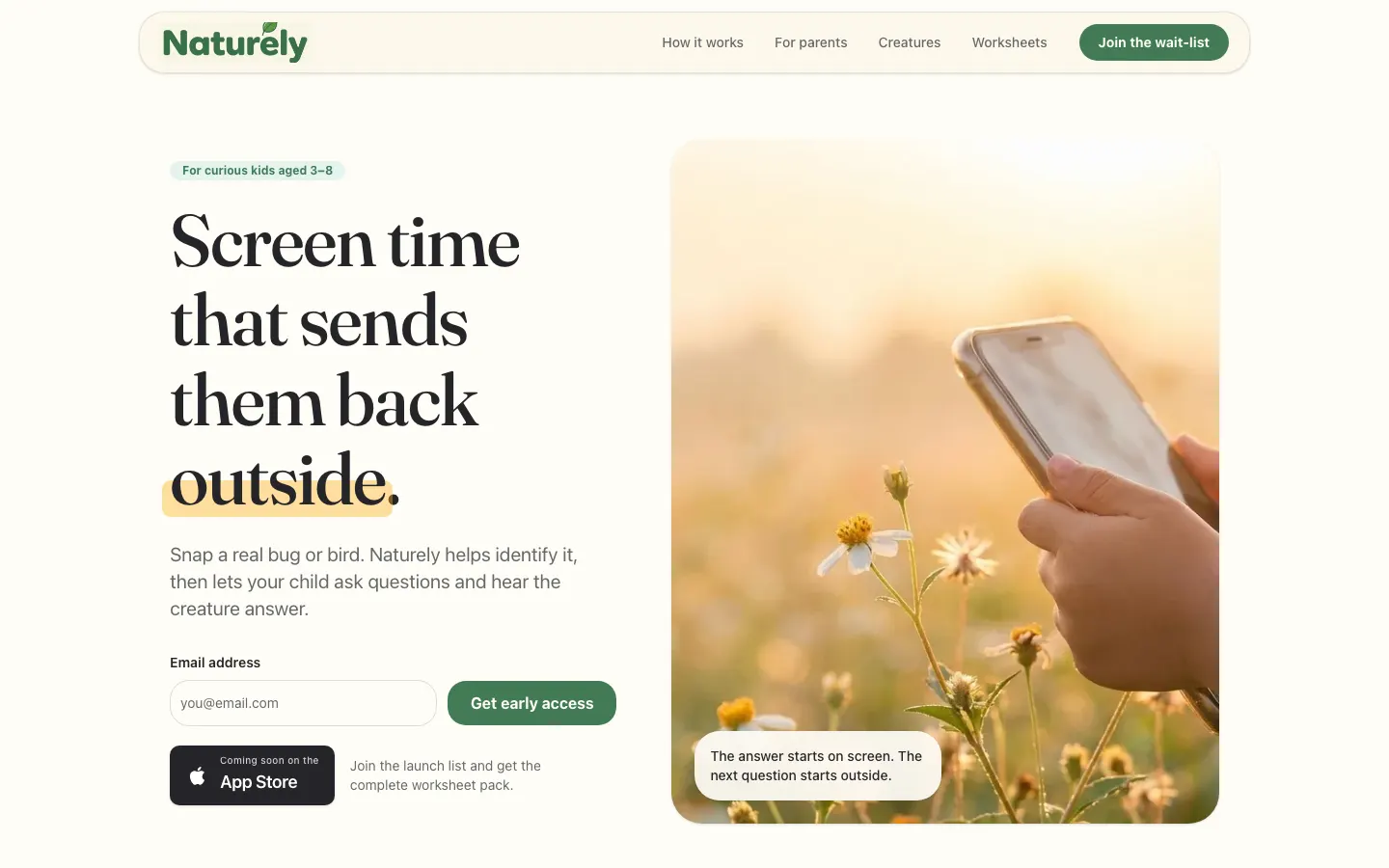
An early-access nature-learning app for curious kids ages 3–8 that helps them identify bugs and birds, ask questions, explore facts and quizzes, and print outdoor worksheets. It is listed under Nature & environment and Science for ages 3–8.
Crown Family PlayLab
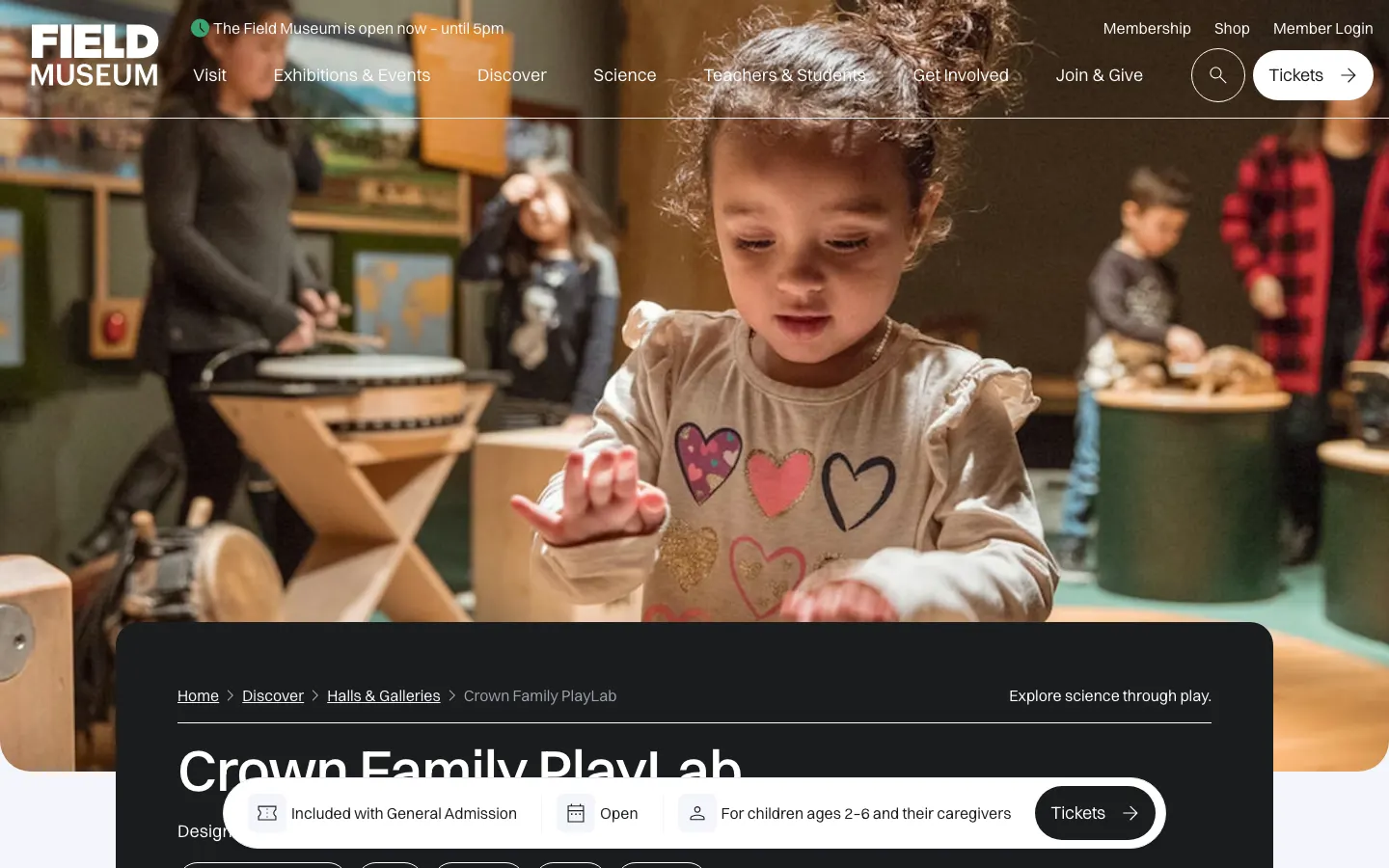
Crown Family PlayLab at Chicago’s Field Museum is an early-childhood play and learning environment for ages 2–6 where children investigate nature, culture, and science through hands-on activities. It is listed under Museums & places and Science for ages 2–6.
EduKidsGames
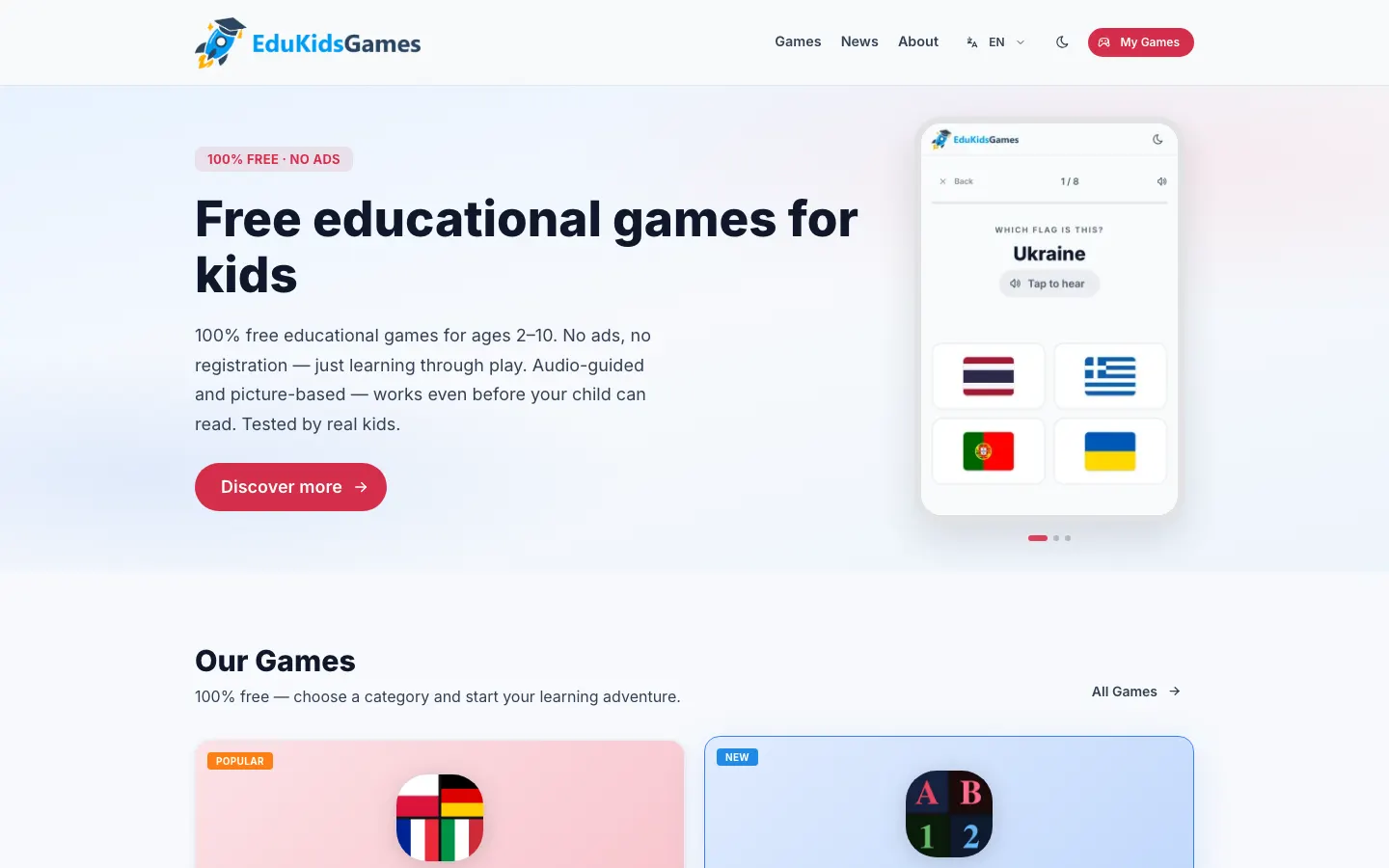
EduKidsGames is a free browser collection of calm educational games for children, including geography, nature, language, matching, and early-learning activities. It is listed under Games & interactives and Geography for ages 4–12. Children and families can use it through a website.
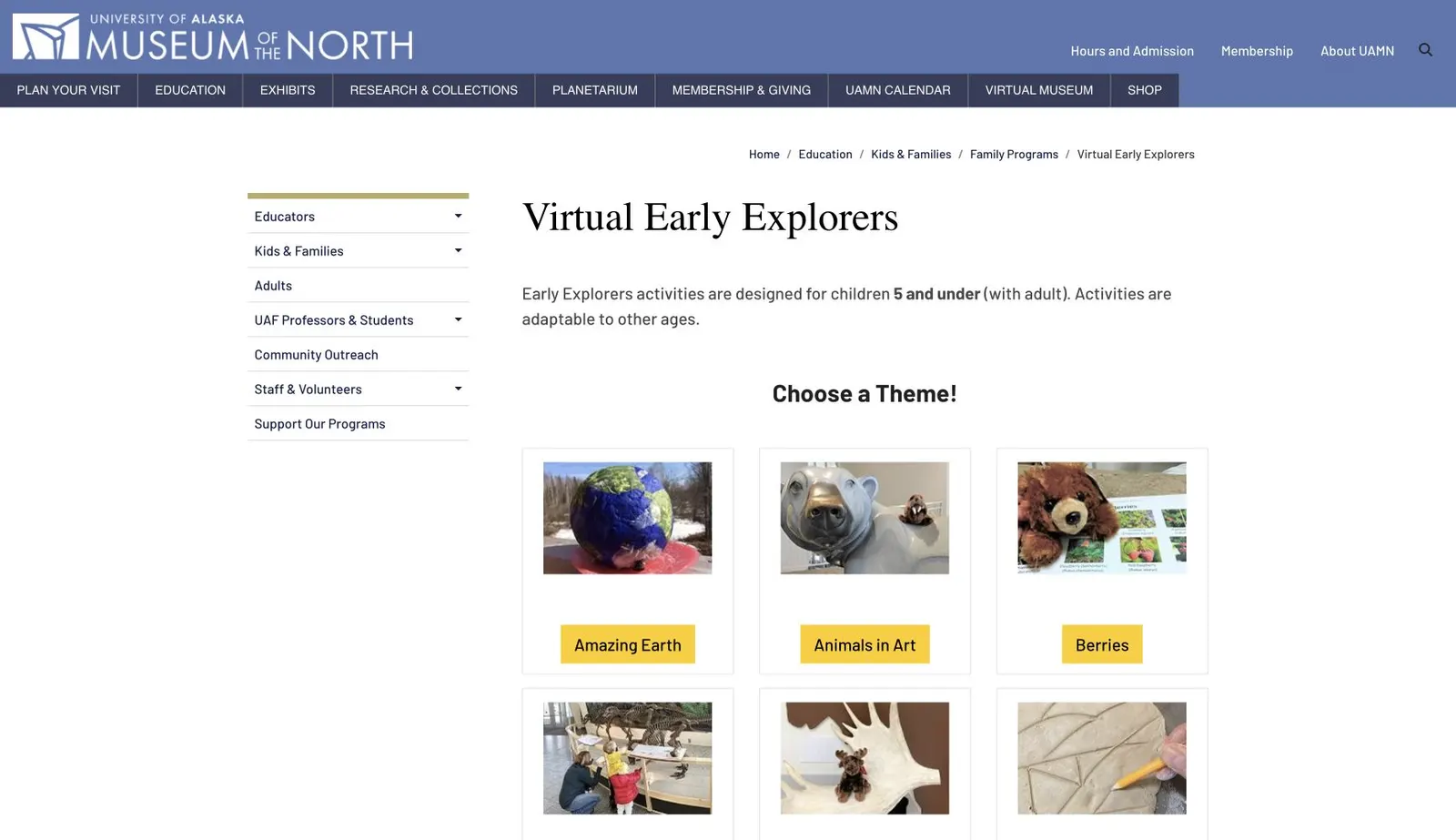
Virtual Early Explorers
The University of Alaska Museum of the North’s Virtual Early Explorers programme provides themed activities and at-home tips for children five and under with an adult, including animals, art, light, water, pollinators, and the solar system.
Austin Nature & Science Center Science Storytime
A free drop-in program at Austin Nature & Science Center for young children and caregivers combining science-related stories with animals or nature objects. It is listed under Science and Nature & environment for ages 0–4 with caregiver.
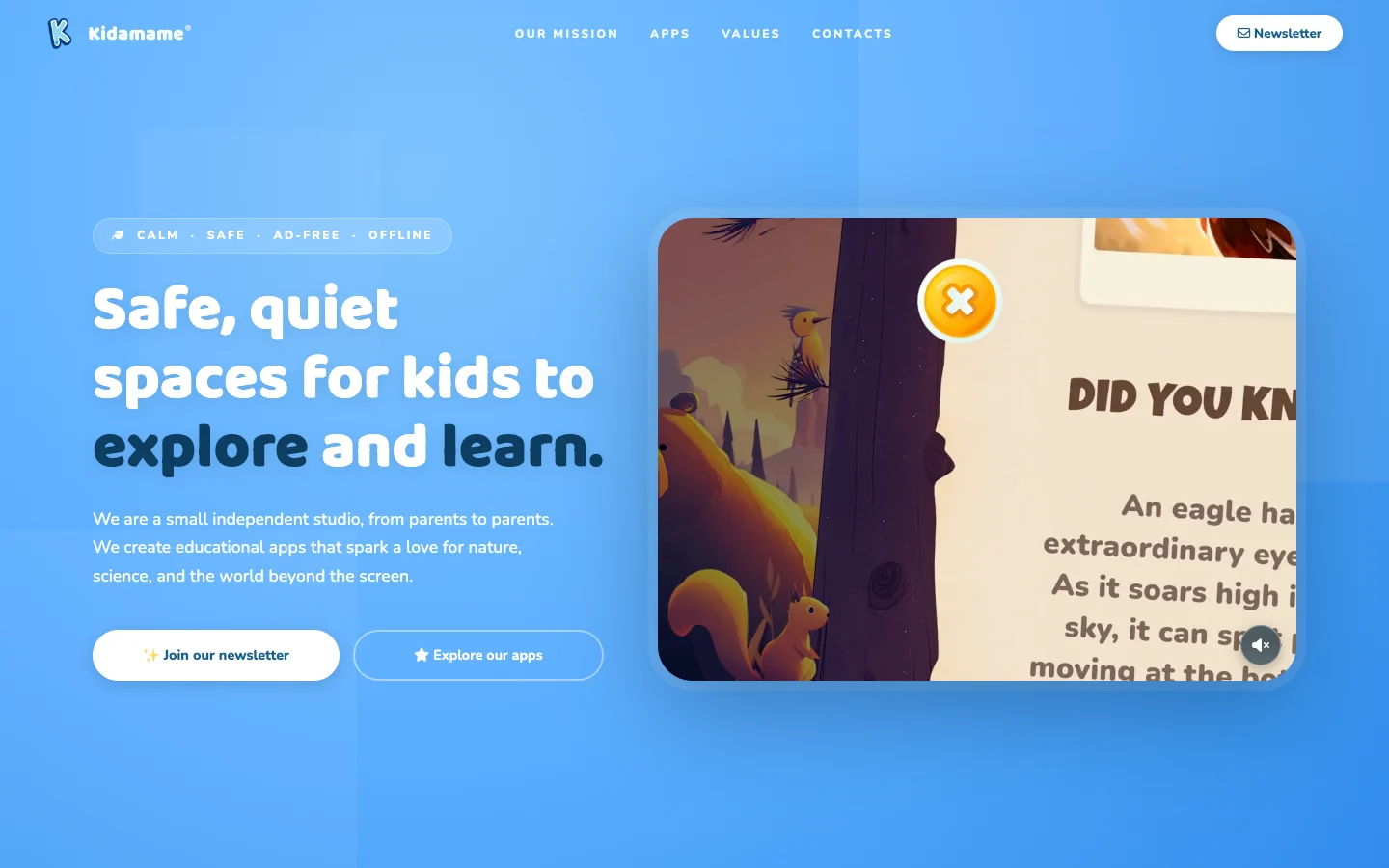
Kidamame Discovery
A calm, illustrated nature and science discovery app for ages 4–10, designed around child-led exploration, Montessori-inspired interactions, and “Did You Know?” cards. It is listed under Nature & environment and Science for ages 4–10.
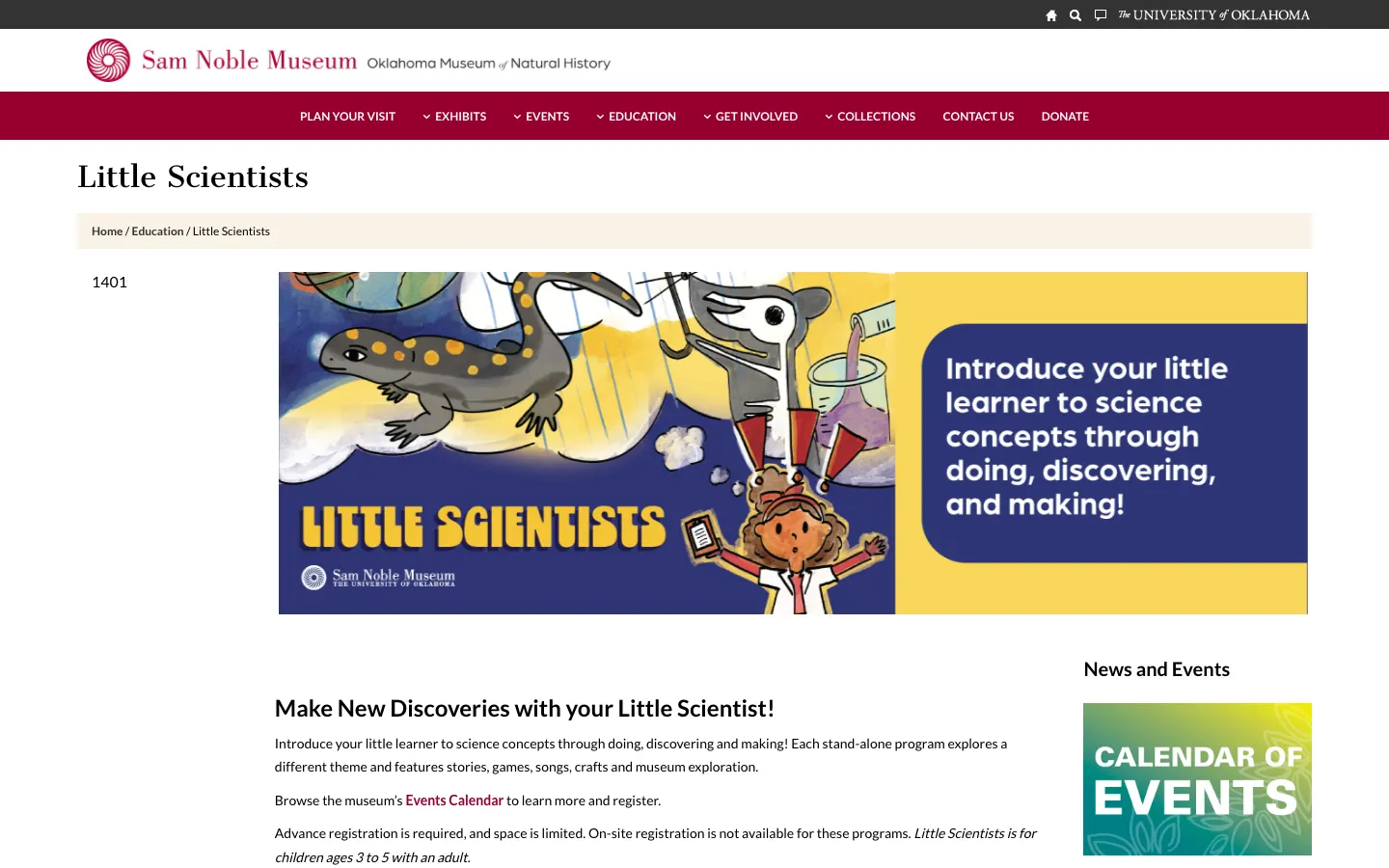
Sam Noble Museum Little Scientists
Little Scientists is a Sam Noble Oklahoma Museum of Natural History program for ages 3–5 with stories, games, songs, crafts, and museum exploration built around science themes. It is listed under Science and Museums & places for ages 3–5 with an adult.
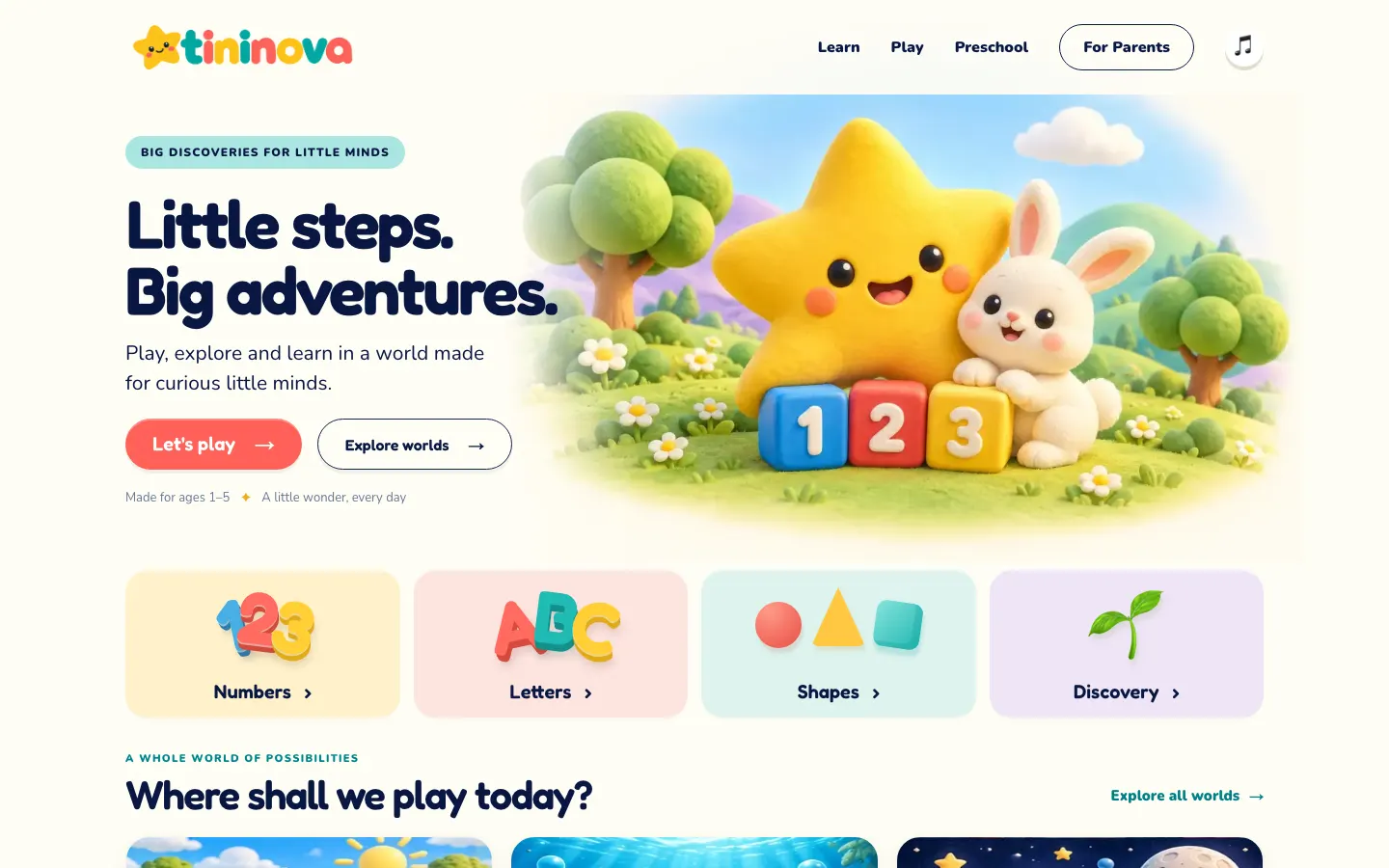
TiniNova
A free collection of early-learning games for ages 1–5 covering numbers, letters, shapes, nature, and simple discovery activities in a colorful browser world. It is listed under Early learning and Math for ages 1–5.
Nature for Children Every Day
Nature Explore’s Nature for Children Every Day initiative offers child-focused advocacy and free tools that help families and educators build meaningful daily connections with the natural world. It is listed under Nature and Outdoor learning for ages Young children and families.
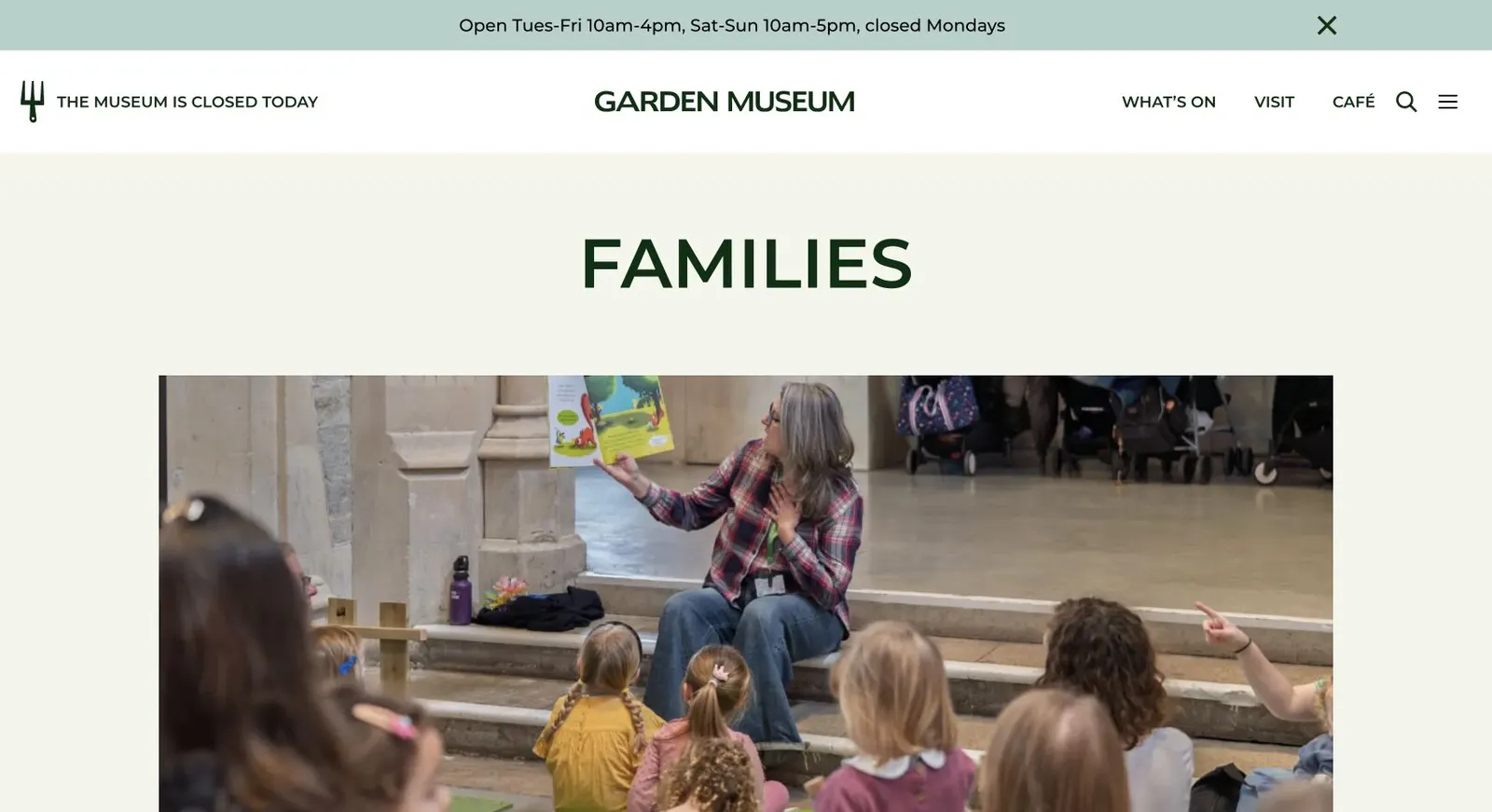
Garden Museum Families
Nature, art, and garden activities for children and grown-ups, including trails, explorer backpacks, toddler sessions, and family workshops. It is listed under Nature & environment and Art & creativity for ages 0-14. Children and families can use it through a website and a physical place.
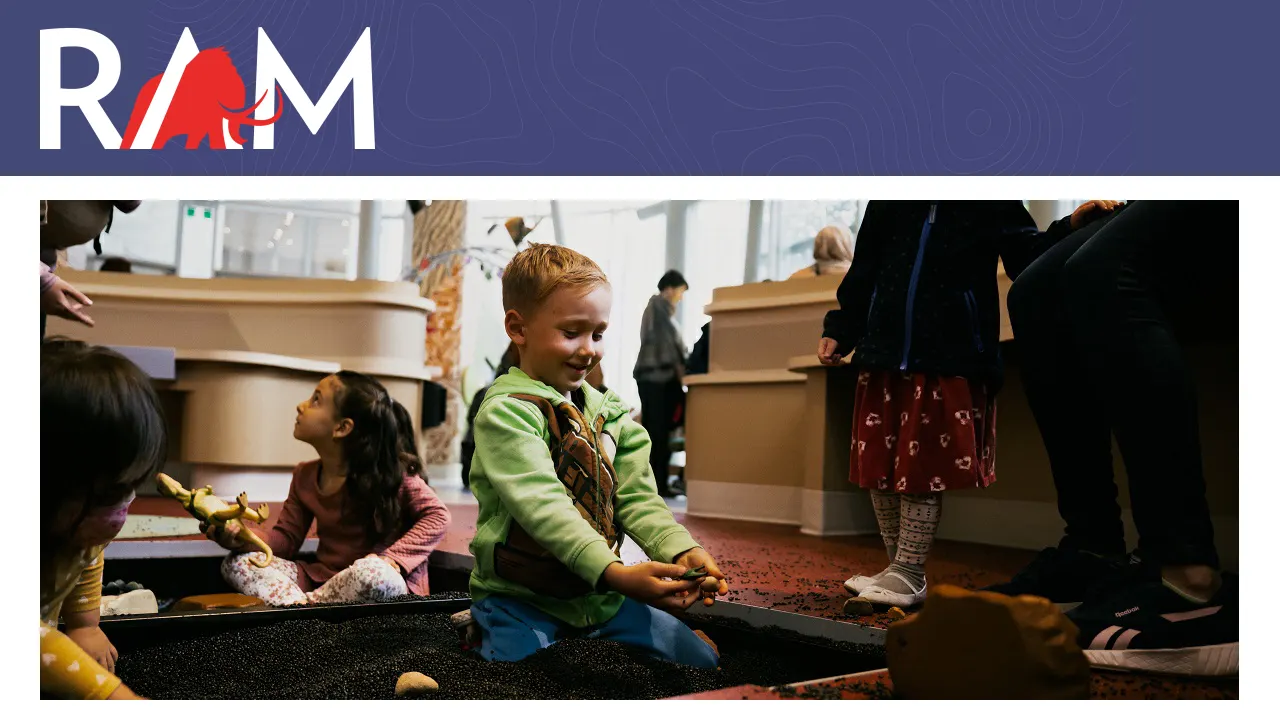
Royal Alberta Museum Children's Gallery
A playful gallery for children six and under with objects, tools, sensory areas, digging, building, and imaginative exploration. It is listed under Early learning and Science for ages 0-6. Children and families can use it through a website and a physical place.
Trout Lake Nature Sprouts
A recurring nature program for preschoolers that helps young children connect with seasonal outdoor environments through guided activities and exploration. It is listed under Nature & environment and Early learning for ages 2–5. Children and families can use it through a website and a physical place.
Compare with context
Use this collection to find a direction, then open each resource page before sharing it with a child. The individual review shows languages, access formats, tags, age guidance, source links, and notes for grown-ups.
Search the full directory →