Early learning Multilingual
for kids
Explore 20 trusted early learning multilingual resources selected for curious kids, with clear ages, access details, and parent context.
Two useful ways to narrow the directory
This page brings together early learning resources that also match multilingual. Each listing keeps its own age range, platform details, languages, links, and parent notes, so you can compare options without losing context.
Explore all early learning resources →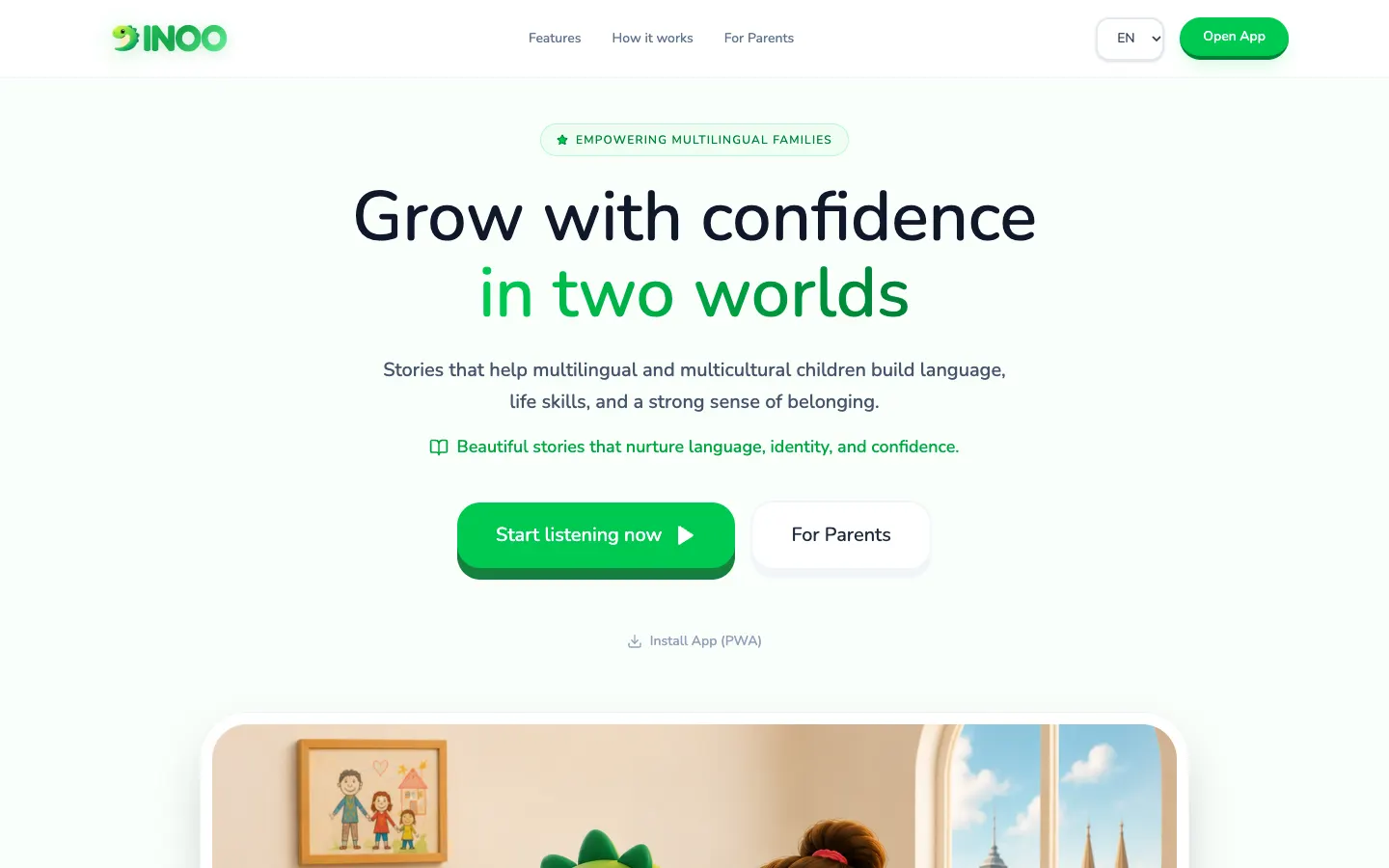
Dinoo
Dinoo offers short multilingual and multicultural stories for young children ages 3–6, with themes around identity, life skills, and discovering different cultures. It can support shared reading when an adult listens with the child and talks about the characters or setting. The directory lists it as a website resource; adults should check the current language and access options.
Read the full resource review →More early learning picks
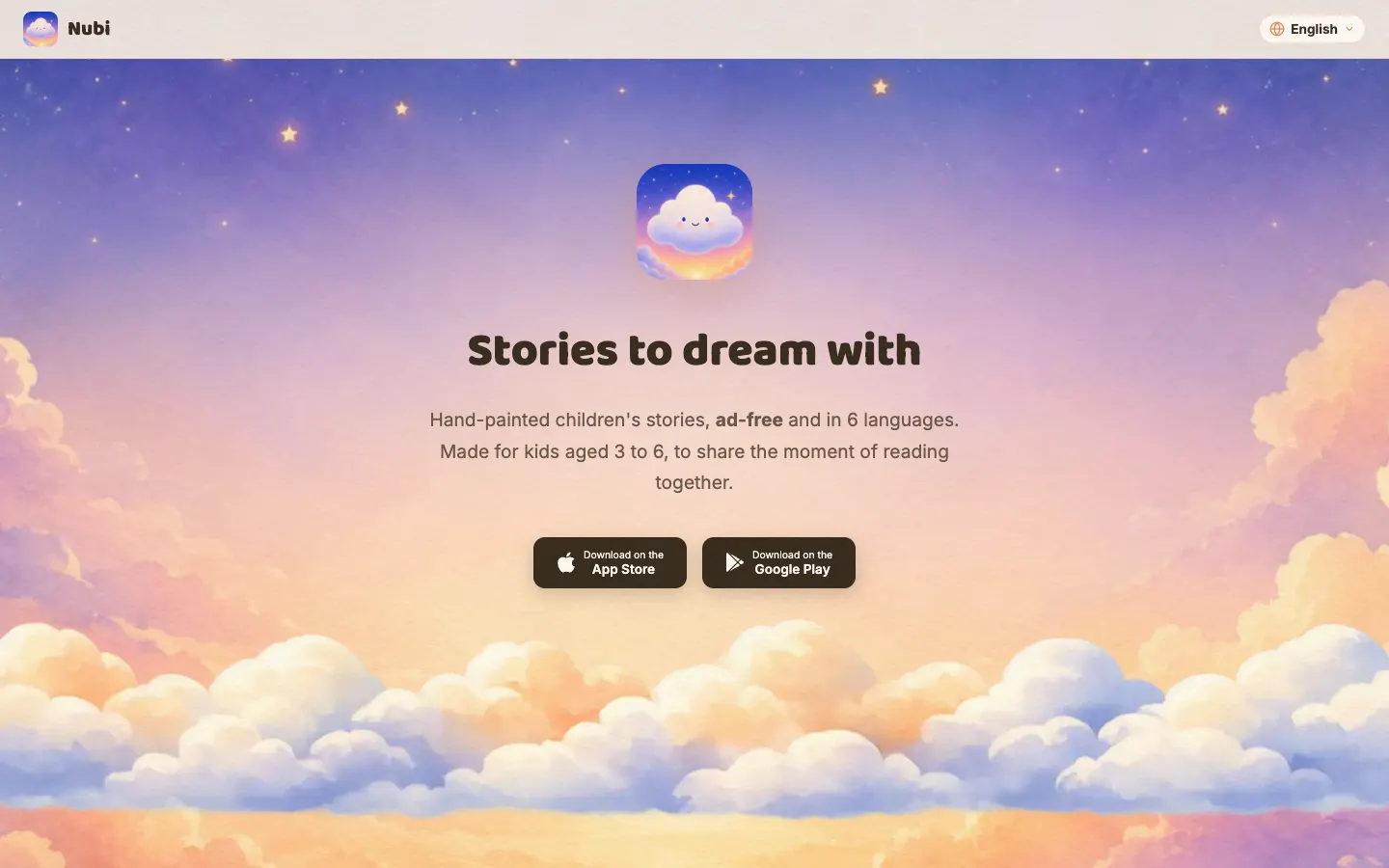
Nubi
Nubi is a hand-illustrated storybook app for children ages 3–6, with stories in six languages and read-together features for families. It is listed under Reading and Languages for ages 3–6. Children and families can use it through a website.
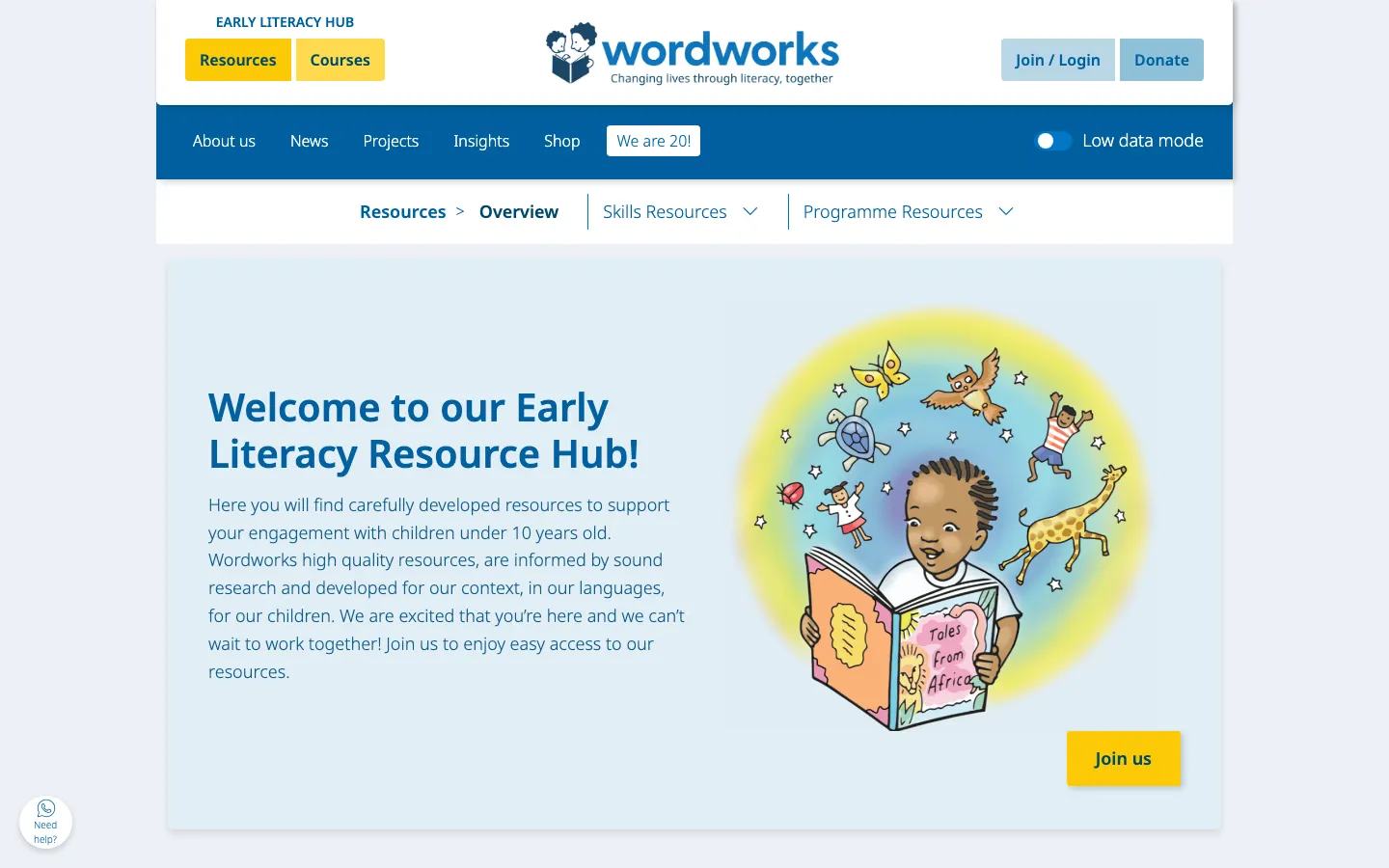
Wordworks Resources
Early language and literacy games, activities, stories, and programme resources from Wordworks for young children and the adults who support them. It is listed under Reading and Early learning for ages 0–9. Children and families can use it through a website.
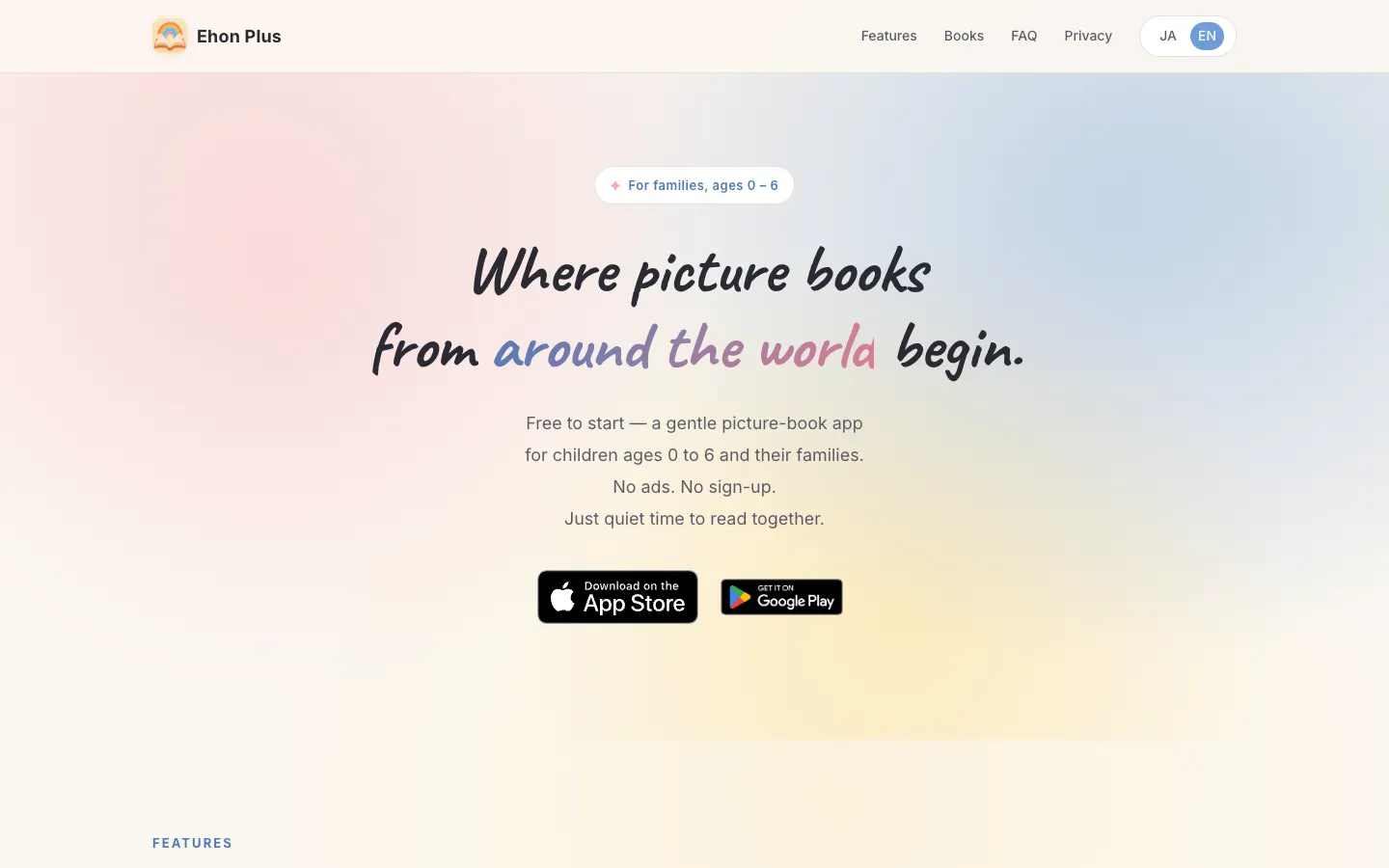
Ehon Plus
Ehon Plus is a picture-book app for children ages 0–6 with bundled stories, age filters, offline reading, and a multilingual interface. It is listed under Reading and Early learning for ages 0–6. Children and families can use it through a website.
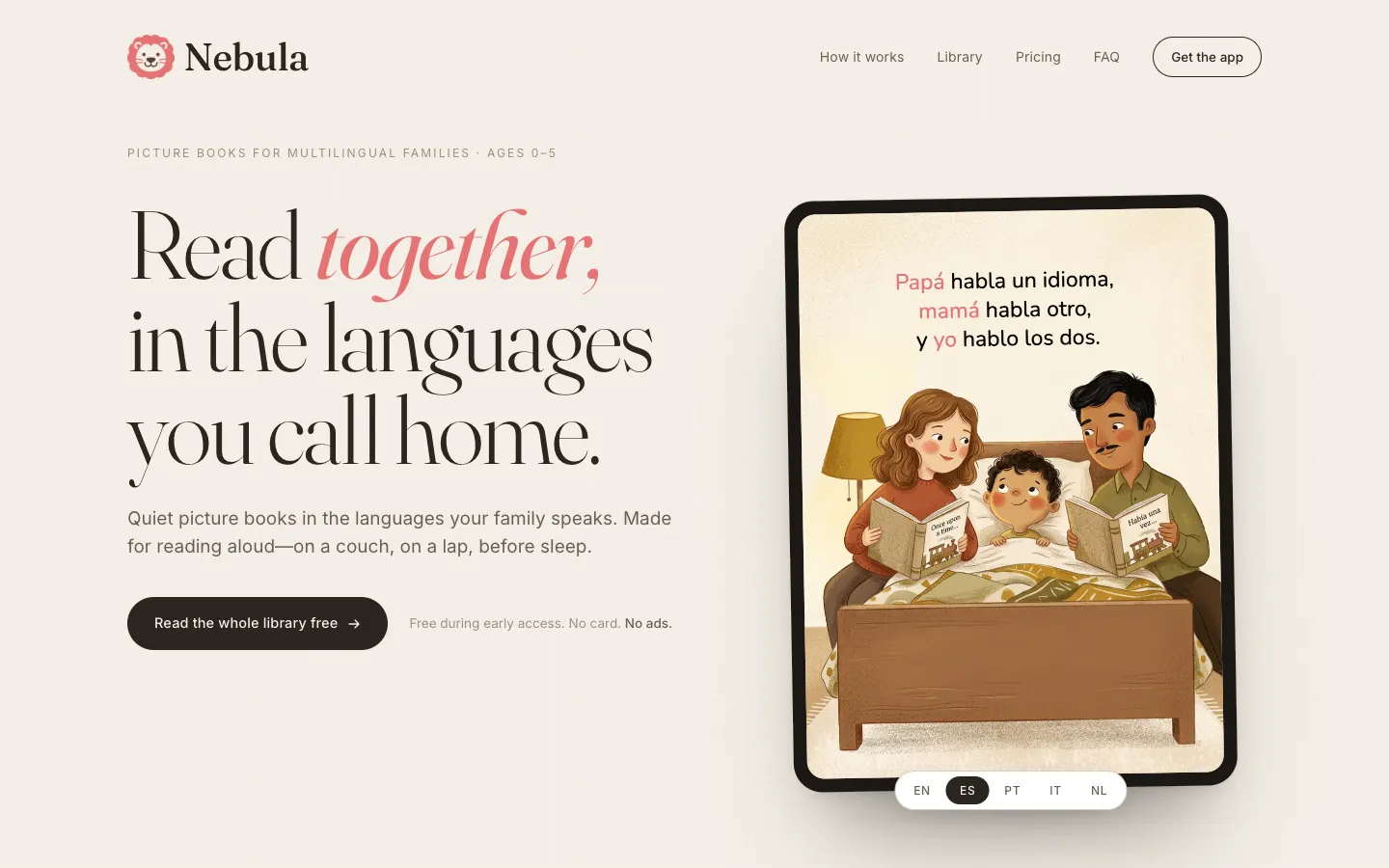
Nebula Multilingual Stories
Nebula offers picture books for multilingual families, designed for ages 0–5 and intended for shared reading in the languages children call home. It is listed under Reading and Languages for ages 0–5. Children and families can use it through a website.
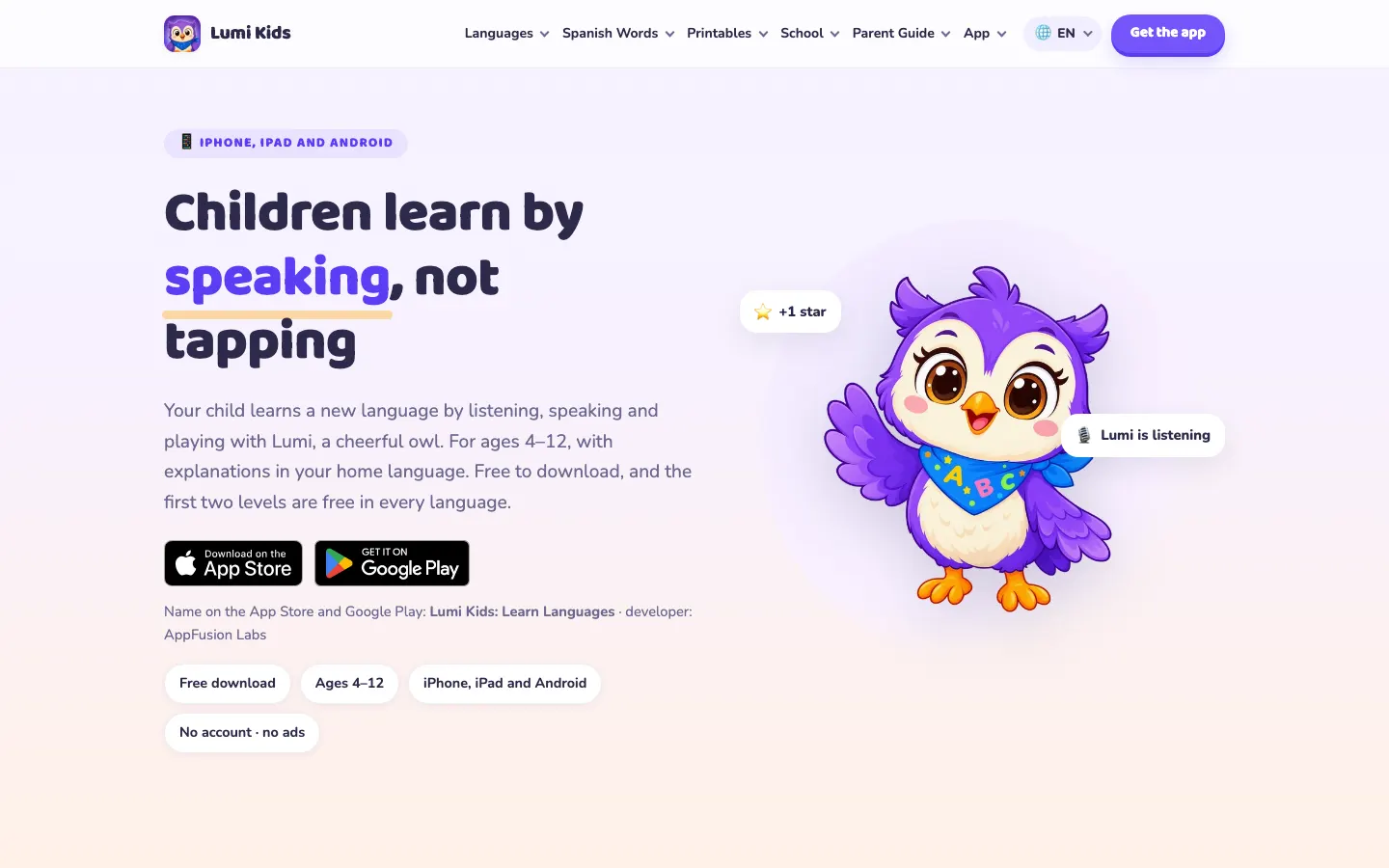
Lumi Kids
Lumi Kids is a multilingual language-learning app for ages 4–12 with picture-and-audio exercises, a two-way voice tutor, offline lessons, and a parent-controlled experience. It is listed under Language and Early learning for ages 4–12.
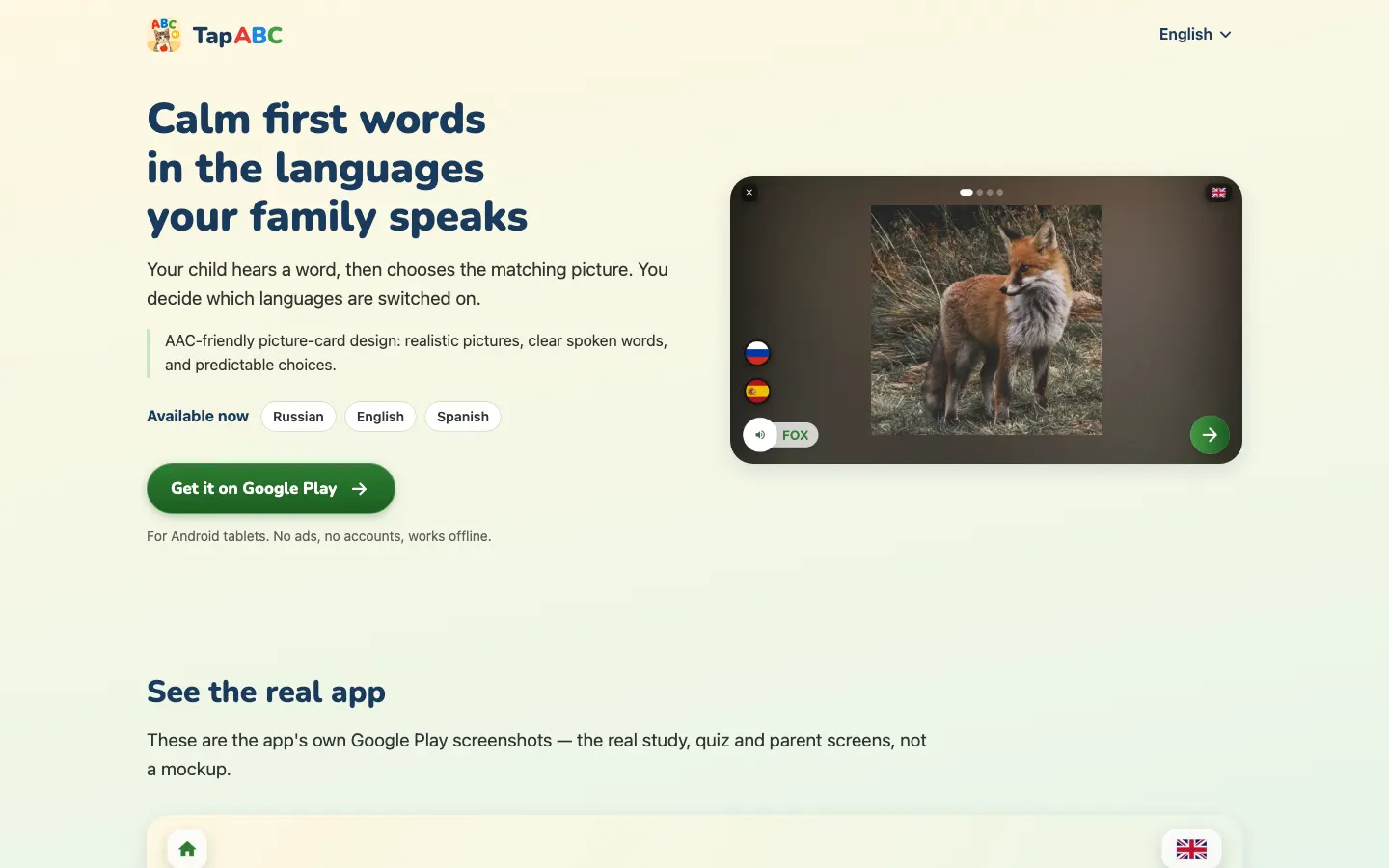
Tap ABC
Tap ABC is a calm early-language picture-card app where children hear a word and choose the matching picture across the languages enabled by a parent. It is listed under Language and Early learning for ages 2–5.
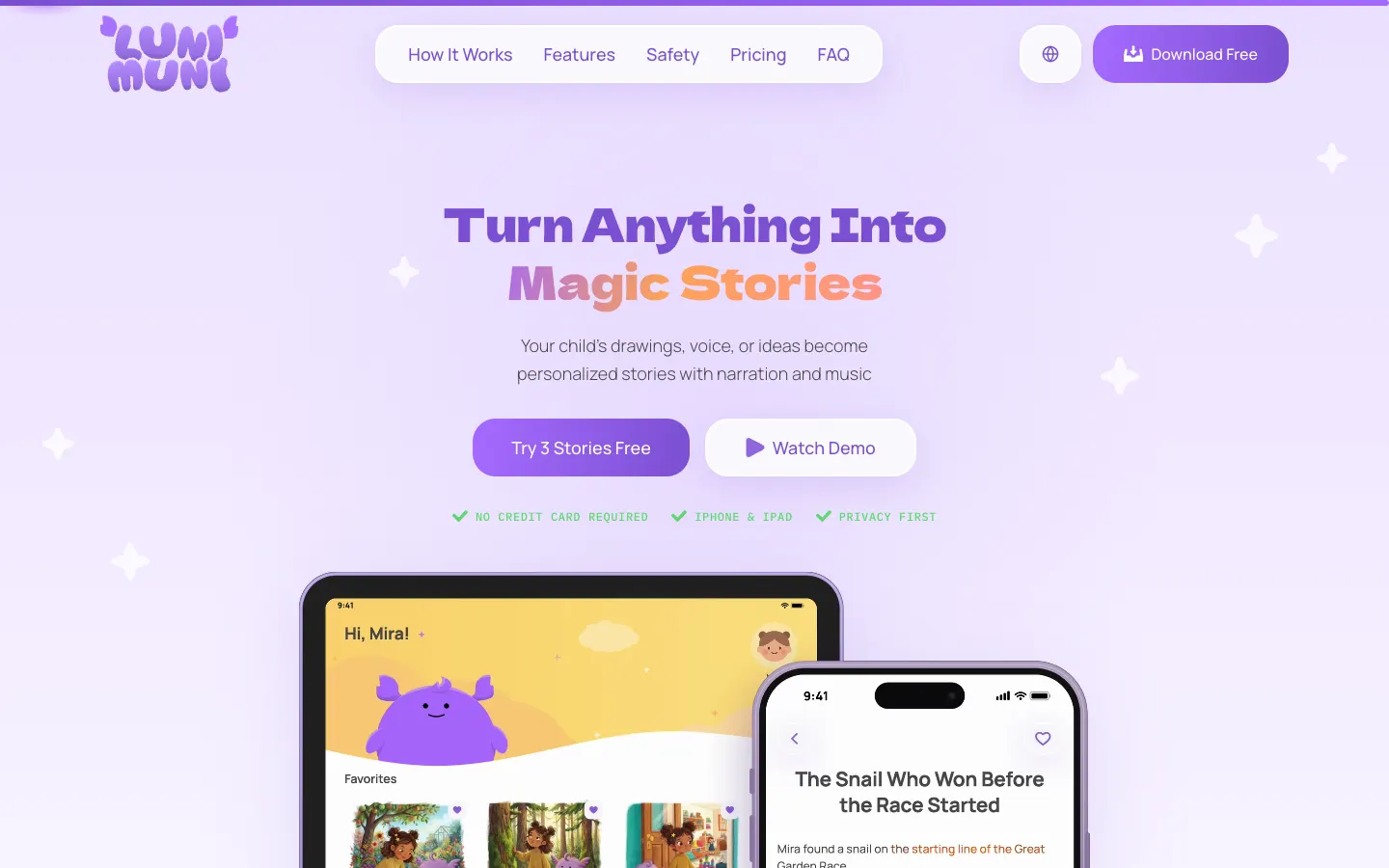
LuniMuni
LuniMuni creates personalized children’s stories from a child’s photo, voice, text, or idea, with a multilingual story experience designed for shared family reading. It is listed under Reading and Early learning for ages 3–8.
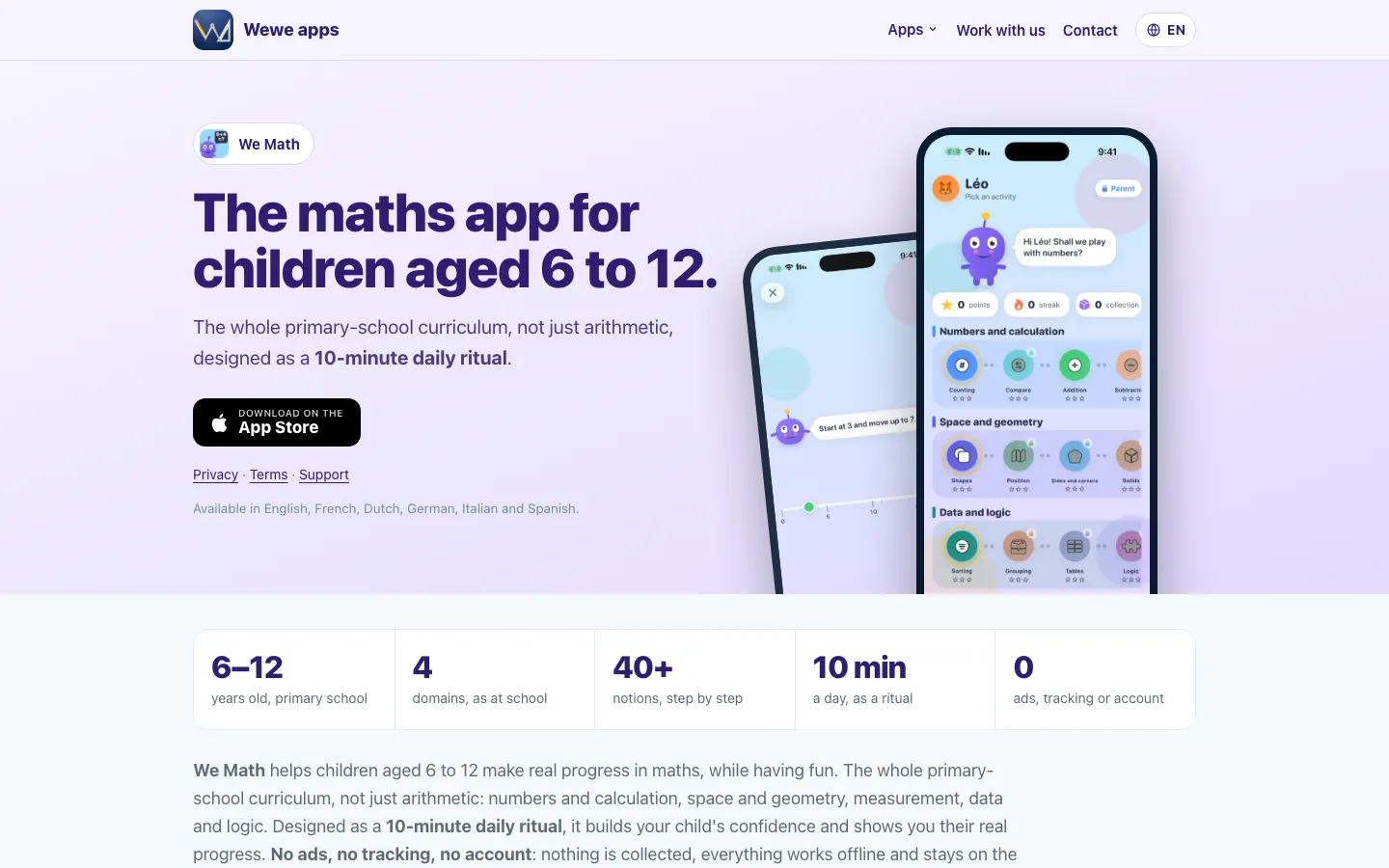
We Math
We Math is an offline math app for ages 6–12 covering numbers, calculation, geometry, measurement, data, and logic with adaptive practice and a parent progress area. It is listed under Mathematics and Apps for ages 6–12.
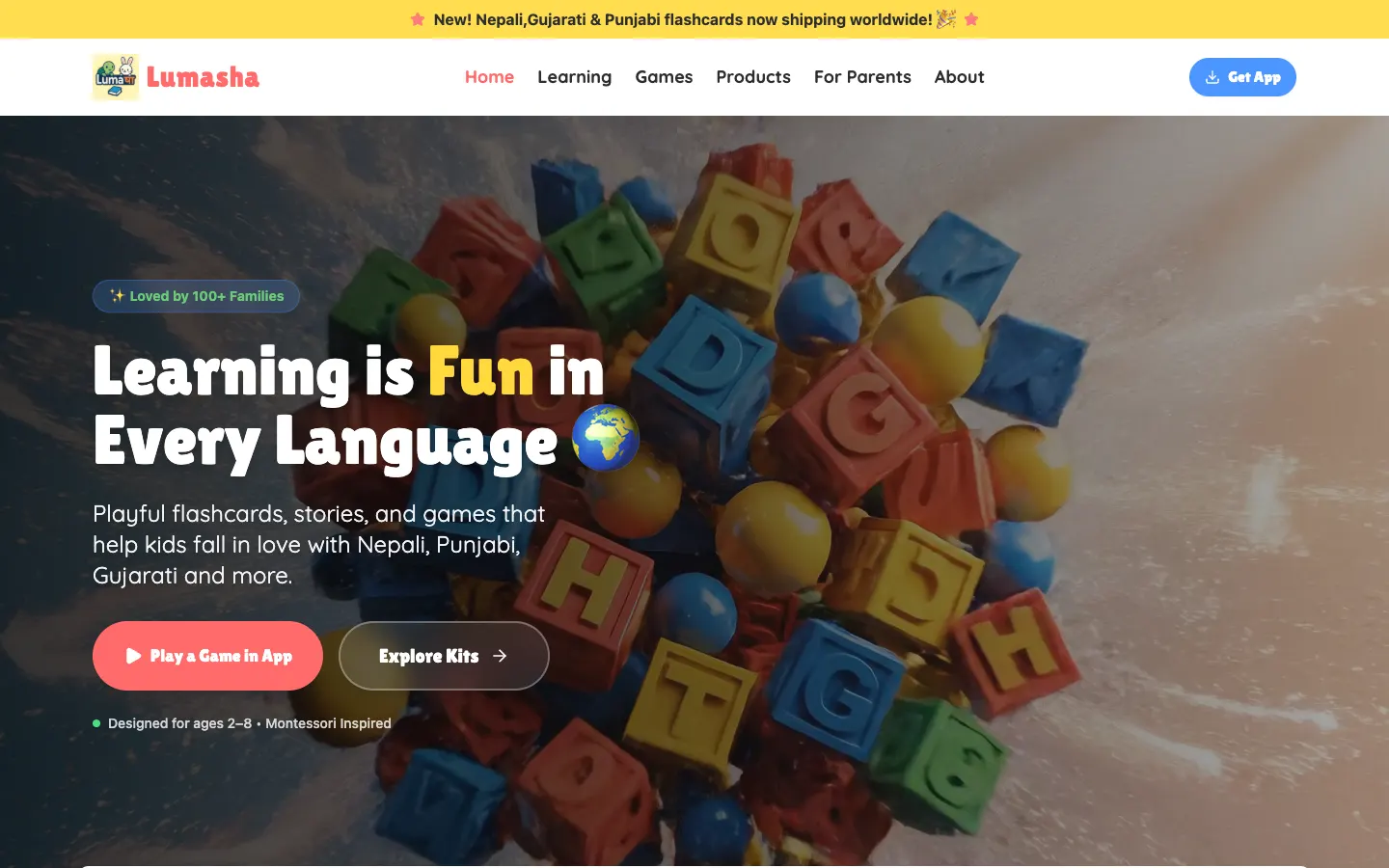
Lumasha
Lumasha offers playful flashcards, stories, games, and printable activities designed to help young children learn and keep using family languages. It is listed under Early learning and Languages for ages 2–8. Children and families can use it through a website.
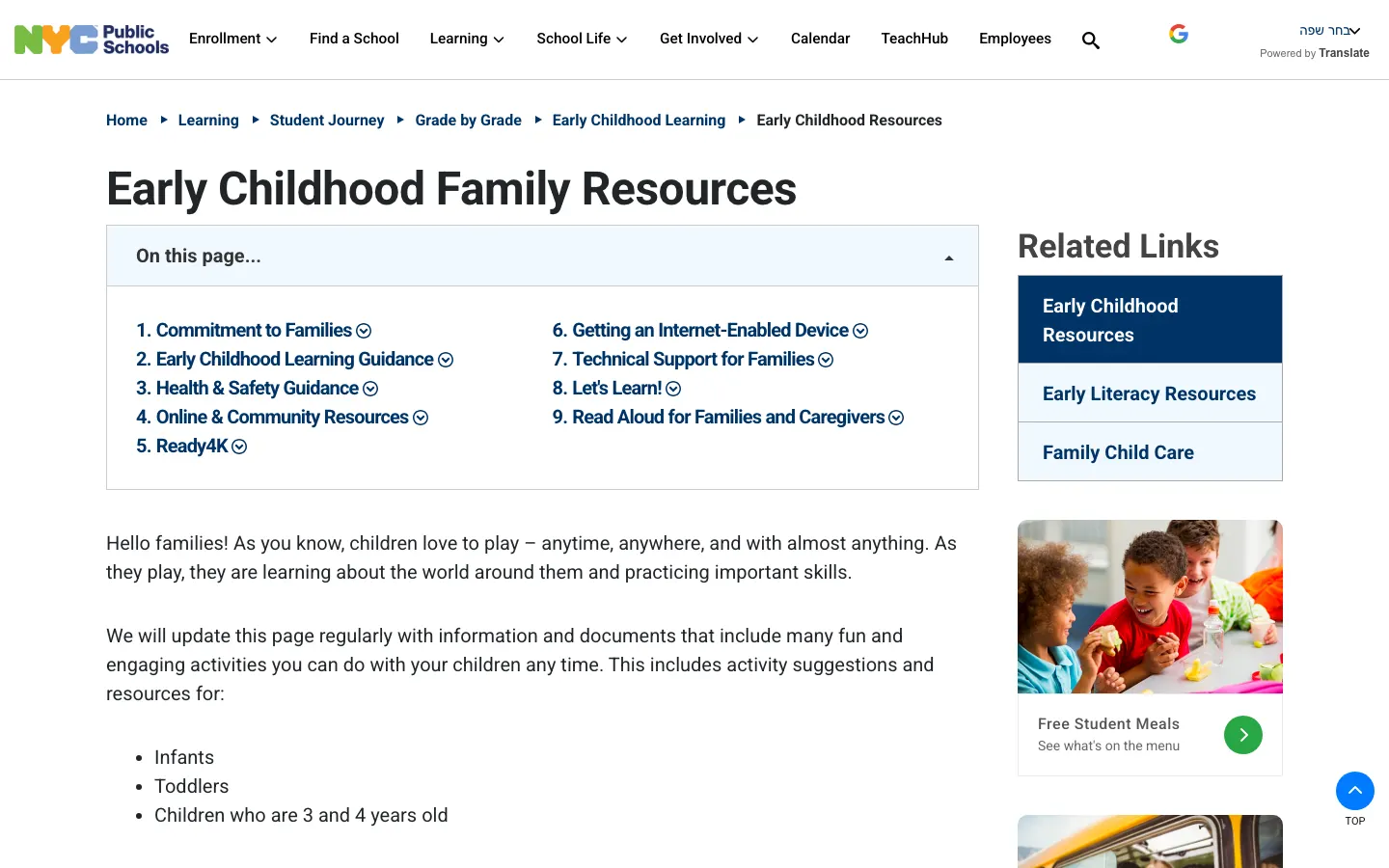
NYC Early Childhood Family Resources
New York City Public Schools’ early-childhood family resource hub offers play and learning guidance, multilingual family documents, at-home activities, health and safety materials, read-aloud ideas, and links to family learning programs.
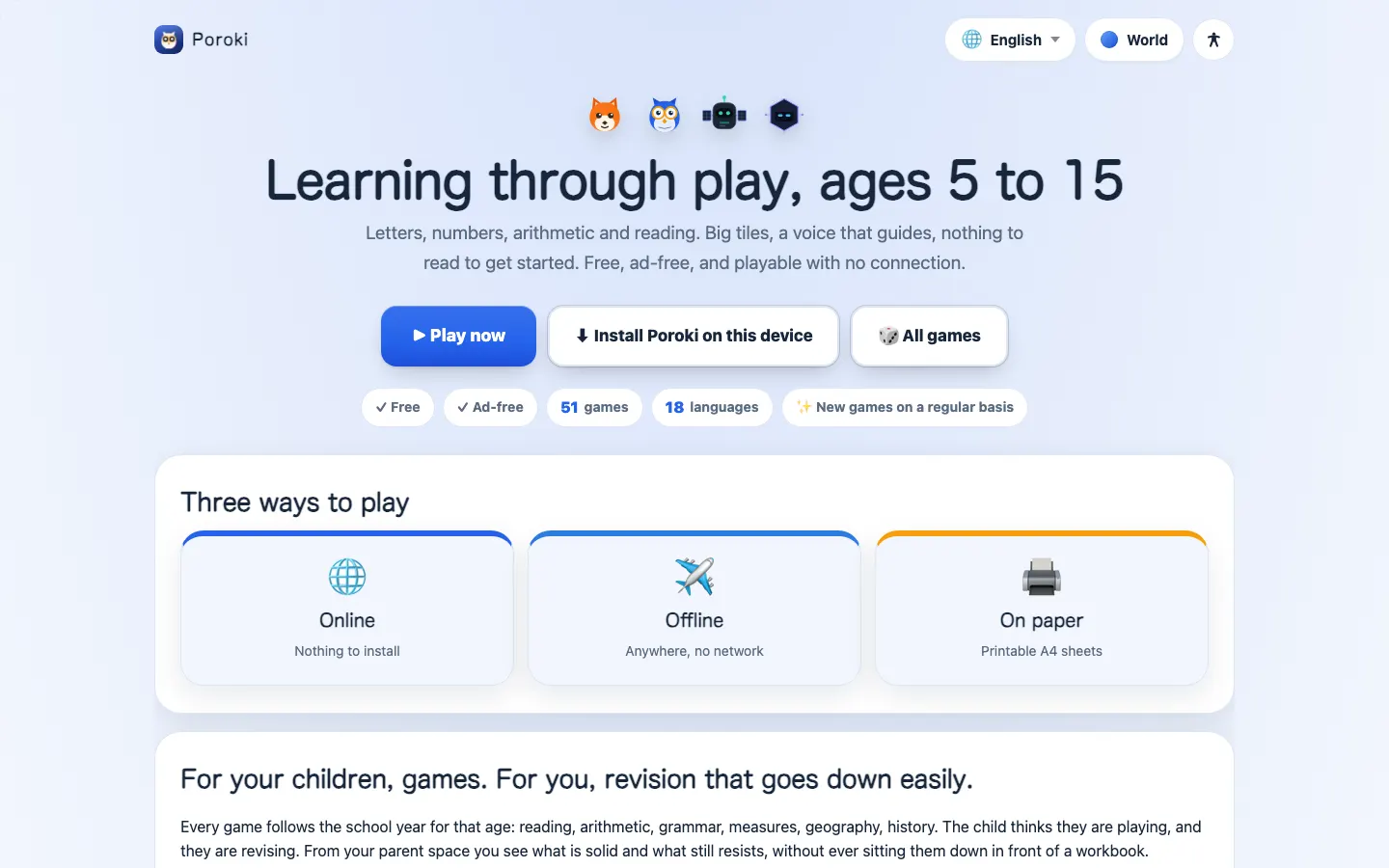
Poroki
Poroki is a multilingual learning-game platform with age-banded curriculum activities, printable worksheets, offline play, and no account, ads, trackers, or purchases. It is listed under Early learning and Games for ages 5–15. Children and families can use it through a website.
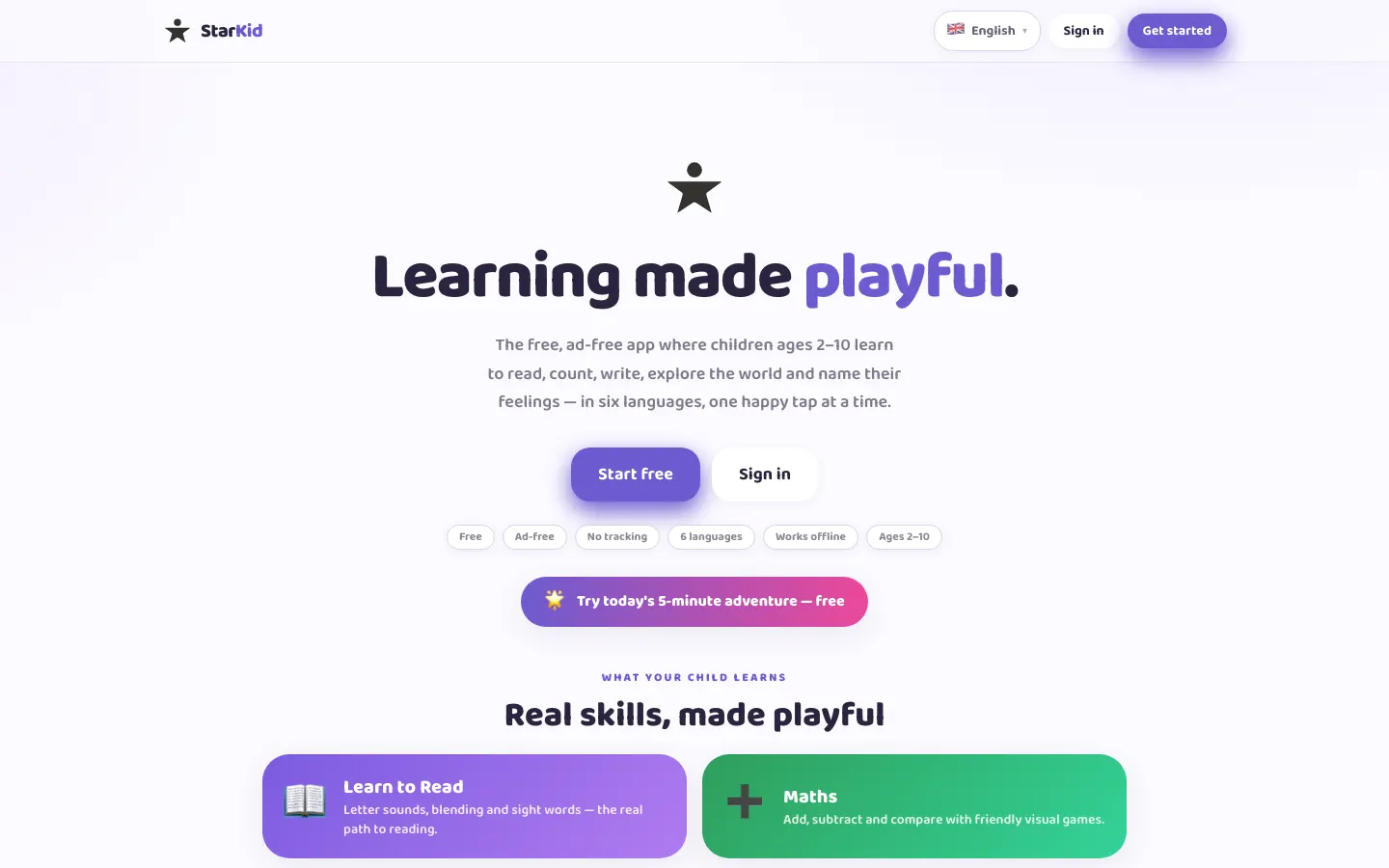
StarKid
A playful early-learning app and website for ages 2-10 with reading, math, everyday skills, feelings, games, and printable worksheets. It is listed under Early learning, Reading, and Mathematics for ages 2-10. Children and families can use it through a website.
Compare with context
Use this collection to find a direction, then open each resource page before sharing it with a child. The individual review shows languages, access formats, tags, age guidance, source links, and notes for grown-ups.
Search the full directory →